Reporting snapshot · 30 August 2026. This reports the Power Division's statement on additional night-time load management. The duration and the areas affected varied, and the figures below are those cited by the division.
What happened
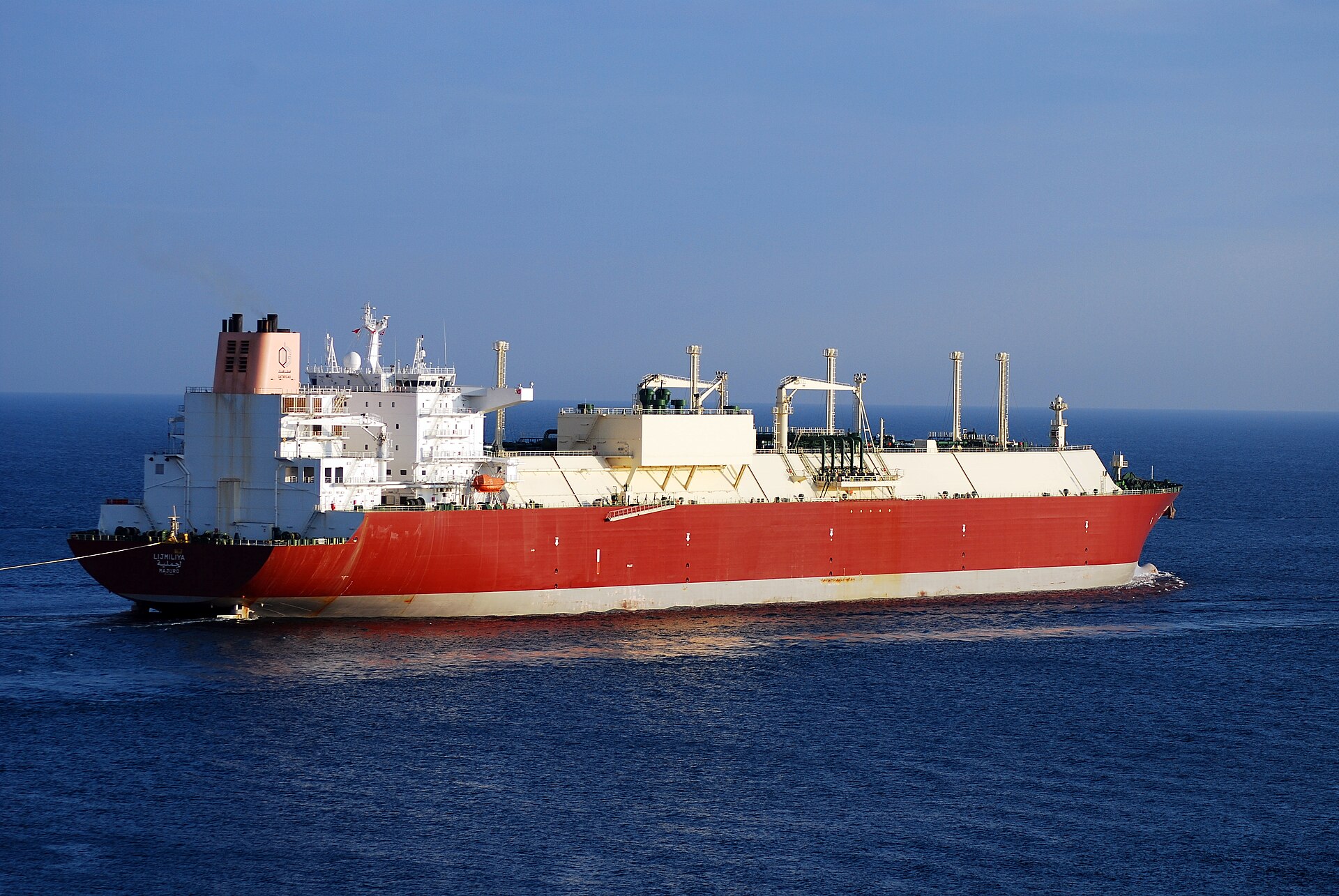
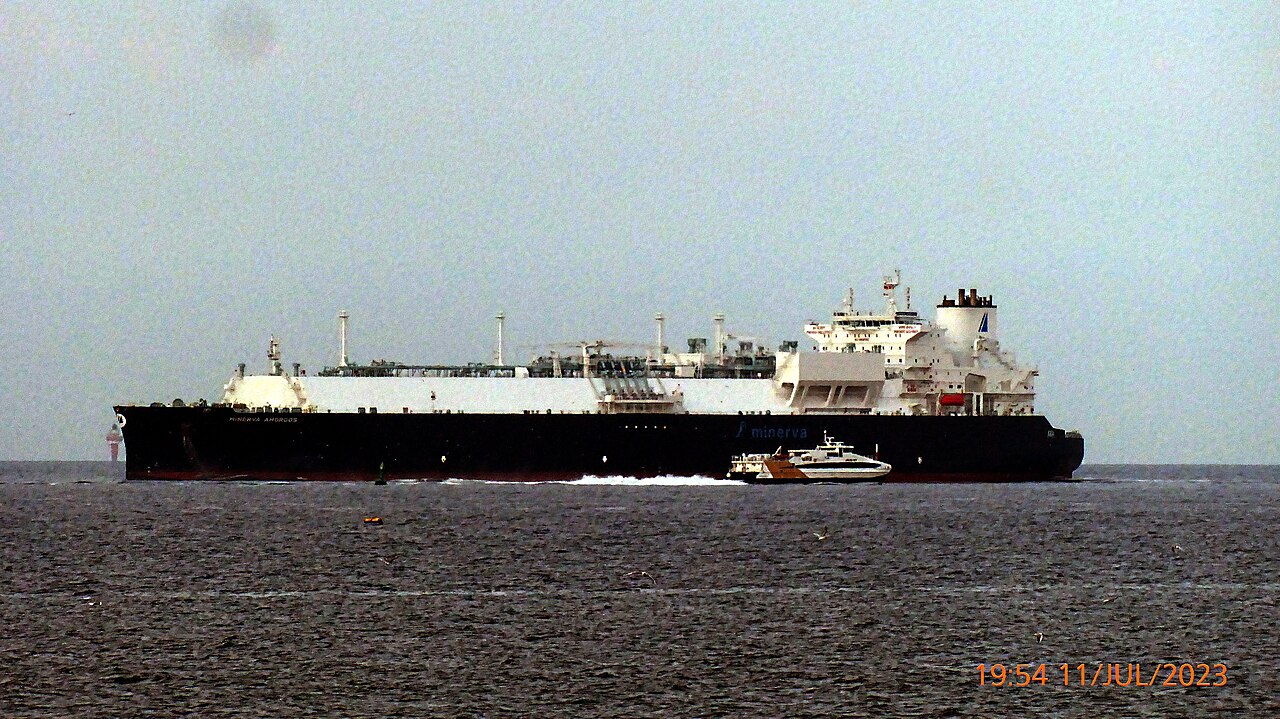
A shortage of re-gasified liquefied natural gas (RLNG) and the delayed arrival of an LNG cargo reduced power generation by about 3,600 megawatts, forcing additional load management during night-time peak hours, the Power Division said on 30 August 2026.
The Power Division’s spokesperson said the shortfall emerged after RLNG remained unavailable and scheduled cargoes failed to arrive on time. Generation from the Mangla hydropower complex also fell by about 195MW, adding to pressure on the national power system.
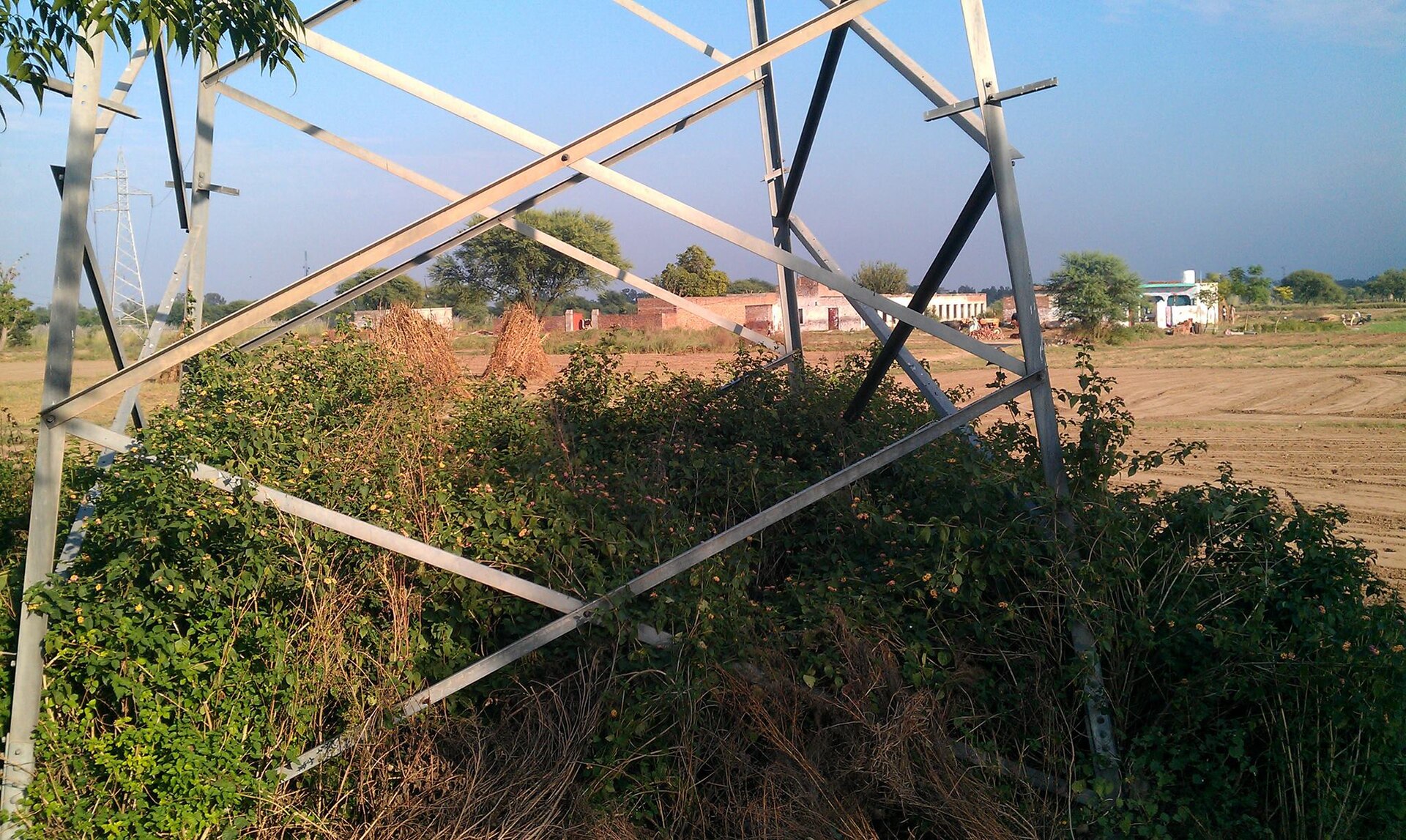
Consumers faced up to about three hours of temporary load management at night, according to the official statement cited in the report, and were urged to reduce electricity consumption during peak evening hours.
How the grid coped
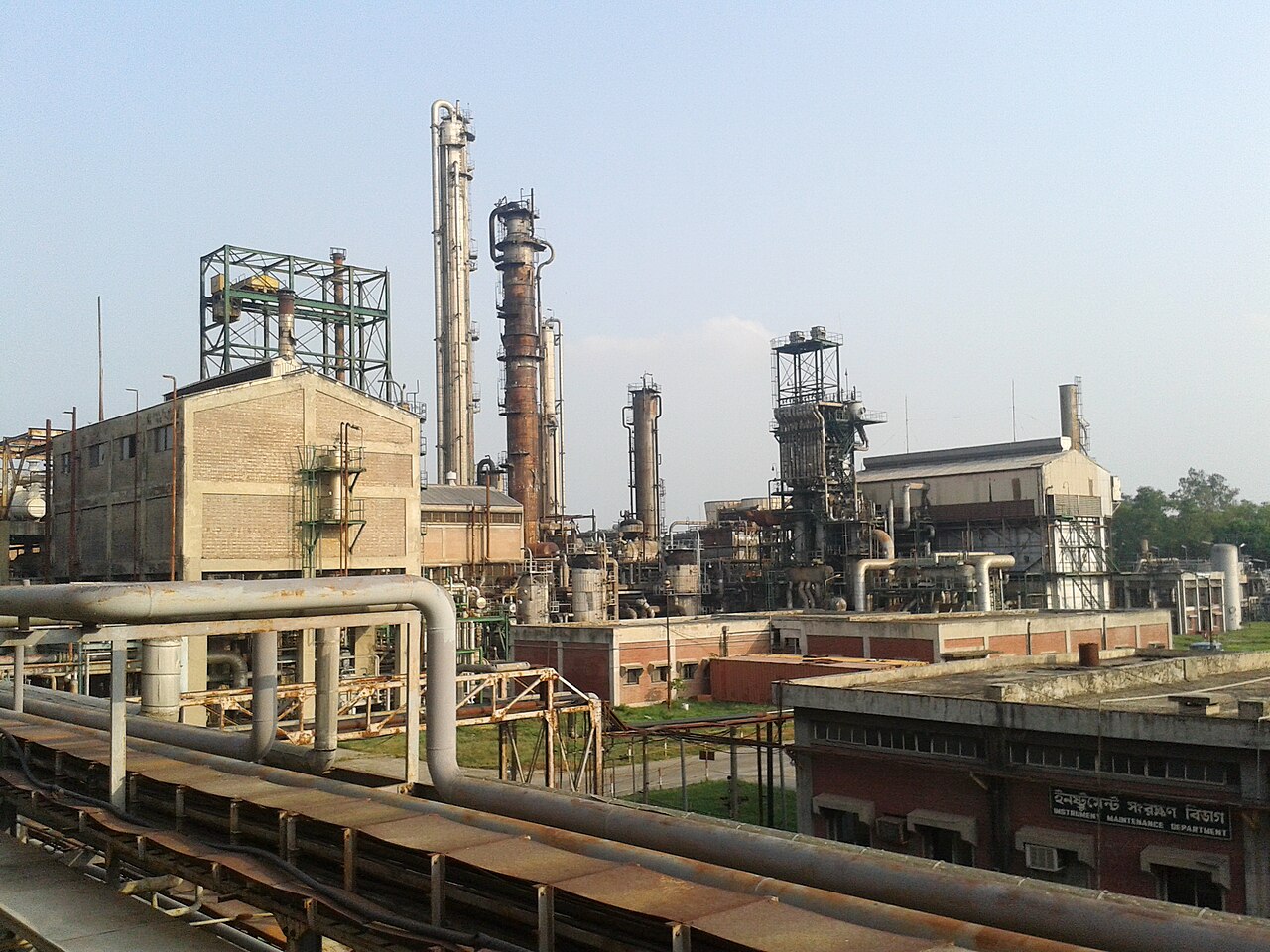
To bridge the gap, authorities brought furnace-oil power plants into operation during peak hours. The Power Division said the temporary measure would be scaled back once the delayed RLNG cargoes arrive and fuel availability is restored.
It said no load management was being carried out during daytime hours because of the RLNG shortage, although areas already subject to load management because of high distribution losses continued to receive electricity on their existing schedules. Officials apologised to consumers for the temporary night-time outages.
Why it matters
The disruption points to the power system’s reliance on imported fuel. The report cited a generation mix led by coal at about 31 per cent, followed by hydropower at 24 per cent, nuclear at 22 per cent, gas at 17 per cent and furnace oil at about 1 per cent.
The Power Division linked the latest crunch to continued disruption to energy supplies around the Strait of Hormuz amid Middle East tensions, which it said had delayed several oil and gas shipments to Pakistan. Pakistan has faced repeated fuel-supply pressure during the year, as reported in earlier coverage of peak-hour load shedding in April 2026.
What remains uncertain
The report’s headline referred to load shedding of five to six hours during peak hours, while the official statement it quoted cited up to about three hours of temporary night-time management. The Power Division did not publish a province-by-province breakdown of the affected areas or a timeline for the delayed cargoes. It also did not say what the switch to furnace-oil generation would add to the cost of supply.
Sources & reporting notes
This is a summary of published reporting, not independent on-the-ground reporting. Facts and attributed figures are as carried by the cited source, which was reviewed on 30 August 2026.
- Daily Pakistan — "Get Ready for More Load Shedding as LNG Delays trigger 3,600MW Power Crisis"30 August 2026 · The Power Division's statement on the RLNG shortage, the 3,600MW reduction, the Mangla decline, the load-management hours, the furnace-oil response and the generation mix.