What happened
The Power Division announced on 14 April 2026 that electricity supply would be suspended for about two and a quarter hours each day during peak evening hours across most of the country, as the government tried to avoid a sharp increase in electricity prices amid a fuel-supply crunch.
A spokesperson said supply would be cut for roughly 2 hours 15 minutes between 5pm and 1am under what officials called a “Peak Relief Strategy”. K-Electric, which serves Karachi, and the Hyderabad Electric Supply Company were exempted. The Power Division said the measure was not conventional load-shedding caused by a shortage, but a way to reduce demand when hydropower output falls.
Officials said 80 million cubic feet per day of local gas had been diverted to power plants, which prevented an increase of about 80 paisa per unit and reduced the need for broader load management. The division estimated that the limited peak-hour outages would prevent a tariff rise of about Rs3 per unit; with restrained use of furnace oil, any increase was expected to be capped at around Rs1.50 per unit. Without the combined measures, it said, the increase could have reached Rs5 to Rs6 per unit.
The Power Division said Prime Minister Shehbaz Sharif was personally overseeing the situation and had directed that electricity prices “must not increase sharply”. Distribution companies were told to publish feeder-wise outage schedules and to avoid unscheduled cuts.
Why it matters
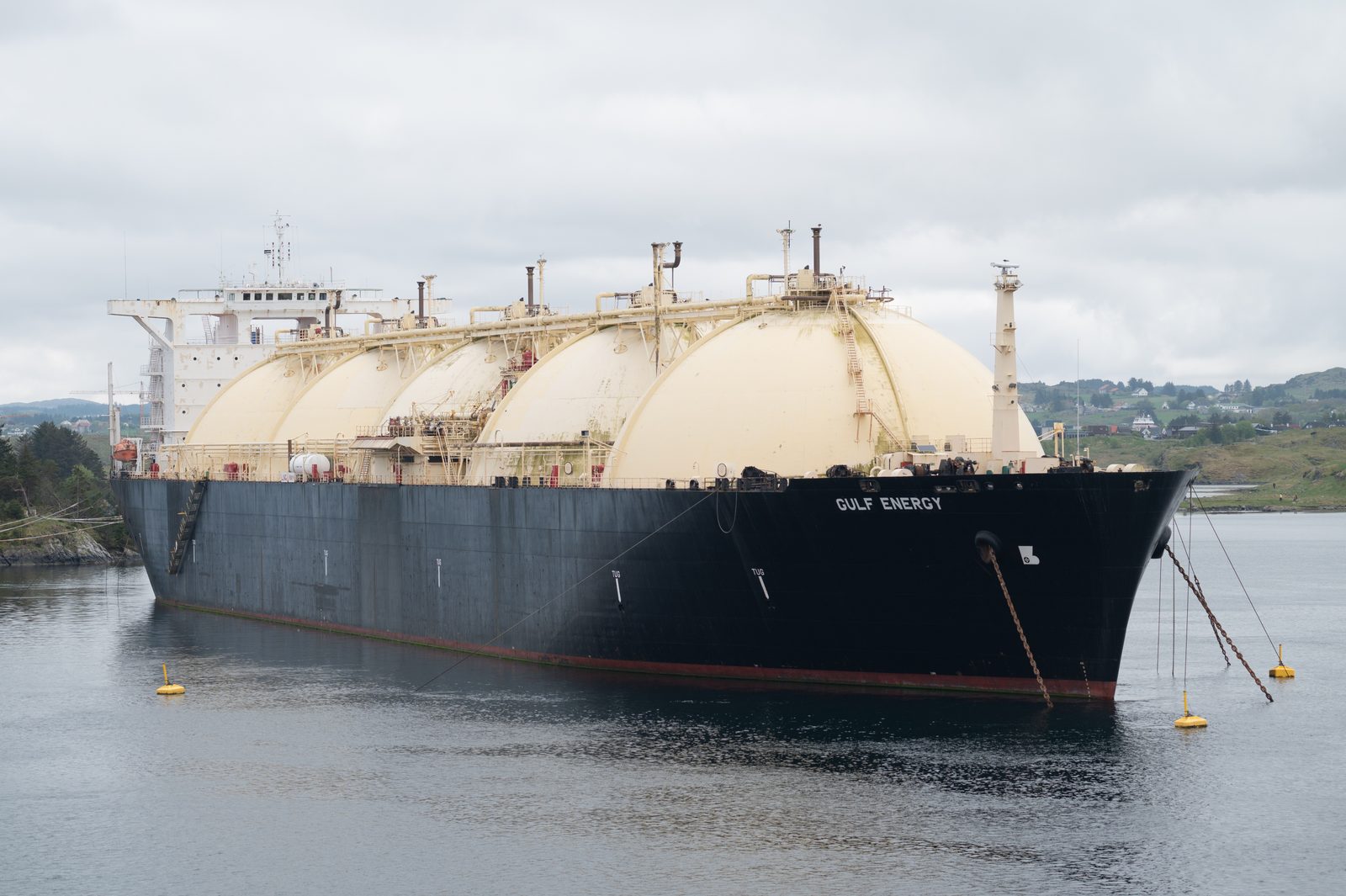
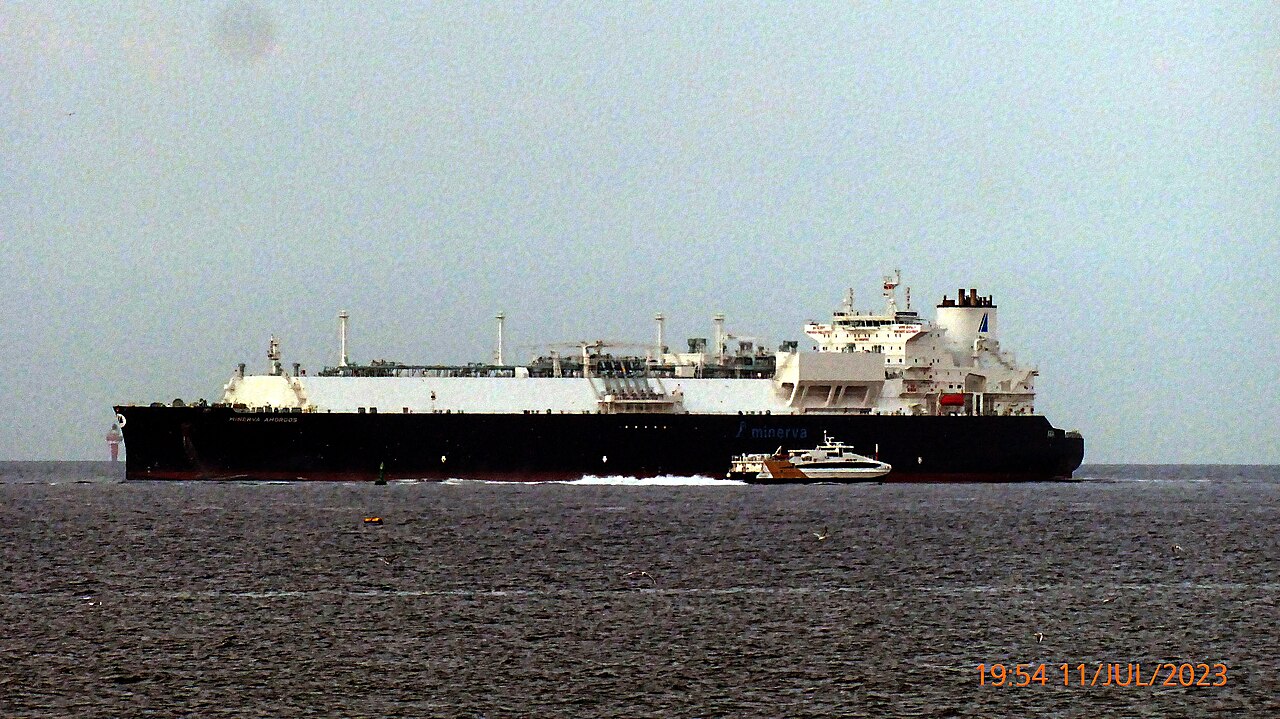
The decision follows the suspension of liquefied natural gas imports from Qatar, Pakistan’s main supplier under long-term contracts, after attacks on Qatari gas facilities linked to the US-Israel war on Iran. With shipping through the Strait of Hormuz disrupted, countries that rely on imported fuel have been forced to conserve power and stabilise costs.
Pakistan’s power sector is heavily dependent on imported fuel, leaving it exposed to global energy shocks. The government said average electricity prices had already fallen by 71 paisa per unit between July and February, providing Rs46 billion in relief, through structural reforms, stricter merit-order generation and reduced transmission losses.
What is still uncertain
The exact effect on consumer bills will depend on how much expensive furnace oil is used and on whether demand falls. Officials said coordinated closures of commercial markets could reduce peak demand further. They did not give an end date for the peak-hour measure, saying the situation was being monitored closely.
Sources & reporting notes
This article is a synthesis of published material, not original reporting. Sources were reviewed on 14 April 2026.
- The News (Saif Ur Rehman) — Govt announces over two hours' peak-time loadshedding; power prices may risePublished 14 April 2026 · The Power Division announcement, the 5pm–1am window and the exemptions for K-Electric and Hesco.
- Independent Pakistan (Aamir Ashraf) — Pakistan to enforce 2.25 hours of daily peak-hour power cutsPublished 14 April 2026 · The Qatari force majeure, the 80 MMCFD gas diversion, and the estimated tariff impact of the Peak Relief Strategy.