Reporting snapshot · 1 September 2026. This reports the account given by the federal ministers for power and petroleum in a joint message. The generation, cost and subsidy figures are those cited by the ministers.
What happened
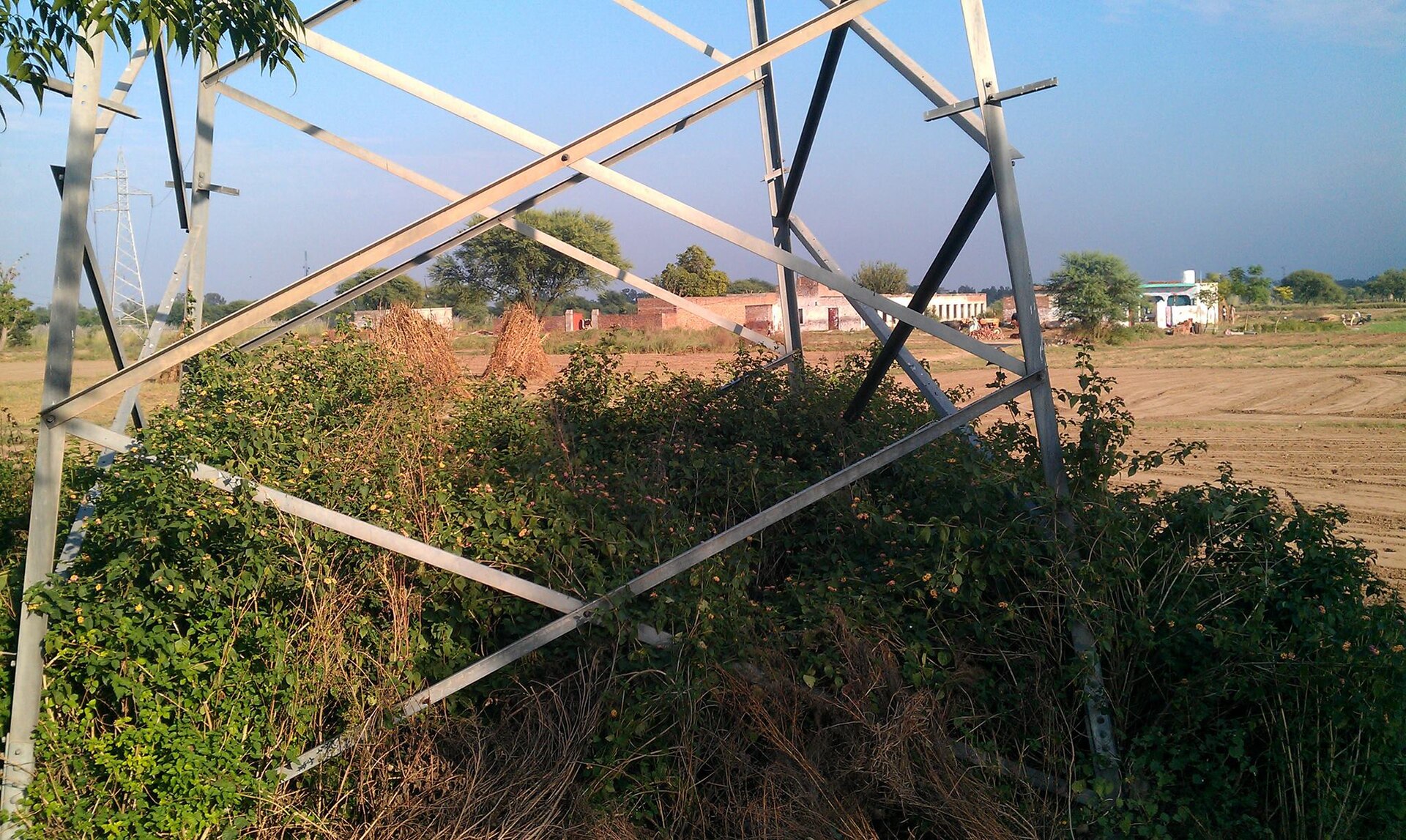
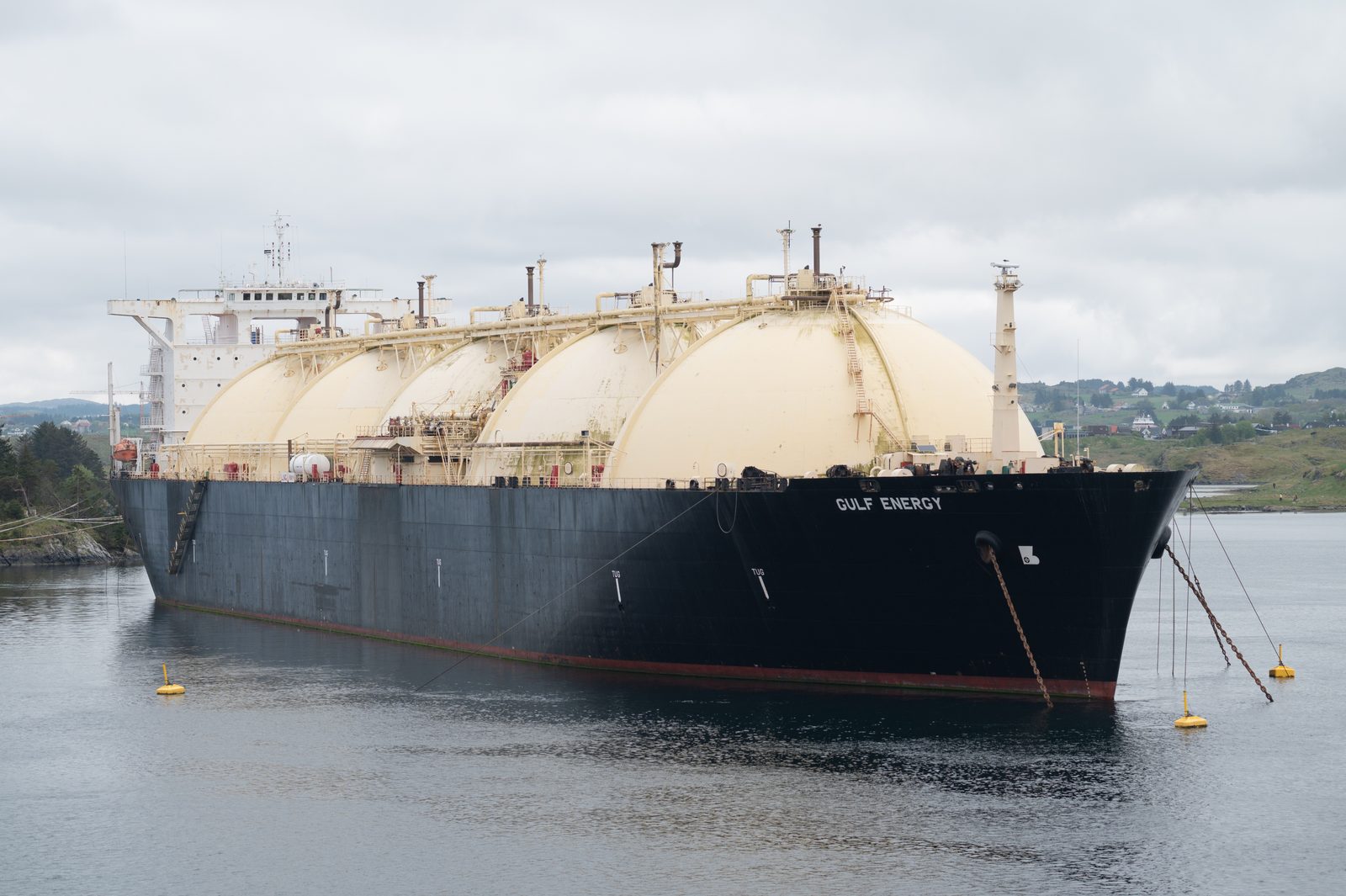
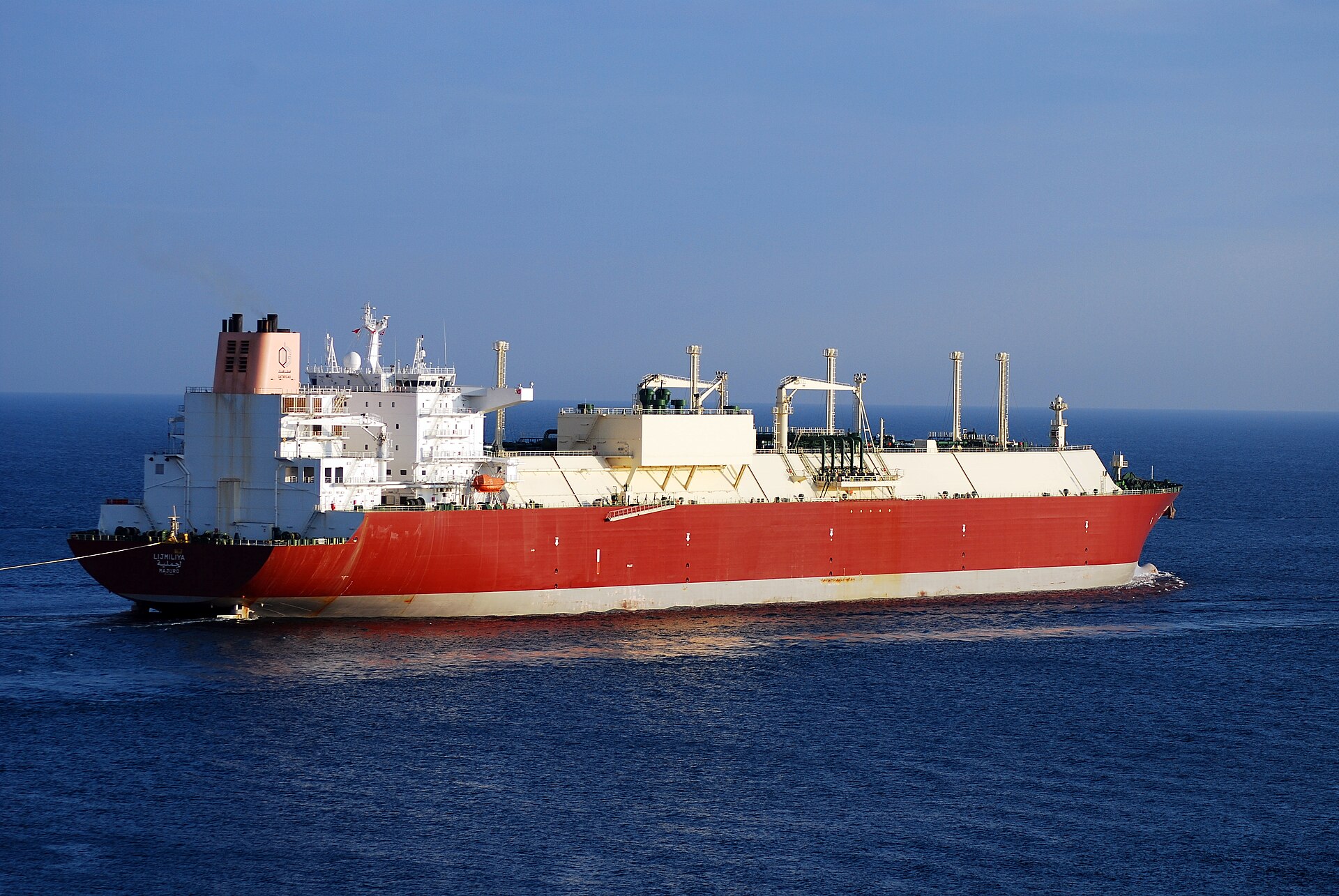
The federal government apologised for load shedding during night hours, attributing the disruption to the non-availability of contracted LNG from Qatar, which it said had left power plants with a combined capacity of about 5,000 megawatts unable to operate.
Federal Minister for Power Sardar Awais Ahmad Khan Leghari and Federal Minister for Petroleum Ali Pervaiz Malik set out the reasons for the shortage of re-gasified liquefied natural gas (RLNG) and the resulting load management in a joint video message.
What the ministers said
“There has been no shortage in supply during the day or night so far. However, due to increased demand during night hours, when the requirement cannot be met without RLNG-fired power plants, people are passing through a difficult time, for which I apologise,” Leghari said.
He said the government could buy LNG from the spot market to run the affected plants, but that prevailing international prices were too high because of the Iran-US conflict and the closure of the Strait of Hormuz. Passing on that cost would raise consumers’ electricity bills by Rs5–6 per unit, he added, saying the aim was to shield people from additional bills of thousands of rupees.
Leghari said diesel and coal-fired plants were being run at full capacity alongside hydropower, and that maximum available generation from the south was being transmitted north within the limits of the transmission network. There was no load shedding in HESCO because of supply constraints, he said, while load-shedding hours had been increased in areas with high distribution losses. He reiterated that Prime Minister Shehbaz Sharif had instructed that electricity prices should not be increased.
Petroleum Minister Ali Pervaiz Malik said a single LNG cargo that normally cost around US$30–35 million had risen to about US$75 million in the spot market. He said the fuel import bill was around US$1.3 billion during March–July 2026, and that the government had provided a subsidy of Rs130 billion on petroleum products to cushion consumers from volatile international prices. He said efforts were under way to restore Qatari gas supplies.
Why it matters
The statement points to the power system’s exposure to imported fuel and to the knock-on effects of the Gulf crisis on Pakistan’s energy costs. With contracted Qatari LNG unavailable, the government is caught between expensive spot cargoes that would feed into tariffs and night-time outages that it has publicly apologised for. The disruption follows an earlier RLNG shortage that cut about 3,600MW of generation and forced additional night-time load management, and it sits alongside a broader fuel-supply crunch linked to the Strait of Hormuz.
Sources & reporting notes
This is a summary of published reporting, not independent on-the-ground reporting. Facts and attributed statements are as carried by the cited sources, which were reviewed on 1 September 2026.
- Energy Update — "Govt apologises to nation for power loadshedding"1 September 2026 · The joint video message, the 5,000MW shortfall, the spot-market and unit-cost figures, the Rs130 billion subsidy and the efforts to restore Qatari supplies.
- Energy Update — "Govt blames war, closure of Strait of Hormuz for loadshedding"1 September 2026 · The government's attribution of the loadshedding to the regional situation and the closure of the Strait of Hormuz.