Reporting snapshot · 30 October 2026 (Asia/Karachi). Two official numbers published today measure different things — a weekly basket of 51 essentials in 17 cities and a monthly projection for the whole economy — so they are not competing inflation rates. The main limitation is that the weekly series covers urban markets only, and the retail prices described here come from one division of one province rather than from a national price survey.
What the government published today
On Friday 30 October the Pakistan Bureau of Statistics released its weekly Sensitive Price Indicator for the week ended 29 October. The combined index stood at 373.51 on a 2015-16 base of 100, the bureau reported, and its executive summary put the price of 51 essential items 11.32% above the same week a year earlier. The index fell 0.35% on the previous week, with prices rising for 15 of the 51 items, falling for 12 and holding steady for 24.
The same day the Finance Division’s Monthly Economic Update and Outlook put headline inflation for October 2026 in a range of 9.5% to 10.5%, with the path after that “sensitive to international energy prices, food supplies and base effects”, the ministry’s report said. Profit by Pakistan Today reported the same projection.
The two series are not interchangeable. The Sensitive Price Indicator is computed weekly on 51 essentials collected from 50 markets in 17 cities and weighted to the consumption pattern of the lowest spending group, while the monthly consumer price index covers 356 items in 68 urban markets and 244 items in 27 rural centres, the bureau’s price statistics section explains. A weekly essentials gauge can sit above a monthly national inflation rate without either figure being wrong.
Where the increase sits
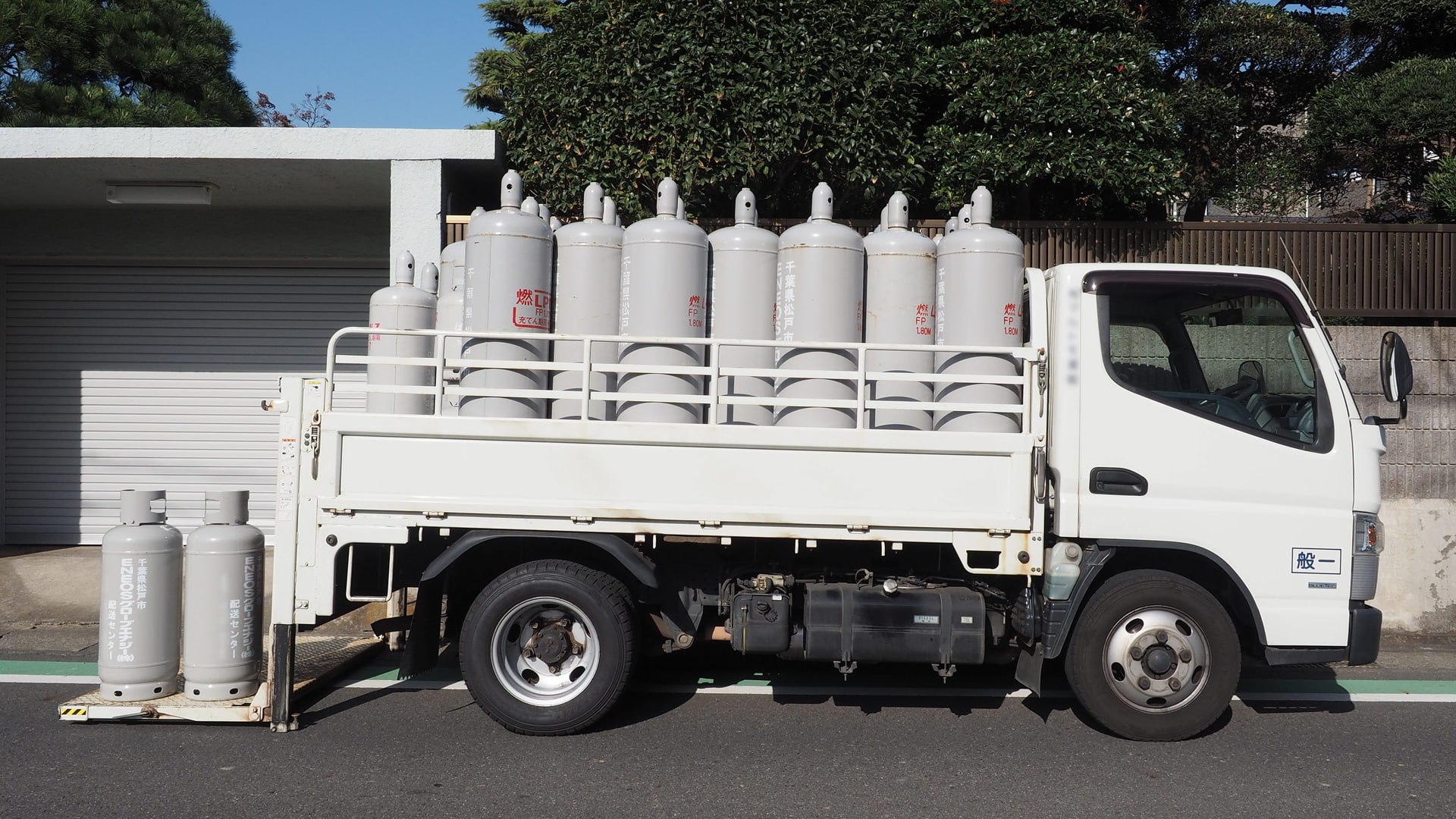
The composition matters more than the headline. The 11.67 kg LPG cylinder was priced at an average of Rs6,264.79 in the week to 29 October, 106.86% more than the Rs3,028.55 it cost a year earlier, and a 20 kg bag of wheat flour at Rs2,951.46 against Rs2,188.42, a rise of 34.87%, the executive summary recorded. Energy ran close behind: high-speed diesel at Rs402.08 a litre, up 45.13% year-on-year; petrol at Rs380.18, up 43.61%; and electricity for the lowest consumption band at Rs7.36 a unit, up 52.38%.
Meat, bread and vegetables moved in different directions. Farm broiler chicken stood at Rs431.15 a kilogram, 31.72% above the previous October; mutton at Rs2,401.65 a kilogram, 14.66% higher; beef with bone at Rs1,279.62, 12.10% higher; and a plain small loaf at Rs123.62, 12.26% higher. Potatoes, by contrast, were 38.67% cheaper than a year earlier, tomatoes 27.99% cheaper and eggs 26.70% cheaper.
The squeeze also falls unevenly. Across the bureau’s five spending groups, the lowest was 8.07% above a year earlier and the highest 12.13% above, and over the latest week the lowest group rose 0.07% while the highest fell 0.41%. Week-to-week movement is violent in both directions: tomatoes rose 34.91% in the week to 29 October after falling 21.99% the week before, while wheat flour fell 0.83% in the same week.
Why the government’s tools are not reaching the market
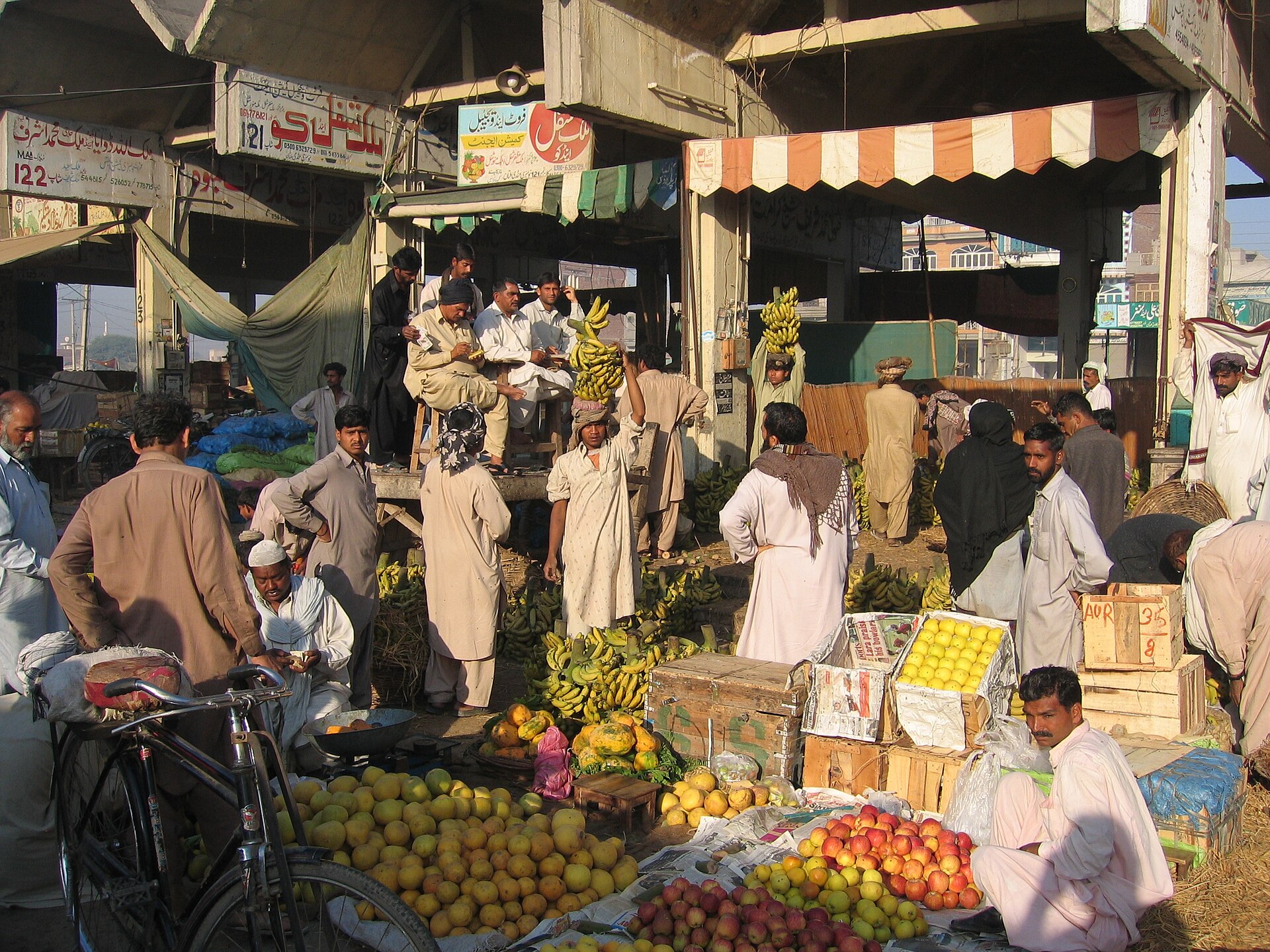
The main instrument the state has for the price of bread is a support price of Rs4,500 a maund for the Rabi 2026-27 wheat crop, which the Finance Division confirmed and KhabarWire reported when it was set. It has not reached the market floor. The Express Tribune’s Faisalabad report recorded wheat at Rs5,400 to Rs5,600 a maund in the open market against what it described as an official rate of Rs3,800 a maund, a 15 kg bag of fine flour above Rs2,500, mill flour at Rs165 to Rs170 a kilogram, onions at Rs180 to Rs200 a kilogram and peas at Rs500. Shoppers and a vegetable vendor said price-control magistrates and the Punjab Enforcement and Regulatory Authority Force had failed to hold official rates, and that the official price lists went unenforced in bazaars, temporary stalls and roadside outlets.
At Rs4,500 a maund the support price is about Rs112.50 a kilogram, so the Faisalabad open-market rate implies a premium of roughly 20% to 24% on the grain the government says it will buy. The national average implied by the bureau’s 20 kg flour bag, Rs147.57 a kilogram, sits below the Rs165 to Rs170 local-mill price reported in Faisalabad. The Rs3,800 official rate quoted in that report matches neither figure.
Why it matters for bills and for policy
The cost-push channel is visible in the same documents. Brent crude averaged $116.8 a barrel in September, 28.4% above August, the Food and Agriculture Organisation’s food price index rose 1.5% to 136.0 points, and Pakistan’s petroleum imports were 6.5% higher than a year earlier, the Finance Division reported. Transport prices rose 27.4% year-on-year in September, the month in which headline consumer price inflation eased to 10.3%, and the bureau’s average diesel price of Rs402.08 for the week to 29 October was collected in the week before the new rate of Rs400.67 took effect on 30 October, as KhabarWire reported.
The buffers are real but smaller than the price increases. Remittances rose 14.0% to $10.9 billion in the July-September quarter, goods exports rose 7.7% to $8.5 billion, the central bank’s liquid reserves stood at $21.5 billion on 16 October, and a $3.0 billion sovereign Eurobond was issued in September, the report said. The rupee closed at Rs276.8 to the dollar on 28 October. Against that, the Monetary Policy Committee raised the policy rate by 50 basis points to 12.0%, effective 27 October, and the report said targeted fuel subsidies were cushioning vulnerable households; Rs72.0 million was spent under the Benazir Income Support Programme in July and August, and the Pakistan Poverty Alleviation Fund disbursed 5,782 interest-free loans worth Rs430 million. Real growth for FY2026 was revised down slightly to 3.65%.
What is still uncertain
The monthly consumer price index for October has not been published, so 9.5% to 10.5% remains a projection, and it will not be directly comparable with a weekly urban essentials gauge. The wheat figures also remain unresolved: the Rs3,800 official rate quoted in the Faisalabad reporting is not reconciled in print with the Rs4,500 a maund the Finance Division says was fixed for Rabi 2026-27, so the size of the open-market premium over the support price cannot be settled from published accounts. Neither the weekly series nor the Faisalabad report is a national price survey, and the failure of enforcement is documented by named shoppers and a vendor rather than audited. The largest single mover, LPG at 106.86%, is a regulated cylinder price, and neither document says what the government has done about it; the cylinder fell 0.73% in the week to 29 October after a 22.44% rise the week before, so the direction is not yet clear. The next checkpoints are the October consumer price release, the start of the winter cooking gas season, and whether Punjab’s price-control magistrates act on the complaints recorded in Faisalabad.