Reporting snapshot · 27 October 2026 (Asia/Karachi). The relief policy the petroleum minister described had not been published, and the Rs11.047 trillion exemption total came from the Finance Ministry's reply to the house with no ministry document released. The main limitation is that OGRA has not notified a November price and the National Assembly was suspended for want of quorum on 26 October before adjourning to 11am on 27 October, so the parliamentary record may still move today.
What the government told parliament
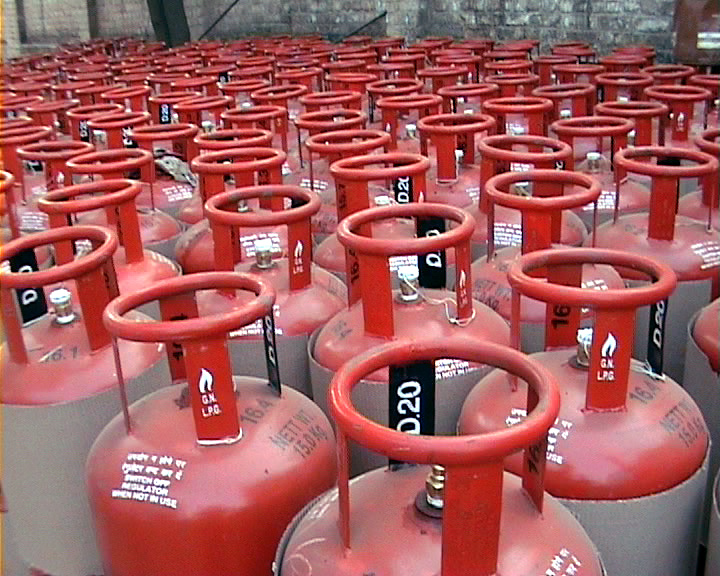
Pakistan’s government told the National Assembly on Monday, 26 October, that it was preparing a new policy to give low-income households relief on liquefied petroleum gas (LPG) prices, and disclosed in the same reply that Rs11.047 trillion of tax exemptions had been granted over the past five years. Federal Minister for Petroleum Ali Pervez Malik, answering a calling attention notice on LPG prices, said the closure of the Pakistan-Iran border was one of the main reasons prices had risen and that the government was trying to bring fuel in by sea, Dawn reported on 27 October. The Express Tribune reported the same sitting that the policy would be finalised within one to two days, that Prime Minister Shehbaz Sharif had held two to three meetings on LPG prices, and that the government was working towards a policy giving subsidised fuel to vulnerable households while keeping the market competitive.
The reply came four days after KhabarWire reported how far market rates had drifted above OGRA’s notified price.
The notice was jointly moved by MNA Aliya Kamran, Shahida Begum and Naeema Kishwar Khan, who described the increase in cylinder prices as a matter of urgent public importance. Aliya Kamran told the house that LPG was selling at Rs700 to Rs800 a kilogram in remote and northern areas against the official rate of Rs280 a kilogram set by the Oil and Gas Regulatory Authority (OGRA), Dawn reported. Naeema Kishwar asked why trade with Iran through the border had been suspended.
The exemptions disclosure was the larger number in the same answer. According to the Finance Ministry, as The Express Tribune reported, Rs11.047 trillion of exemptions was granted between fiscal years 2020-21 and 2024-25: Rs580 billion in income tax, Rs1.274 trillion in sales tax and Rs499 billion in customs duty, with the overall figure covering exemptions across the period. Those three components do not add up to the headline total, and no ministry table was released with the statement, so the sectors and beneficiaries behind the Rs11.047 trillion are not on the public record.
Malik also accepted that OGRA’s official price is Rs280 a kilogram and said that even during surplus supply the gas is nowhere sold at the government rate. The regulator’s own notified-prices record still lists October’s indigenous LPG notification as the most recent, so no November rate had been published by 27 October.
Why the border explanation is only part of the story
Malik told the house that 50 to 60 per cent of the LPG is imported from Iran and the rest comes from Qatar, and that Qatari supply has been suspended because of the United States-Iran war, Dawn reported. The Express Tribune added that the price of locally produced LPG is tied to the contract price set by Saudi Aramco, which has risen to $705 a tonne, that no policy is in place for imported supplies, that the government is examining arrangements to import from Oman and Saudi Arabia, and that the suspension of about 900 million cubic feet a day of gas from Qatar has forced the government to ration what is left, with demand for alternative fuels set to rise as winter approaches.
That account sits beside a supply picture that has been improving since the weekend. LPG importer Shaukat Isa Zai said about 400 LPG containers had entered Pakistan through the Taftan border and 1,300 through Gabd over the past two days, and that wholesale and retail rates could fall further if that flow continued, Geo News reported on 26 October. Senator Muhammad Abdul Qadir welcomed the reopening of the Gabd and Rimdan crossings for trade and urged swift clearance of LPG tankers. Iran’s ambassador to Pakistan, Reza Amiri Moghadam, said Tehran had imposed no restrictions on exports including LPG, and industry officials said Pakistan Today reported that additional Iranian cargoes should help stabilise the market.
The timing matters. The minister’s explanation rests on the closure that followed the 18 October suspension of trade, and LPG containers have been crossing again since the weekend, as KhabarWire reported on 21 October. If 1,700 containers have crossed in two days, the closure explains part of the squeeze rather than all of it.
The rate that has not held
The gap between OGRA’s rate and the market is the part of this story that has not changed. KhabarWire reported on 23 October retailers charging Rs550 to Rs750 a kilogram in northern markets, more than double the notified rate, and a planned enforcement drive against profiteering that had not begun because officials feared triggering supply strikes.
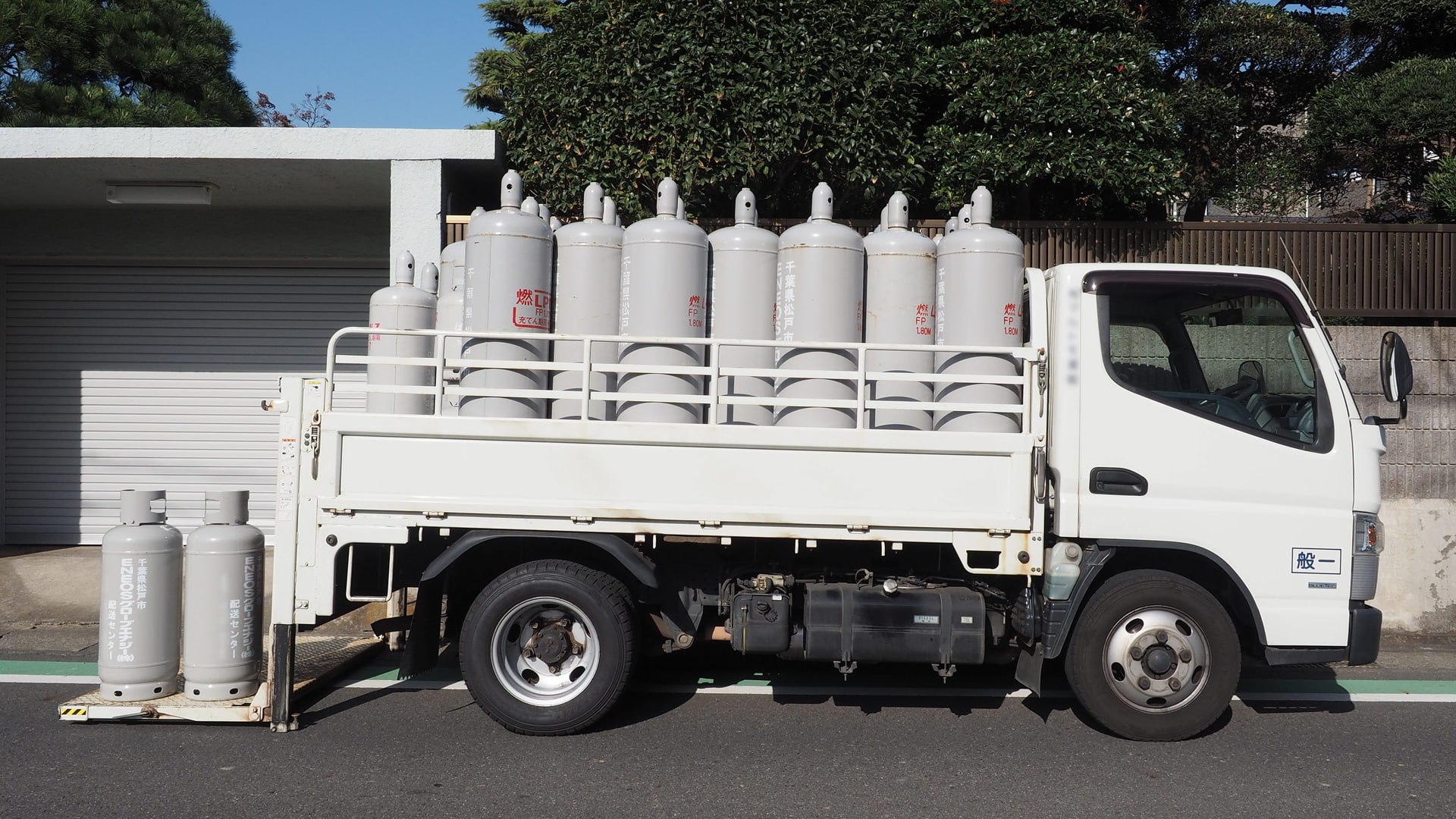
Malik’s own testimony concedes that the mechanism has failed. If LPG is not sold at the government rate even when supply is plentiful, Dawn reported, then relief for households depends on enforcement that has been announced before and delayed. In Lahore, the city district administration has not implemented the notified price and consumers have been paying about Rs600 to Rs700 a kilogram while Sui gas is available only during cooking hours, Dawn reported. Retailers, wholesalers and consumers staged a protest over the price days before that report, and an office-bearer of the Lahore LPG distributors association said 70 per cent of the fuel is imported and 30 per cent produced locally, and that a handful of traders control the business.
The import share is itself unsettled. The minister put Iranian supply at 50 to 60 per cent of the market, the distributors association said 70 per cent of LPG is imported without naming the source, and OGRA has published no import table to settle it.
What is still uncertain
The relief policy is still a promise. It was described in the house as due within one to two days of Monday’s sitting, and no text has been published: not the size of any subsidy, not who qualifies as a vulnerable household, and not whether relief would come through OGRA’s monthly notification or through a separate mechanism. Malik also warned that locally produced and imported LPG cannot be treated differently in the market, so OGRA enforcement could create further complications, The Express Tribune reported.
Two dates will test it. OGRA has yet to notify a November price, and the National Assembly was suspended for want of quorum on 26 October and adjourned until 11am on 27 October, Dawn reported, so the parliamentary record may still change today.
The exemptions total is the other open question. The Finance Ministry told the house that Rs11.047 trillion was given up over five years, but published no breakdown beyond three components that do not reach the headline figure. Until a ministry table is published, the scale of what the government has forgone cannot be weighed against the subsidy it now proposes to give back to households buying cooking gas. KhabarWire is following this file in our fuel and energy hub.