Reporting snapshot · 31 October 2026 (Asia/Karachi). The meeting on 30 October produced a statement of intent rather than a signed deal: no agreement, value or timetable has been published for the bonded storage scheme or the Hub complex, and the terms of the tax exemption have not been released. The main limitation is that both sides described what they want to build rather than what they have committed to, so what is actually agreed, and how quickly any of it could move oil, is still unclear.
What Pakistan and Saudi Arabia agreed on 30 October
On Friday, 30 October, Pakistan’s federal minister for petroleum, Ali Pervaiz Malik, met Saudi Arabia’s ambassador to Pakistan, Dr Rajeh bin Tami Al-Baqami, in Islamabad, and the two sides agreed to widen cooperation on oil storage, refinery upgradation, liquefied petroleum gas supplies and minerals, The Express Tribune reported. The Associated Press of Pakistan recorded the meeting in Islamabad, and Geo News reported the ambassador’s announcement that the Saudi embassy in Islamabad has introduced same-day processing of visa applications for Pakistani citizens, which he said would facilitate travel and strengthen business, cultural and people-to-people exchanges.
The substance sat in a statement from the petroleum ministry. Malik told the ambassador that Pakistan had approved a tax-neutral bonded storage policy, benchmarked against international energy hubs such as Fujairah and Singapore, under which Saudi companies can establish commercial oil storage facilities in Pakistan without local tax liabilities, Geo News reported. The Express Tribune carried the same wording from the ministry statement, and said the proposed Hub petroleum complex in Balochistan would have facilities to accommodate very large crude oil carriers, a detail Radio Pakistan reported.
Both accounts put the emphasis on storage rather than production. Malik said the framework would let Saudi firms hedge maritime transit risk around the Strait of Hormuz and Bab Al Mandeb, while giving Riyadh greater flexibility over supply routes and access to Asian markets, Geo News reported. He also said he had carried the Pakistani leadership’s message of solidarity to Prince Abdulaziz bin Salman Al Saud during a recent visit to Riyadh. The ambassador, in turn, said defence and energy cooperation between the two countries was aimed at peace, stability and economic development in the region.
The ambassador’s second meeting in two days was with Finance Minister Muhammad Aurangzeb, where the two discussed expanding economic cooperation in agriculture, minerals and mining, according to a finance ministry statement, The Express Tribune reported. Prime Minister Shehbaz Sharif had met the same envoy on 17 October and said Pakistan stood shoulder to shoulder with the kingdom in safeguarding sovereignty and territorial integrity.
What the bonded storage policy changes
A bonded warehouse is a place where goods can be stored without duties being paid until they are released for the domestic market, and the petroleum ministry’s proposal in May set out strategic oil reserves and bonded commercial storage in a document shared at the time with Saudi Aramco, ADNOC and Vitol, as KhabarWire reported at the time. What is new is that a policy has been approved and offered to Saudi companies, with a tax-neutral treatment rather than a proposal on paper.
The commercial logic runs both ways. Pakistan gains a place to hold oil outside the reach of a closed strait, and a second landing route for cargoes that now sail through waters where tankers have been struck by mines. Saudi Arabia, whose exports mostly head east, gains storage it can draw on when the Gulf route is contested, and a partner willing to build the tanks. Malik’s framing of the Hub site as a corridor serving Central Asian and Chinese markets, Geo News reported, reads as an attempt to make storage a service for neighbours rather than a buffer for one country.
Hub, the refinery programme and the route to Asia
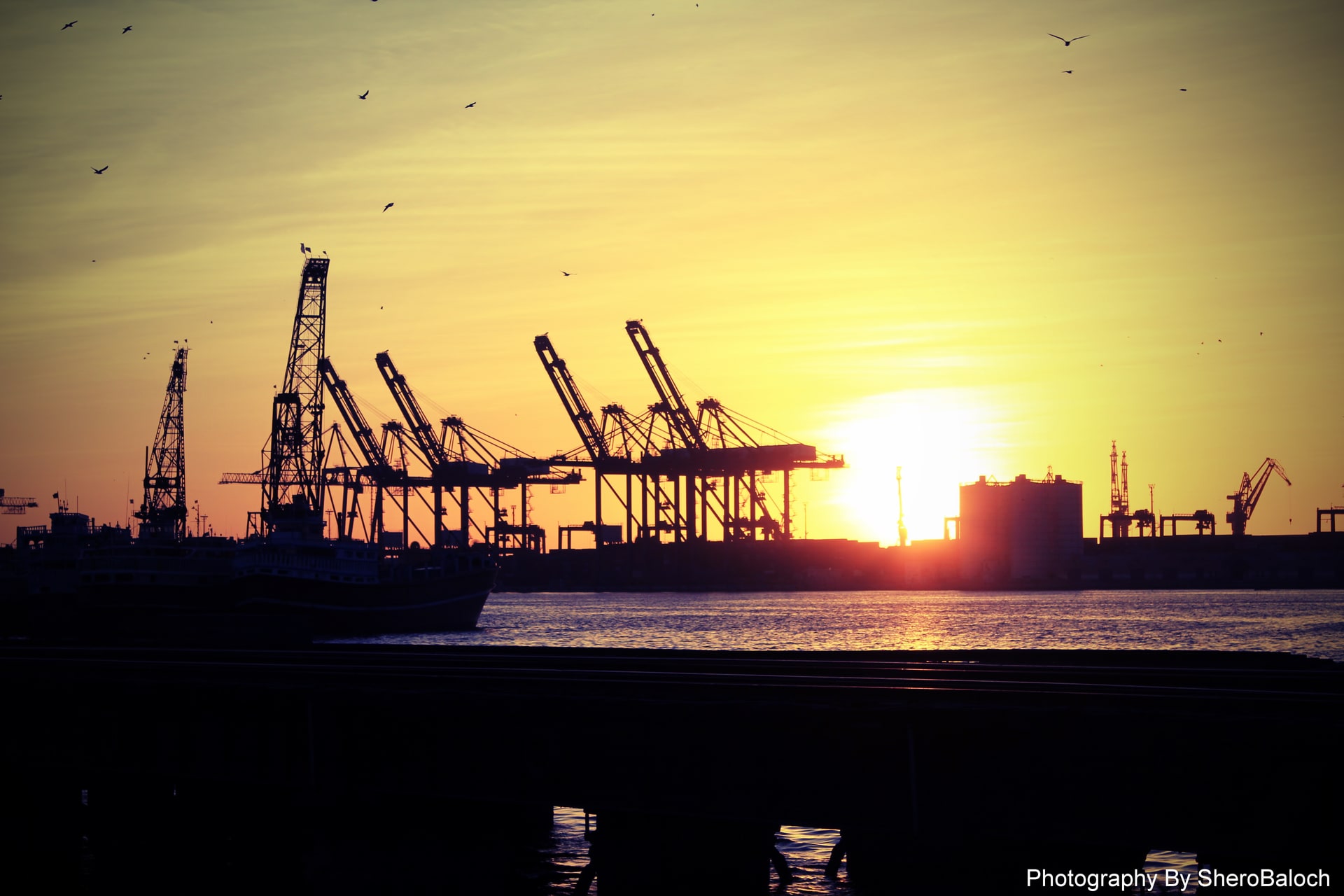
The larger prize Malik described is a petroleum storage and refining complex at Hub in Balochistan, developed under the guidance of Technip Energies UK. According to Geo News, the proposed facility, backed by the prime minister and the chief of defence forces, would be able to accommodate very large crude carriers and would strengthen Pakistan’s standing as a regional energy corridor serving Central Asian and Chinese markets.
Alongside it, Malik said Pakistan’s refinery upgradation programme, which aims to modernise domestic refining infrastructure, improve operational efficiency and move towards Euro 5 fuel standards, offered room for Saudi investment and participation. That is the same programme Pakistan put to the United States four days earlier, when the petroleum minister asked Washington to finance a $5bn upgrade and to consider long-term LNG supply, as KhabarWire reported on 27 October. Two external tracks on the same set of refineries are now open at once.
Cargoes, LPG and the winter supply question
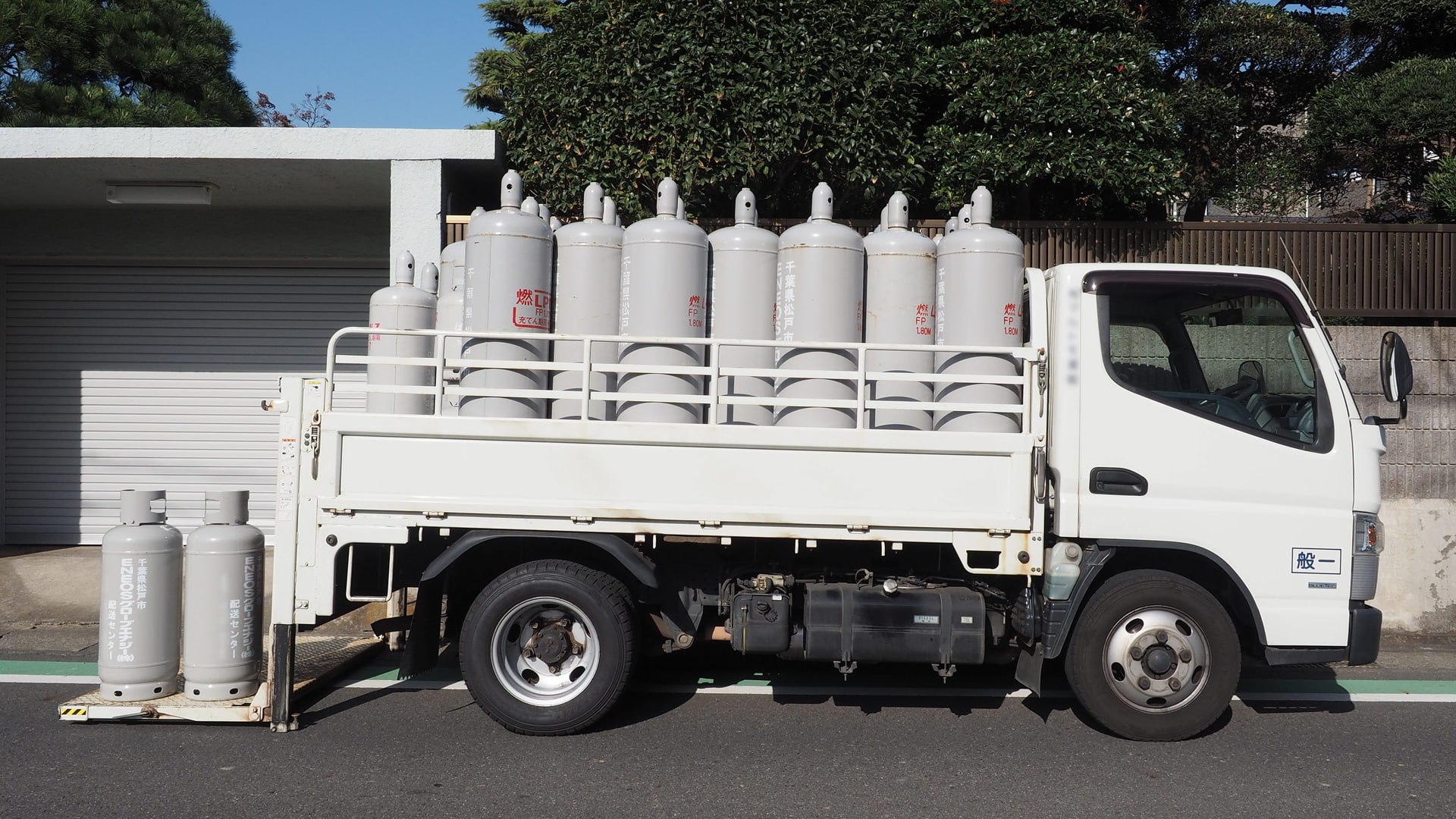
The part of the meeting with the shortest lead time was supply. Malik said the two sides discussed coordination with Saudi Aramco to explore expanded procurement of crude cargoes and dedicated shipments of liquefied petroleum gas, with domestic gas demand expected to rise in winter, Geo News reported. He also thanked Saudi authorities at Yanbu port for prioritising crude shipments to Pakistan.
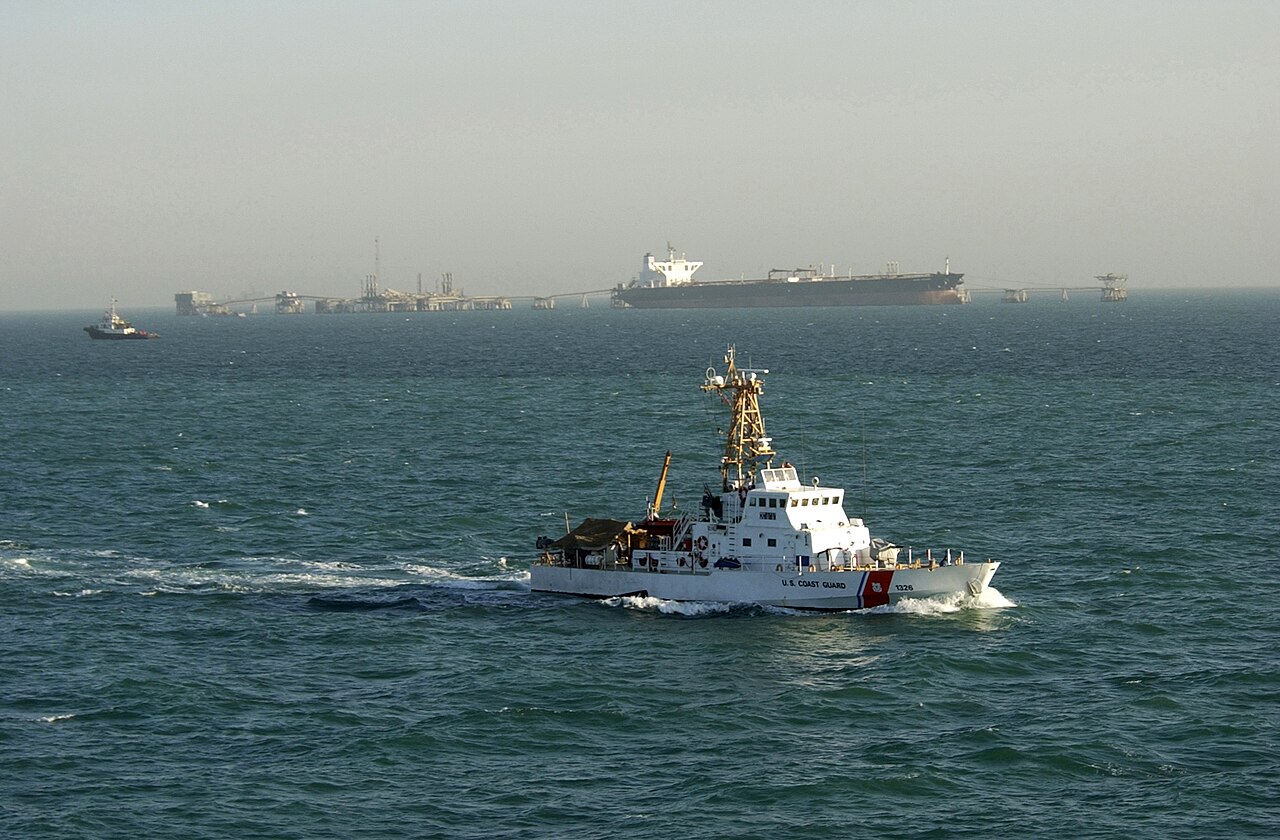
That matters because the Gulf route is under strain. Iran’s navy said two oil tankers caught fire after hitting mines in the eastern part of the Strait of Hormuz, the IRGC Navy said it stopped two tankers in the southern section and claimed a supertanker had caught fire after striking a naval mine, and Oman said it rescued 25 crew from a vessel targeted 196km off its Musandam coast, Al Jazeera reported.
The price has already moved: Brent crude rose 2.37% to $117.56 a barrel on Friday evening, on course for a fourth consecutive monthly gain, The Express Tribune reported. For Pakistani households, that has reached the pump: the Petroleum Division notified high-speed diesel at Rs402.96 a litre for 31 October to 2 November, a rise of Rs2.29, with petrol held at Rs377.91, The Express Tribune reported. Under the daily pricing regime, prices notified on a Friday are held across the weekend and the regulator publishes new ex-depot prices on Monday, Geo News reported, so the spike is locked into Saturday and Sunday.
What is still uncertain
Nothing binding has been signed. No text of the bonded storage policy has been published, no dollar figure, storage capacity or completion date has been attached to the Hub complex, and neither side has said how much oil might be stored in Pakistan or when. Malik said the two sides would explore expanded crude purchases and dedicated LPG cargoes with Aramco, which describes a negotiation rather than a contract.
Financing is the open question. A storage and terminal complex in Balochistan, a refinery upgrade programme and a steady flow of LPG cargoes all have to be paid for, and the 15-year deferred-payment oil facility Pakistan had sought from Saudi Arabia has itself been waiting to be revived, as KhabarWire reported on 14 October. The Pakistan Fuel and Energy hub tracks the pump prices, import arrangements and regional disruptions behind these decisions.