Reporting snapshot · 25 September 2026. The foreign ministers of Saudi Arabia, Türkiye and Pakistan met in New York on Thursday, 24 September, on the sidelines of the 81st session of the United Nations General Assembly, and agreed to arrange an urgent meeting of their chiefs of staff to discuss support for the kingdom under the Mecca Joint Defence Agreement. The decision came after Yemen's Houthis said they had fired dozens of missiles and drones at Saudi targets, with Saudi air defences intercepting six ballistic missiles and emergency alerts issued for Mecca, Jeddah and Yanbu. This account is a synthesis of the Saudi foreign ministry statement as reported by Al Jazeera, Geo News, Reuters and AFP; the timing and scope of the chiefs-of-staff meeting have not been announced.
What happened
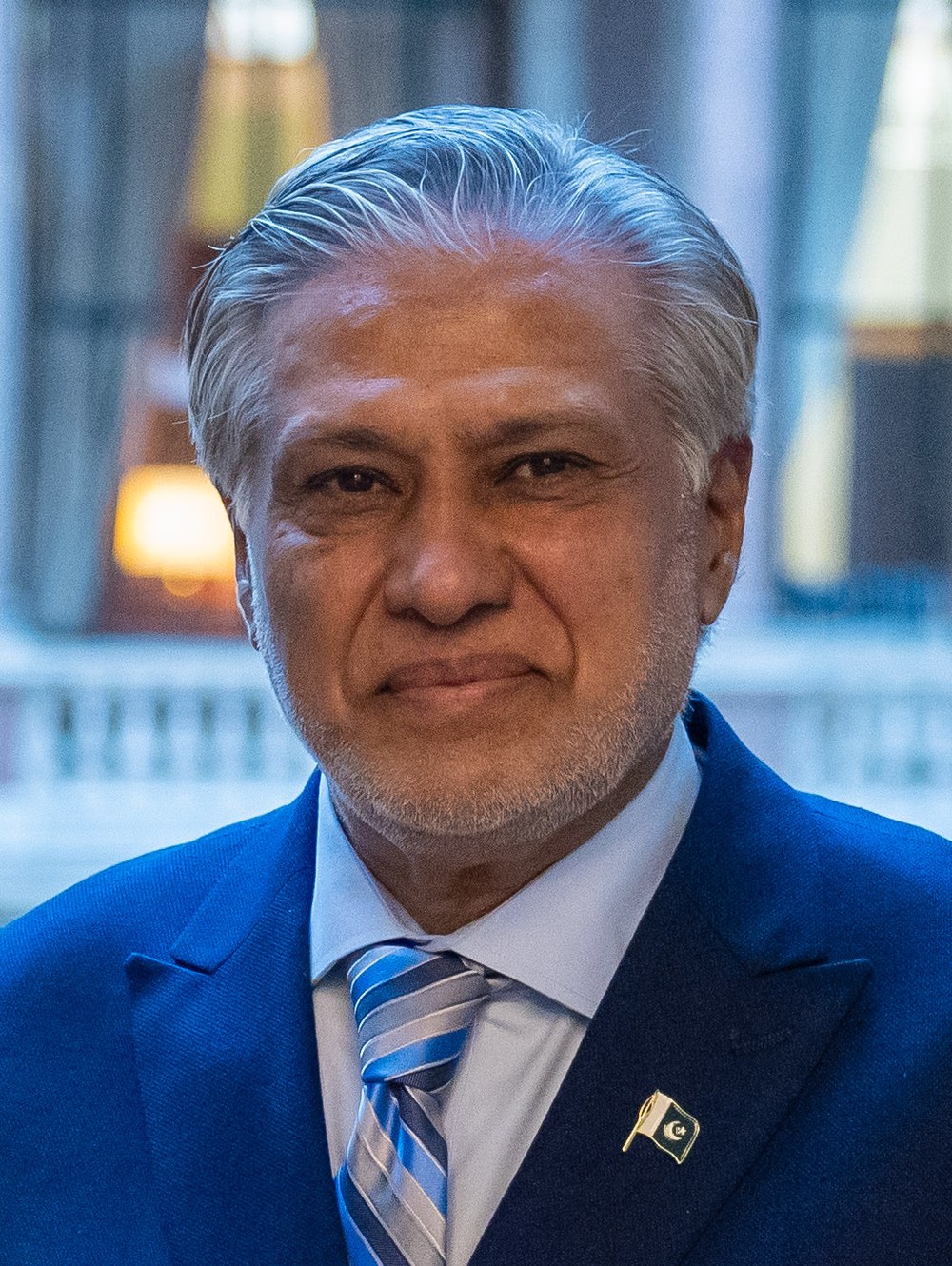
Saudi Arabia, Türkiye and Pakistan have agreed to hold an urgent meeting of their chiefs of staff to discuss ways to support the kingdom, under the framework of the Mecca Joint Defence Agreement, the Saudi foreign ministry said on Friday. The announcement followed a meeting in New York on Thursday between Saudi Foreign Minister Prince Faisal bin Farhan Al Saud, Pakistan’s Deputy Prime Minister and Foreign Minister Ishaq Dar and Turkish Foreign Minister Hakan Fidan, on the sidelines of the 81st session of the United Nations General Assembly, Al Jazeera reported.
According to the statement carried by the Saudi Press Agency and reported by Geo News, the three ministers condemned attacks targeting Mecca and other civilian and economic facilities in Saudi Arabia, affirmed the kingdom’s right to defend itself under Article 51 of the UN Charter, and discussed arrangements for “an urgent meeting of the chiefs of staff of the three countries to discuss ways to support Saudi Arabia under the Mecca Joint Defence Agreement, which stipulates that an attack against any one of the parties constitutes an attack against all parties”. In a post on X, Mr Dar said the three diplomats also reviewed progress towards establishing the institutional structures under the agreement.
The attack that triggered the meeting
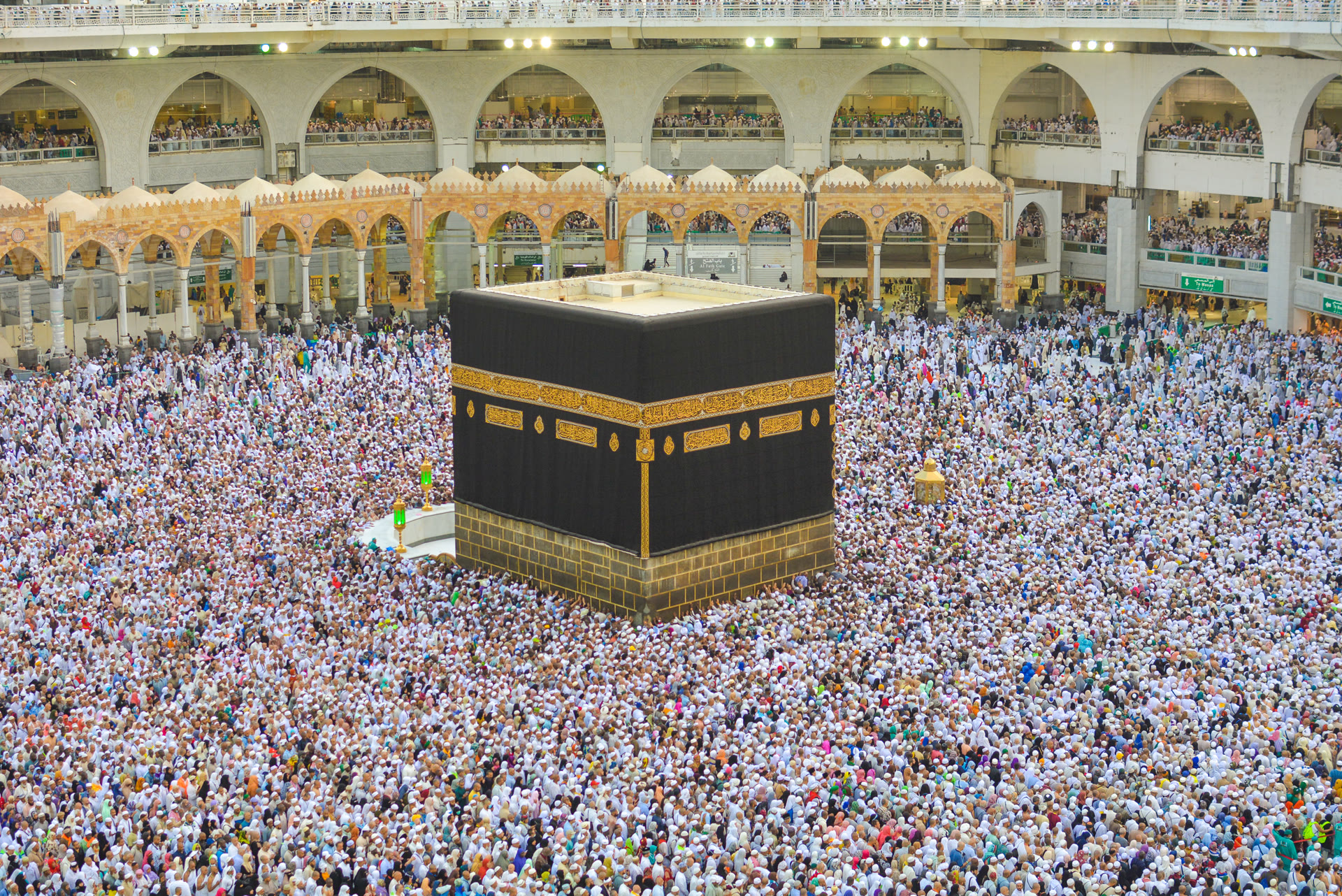
The decision came as Saudi Arabia reported a fresh wave of attacks from Yemen. The Houthis said they had fired dozens of missiles and drones at Saudi targets on Thursday, while Saudi authorities said their air defences had intercepted six ballistic missiles launched by Houthi fighters, Reuters reported. Coalition spokesman Major-General Turki al-Malki said the missiles were aimed at Taif and the Yanbu area on the Red Sea and that further escalation would be “dealt with firmly”. Saudi Civil Defence had issued emergency alerts for several areas, including the holy city of Mecca, Jeddah and Yanbu — the kingdom’s main Red Sea oil port — before later saying the danger had passed, The Guardian reported.
The Houthis separately claimed missile and drone attacks on a “sensitive target” in the capital Riyadh and on Saudi Aramco facilities in Yanbu. The claims could not be independently verified, and Saudi authorities said the six missiles had been intercepted with no confirmed casualties or damage.
Saudi Arabia’s Grand Mufti, Sheikh Saleh bin Fawzan Al-Fawzan, called on Saudi and allied forces to remain united and steadfast while confronting the Houthi attacks, and condemned the group as a threat to the kingdom’s peace and stability, Geo News reported. Reuters reported that the kingdom’s top religious authority had told soldiers to be ready to lay down their lives to fight the Houthis until the group is ousted from power.
A pact moving from signature towards activation
The agreement was signed by Pakistan, Saudi Arabia and Türkiye in Mecca on 7 August, under an arrangement in which an armed attack against any one signatory is treated as an attack against all three, as KhabarWire reported. The three countries held the first meeting of the Strategic Political and Defence Committee in Istanbul on 31 August, agreeing to establish a secretariat in Saudi Arabia, initially led by a secretary general from Pakistan for a three-year term.
Thursday’s meeting was the first trilateral ministerial consultation since Istanbul, and the decision to arrange an urgent chiefs-of-staff meeting is the clearest sign yet that the pact’s collective-defence clause could move towards operational planning. The Saudi foreign ministry said the ministers also reviewed progress on the General Secretariat, the committees and the working groups emerging from the agreement. France’s President Emmanuel Macron said on Thursday that Paris would send “military assets, meaning soldiers, radars and defence systems” to help protect Yanbu, Al Jazeera reported.
What it means for Pakistan
For Islamabad, the meeting is the most concrete step yet under a pact to which it is a co-signatory. Pakistan has repeatedly pledged to defend Saudi Arabia, with the Director General of Inter-Services Public Relations saying on 18 September that the commitment was “unconditional” and that Islamabad would go “to any extent” to defend the kingdom, as KhabarWire reported. Under the bilateral arrangement signed in 2025, Pakistan deployed roughly 8,000 troops, a squadron of JF-17 fighter jets, drones and an HQ-9 air-defence system to Saudi Arabia in May, according to Reuters reporting at the time.
The escalation carries direct consequences for Pakistan’s economy. The Houthi attacks and Iran’s effective closure of the Strait of Hormuz have pushed oil prices sharply higher, and the earlier missile strike on Riyadh on 19-20 September — the first on the Saudi capital since July, which KhabarWire covered — has kept markets on edge. Higher oil prices feed directly into Pakistan’s fuel costs, import bill and inflation, while the roughly two million Pakistanis working in the Gulf are exposed to any regional escalation.
The regional context is broad. The wider Middle East war began with United States and Israeli strikes on Iran in February. While Washington and Tehran have largely stood down from direct combat, Iranian allies remain engaged — Hezbollah confronting Israel in Lebanon and the Houthis advancing in Yemen, where they have seized swathes of the Red Sea coast, including Mocha and strategic islands, strengthening their position around the Bab al-Mandeb strait. The United Nations said more than 230,000 people have been displaced in Yemen since early September, on top of about 5.2 million already internally displaced. Fighting across several fronts killed at least 150 Houthi fighters and members of government-aligned forces in the 24 hours into Friday, an AFP tally putting 98 on the government side and 52 on the Houthi side.
What is still uncertain
The most important open questions are when the chiefs of staff will meet and what form of support could be considered. The Saudi statement did not say whether the three militaries are discussing new deployments, air-defence systems, or other measures, and no country has publicly committed additional military assistance to Saudi Arabia in response to the latest attacks.
The Houthis’ claims of striking Riyadh and Yanbu could not be independently verified, and Saudi authorities said the missiles had been intercepted. Iran’s President Masoud Pezeshkian sought on Thursday to distance Tehran from the Houthis, telling Fox News that “the Houthis are responsible for their own actions”, but the group has continued its attacks regardless. Whether the pact’s collective-defence clause moves from planning to activation, and how far the trilateral response goes, will depend on decisions that have not yet been made public.
Sources & reporting notes
This is a synthesis of published material, not eyewitness reporting. Sources were reviewed on 25 September 2026. The account of the foreign ministers' meeting and the chiefs-of-staff decision rests on the Saudi foreign ministry statement as reported by Al Jazeera, Geo News, Reuters and The Guardian. The Houthis' attack claims are attributed to the group and have not been independently verified.
- Al Jazeera English — Saudi, Turkish, Pakistani chiefs plan urgent talks amid Yemen fighting25 September 2026 · The foreign ministers' UNGA meeting, the Saudi Press Agency statement, the Article 51 affirmation, the six intercepted missiles, the Grand Mufti's call and France's offer for Yanbu.
- Geo News — Makkah pact: Pakistani, Turkish, Saudi FMs discuss security issues on UNGA sidelines25 September 2026 · Independent report of the meeting, Ishaq Dar's remarks, the chiefs-of-staff arrangement and the Grand Mufti's appeal for unity among allied forces.
- The Guardian — Saudi Arabia intercepts wave of Houthi missiles as oil climbs to one-week high25 September 2026 · Independent confirmation of the six intercepted missiles aimed at Taif and Yanbu, the Saudi foreign ministry statement on the chiefs-of-staff meeting, and the oil-price impact.
- Reuters (via The Straits Times) — Allies unite behind Saudi Arabia as Houthis step up attacks25 September 2026 · The Saudi foreign ministry statement, the Grand Mufti's call to troops, the Houthi barrage and Pezeshkian's distancing remarks.