Reporting snapshot · 19 October 2026 (Asia/Karachi). Houthi ballistic missiles struck the al-Alam military camp in Shabwa on 19 October, and the provincial government said 53 people were killed and 200 wounded. Casualty figures were still being revised on Monday evening. This account rests on Reuters, The Associated Press and Al Jazeera, which drew on the provincial government, Yemeni military officials and Houthi statements. No publicly accessible primary record of the strike was available when this article was prepared, and the toll may change.
What happened
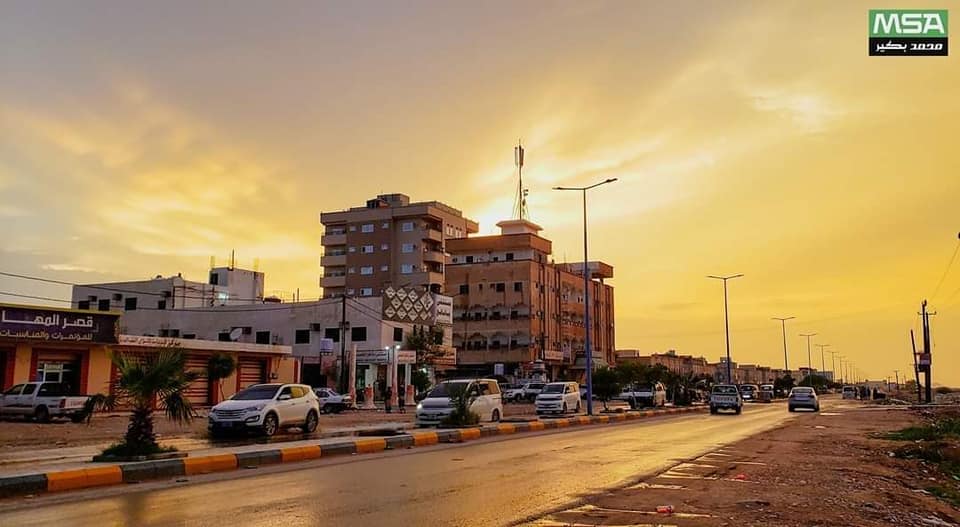
Three ballistic missiles struck the al-Alam military camp in Jardan district, Shabwa province, on Monday morning as new recruits for Yemen’s internal security forces were in training. The Shabwa provincial government said 53 people were killed and 200 wounded, according to The Associated Press and Reuters. The count rose during the day: Al Jazeera reported an initial 18 dead and more than 30 wounded, then 53 dead and 200 injured after local authorities updated their figure. The provincial government said the toll was preliminary.
The Houthis claimed responsibility. A Houthi military spokesman, Yahya Saree, described the camp as a “Saudi-backed” base and said such sites would remain legitimate targets, Al Jazeera reported. Yemeni military officials said the missiles hit while recruits were lining up for a training session. One official, speaking on condition of anonymity, said the camp held new members of the internal security forces.
Shabwa’s provincial government called the attack “bloody” and “treacherous” and asked Yemen’s president, the Saudi-led coalition and the government to speed up air-defence and early-warning support. Rashad al-Alimi, head of Yemen’s Presidential Leadership Council, promised a “firm response” and said the strike reflected the Houthis’ approach of turning to attacks when under pressure.
Why the toll matters
The strike is one of the deadliest single attacks since fighting in Yemen intensified this year, and it lands at a delicate point in the wider war. The Houthis have spent recent weeks demonstrating that they can reach Saudi cities and oil infrastructure: they struck Riyadh’s King Khalid International Airport this month and have targeted Saudi Aramco facilities. On Monday, Saudi authorities sent a “hostile aerial threat” alert to residents of Riyadh, Al Jazeera reported.
The attack also shows the war’s shift toward the Red Sea coast. The Houthis seized territory near the Bab el-Mandeb strait in September. Yemen’s Saudi-backed government responded with a counteroffensive, called “Dawn of Yemen”, aimed at recapturing territory, including the capital Sanaa. Shabwa, an energy-rich province that hosts the Balhaf liquefied natural gas facility, is part of that contested ground. The camp attack does not change the map by itself, but it raises the cost of the government’s counteroffensive and signals that the Houthis can strike rear positions.
The human cost is likely to be political. The recruits were not elite units; they were new members of the internal security forces in training. That makes the strike a direct challenge to the government’s ability to rebuild its forces and to the Saudi-led coalition’s promise to protect them. Al-Alimi’s call for a “firm response” and Shabwa’s request for air defence put pressure on Riyadh to retaliate, which in turn increases the risk of another cycle of strikes on Saudi territory.
Does it trigger the Makkah pact?
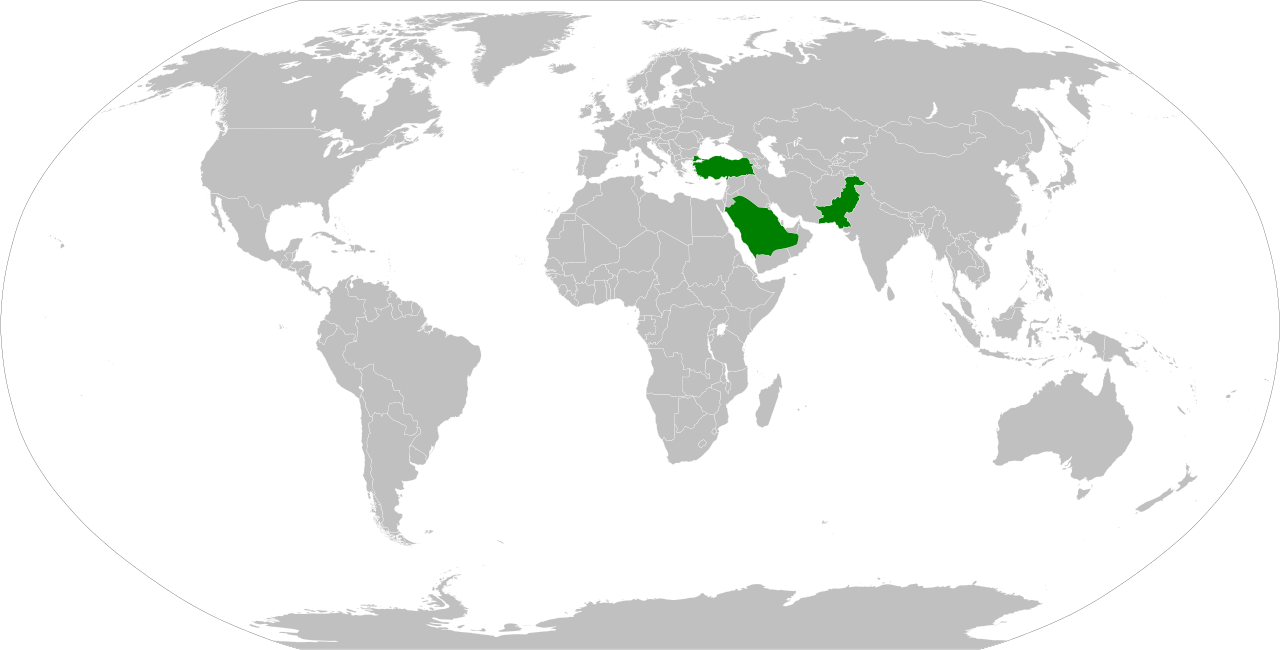
The attack does not, by itself, trigger the collective-defence clause of the Makkah Joint Defence Agreement. The pact, signed by Pakistan, Saudi Arabia and Turkiye on 7 August, treats an armed attack on one member as an attack on all three. But the target here was a Yemeni government camp, not Saudi territory, and there is no public evidence that Saudi forces were present. That distinction matters for Islamabad: it means Pakistan’s treaty obligation is not engaged by Monday’s strike, even as the wider conflict that the pact is meant to deter becomes more dangerous.
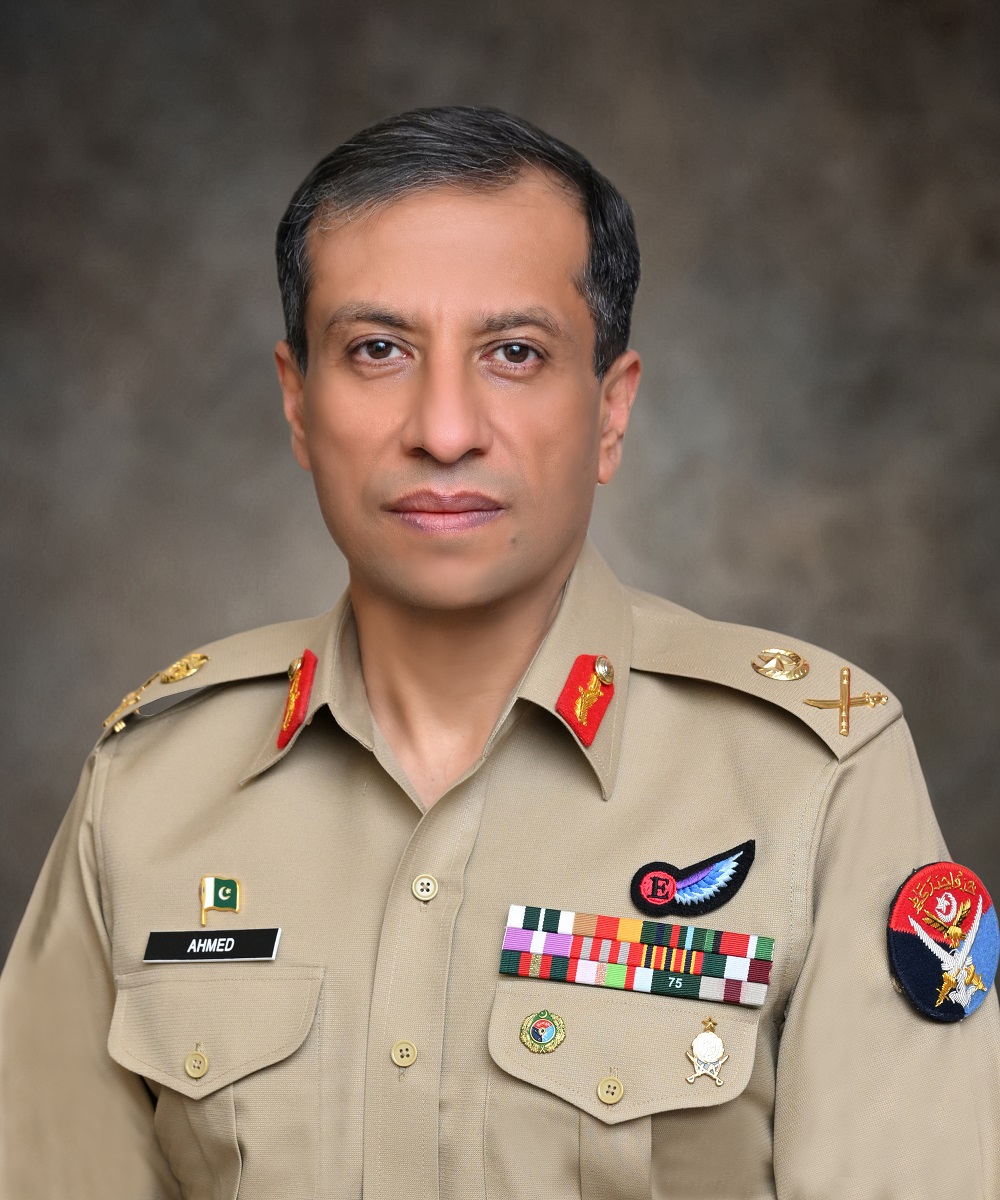
Pakistan’s public position has two parts. On 9 October, the Foreign Office said Pakistani forces under the pact would defend Saudi territory but would not cross into Yemen. On 19 October, the Director-General of Inter-Services Public Relations, Lieutenant General Ahmed Sharif Chaudhry, said Pakistan would “evaluate” any direct military request from Yemen’s internationally recognised government and that the pact’s “instrument of collective deterrence will definitely come into play” if diplomacy fails. He did not announce a deployment, a force package or a change to the cross-border limit. No formal Yemeni request has been confirmed.
Those statements are best read as deterrence signals, not as a decision to enter the Yemen war. The al-Alam strike creates the kind of pressure that could change that calculation: if Riyadh concludes that its own territory is next, or if Yemen’s government formally asks for help, Pakistan’s commitment could be tested. But the sequence matters. A Houthi attack on a Yemeni camp is not the same as an attack on Saudi Arabia, and Pakistan has not said it would join offensive operations inside Yemen.
What is still uncertain
The casualty figures are preliminary and may rise. Reuters and AP both reported 53 dead and 200 wounded, but the provincial government said the count could change; Al Jazeera’s earlier figures were lower. The exact number of missiles, the sequence of the attack and whether the camp had any air-defence cover have not been independently established.
It is also unclear how Saudi Arabia will respond. The Saudi-led coalition has not announced retaliation for Monday’s strike. A day earlier, an airstrike blamed on Saudi-led forces killed at least nine people, including five children and two women, in the Houthi-held northern province of Saada, according to the Houthi-run health ministry; there was no immediate Saudi comment. That attack will shape how the Houthis frame any further escalation.
For Pakistan, the open questions are whether Yemen’s government makes a formal request, whether the Makkah alliance meets at a senior level, and whether the next sign of implementation is defensive — air defence and early warning for Saudi cities — or something closer to combat. The DG ISPR’s interview suggests the alliance wants to keep the ambiguity. Monday’s strike makes that ambiguity harder to sustain.
Sources & reporting notes
This is a synthesis of published material, not eyewitness reporting. Sources were reviewed on 19 October 2026.
- The Associated Press — Houthi rebels strike Yemen's government forces with ballistic missiles, killing at least 5319 October 2026 · The provincial government's 53 dead and 200 wounded toll, the recruitment and training context, al-Alimi's response, the Saada airstrike and the wider war's background.
- Reuters — Houthi attack kills 53 at Yemen government training camp, officials say19 October 2026 · The local authority's casualty figure, the three ballistic missiles, Reuters-verified video from Shabwa, the Bab el-Mandeb campaign and Shabwa's Balhaf gas facility.
- Al Jazeera — Houthi attack on Yemen army camp in Shabwa reportedly kills at least 5319 October 2026 · The initial and revised tolls, Yahya Saree's claim and threat, the Riyadh air-raid alert, the Dawn of Yemen operation and al-Alimi's "firm response".
- Geo News — Pakistan may review military help to Yemen if requested, says ISPR chief amid Houthi attacks on Saudi Arabia19 October 2026 · The DG ISPR's statement that Pakistan would evaluate a Yemeni request and that the Makkah pact's collective deterrence would come into play if talks fail.