Reporting snapshot · 18 November 2026 (Asia/Karachi). The sentence was handed down in Brooklyn on Tuesday and the Department of Justice's account is the most detailed public record of the case. The defendant's own account survives only in summaries of his trial testimony, no Pakistani reaction had been published when this was written, and the parallel case against Nikhil Gupta is still before a US court, with sentencing set for 20 November.
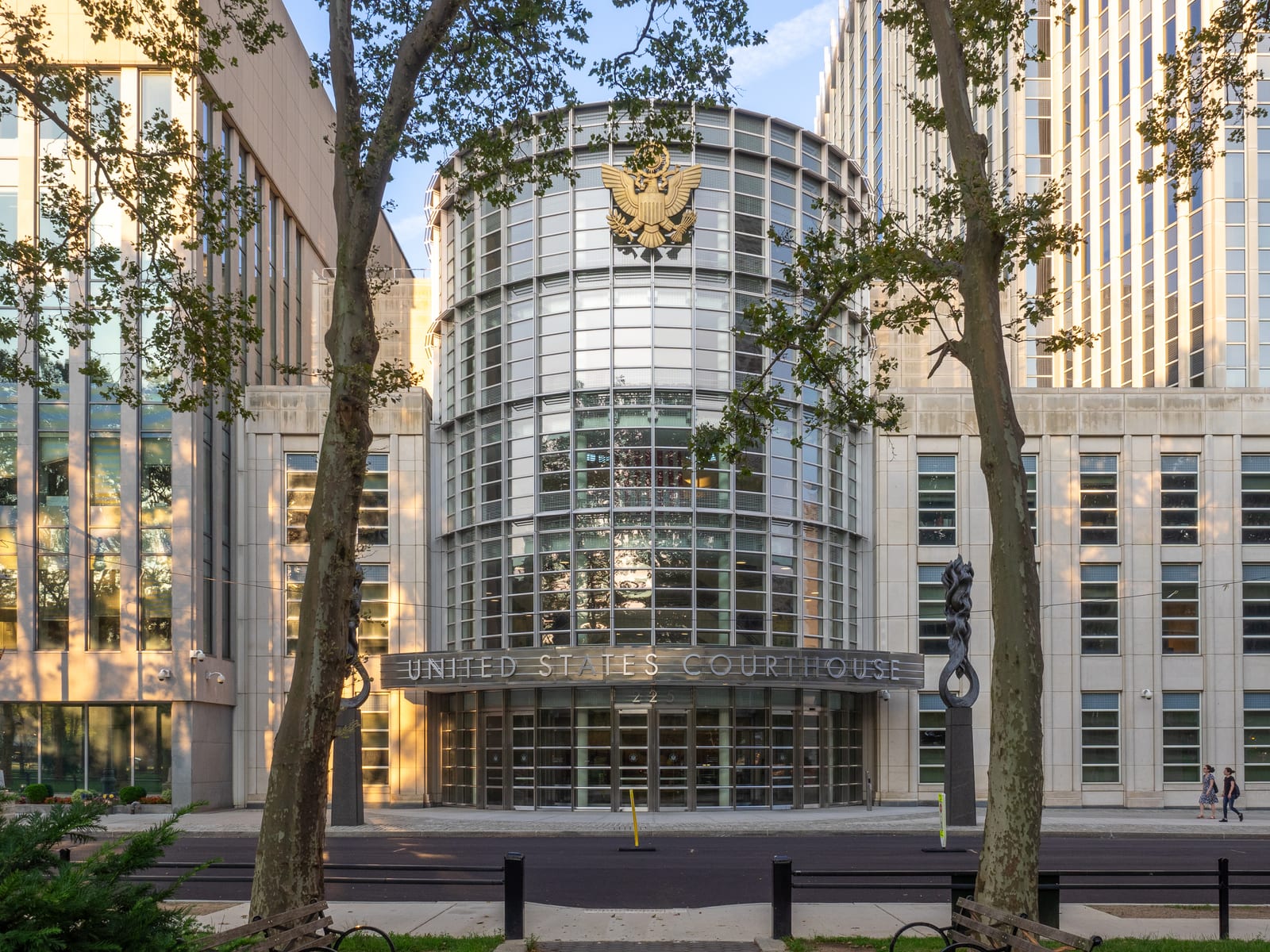
A Brooklyn federal judge sentenced Asif Merchant to 330 months in prison, 27 years and six months, on Tuesday for attempting to commit an act of terrorism transcending national boundaries and murder for hire, the United States Attorney’s Office for the Eastern District of New York said in a statement published on 17 November. Merchant, 48, is a Pakistani national whom prosecutors describe as a trained operative of Iran’s Islamic Revolutionary Guard Corps, and a federal jury convicted him in March of travelling to the United States to arrange political assassinations on American soil.
The Department of Justice said Merchant was recruited in about 2022 by an IRGC handler whom prosecutors identify as Yousef Merhardad, and met him roughly 15 times in Tehran over a year and a half from 2023, when he was trained in counter-surveillance. He flew to the United States in April 2024 to carry out the plot. Prosecutors said Merchant believed the ultimate target was Donald Trump; he told the court his handler had mentioned three people, and said other possible targets included then-President Joe Biden and former UN ambassador Nikki Haley, who had run against Trump for the Republican nomination that year. The motive, which Merchant admitted at trial, was Iran’s desire to avenge the killing of IRGC commander Qasem Soleimani in a US drone strike in January 2020.
US District Judge Eric R. Komitee said “not many charges … are more serious than the contemplated, targeted killing of a US president or other senior government official” as he read out the sentence, the DW reported. Attorney General Todd Blanche said the Department of Justice “will not tolerate foreign terrorist plots against our leaders”, and US Attorney Joseph Nocella Jr. said Iran and its proxies should recognise the case as an example of American law enforcement’s strength, in the prosecution’s statement. Principal Deputy Attorney General M. Scott Proctor put the motive plainly: the IRGC sent Merchant to avenge Soleimani. Tehran continues to deny that it targeted American officials, the BBC reported.
How an informant and three undercover agents built the case
In April 2024, an acquaintance Merchant approached to help with the plot reported him to the FBI and went on to serve as a confidential informant, the Department of Justice said. A video recording introduced at trial shows Merchant describing the plan to that informant and mapping out the murder of a politician at a political rally. Merchant then met three times with people he believed were criminals he could hire to carry out the attack, and all three turned out to be undercover FBI agents. He paid them $5,000 as an initial payment, money obtained with the assistance of relatives overseas, according to the prosecution.
Evidence recovered from Merchant’s laptop, cellphones and social media accounts showed his focus on the 2024 presidential election, the Department of Justice said, including internet searches about campaign rallies and a Google Maps search for the location of a Trump rally in New Jersey. His posts praised Soleimani and targeted President Trump. The Attorney General’s Office credited FBI field offices in New York, Dallas, Houston, Tampa, Chicago and Boston, with assistance from Customs and Border Protection. Merchant was arrested in Texas on 12 July 2024 as he planned to leave the country, the Guardian reported, a day before the shooting at a Trump rally in Butler, Pennsylvania, DW reported.
What Merchant told the jury
Merchant testified that he joined the IRGC’s operation and that his handler knew where his relatives in Iran lived and could reach them, leaving him, he told the court, with “no other option”, the BBC reported. The Guardian reported that he said he was never ordered to kill a named individual, but that his Iranian contact mentioned three people. DW reported that he told jurors he assumed American authorities would foil the plan, that he intended to cooperate, and that he might get immigration help as a reward; the BBC, citing CBS, reported that he had hoped cooperation would help him obtain a green card.
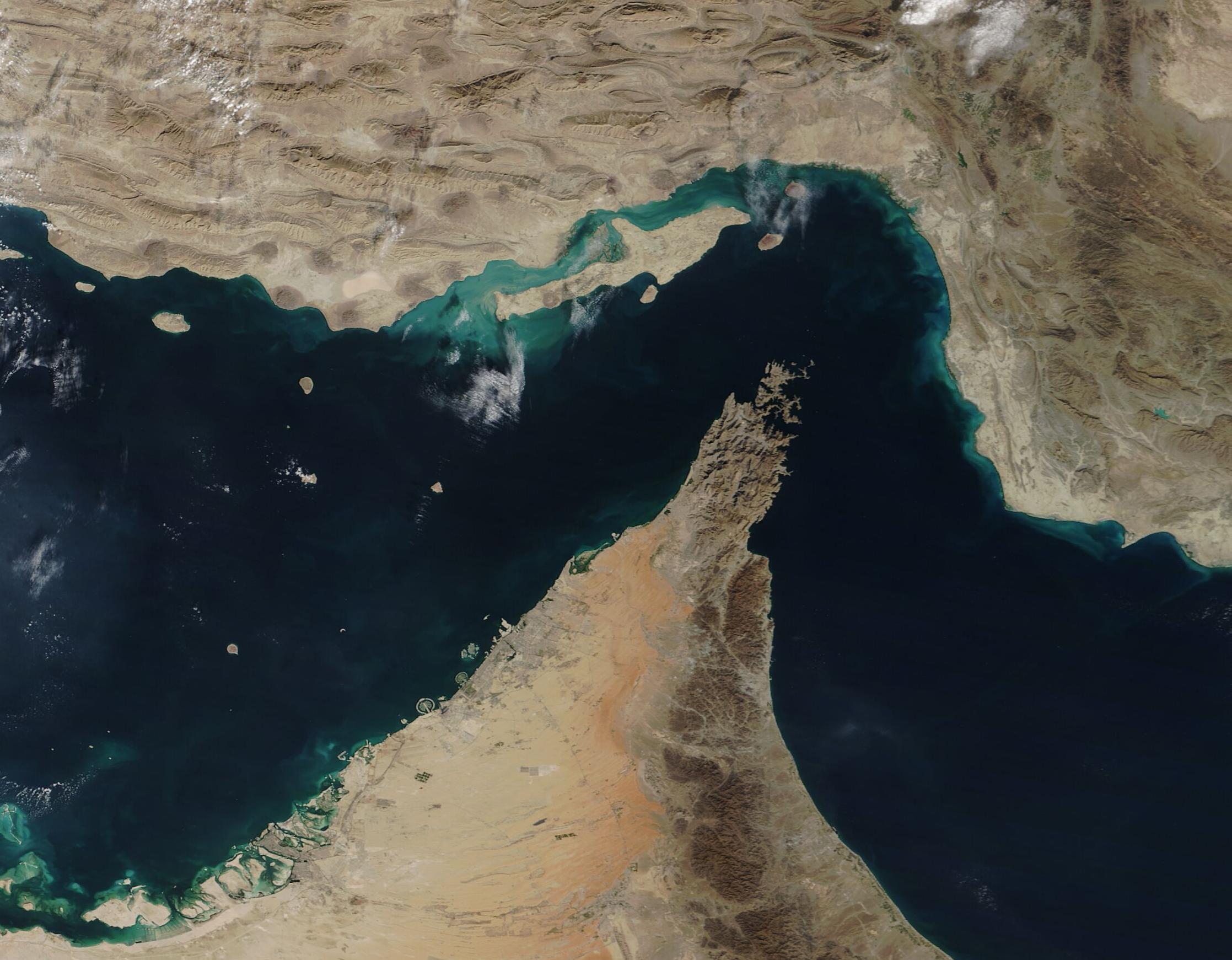
The trial opened in late February, days before the Trump administration ordered the strikes on Iran that began the war still running through the Gulf, DW reported. The jury deliberated for less than two hours before returning its guilty verdict, the BBC reported, citing US media, and Reuters, as carried by the Express Tribune, noted that US-Israeli attacks on Iran since 28 February have killed thousands and displaced millions. Pakistan’s exposure to that war runs through the Strait of Hormuz, which carries the bulk of its crude imports, as KhabarWire reported on 16 November.
The second case coming to court this week
A second South Asian defendant is already before a US court. Radio Pakistan reported on 18 November that US prosecutors have recommended a sentence of more than 24 years for Nikhil Gupta, an Indian national linked to the RAW-linked plot to kill the Sikh leader Gurpatwant Singh Pannun, and that he is to be sentenced on 20 November, citing the Department of Justice and The Hindu. Gupta pleaded guilty in February 2026. Pakistan’s UN mission had already cited his case at the General Assembly in September, when Counsellor Saima Saleem, exercising Pakistan’s right of reply, said India’s “terrorist exports have gone from regional to global”, as KhabarWire reported in its coverage of that exchange. Radio Pakistan also reported that Department of Justice court proceedings last year revealed that Gupta and a second man, Vikash Yadav, had planned another assassination in Pakistan and Nepal.
What the sentence leaves open
For a Pakistani reader the case lands in a specific way. A Pakistani national is now serving a 27-and-a-half-year federal sentence for a murder-for-hire plot that never reached a target, and the same US prosecutors are working through a second South Asian case that has touched Pakistan directly. The pattern the Department of Justice describes is a recruitment pipeline that reaches into Pakistan and Iran and then runs on American soil, broken by an informant and three undercover agents rather than by an arrest at the point of attack.
Two things remain outside the public record. Iran has denied the plot, and the case closed without testing that denial in court. And the accounts of the sentencing published on 17 and 18 November carried no Pakistani reaction, at a moment when Washington’s pressure on Iran-linked people has already reached Islamabad through the detainee transfer flights Pakistan refused in November. The sentence is the final word for Merchant. It is not the last word for the network.