Reporting snapshot · 20 September 2026. Saudi air defences intercepted a ballistic missile fired at Riyadh at dawn on Saturday, 19 September — the first such strike on the Saudi capital since the escalation in the Yemen conflict began in July. On Sunday, Iran's military command said it had information that the United States had decided to resume strikes against it and threatened sustained retaliation. The account below reflects the Saudi coalition statement, Houthi claims, Iran's statement as carried by state media, and US warnings as reported by Reuters, AFP and Al Jazeera; it is a snapshot, not a live tracker.
What happened
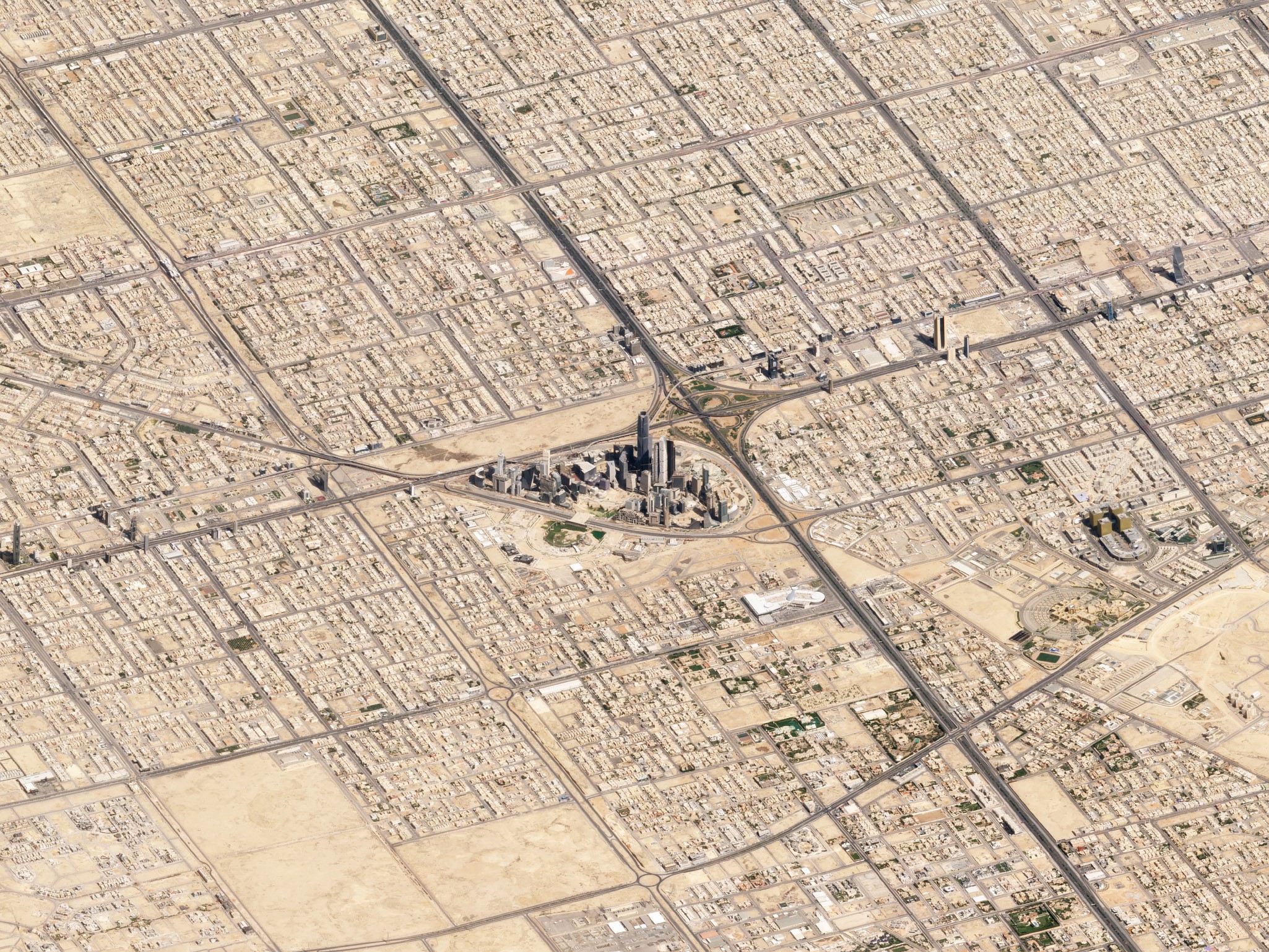
Saudi-led coalition forces said their air defences intercepted and destroyed a ballistic missile fired by Yemen’s Houthis towards Riyadh at dawn on Saturday, 19 September 2026 — the first strike targeting the Saudi capital since the escalation in fighting between the Iran-backed group and the Riyadh-backed government began in July.
Coalition spokesman Major-General Turki al-Maliki said the Houthis also tried to target civilians and civilian infrastructure in Bisha, Taif, Farasan and Yanbu, and that the attacks were thwarted by Saudi air defences. Saudi authorities said there were no casualties or damage. A fire broke out at a fuel depot near Riyadh’s King Khalid International Airport, where a fuel tank bearing the logo of Saudi oil giant Aramco caught fire, AFP journalists saw, and flight tracking showed major disruptions before traffic resumed.
The Houthis said they had carried out “two successful military operations” using ballistic and cruise missiles and drones — one targeting “sensitive” sites in Riyadh and the other targeting Aramco facilities in the Red Sea port of Yanbu, a key Saudi oil export hub. Houthi military spokesman Yahya Saree said the strikes were a response to Saudi attacks on the Yemeni capital Sanaa. The claims could not be independently verified, and Saudi authorities reported the missile had been intercepted.
It was the first air raid alert sounded in Riyadh since the escalation began in July, when the Houthis declared a “maritime embargo” on Saudi Arabia and began a lightning offensive along Yemen’s Red Sea coast, seizing territory and taking control of the Bab al-Mandab strait. The United Nations said more than 110,000 people had been displaced by the offensive.
Iran warns of renewed US strikes
On Sunday, 20 September, Iran’s Khatam al-Anbiya Central Headquarters, the joint military command that coordinates the regular armed forces and the Islamic Revolutionary Guard Corps, said in a statement carried by state media that it had received information that “the criminal America has once again decided to resume measures against Iran, with the green light of some regional countries, at a joint meeting in a European country”.
The command said any US attack would trigger retaliation “without any limitations or considerations” against US bases and interests in the region, and warned that regional countries involved in any US action “should not expect restraint” from Iran’s armed forces and would be “considered complicit and parties to the conflict”, Reuters reported. The statement echoed an earlier threat by Iran’s Supreme National Security Council secretary, Mohsen Rezaei, who said Tehran had conveyed its conditions to the US through Qatari mediators. “We are prepared for a decisive war,” Rezaei told Al Jazeera.
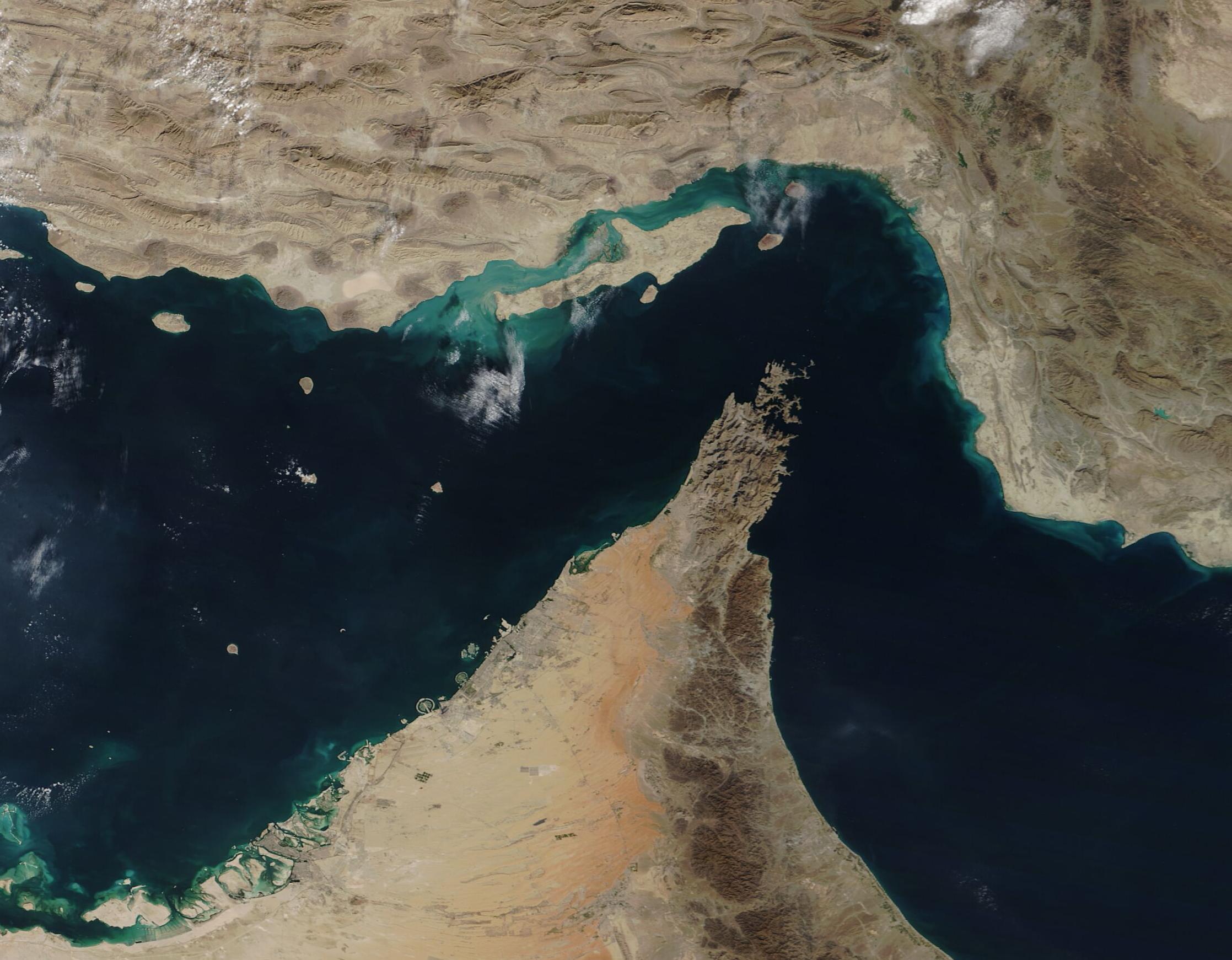
Iran’s Parliament Speaker Mohammad Bagher Ghalibaf said on Sunday that “one must both fight and negotiate”, and reiterated that the Strait of Hormuz would remain closed until the US fulfilled its commitments under a now-defunct peace deal signed in June. The June memorandum of understanding between Washington and Tehran expired last month; since then, attacks have risen around the strait, which Iran has in effect closed while the US maintains a blockade of Iran’s southern ports.
Why the escalation matters
The Riyadh strike and Iran’s warning come at a volatile moment in a regional crisis that began with US and Israeli strikes on Iran in late February. Oil prices have crossed $100 a barrel in recent weeks as attacks on tankers passing through the Strait of Hormuz have intensified and the Houthis’ control of the Red Sea route has disrupted the alternative export path used by Saudi Arabia.
The United States warned on Saturday that the conflict “has the potential to escalate rapidly” and urged Americans outside the Middle East to seriously reconsider travel to the region. US President Donald Trump cut short a weekend at Camp David and returned to the White House on Saturday, without an explanation from his administration. Washington approved a $24.3bn sale of 48 F-35 fighter jets to Saudi Arabia on Thursday to help the kingdom “deter current and future threats”, the State Department said, while Axios reported that the US had refused a Saudi request to strike the Houthis directly.
The United Nations, the Gulf Cooperation Council and Jordan condemned the attacks on Riyadh. UN Secretary-General Antonio Guterres and GCC chief Jassem al-Budaiwi, speaking at the UN General Assembly in New York, condemned the Houthis’ “deliberate targeting of civilian objects”, warning it posed a severe threat to regional peace and security.
What it means for Pakistan
The escalation directly touches Pakistan, which has spent months mediating between Washington and Tehran while acting as a security partner to Riyadh. On 18 September, Director General of Inter-Services Public Relations Lieutenant General Ahmed Sharif Chaudhry said Pakistan’s commitment to defending Saudi Arabia was “unconditional” and that Islamabad would go “to any extent” to defend the kingdom, a pledge KhabarWire reported on 18 September. Pakistan, Saudi Arabia and Türkiye signed the Makkah Joint Defence Agreement in August, under which an armed attack on one signatory is to be treated as an attack on all.
Pakistan has also continued its diplomatic track with Tehran, reportedly preparing another high-level delegation — likely led by Interior Minister Mohsin Naqvi — to press for restraint and revive stalled US-Iran talks, as reported on 19 September. The Gulf escalation has previously rattled Pakistan’s markets: the KSE-100 plunged by more than 6,000 points in July after the US reinstated a naval blockade of Iran and floated a toll on Strait of Hormuz cargo, as KhabarWire reported. Higher oil prices and disrupted shipping routes carry direct consequences for Pakistan’s import-dependent economy, fuel prices and the roughly two million Pakistanis working in the Gulf.
What is still uncertain
Several facts remain contested or unresolved. The Houthis’ claims of striking Riyadh and Yanbu could not be independently verified, and Saudi authorities said the missile was intercepted with no casualties or damage. Iran’s assertion that the US has decided to resume strikes rests on information Tehran says it received, which has not been disclosed; Washington has not confirmed any such plan. The US has not publicly responded to Iran’s conditions delivered through Qatar. Whether the Houthi-Saudi conflict further draws in Iran and the US, whether the Strait of Hormuz stays closed, and how far oil prices climb all remain open questions as the situation develops.
Sources & reporting notes
This is a synthesis of published material, not eyewitness reporting. Sources were reviewed on 20 September 2026. Iran's statement and the Houthi claims are attributed to the officials who made them and have not been independently verified.
- Al Jazeera English — Saudi-led coalition says defence intercepted Houthi missile fired at Riyadh19-20 September 2026 · The coalition statement, the first air raid alert since July, Houthi claims, the explosion near Riyadh airport, UN and GCC condemnations, and Trump's early return from Camp David.
- The Express Tribune (Reuters/Anadolu) — Iran warns regional states will be 'considered complicit' if US strikes resume20 September 2026 · The Khatam al-Anbiya statement, the IRGC joint command's threats, Rezaei's "decisive war" remarks, Ghalibaf's Hormuz statement, the Riyadh strike, and the State Department travel alert.
- AFP — US fears rapid escalation in Mideast after Houthis attack Riyadh20 September 2026 · The fire at the fuel depot near King Khalid airport, the US State Department warning, Saudi retaliation, the Houthi offensive, displacement figures, and the F-35 sale.
- Al Jazeera English — What are Iran's latest conditions to end its war with the US?20 September 2026 · Rezaei's conditions delivered via Qatar, Ghalibaf's Hormuz statement, the expired June MoU, and analyst assessments of the US-Iran impasse.