Reporting snapshot · 18 September 2026. The ISPR director general's interview with the Saudi daily Arab News was published on 17 September and carried by Pakistani outlets on 18 September. Saudi Arabia had announced its first death from the current Houthi escalation, and the practical scope of Pakistan's pledge — whether it requires additional deployments or direct participation — had not been disclosed when this article was published.
What happened
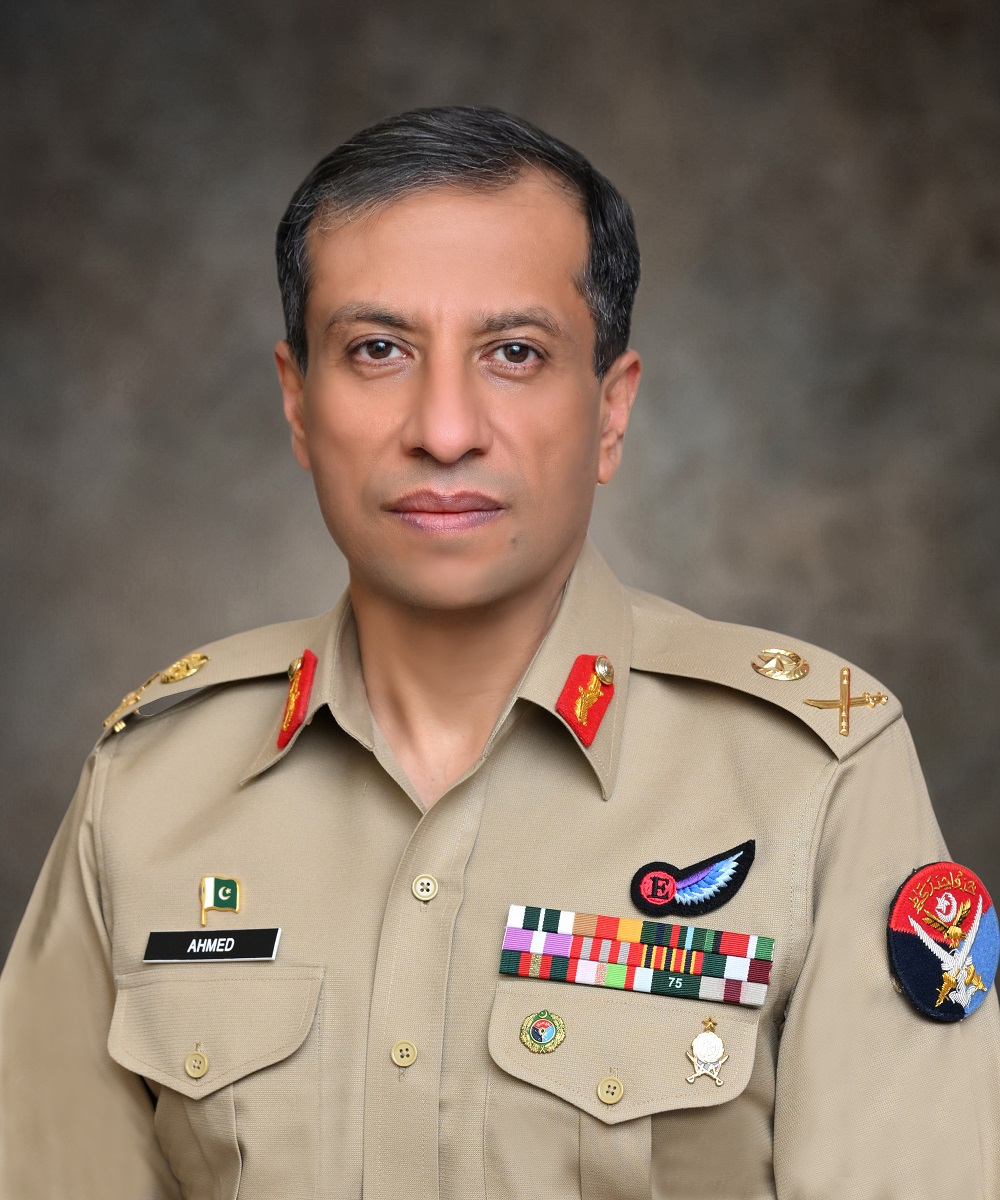
Pakistan’s military said on Thursday that it would go “to any extent” to defend Saudi Arabia, its strongest public commitment yet as Yemen’s Houthi movement intensifies drone and missile attacks on the kingdom. Inter-Services Public Relations (ISPR) Director General Lt Gen Ahmed Sharif Chaudhry told the Saudi daily Arab News that Pakistan “fully stands” with Saudi Arabia “both diplomatically and physically”, underscoring the word physically and saying: “We will go to any extent.”
The remarks came hours after Saudi civil defence announced the death of a Yemeni resident during the interception of a Houthi drone over the western city of Taif — the first death Riyadh has announced since the Houthis stepped up their attacks last week. A Saudi woman and a Pakistani resident were also injured in the interception, and the kingdom has previously said more than 80 people have been wounded in recent attacks. The statement also followed the reported interception of a Houthi drone this week before it could enter restricted airspace around Makkah, which Pakistan’s Prime Minister Shehbaz Sharif condemned.
What Pakistan is promising
Chaudhry said Pakistan’s commitment extends to the protection of Islam’s two holiest sites in Makkah and Madinah, adding “there should be no doubt on that” and that Pakistan would “continue to defend Kingdom of Saudi Arabia against any aggression”. He described Islamabad’s commitment as unconditional, saying it stems from “an emotive, deep-rooted, historical and unbreakable bond” between the two countries’ peoples, militaries and political leaderships.
Asked whether his statement that Pakistan was “there” meant the country was physically present in Saudi Arabia, Chaudhry replied: “I think the words express themselves fully once we say that we are there.” He did not disclose whether Riyadh had requested more Pakistani troops, air-defence systems or direct participation against the Houthis, and he did not confirm or rule out whether Pakistan’s nuclear deterrent falls within the defence guarantees. Islamabad has previously sent conflicting signals on that point: Defence Minister Khawaja Asif said after the 2025 bilateral pact that Pakistan’s nuclear capability could in principle be made available to Saudi Arabia if needed, but later told Reuters that nuclear weapons were “not on the radar” of the agreement.
The pledge is more forceful than the position Pakistan’s Foreign Office took last week, when it said no military response was under discussion under the Makkah agreement and that Islamabad would act “when time comes”. A day before the interview, Asif told a Pakistani television programme that Pakistan would be bound to protect Saudi Arabia whether or not there was an agreement, particularly if Makkah or Madinah came under attack, describing the protection of the holy cities as an “eternal agreement”.
Why now
The escalation is another theatre of the wider Middle East war that began with United States and Israeli strikes on Iran in February. Pakistan has tried to remain a mediator even as it formalises its security ties with Riyadh, and its public language has hardened as Houthi attacks on Saudi territory have grown heavier.
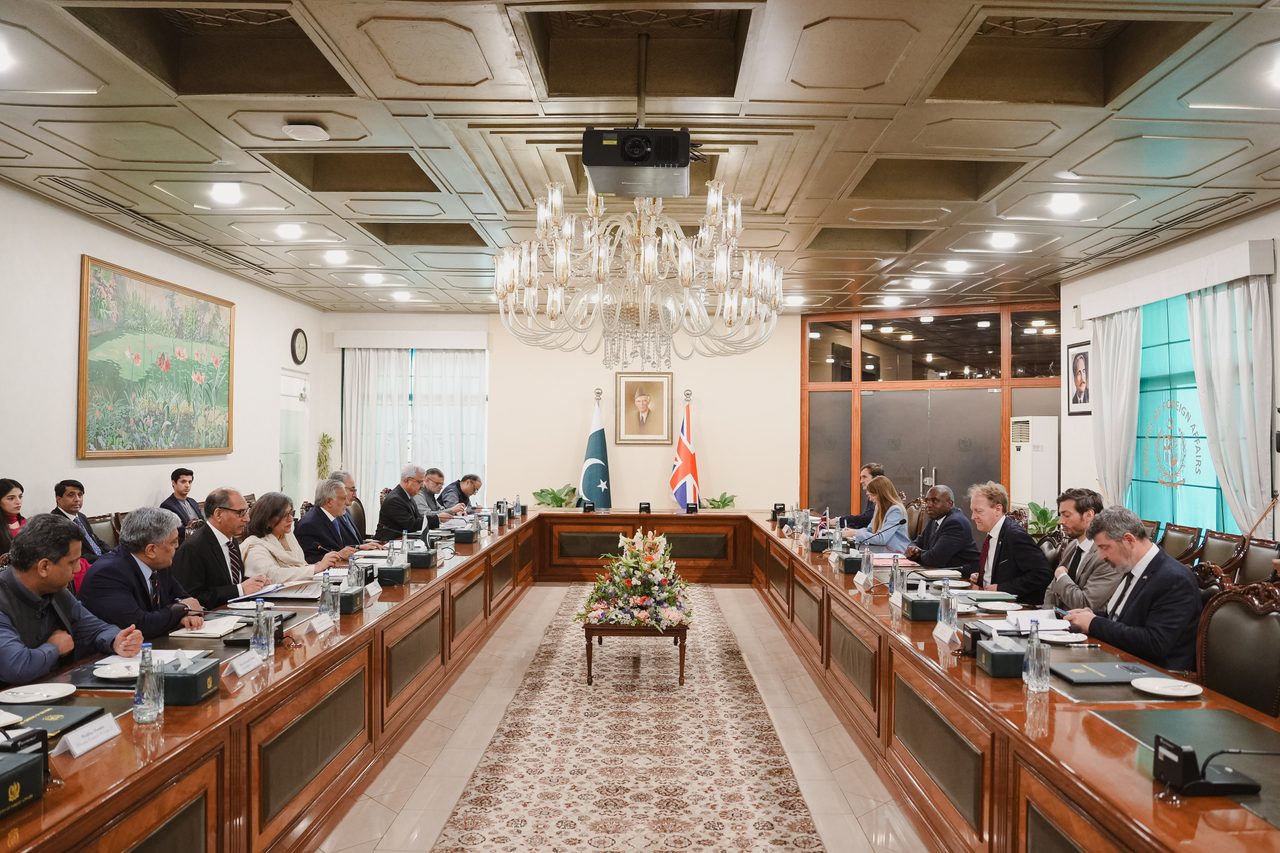
The Trilateral Makkah Joint Defence Agreement, signed in Makkah on 7 August by Pakistan, Saudi Arabia and Türkiye, stipulates that an armed attack against any one signatory is treated as an attack against all three. It builds on the bilateral Strategic Mutual Defence Agreement signed by Islamabad and Riyadh in September 2025, which likewise treats aggression against either country as an attack on both. Neither agreement’s full operational provisions have been made public.
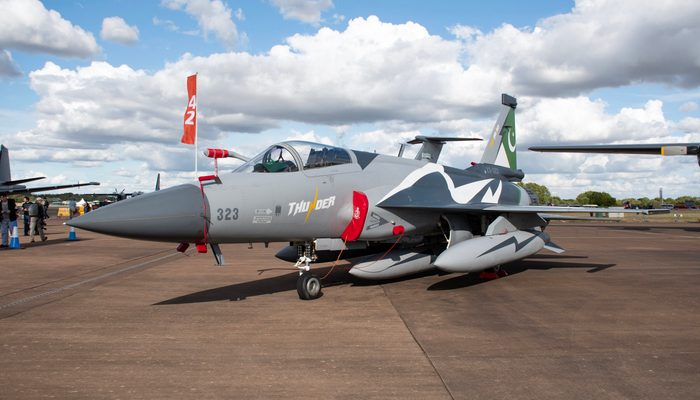
Under the bilateral arrangement, Pakistan deployed around 8,000 troops, a squadron of JF-17 fighter jets, drones and an HQ-9 air-defence system to Saudi Arabia in May, according to Reuters reporting at the time. Pakistani personnel already protect the kingdom and Islam’s two holiest sites, Chaudhry said, framing the relationship as running deeper than any single deployment.
The Houthis have said they will keep striking. The group said Saudi warplanes had carried out about 37 air strikes across Yemen in recent hours and promised to respond by “striking deep inside Saudi territory”, naming King Khalid Air Base and King Fahd Air Base. An overnight attack on the latter damaged an Italian fighter jet, Italian Defence Minister Guido Crosetto said. Saudi Arabia has approached several allies — including Pakistan, Britain, France and Egypt — for support as repeated attacks put pressure on its missile-defence supplies, the Associated Press reported this week; no country had publicly committed additional military assistance in response to the latest request.
What is still uncertain
The most important open question is what the pledge means in practice. Chaudhry did not say whether a new request for assistance had been made, and both the trilateral pact and the bilateral agreement leave the mechanics of any collective response undisclosed. Islamabad has sought to keep its mediator role with Iran — which backs the Houthis — even as it guarantees Saudi security, and Chaudhry said the political and military leaderships remain in continuous communication with their Saudi counterparts. He also described the Islamabad Memorandum of Understanding between Washington and Tehran as “a consensus document” that provides “the only real pathway forward”, but gave no timetable for reviving stalled negotiations. Whether the latest statement presages new deployments, or is intended chiefly as deterrence and diplomatic reassurance, was not answered in the interview.
Sources & reporting notes
This is a synthesis of published material, not eyewitness reporting. Sources were reviewed on 18 September 2026.
- Radio Pakistan — Pakistan will go to any extent in defending sovereignty of KSA: DG ISPR18 September 2026 · Primary record of the ISPR DG's remarks to Arab News, including the 'diplomatically and physically' formulation and the unconditional commitment.
- Geo News — Pakistan will go 'to any extent' to defend Saudi Arabia, vows ISPR DG18 September 2026 · Independent report of the interview, the Taif death and injured Pakistani national, and the Islamabad MoU remarks.
- The Express Tribune — Pakistan 'will go to any extent' to defend Saudi Arabia: DG ISPR18 September 2026 · Independent report of the interview, Khawaja Asif's 'eternal agreement' remarks, and the Makkah pact background.
- Al Jazeera English — Pakistan pledges full commitment to defence of Saudi Arabia18 September 2026 · Independent international report on the pledge, the pacts' status, and the Houthis' vow to strike Saudi air bases.