What happened
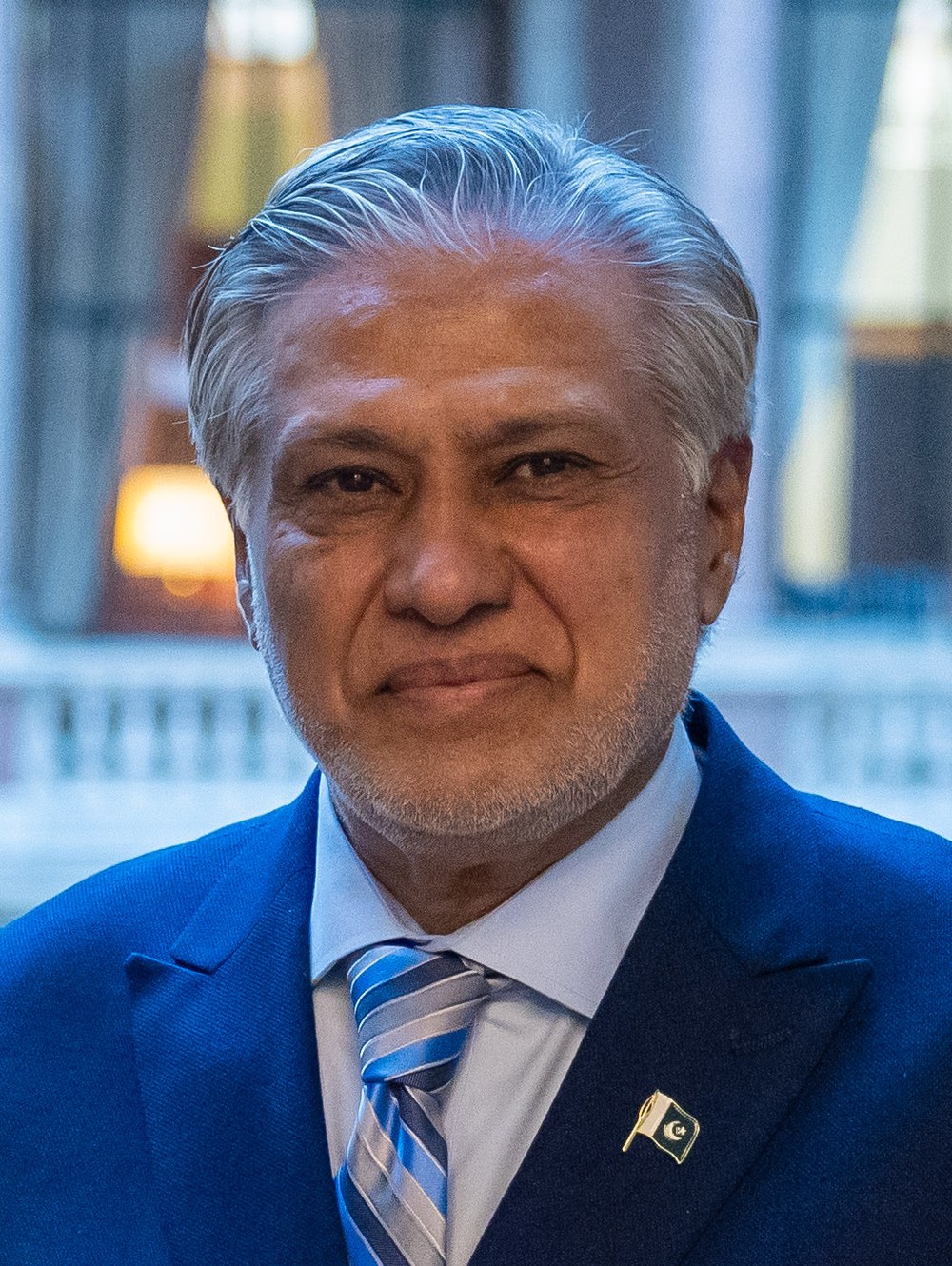
Iran said on Tuesday there was no reason to be concerned that the Makkah Joint Defence Agreement signed by Pakistan, Saudi Arabia and Türkiye was directed against Tehran, as Deputy Prime Minister and Foreign Minister Ishaq Dar briefed his Iranian counterpart Abbas Araghchi on the accord.
At a weekly news conference, Iranian Foreign Ministry spokesman Esmaeil Baghaei portrayed the pact as evidence of a broader reassessment by regional countries of their security relationships with Washington. “Countries have reached the conclusion that they cannot rely on America’s claim of providing security,” he said, adding that Tehran preferred to interpret the arrangement within a wider transformation of the regional security order rather than as an immediately hostile military alignment.
According to the Foreign Office, Dar shared the contours of the agreement with Araghchi, underscoring its objectives of strengthening strategic cooperation and contributing to regional peace and security. The call followed a separate conversation between Dar and Saudi Foreign Minister Faisal bin Farhan on what the Foreign Office described as multilateral cooperation and regional developments. Baghaei said Tehran had no reason to believe the agreement was directed against Iran, citing deep religious, historical and civilisational ties with the three signatories.
Context
The Makkah Joint Defence Agreement was signed on Friday by Prime Minister Shehbaz Sharif, Saudi Crown Prince Mohammed bin Salman and Turkish President Recep Tayyip Erdogan. Under its central principle, an armed attack against any one of the three countries is to be treated as an attack against all three. The three countries have stressed that it does not replace their existing bilateral or multilateral arrangements, and Pakistani officials have said it is purely defensive and not directed against any country.
Speaking at a federal cabinet meeting on Monday, Shehbaz said the agreement was intended to promote peace, development and prosperity rather than threaten any country. “The purpose is absolutely not aggression,” he said, describing the arrangement as completely defensive and a source of strength for the entire Ummah. The cabinet also passed a resolution paying tribute to Shehbaz, Dar and Chief of Defence Forces Field Marshal Asim Munir for their role in securing the pact.
Why it matters
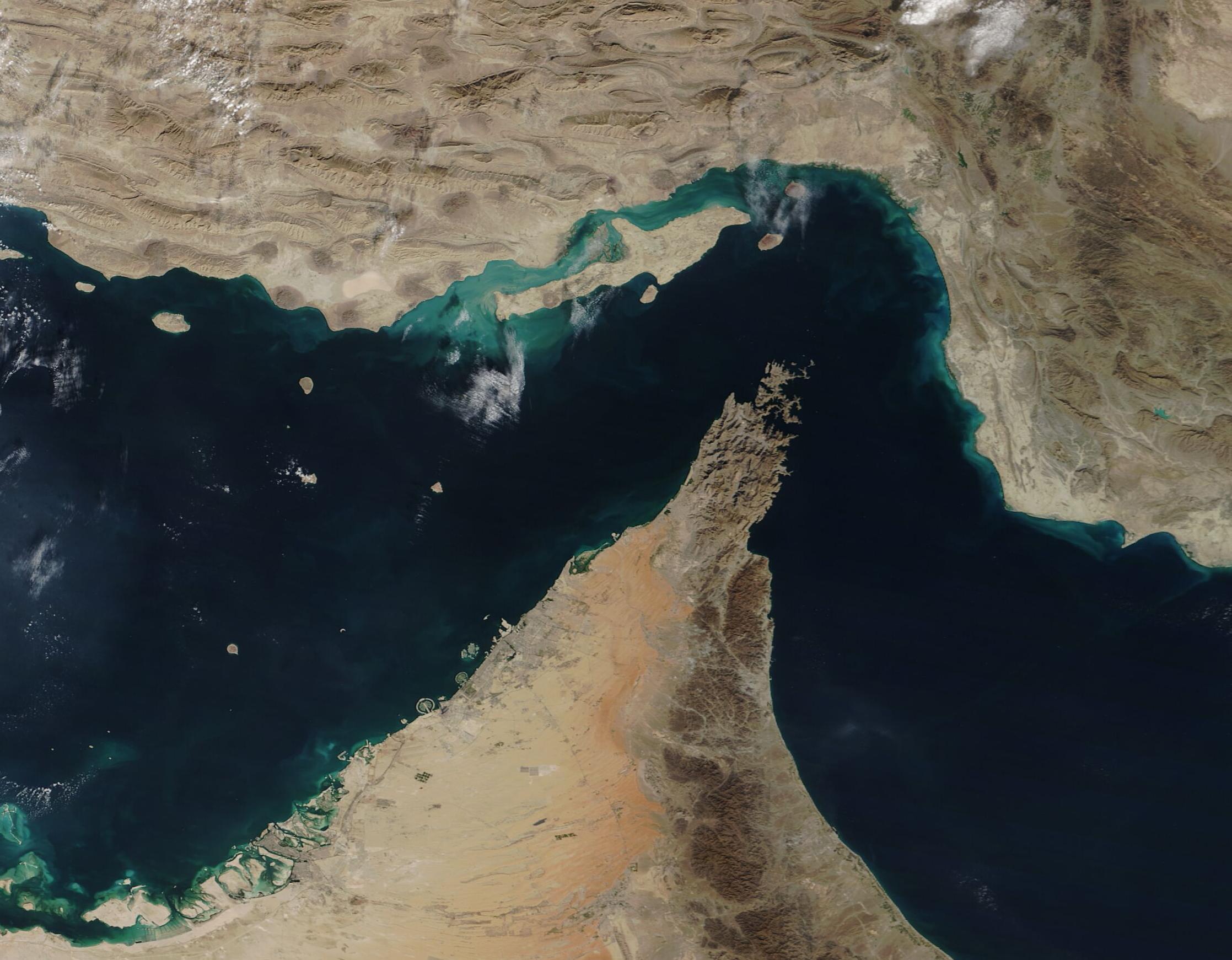
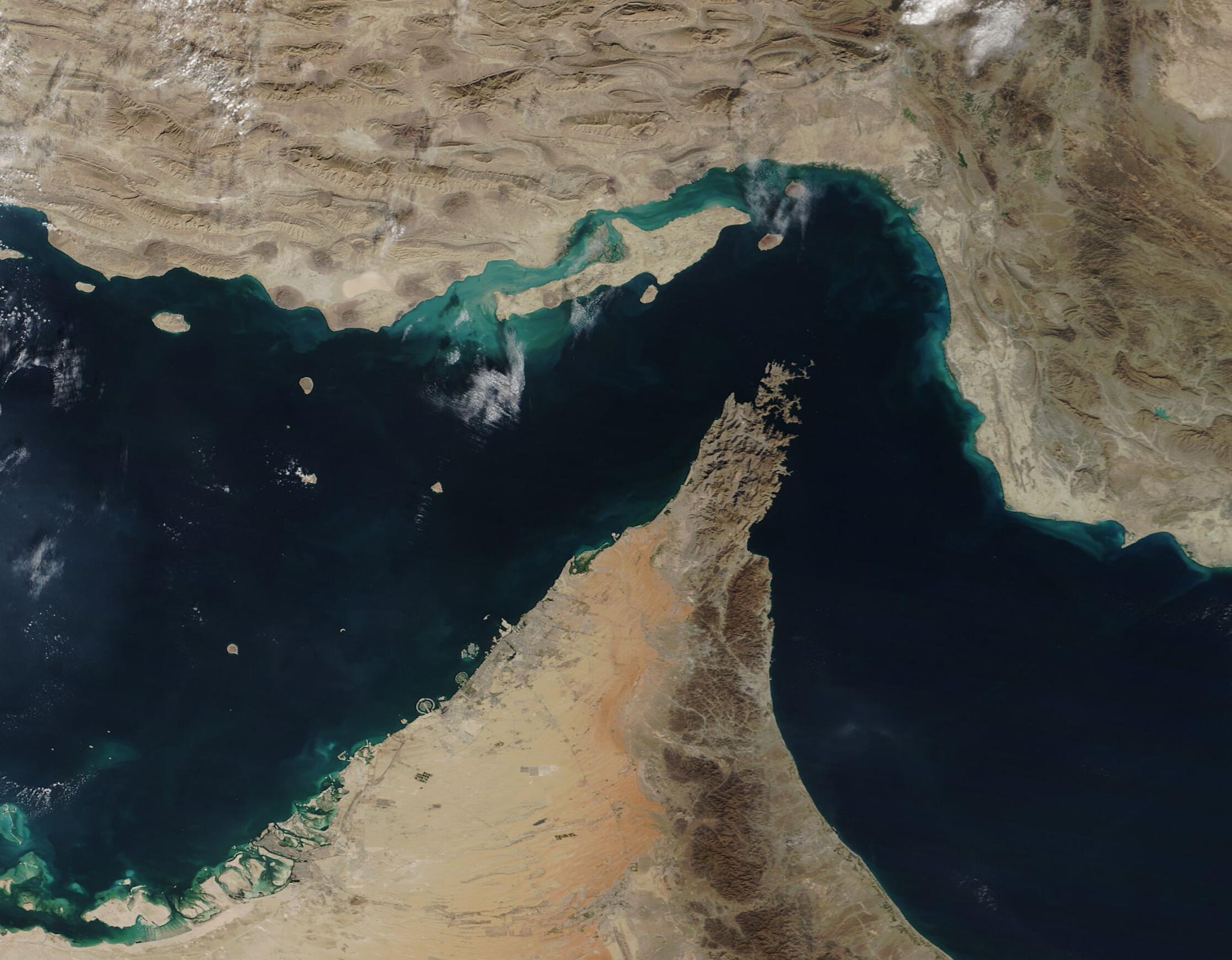
The Dar-Araghchi conversation also gave Tehran an opportunity to update Islamabad on its dialogue with Oman over arrangements for navigation through the Strait of Hormuz. According to an Iranian statement, Araghchi briefed Dar on the latest status of talks on determining an appropriate route for the safe passage of ships through the strait and reaffirmed Iran’s determination to continue the process.
Iran and Oman are in the final stages of discussions on temporary shipping lanes and navigation arrangements, although Tehran has maintained that a bilateral understanding with Oman alone would not be sufficient to fully reopen the waterway while wider US-Iran differences, including the US naval presence and blockade, remain unresolved. The strait has been at the centre of the regional crisis since the US and Israel launched attacks against Iran in late February, after which Iran restricted maritime traffic through a route that normally carries about a fifth of global oil and liquefied natural gas supplies.
Pakistan had invited Araghchi and Iranian parliament Speaker Bagher Ghalibaf to Islamabad for consultations about ten days earlier as part of its diplomatic efforts to facilitate de-escalation between Iran and the United States. Baghaei said the invitations had been received and that the visits would take place “at an appropriate time”, without providing a date.
Sources & reporting notes
This is a summary of published reporting, not independent reporting. Details and the quoted remarks are as carried by the cited sources, which were reviewed on 11 August 2026.
- Dawn — "Iran sees Makkah pact replacing 'reliance on US'"11 August 2026 · The Dar-Araghchi call, Iran's reaction, the Hormuz talks with Oman and the cabinet resolution.
- The Express Tribune — "Iran downplays concerns over Makkah pact"11 August 2026 · Baghaei's remarks, the Dar-Araghchi briefing and the cabinet meeting.
.jpg)