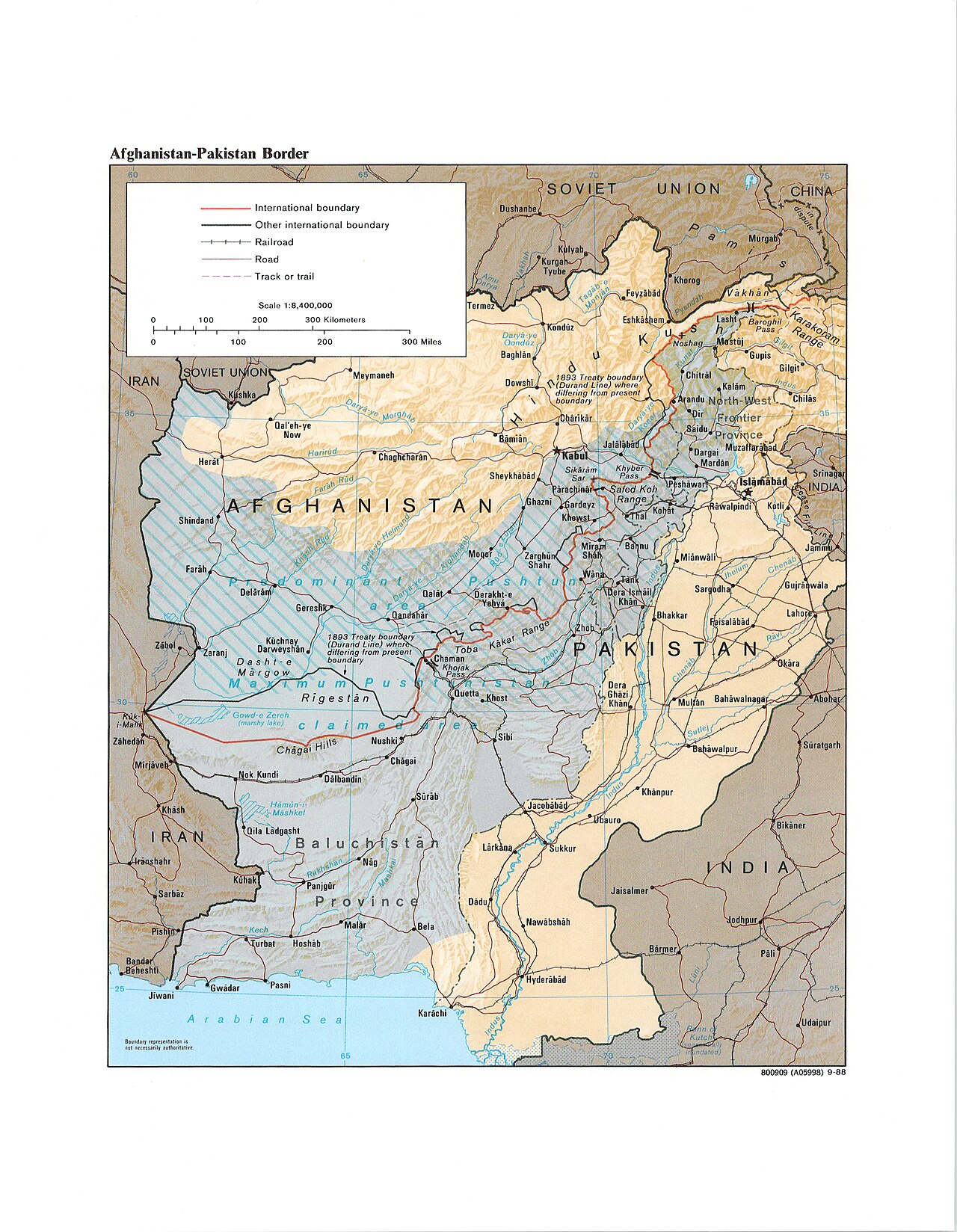
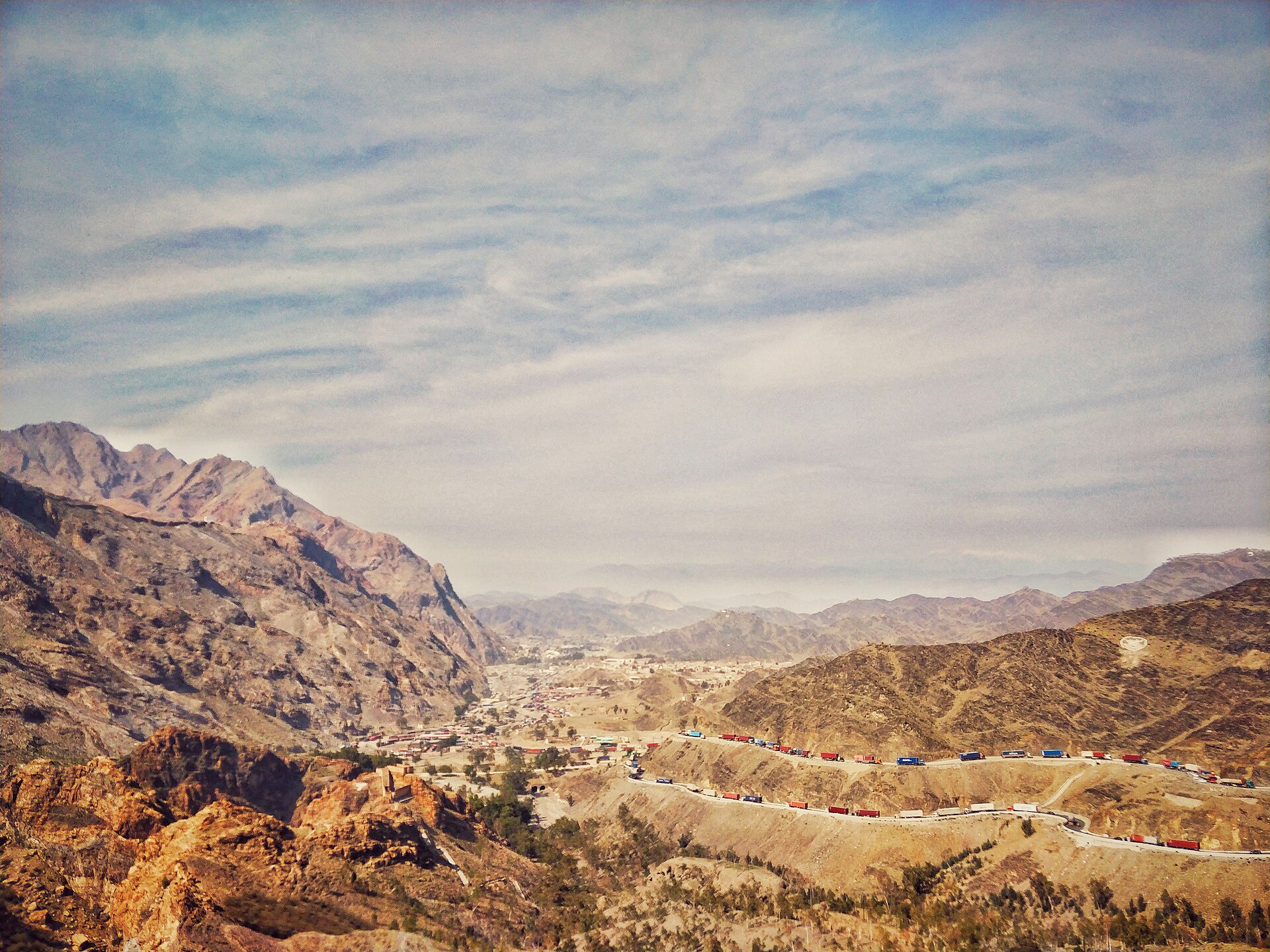
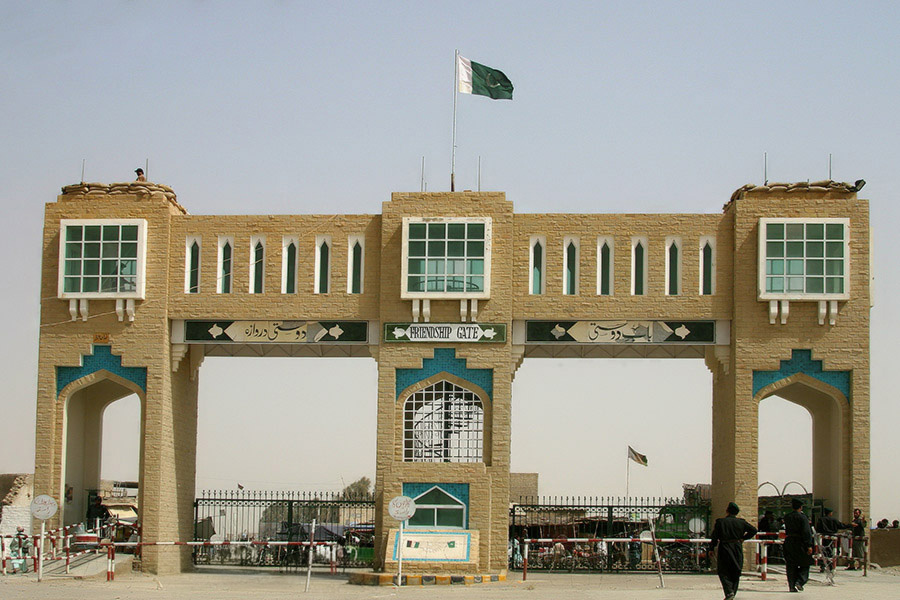
Reporting snapshot · 2 November 2026. No date, venue or format for talks has been agreed, and Washington has not said whether it will formally take on the role of facilitator. The main limitation is that the Foreign Office spokesman's remarks were made to Independent Urdu and no full official transcript has been published; the account of the US offer rests on Rubio's remarks at a press briefing.
What changed
Pakistan’s Foreign Office said on Sunday, 1 November, that it would welcome US efforts to facilitate talks with Afghanistan, attaching a condition that Kabul take verifiable action against militant groups before meaningful negotiations can begin.
“Pakistan would welcome sincere efforts by friendly countries, including the United States, to facilitate dialogue with Afghanistan,” Foreign Office spokesman Sajjad Haider Khan told Independent Urdu, Pakistan Today reported. He said any meaningful dialogue must rest on a “clear commitment” by the Afghan Taliban authorities to take concrete, sustained and verifiable action against the Tehreek-e-Taliban Pakistan, the Balochistan Liberation Army and other groups. “Pakistan remains open to constructive engagement, provided it leads to tangible outcomes addressing our legitimate security concerns,” he said.
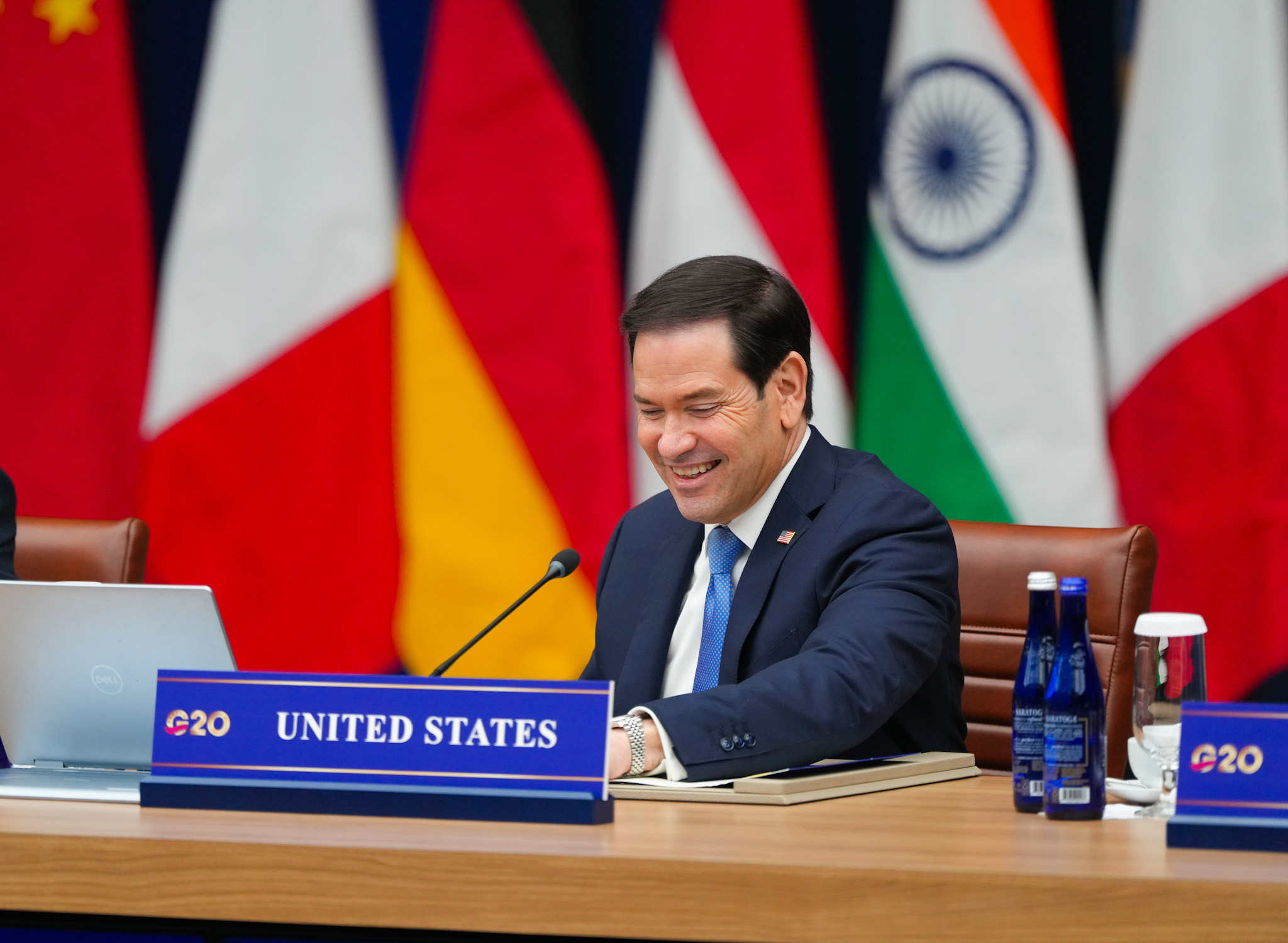
The response followed remarks by US Secretary of State Marco Rubio at the G20 foreign ministers’ meeting in Atlanta on Saturday, 31 October. Rubio said Washington had “obviously heard” Pakistan’s concerns about attacks “sponsored from the territory of Afghanistan” and that “if there’s a productive role for us to play, we’ll play it,” The Express Tribune reported. He added that the United States did not “necessarily have the closest relationship with the Taliban” but had “seen some of those attacks that they point to.”
The exchange carries the diplomatic track past the statements of 31 October, when the Taliban said its final efforts at dialogue had failed and Pakistan’s information ministry called cross-border terrorism a red line, as KhabarWire reported. Earlier rounds had been mediated by Qatar and Türkiye, and China had also tried to narrow the gap. Washington had acknowledged Pakistan’s complaint but had not publicly offered to facilitate talks.
Why a US role matters
A US facilitation role would change the shape of the diplomacy. Pakistan has spent much of the past year arguing that the Taliban’s failure to act against the TTP and other groups is the central obstacle to normal relations. Kabul rejects that characterisation and says it does not allow its territory to be used for attacks on Pakistan.
Bringing Washington into the process could add pressure on the Taliban to address those concerns. It could also give Pakistan a channel that does not depend on the Qatari and Turkish mediators who handled earlier rounds. But the arrangement carries risks for both sides. Pakistan’s condition sets a security benchmark before talks begin, while Kabul has resisted precisely the kind of outside pressure that a US role would introduce.
The human cost is part of Pakistan’s case. The Foreign Office spokesman’s remarks came as Islamabad says around 4,700 of its nationals have been killed over the past three years in militant attacks originating from Afghanistan, Pakistan Today reported. Kabul denies that its soil is being used for attacks against Pakistan. Those figures are Pakistan’s own; the article does not independently verify them.
Security officials also estimate that up to 70 per cent of the Fitna al-Khawarij militants who infiltrate Pakistan are of Afghan origin, The Express Tribune reported. That estimate, like the casualty figure, is an official Pakistani claim rather than an independently audited count.
The condition Pakistan attached
The operative phrase in the Foreign Office statement is “verifiable action.” Pakistan wants concrete, sustained and verifiable measures against the TTP, the BLA and other groups it describes as terrorist organisations operating from Afghan territory. It has not published a list of the specific steps it expects, a monitoring mechanism or a timeline for judging compliance.
That ambiguity matters because earlier talks foundered on the same question. Pakistan has demanded that Kabul act against groups it says launch attacks from Afghan soil; the Taliban has denied responsibility or said it cannot control armed groups that do not answer to it. The demand is also broad enough to cover the BLA, which operates mainly in Balochistan and is not an Afghan Taliban affiliate. Pakistan has linked both to what it calls a single cross-border security problem.
The condition effectively sets a test before any US-facilitated process can begin. It is not a ceasefire offer, and it does not commit Pakistan to pause its military campaign along the border. The wider file remains tracked in the Pakistan–Afghanistan border hub.
What Washington and Kabul have said
Rubio’s remarks stopped short of a formal mediation plan. He did not announce an envoy, a venue or a timetable, and he framed the US position in general terms: Washington was against terrorism “no matter where it emanates from and who it targets,” The Express Tribune reported. The US offer is therefore better read as willingness to play a role than as a decision to lead a process.
There is no public indication that Kabul has accepted a US role. The Taliban has not responded directly to Pakistan’s welcome, and its spokesman, Zabihullah Mujahid, said on 31 October that Afghanistan had made its final efforts through talks and that they had produced no results, as KhabarWire reported. The Taliban continues to deny that Afghan territory is used for attacks on Pakistan.
Pakistan’s statement is also a conditional welcome rather than an agreement. It says the United States and other friendly countries are welcome to try, but it does not say Pakistan has asked Washington to take the lead, nor does it set out what Pakistan would offer in return.
What is still uncertain
No talks have been scheduled. It is unclear whether Washington has made a formal offer to mediate, whether the Taliban would accept US facilitation, and what “verifiable action” would look like in practice. Pakistan has not said whether it would ease military pressure during any talks, and the Taliban has not said whether it would discuss the TTP or the BLA with a US intermediary.
The biggest unknown is whether this is the start of a new diplomatic track or another round of public positioning. Pakistan’s 1 November statement was a response to a US remark, not a joint announcement. Rubio’s offer was conditional, and Pakistan’s acceptance is conditional too. Neither side has named a next step, and the border campaign that has defined the relationship this year has not stopped.
For now, the two governments have moved from trading accusations to discussing a possible US role. Whether that becomes a process, and whether Kabul engages with it, will depend on decisions that have not yet been announced.