What happened
Pakistan has invited senior Iranian officials to Islamabad for talks, as efforts to restart stalled direct negotiations between Iran and the United States were revived.
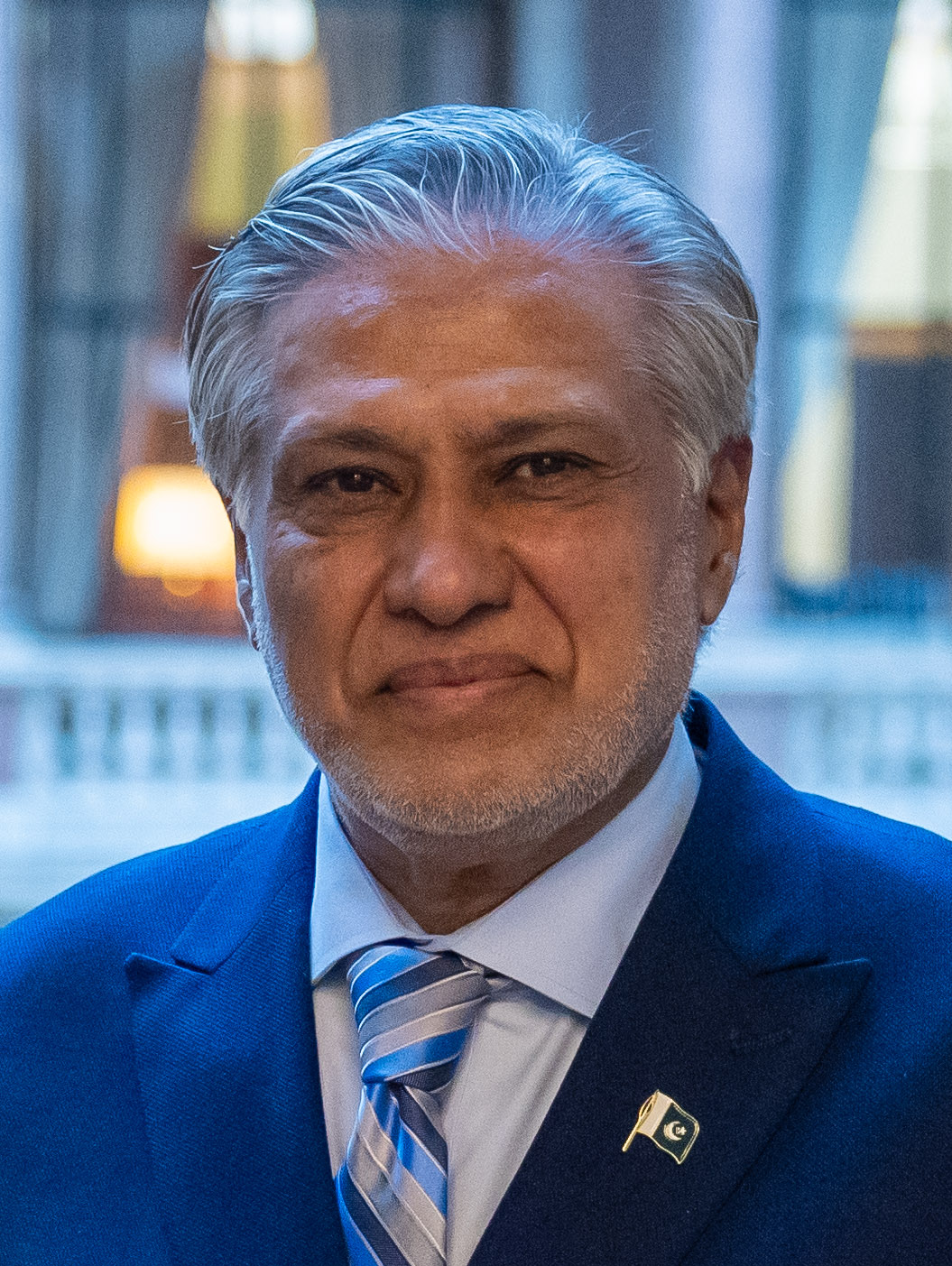
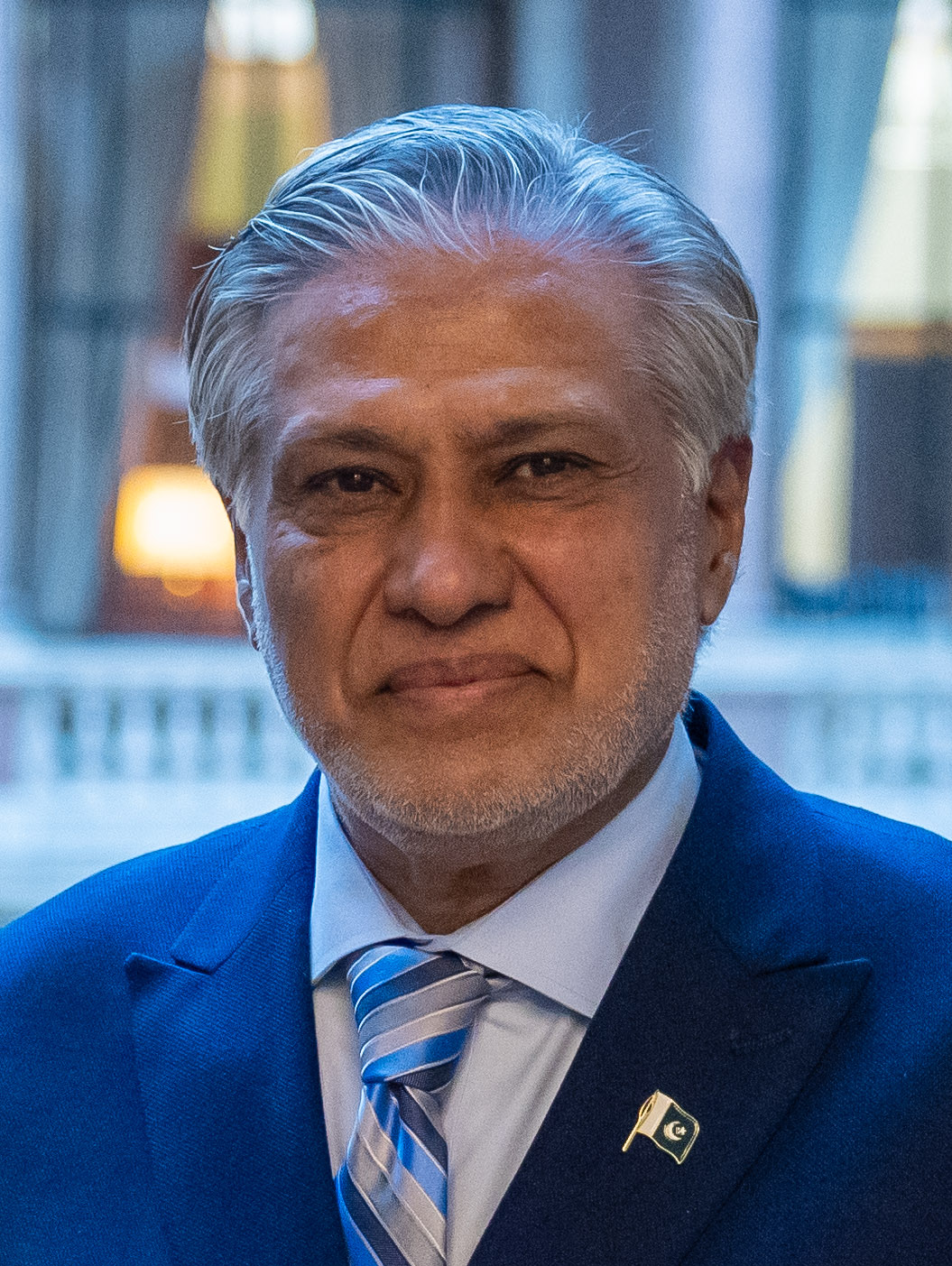
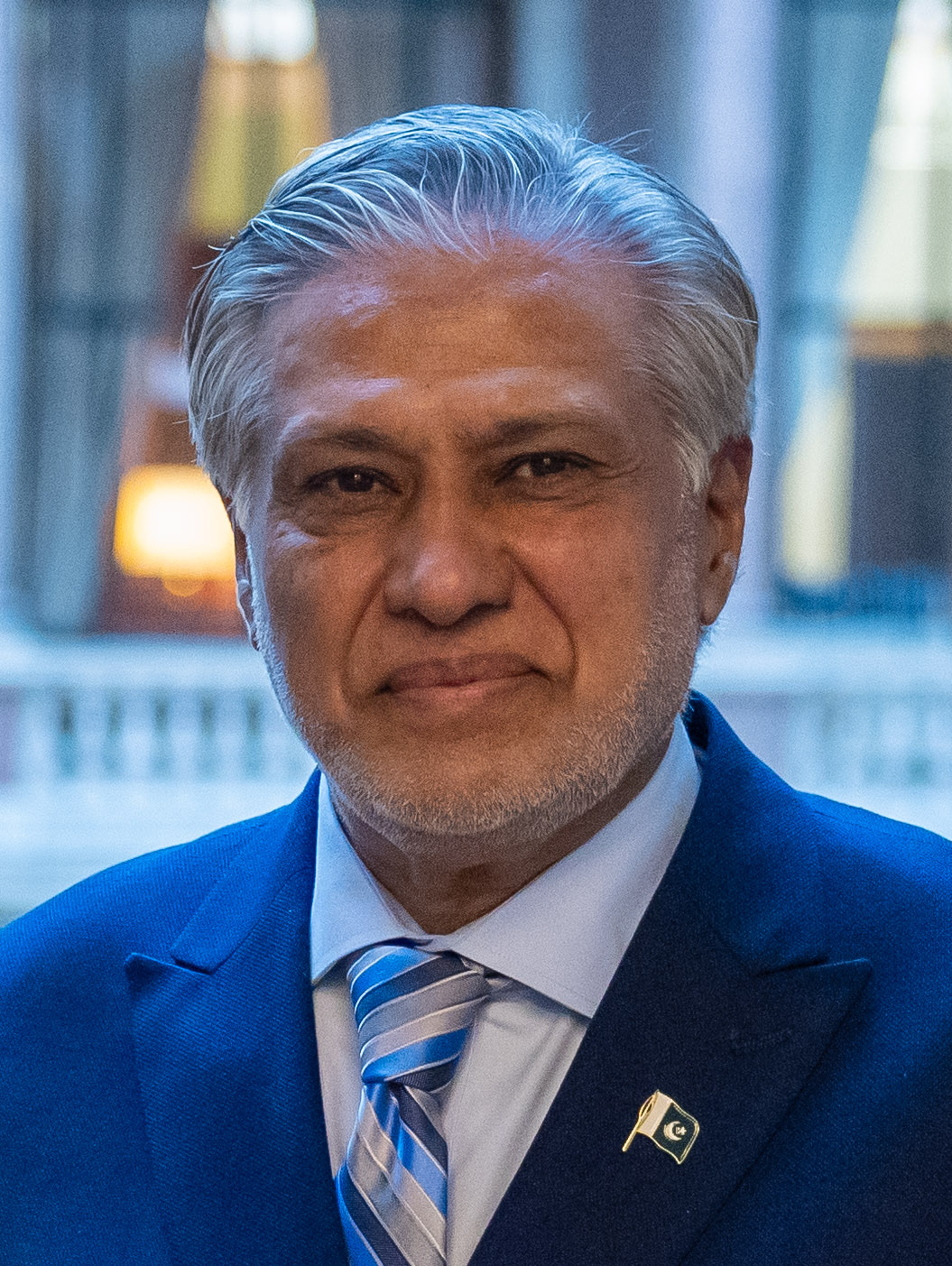
The Foreign Ministry said late on Monday that Foreign Minister Ishaq Dar had spoken to his Iranian counterpart, Abbas Araghchi, and invited him “to visit Pakistan at his earliest convenience”. National Assembly Speaker Ayaz Sadiq separately invited his Iranian counterpart and Tehran’s chief negotiator, Mohammad Bagher Ghalibaf, to visit Pakistan, according to a government source cited by Anadolu Agency. It was not immediately clear when either official would travel.
Iran’s thanks
The outreach came as Iranian Industry, Mine and Trade Minister Mohammad Atabak told the 10th session of the Pakistan-Iran Joint Trade Committee in Islamabad that Tehran was grateful for Pakistan’s support during the recent conflict.
Atabak conveyed the “profound appreciation” of the Iranian government and its leadership for the “principled and brotherly support” extended by the government and people of Pakistan during what he called the “US-Israeli imposed war”, according to Dawn. He said Iran was “equally grateful” for Pakistan’s constructive diplomatic efforts and its sincere endeavours to help bring the conflict to an end through dialogue and mediation.
A mediation that keeps stalling
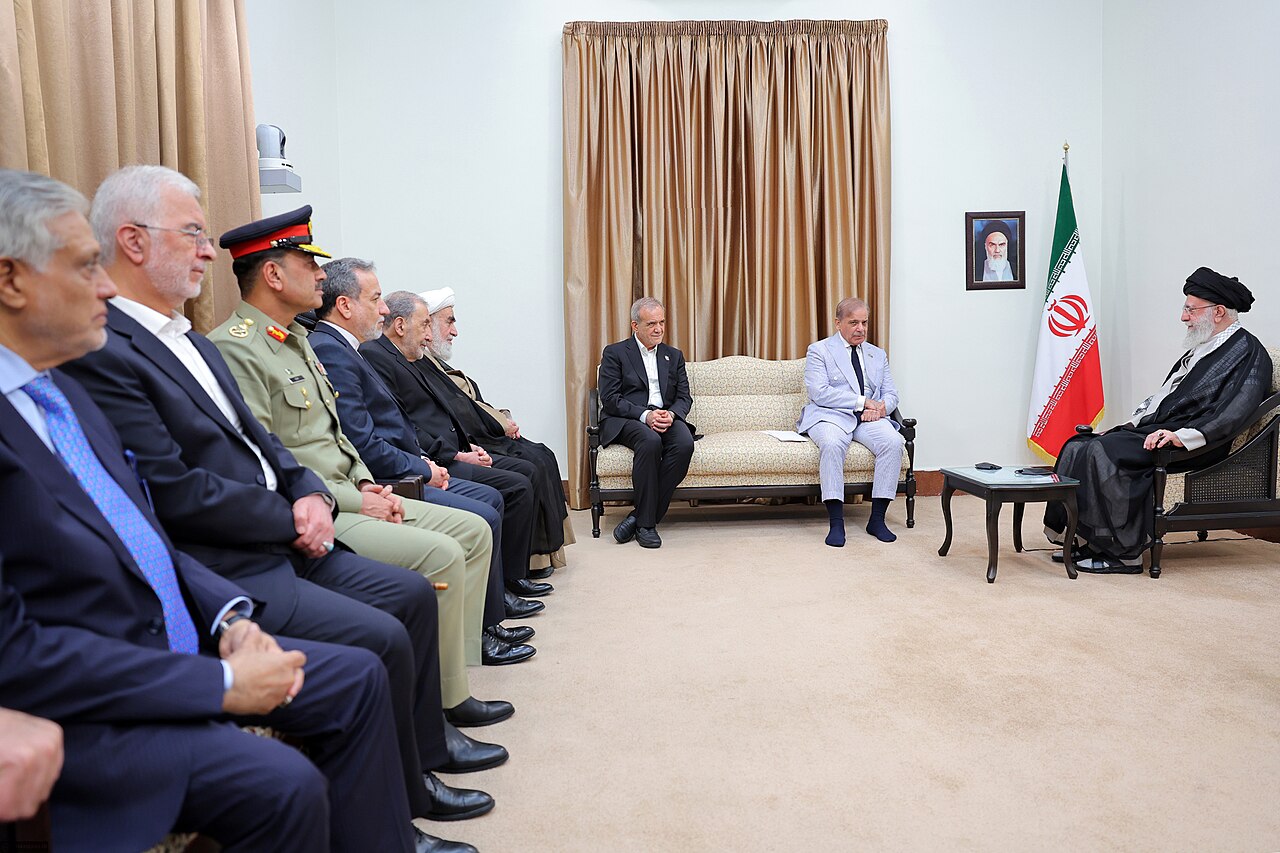
Pakistan’s diplomacy has repeatedly stalled since the war began in late February. Pakistan hosted the first direct US-Iran talks in decades in April, which led to the Islamabad Memorandum of Understanding signed in June by Prime Minister Shehbaz Sharif, Iranian President Masoud Pezeshkian and US President Donald Trump. An April ceasefire collapsed within days, and the memorandum lasted barely a month as the two sides exchanged attacks.
The latest push followed Trump’s accusation that Tehran had been “unbelievably duplicitous” over its handling of the talks, and Iran’s public insistence that no negotiations with Washington were under way — only technical discussions with Oman over reopening the Strait of Hormuz. Iran’s Foreign Ministry spokesman, Esmaeil Baghaei, reaffirmed that Pakistan remained “the mediator” in the process.
Why it matters
Pakistan has positioned itself as the principal intermediary between Washington and Tehran, and the renewed invitations show it is trying to keep that channel open. But the repeated failures underline how fragile the process remains, with both sides sending conflicting public signals even as mediators press for fresh talks.
Sources & reporting notes
This is a summary of published reporting, not independent reporting. Details are as carried by the cited sources, which were reviewed on 4 August 2026.
- Dawn — "Iran appreciates Pakistan's support, mediation efforts during US-Israel conflict"4 August 2026 · Iran's trade minister's remarks at the Pakistan-Iran Joint Trade Committee and Tehran's thanks for Pakistan's mediation.
- The Express Tribune — "Pakistan invites Iranian negotiators to Islamabad amid renewed diplomatic efforts"4 August 2026 · The invitations from Foreign Minister Ishaq Dar and National Assembly Speaker Ayaz Sadiq, and the state of the US-Iran talks.
.jpg)