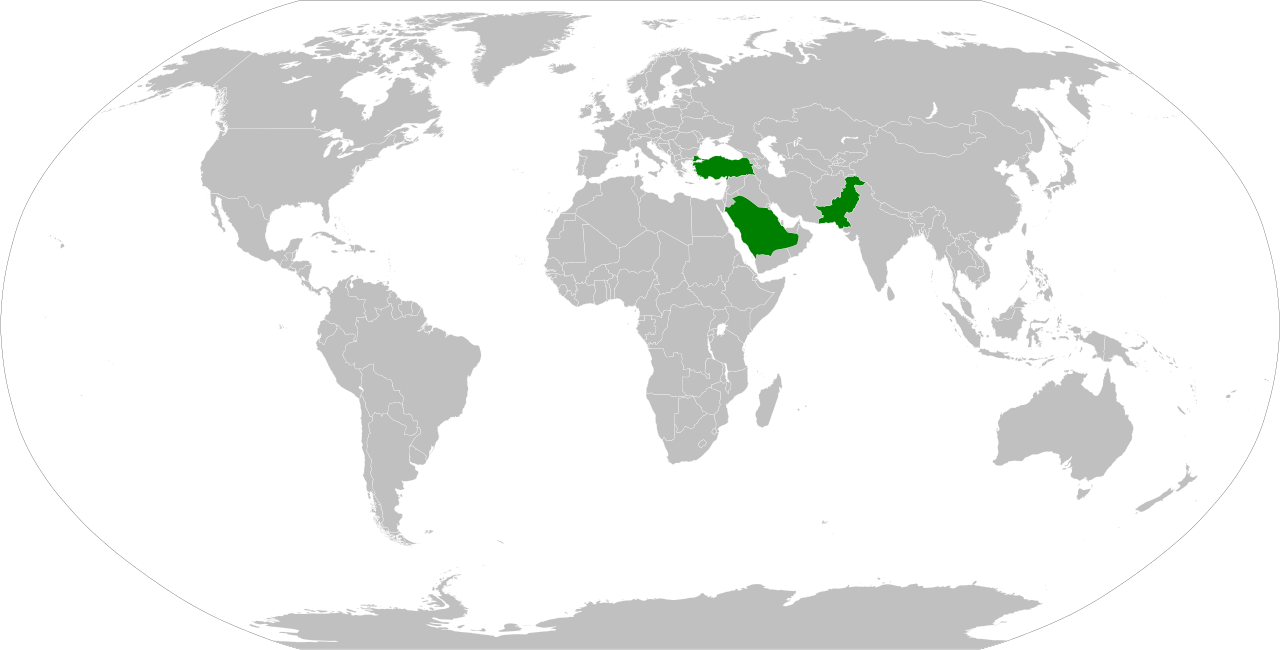
Reporting snapshot · 20 October 2026 (Asia/Karachi). Türkiye's government submitted the Makkah Joint Defence Agreement with Pakistan and Saudi Arabia to the Grand National Assembly on 20 October for ratification. Reuters, Al Jazeera and Hürriyet Daily News reported the step; no vote has been held and Ankara has not published a timetable. This account separates the procedural step from claims about military action.
What happened
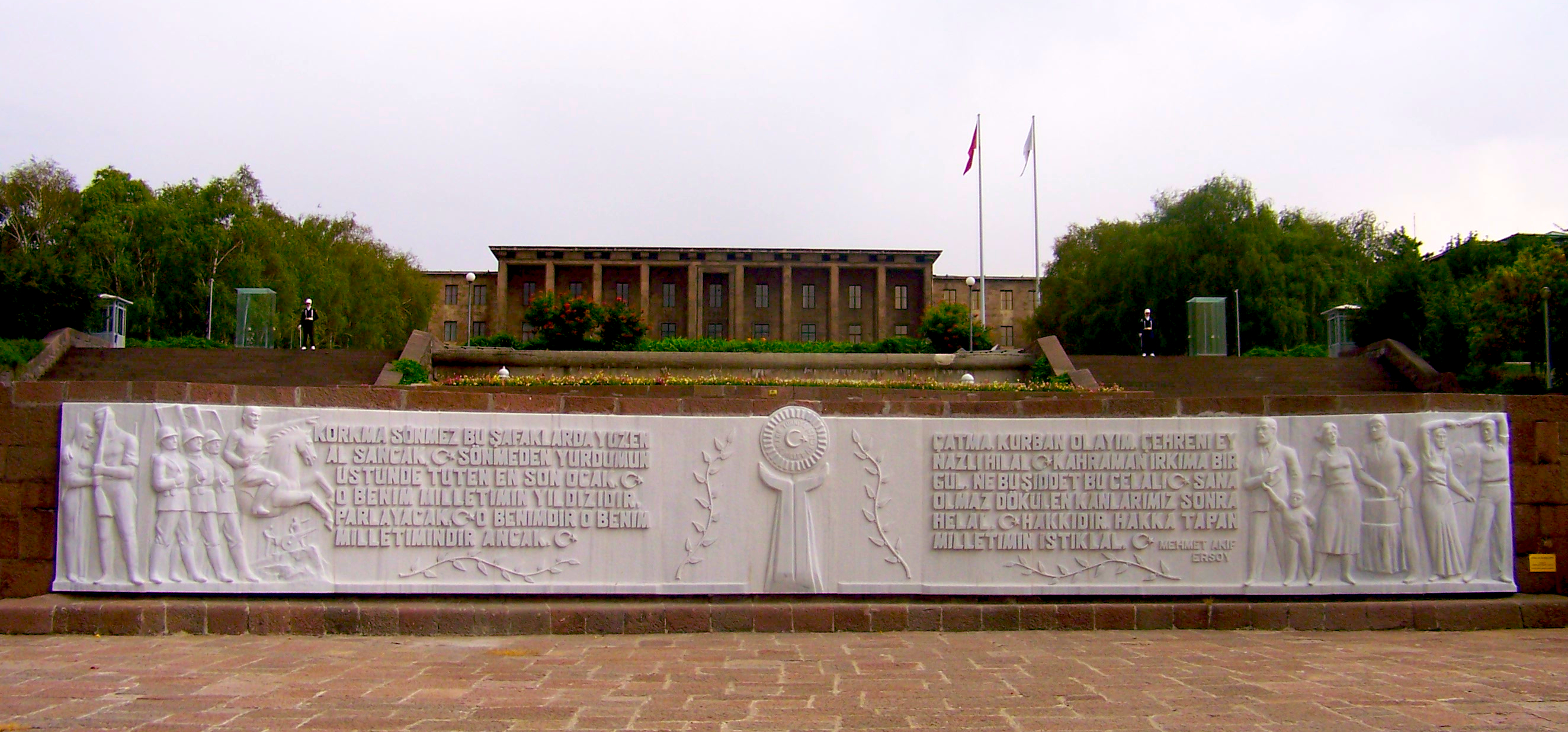
Türkiye has sent the Makkah Joint Defence Agreement to parliament for ratification, moving the trilateral pact with Pakistan and Saudi Arabia into the formal legislative phase in Ankara. Three parliamentary sources told Reuters, in a report carried by The Express Tribune, that the government submitted the agreement on Tuesday 20 October. Hürriyet Daily News reported the formal submission and said a simple majority is sufficient for approval.
The next step is procedural rather than final. Parliament Speaker Numan Kurtulmuş, who is visiting Kyrgyzstan, will refer the agreement to the foreign affairs commission when he returns, according to two of the sources cited by Reuters. One source said the commission could debate it as early as Friday. Al Jazeera reported that the referral is the first stage and that the text’s details will become public once it reaches the commission. No date has been set for a commission vote or a vote in the full assembly.
The agreement was signed in Makkah on 7 August by Prime Minister Shehbaz Sharif, Saudi Crown Prince Mohammed bin Salman and Turkish President Recep Tayyip Erdoğan. Since then, the three countries have established a strategic political and defence committee in Istanbul, agreed a Saudi-based secretariat headed initially by a Pakistani secretary-general, and on 5 October decided in Riyadh to move towards practical implementation and rapid deployment of agreed forces and capabilities. KhabarWire reported that Riyadh decision on 6 October; the alliance’s activities are tracked on the Makkah Defence Pact hub.
Why ratification matters now
The timing reflects the Saudi-Houthi war rather than a dispute among the signatories. The Houthis have fired missiles and drones at Saudi cities, energy facilities and Riyadh’s airport; Saudi Arabia and its allies have struck Houthi positions in Yemen. Türkiye has condemned the attacks and offered defensive support, while describing the pact as defensive and ruling out an offensive role.
Ratification is the legal gateway to a more formal Turkish role. Al Jazeera quoted its correspondent Resul Serdar as saying that the process could take “quite some time” despite the ruling coalition’s simple majority, because parties will debate the provisions and the opposition has its own objections. Even if the pact is approved, Serdar added, it would not by itself produce a Turkish troop deployment; that would require separate legislative authorisation.
That distinction is central. A Turkish official, speaking anonymously to Reuters, said Türkiye’s contribution was expected to be limited to military equipment, intelligence sharing and weapons systems, and that no other form of deployment had taken place under the alliance so far. Turkish Foreign Minister Hakan Fidan has said the agreement is not an “offensive agreement” and that Türkiye would not send troops to another country to carry out attacks on its territory. Turkey’s constitution requires separate parliamentary permission for any deployment of troops abroad, regardless of an international agreement.
What the 16 articles say
The text submitted to parliament, reviewed by Reuters, contains 16 articles. Article 1 commits the parties to use “all necessary means” to eliminate threats to one another’s territorial integrity, sovereignty or internationally recognised borders. Article 2 treats an armed attack on one party by another country or group of countries as an attack on all, requiring the parties to “immediately provide assistance” using the full range of mutual assistance measures available to them.
The wording resembles NATO’s Article 5, but with qualifications that matter. The three states “will decide on the scope and nature of the support to be provided following an objective assessment of the assistance required” and will cooperate within their available resources. That leaves the size, speed and form of any response to a political decision rather than an automatic trigger. The text also refers to Article 51 of the UN Charter, the right of individual or collective self-defence.
The remaining articles cover defence-industry cooperation, intelligence sharing, logistics, joint training and counterterrorism. Al Jazeera reported that the draft provides for a defence committee bringing together the foreign and defence ministers of the three countries, a mechanism for other states to join with the approval of all three founding members, and a 10-year duration after which a member can withdraw. Hürriyet Daily News reported that the agreement would first go to the foreign affairs commission and then to the general assembly, and that the government has not said when commission discussions will begin.
What it means for Pakistan
For Pakistan, the submission shows the alliance acquiring domestic legal machinery, not proof of a new military phase. Pakistan is one of the three signatories, and its own ratification process has not been publicly documented in the same detail. Pakistan has not issued a readout, and it is unclear whether the three governments will coordinate ratification statements or keep separate timetables.
The practical effects are likely to be gradual. Turkish ratification could make it easier to formalise defence-industrial cooperation, intelligence exchange and logistical arrangements that the three governments have already discussed. It could also give Ankara more political room to supply defensive equipment or technical support to Saudi Arabia. It does not commit Türkiye to combat forces or automatically expand Pakistan’s own obligations.
The wider risk is entanglement. Pakistan is simultaneously trying to keep its economy stable amid high energy-import costs, protect the remittances sent home by millions of workers in the Gulf, and preserve its diplomatic channel between Washington and Tehran. KhabarWire reported on 19 October that the director-general of Inter-Services Public Relations said Pakistan would evaluate any direct military request from Yemen’s internationally recognised government and that the alliance’s “instrument of collective deterrence” would come into play if diplomacy failed. A Turkish ratification vote will be read in that context, even though it does not resolve what Pakistan would actually contribute.
What is still uncertain
The most immediate unknown is the parliamentary timetable. The commission has not scheduled its debate, the ruling party has no published voting plan, and opposition objections could slow or amend the process. Kurtulmuş’s return from Kyrgyzstan is a precondition for the referral, and the full assembly has other business.
It is unclear whether the submitted text matches the Makkah version, whether reservations were attached, or whether ratification is a precondition for Turkish logistical or intelligence support. The bill’s full text has not been published; Reuters based its account on a copy it saw. The Pakistani and Saudi ratification paths, and any conditions attached to them, remain undisclosed.
Finally, ratification would not answer the operational questions that have surrounded the pact since August: how many forces each country will provide, where they will be based, who will command them, and whether the collective-defence clause has been formally invoked. The 5 October decision spoke of rapid deployment, but no force figures or basing details have been published. Until those questions are answered, the parliamentary step is best read as institutional consolidation in the middle of an active regional war, not as a declaration that Türkiye is entering it.
Sources & reporting notes
This is a synthesis, not eyewitness reporting. Sources were reviewed on 20 October 2026 (Asia/Karachi). Reuters (via The Express Tribune), Al Jazeera and Hürriyet Daily News supplied the submission and ratification details; Türkiye's Foreign Ministry supplied the alliance's 31 August decisions. No Turkish parliamentary record of the submission was available, so the procedural account rests on the cited parliamentary sources.
- The Express Tribune / Reuters — Türkiye submits Makkah defence pact to parliament for ratification, sources sayPublished 20 October 2026 · Submission, Speaker Kurtulmuş's referral, possible Friday debate, 16-article text and deployment limits.
- Al Jazeera — Türkiye moves to ratify Mecca defence pact with Pakistan, Saudi ArabiaPublished 20 October 2026 · Ratification process, text provisions, 10-year term and limits on Turkish troop deployment.
- Hürriyet Daily News — Türkiye submits Mecca pact to parliamentPublished 20 October 2026 · Submission, simple-majority route and separate authorisation for troop deployment.
- Republic of Türkiye Ministry of Foreign Affairs — Strategic Political and Defence Committee of the Makkah Agreement for Joint Defence, Joint Statement, 31 August 2026Published 31 August 2026 · Official record of the Istanbul committee, secretariat and defence-industry decisions.