What happened
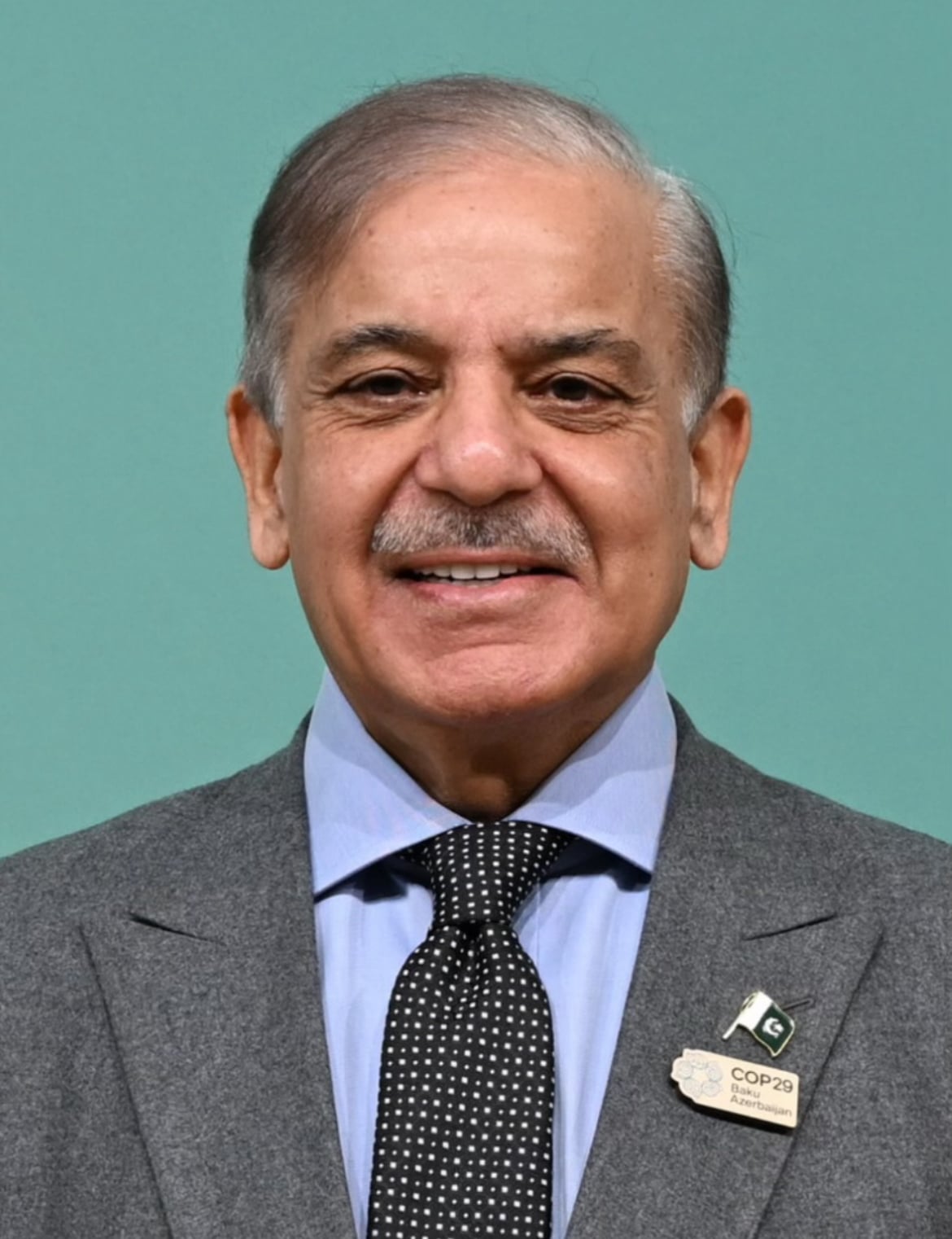
Prime Minister Shehbaz Sharif on Monday, 10 August 2026, told the federal cabinet that the Pakistan-Saudi Arabia-Türkiye defence agreement signed in Makkah was purely defensive and not directed against any country, as the cabinet approved a new national housing policy and a cybersecurity framework.
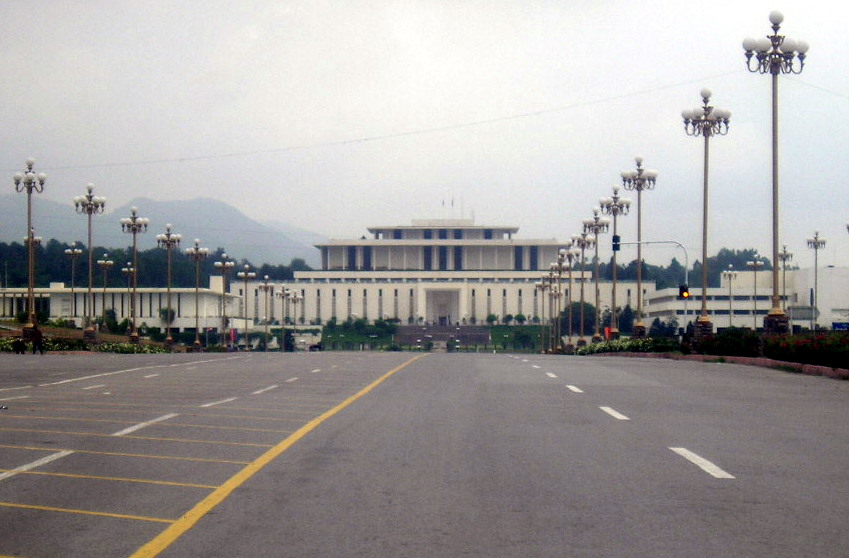
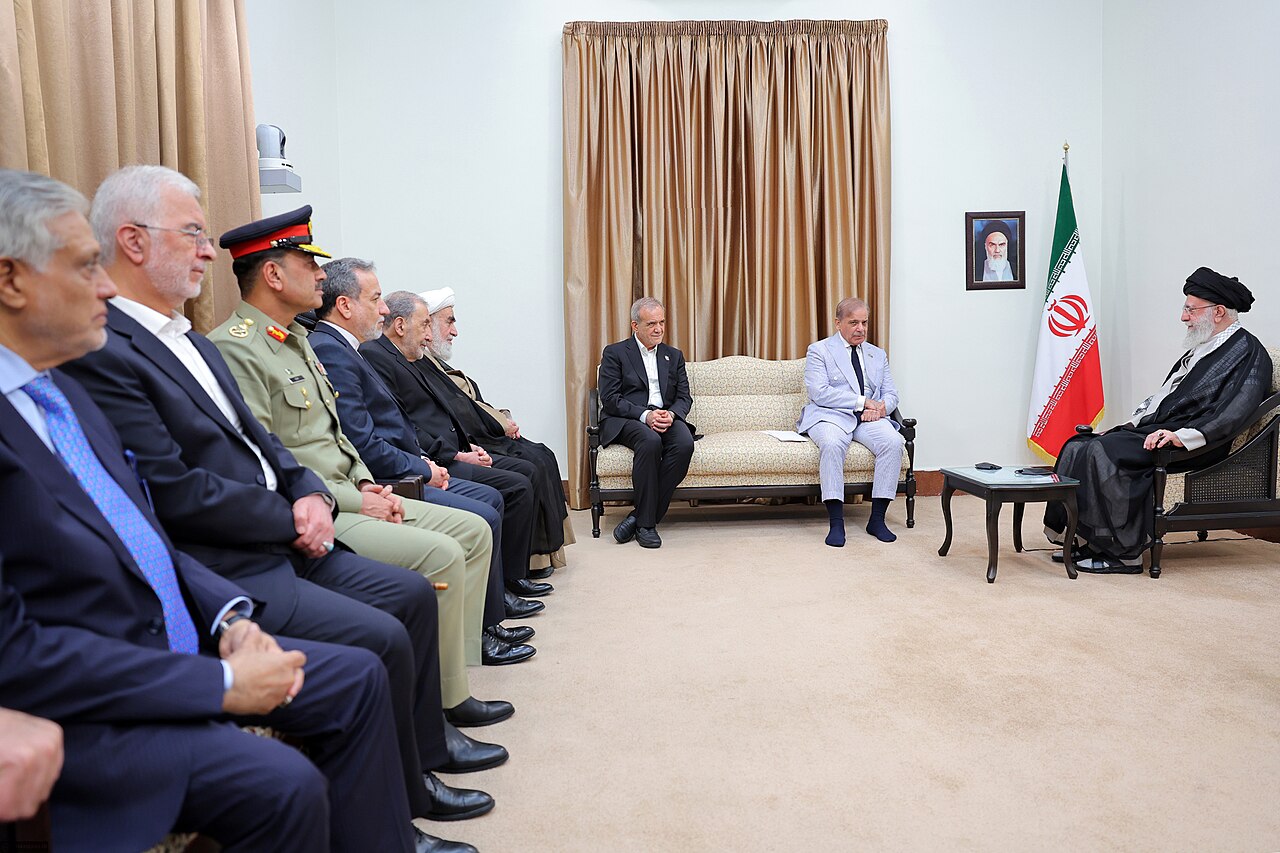
Addressing the cabinet meeting in Islamabad, the prime minister said the Makkah Joint Defence Agreement was significant not only for the three signatory countries but for the wider Muslim Ummah. He recalled that the accord, announced after Friday’s signing, was endorsed by himself, Saudi Crown Prince Mohammed bin Salman and Turkish President Recep Tayyip Erdogan.
“It is entirely for defensive purposes, for peace, tranquillity and progress in the region,” Shehbaz said, according to Dawn. He added: “I believe this agreement is a source of strength not just among these three countries, but for the entire Muslim ummah.”
The prime minister thanked Deputy Prime Minister and Foreign Minister Ishaq Dar and Chief of Defence Forces Field Marshal Asim Munir for their role in concluding the agreement after what he described as years of negotiation. He noted that Pakistan and Saudi Arabia had signed a bilateral defence agreement in 2025, while Islamabad and Ankara had maintained defence cooperation for decades.
The cabinet later passed a unanimous resolution commending Shehbaz, Dar and Field Marshal Munir for their “wise and far-sighted leadership”, and described the trilateral pact as a landmark diplomatic and defence development.
Cabinet decisions
The cabinet approved the National Housing Policy 2026 and its implementation plan, directing authorities to enforce zoning laws, encourage vertical construction for efficient land use and incorporate energy-efficiency codes into housing projects. It was also briefed on the Prime Minister’s Apna Ghar scheme, under which banks have approved loans worth 220 billion rupees, with more than 32 billion rupees already released to applicants.
The cabinet approved the withdrawal of the notice terminating the 1981 Bilateral Investment Treaty between Pakistan and Sweden, on a summary submitted by the Board of Investment. It also approved the Pakistan Information Security Framework 2026, described as a document for strengthening cybersecurity and setting uniform information-security standards under the CERT Rules 2023.
It ratified decisions of the Cabinet Committee on Energy, including proposed amendments to the Pakistan Oil Refining Policy 2023 aimed at upgrading refineries and improving energy security, as well as decisions taken by the Economic Coordination Committee on 27 July and 4 August and by the Cabinet Committee on Legislation on 24 July.
Why it matters
The Makkah accord commits its signatories to treat an armed attack on one of them as an attack on all, a formulation officials have described as consistent with the right of collective self-defence under Article 51 of the United Nations Charter. The cabinet’s framing of the pact as defensive follows concern in the region about its implications.
The housing and cybersecurity decisions add to a packed cabinet agenda covering energy, investment and security policy, with the government presenting the measures as part of its reform programme.
Sources & reporting notes
This is a summary of published reporting, not independent reporting. Details and the quoted remarks are as carried by the cited sources, which were reviewed on 10 August 2026.
- Pakistan Today — "Makkah Defence Pact heralds regional peace, Muslim unity: PM"10 August 2026 · Cabinet decisions on the housing policy, investment treaty, cybersecurity framework and energy committee decisions.
- Dawn — "Pak-Saudi-Turkiye defence pact 'entirely for defensive purposes', not aggression: PM Shehbaz"10 August 2026 · The prime minister's remarks on the Makkah Joint Defence Agreement and the attribution of the pact.