Reporting snapshot · 22 October 2026. The ship attacks and the damage they caused are Iranian military claims that no independent authority has confirmed. The reported plans by the United States and Israel are also attributed to officials and media reports, not established fact. The situation may change quickly.
What happened
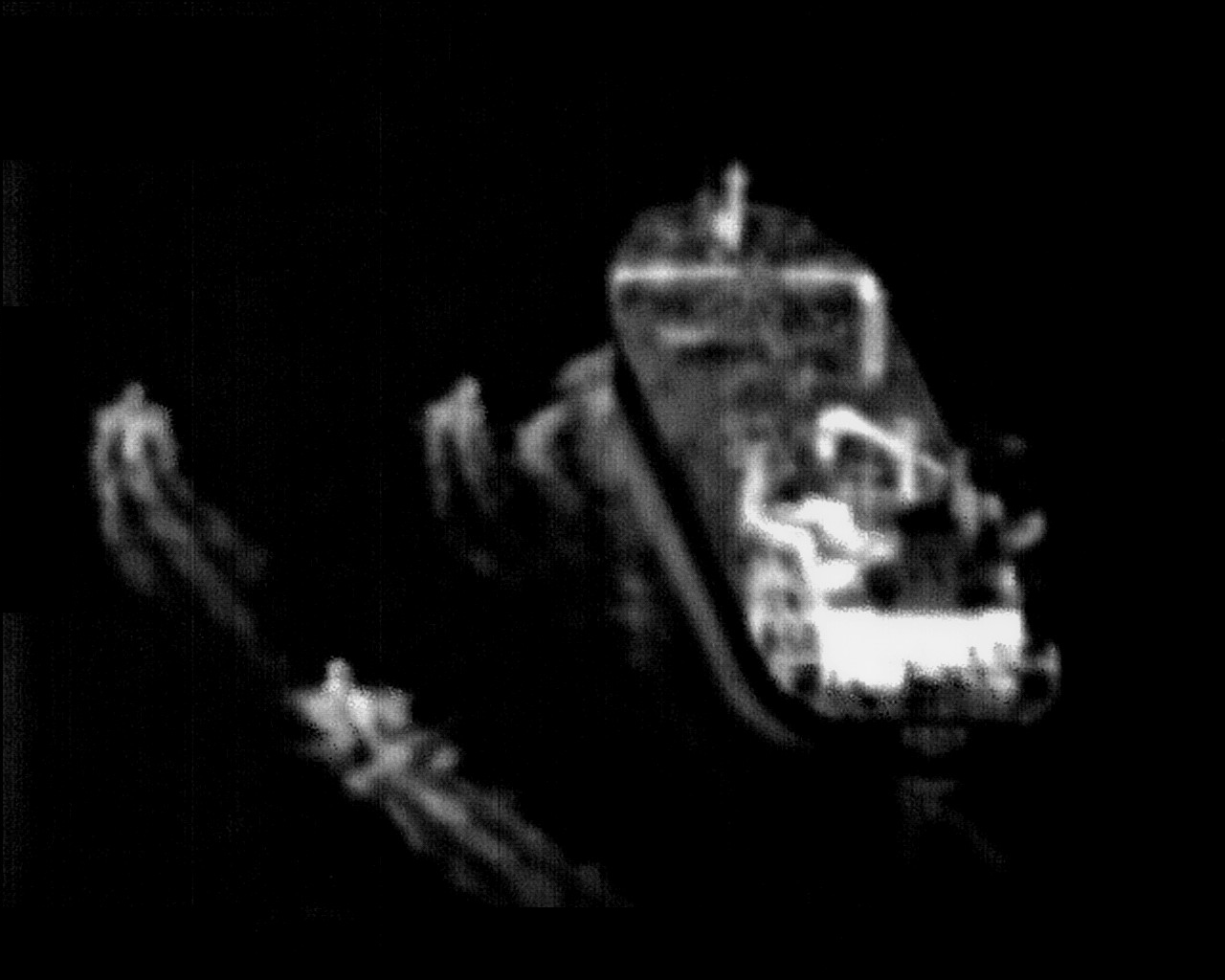
Iran’s Islamic Revolutionary Guard Corps said on Thursday, 22 October, that its naval forces had struck four vessels in the northern Gulf and that three more ships had hit mines west of the Strait of Hormuz. The IRGC accused the four vessels of transferring oil between ships along unauthorised routes and said fires were still burning on them, Al Jazeera reported. Reuters, in a report carried by The Express Tribune, said the IRGC warned that continued US pressure could widen its response to American bases in the region.
There was no independent verification of how many ships were hit, what they were carrying or what damage they suffered, the Guardian reported. Brent crude was trading at $113.4 a barrel on Thursday, a recent high, the newspaper said.
The shipping claims came alongside a broader warning. Mohsen Rezaei, secretary of Iran’s Supreme National Security Council, said negotiations with the United States had been suspended and that undersea internet cables, data centres and artificial intelligence facilities could be targeted if war broke out, according to Reuters. The Guardian reported that Rezaei described the threat as extending to as many as seven countries in the Gulf.
A day earlier, an IRGC spokesman, Hossein Mohebi, said Iran’s defence doctrine had shifted from a defensive posture to an “offensive and asymmetrical” one. “If a country attacks us, we will both respond and launch an offensive,” Mohebi said, according to Al Jazeera. He also claimed Iran’s missile stockpile had grown 1.5 times since the June 2025 war with Israel and that Tehran was preparing to unveil a weapon he called the “father of all bombs”. Those figures and the weapon claim have not been independently confirmed.
What the doctrine changes
The significance of the announcement lies less in any single weapon than in the stated shift in how Iran says it will fight. For years, Iranian officials described their military posture as deterrent and retaliatory: Iran would respond if attacked, but would not initiate a wider war. Mohebi’s formulation explicitly adds an offensive component, and Rezaei’s warning extends the potential target list from military bases to the civilian infrastructure that underpins Gulf economies.
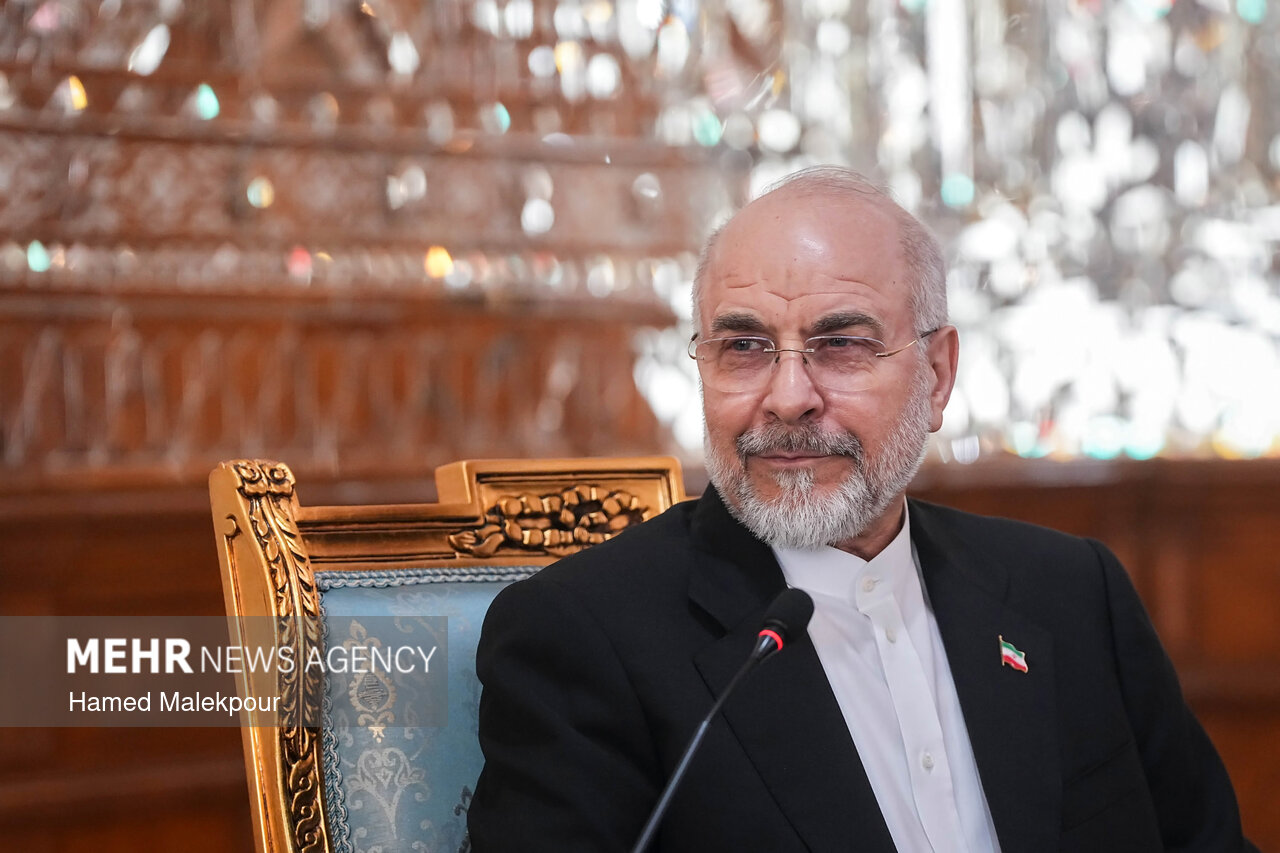
Rezaei framed that threat as reciprocity. “There can be no arrangement in which Iran’s economic lifelines come under attack while the economic architecture enabling those attacks is considered untouched and immune,” the Guardian quoted him as saying. Mehdi Mohammadi, an adviser to parliament speaker Mohammad Bagher Ghalibaf, went further, saying Iran’s strategy in a third war would be “zero red lines” and that the conflict would last longer and cover a wider area than its adversaries expected, according to the same report.
Analysts told Al Jazeera that the doctrine reflects a conclusion in Tehran that earlier rounds of retaliation failed to deter US and Israeli attacks. Negar Mortazavi, a senior fellow at the Centre for International Policy, said Iran was trying to establish a new equation in which any future attack carries a much higher cost. Rami Khouri, a nonresident senior fellow at the Arab Center, said the strategy was intended to make the consequences of war reach the United States, Israel and the Gulf states that support their operations. Khouri cautioned that Iran’s ability to withstand another major offensive, and to inflict comparable damage, remained uncertain.
Why the shipping claims matter
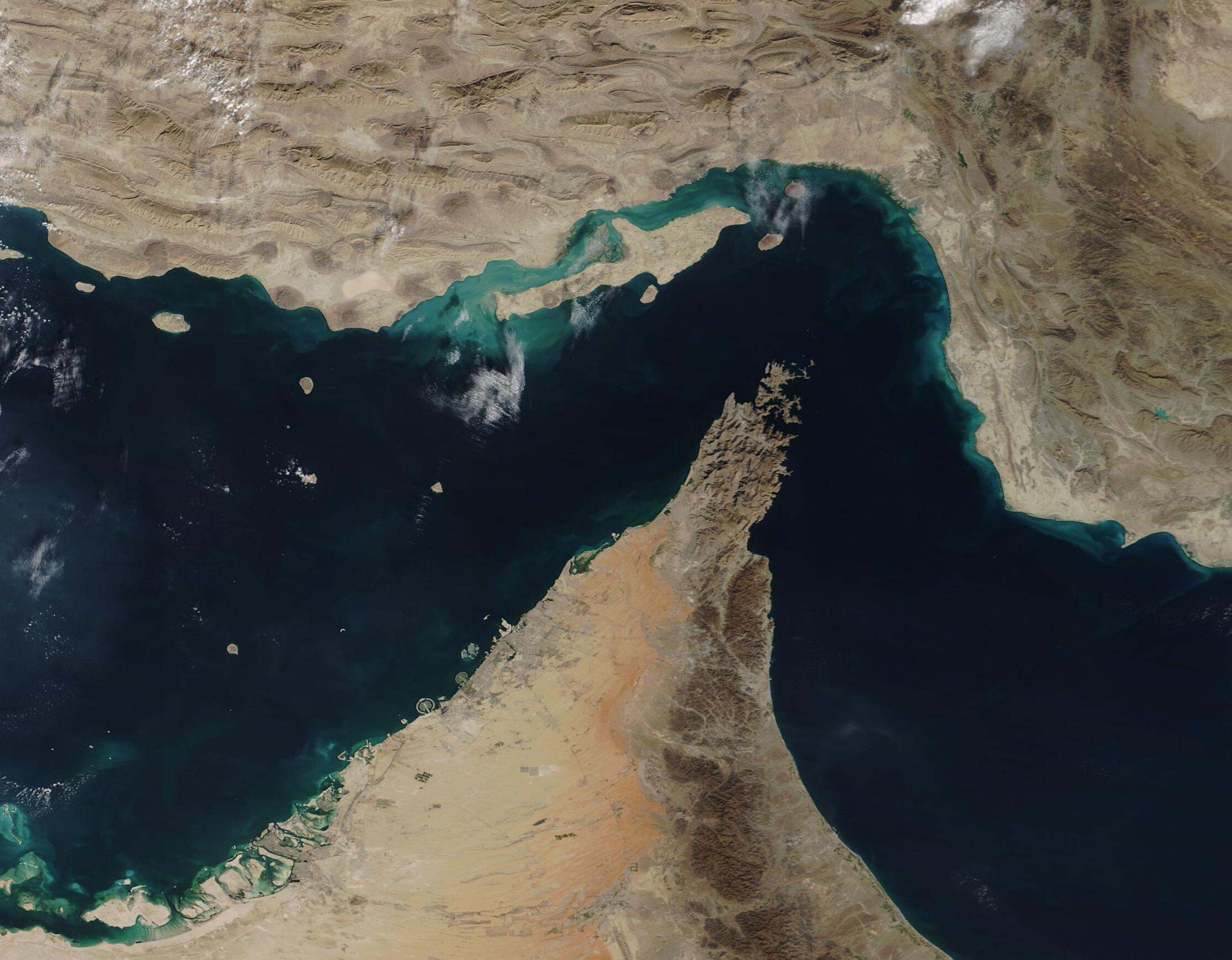
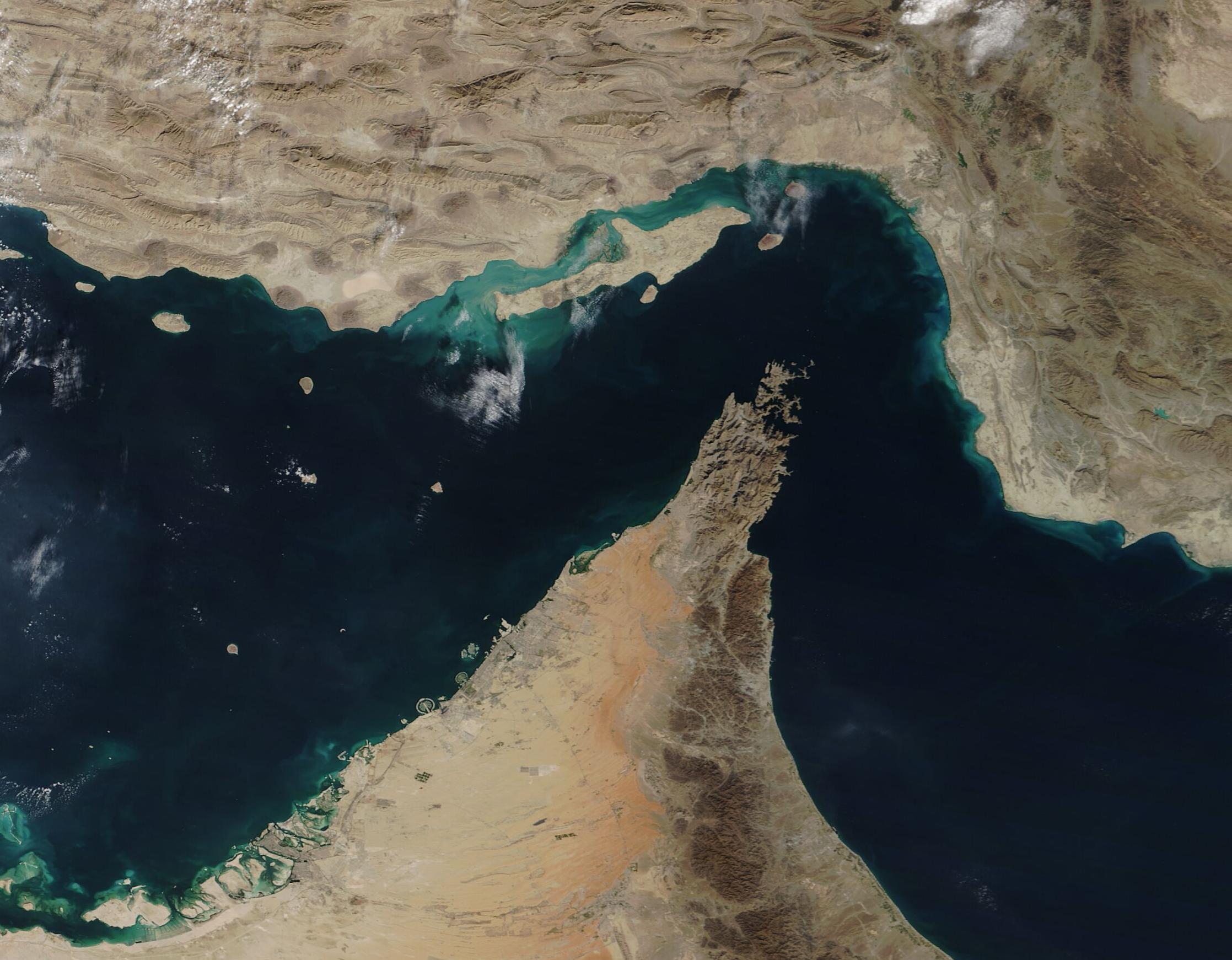
The Strait of Hormuz is one of the world’s most important oil chokepoints. Before the war, about one-fifth of global oil and natural gas supplies passed through it, according to Al Jazeera. The waterway has been central to Iran’s economic leverage since the conflict began, and the latest claims suggest that the shipping lane remains an active front even as diplomats try to revive talks.
For Pakistan, the stakes are direct. The country draws up to about 90 per cent of its oil and liquefied natural gas imports through the Strait of Hormuz and holds no strategic petroleum reserves to fall back on, as KhabarWire reported when Qatar and France called for the waterway to reopen. A sustained disruption would raise fuel and power costs, strain the current-account position and complicate the government’s efforts to secure winter gas supplies.
Pakistan is also involved in the diplomacy. Its army chief, Field Marshal Asim Munir, was in Tehran on 21 October pressing for movement on a ceasefire and the reopening of the strait, as KhabarWire reported at the time. The wider mediation track is collected in KhabarWire’s Pakistan, Iran and the US mediation hub. Foreign ministers from three European countries, plus Turkey, Saudi Arabia, Pakistan and Egypt, are due to meet in Istanbul on Friday to discuss the linked Iranian, Yemeni and Palestinian crises, the Guardian reported. That meeting now has to contend with Tehran’s public warnings that it will widen the war.
What is still uncertain
The most important gap is verification. Iran has not published the names, flags or cargoes of the ships it says it hit, and independent confirmation of the number of vessels damaged or of any oil spill was not available. The IRGC’s account may be accurate, exaggerated or incomplete; the available reporting does not settle the question.
The diplomatic picture is also contradictory. Rezaei said talks with Washington had been suspended, while Al Jazeera reported that Iran has offered a seven-day plan to restore shipping through Hormuz in exchange for the United States ending its blockade of Iranian ports, easing sanctions and unfreezing Iranian assets. Both positions can be true at once if Tehran is keeping a proposal on the table while refusing to negotiate under its current terms, but the sequence matters for anyone trying to judge whether the next move will be military or diplomatic.
It is equally unclear whether the United States and Israel will act on the reported plans for renewed strikes after the US midterm elections on 3 November. The Guardian reported that US and Israeli militaries had developed options and that Defence Secretary Pete Hegseth met Israeli Prime Minister Benjamin Netanyahu this week, but that President Donald Trump has not approved a new campaign. Trump said on Wednesday that Washington was “not negotiating” and that “something one way or the other” would happen “fairly soon”, according to Al Jazeera. He did not specify what.
Iran’s ability to carry out the infrastructure threat is another open question. Undersea cables and data centres are dispersed, defended to varying degrees and often owned by private companies, making the consequences of any attack hard to predict. What defensive measures the Gulf states and the United States have taken in response has not been publicly detailed. Nor is it clear whether the “offensive doctrine” is an operational plan, a negotiating posture, or both.
What happens next
The Istanbul meeting on Friday will test whether Pakistan and the other participating governments can turn the parallel diplomatic tracks into a workable pause. The US midterm elections will shape the timing of any military decision in Washington. Shipping data, insurance rates and the price of Brent crude will show whether markets treat the latest IRGC claims as a temporary flare-up or a lasting change in risk.
For Pakistan, the immediate question is narrower: whether the next LNG and crude cargoes can move through Hormuz without interruption, and whether the diplomatic channel that brought Munir to Tehran this week can keep working while the rhetoric on both sides hardens.