Reporting snapshot · 18 November 2026 (Asia/Karachi). The three documents signed in Islamabad on Tuesday have not been published, so their wording, any timetable and the further agreements still under negotiation are unconfirmed, and the trade figure below comes from the Commerce Ministry's statement rather than from a published statistical release.
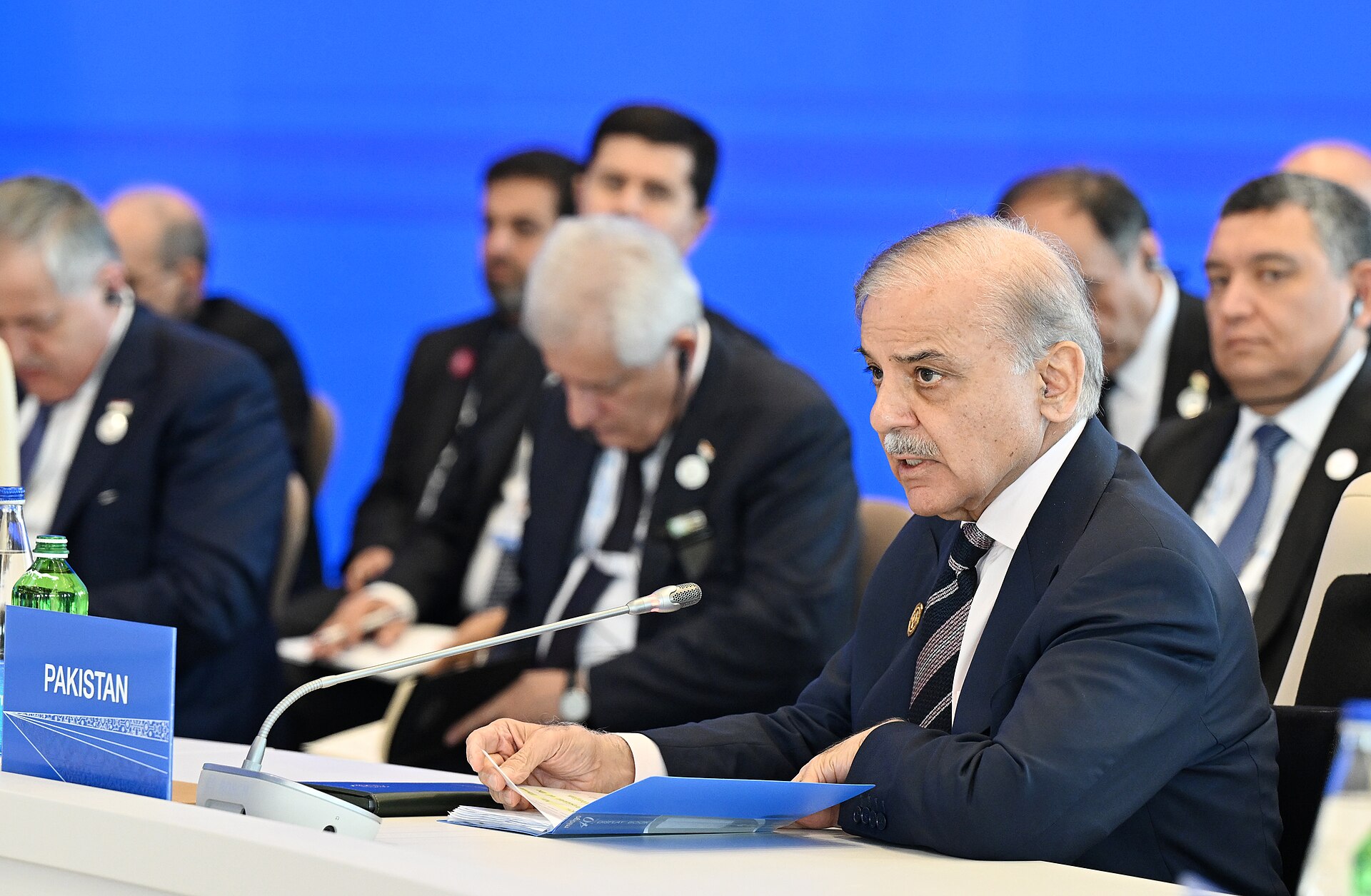
Pakistan and Turkmenistan signed three agreements in Islamabad on Tuesday, 17 November, following the sixth session of the Pakistan-Turkmenistan Joint Intergovernmental Commission, co-chaired by Deputy Prime Minister and Foreign Minister Ishaq Dar and Turkmenistan’s Deputy Chairman of the Cabinet of Ministers and Foreign Minister Rashid Meredov. Radio Pakistan reported that the two signed the protocol of the sixth session together with a programme of cooperation between the two foreign ministries for 2026 to 2030 and a memorandum of understanding on tourism cooperation between Pakistan’s Ministry of Inter-Provincial Coordination and Turkmenistan’s Ministry of Culture. Pakistan Today described the same three instruments as an effort to widen bilateral cooperation in connectivity, trade and tourism, Geo News, reporting the Foreign Office’s account of the meeting, listed the ministries that sent delegations, and The Express Tribune reported that the session reviewed the whole bilateral relationship and looked at energy and transit trade.
The session came a day after the Economic Cooperation Organization’s Council of Ministers closed in the same city. KhabarWire described that ministerial on 17 November, and the corridor argument made there, connecting Central Asia with Pakistan’s Arabian Sea ports, runs straight through what Dar and Meredov discussed on Tuesday.
Three instruments, and none of them a trade treaty
Two of the three documents are plumbing: a protocol recording what the sixth session decided, and a programme of cooperation between two foreign ministries, the kind of instrument that funds working groups and regular meetings rather than building routes. The third, the tourism memorandum, runs between Pakistan’s Ministry of Inter-Provincial Coordination and Turkmenistan’s Ministry of Culture, according to Radio Pakistan, so it commits the two governments to promoting tourism rather than to moving cargo.
None of the three is a trade agreement, a tariff schedule, a shipping contract or a gas deal. The commercial content of the day sat in what the two ministers said at the joint press conference rather than in the signed papers, and the texts themselves have not been published. Meredov said that other documents still under discussion were expected to be finalised before a state visit by Turkmenistan’s leadership to Pakistan, in Islamabad, next year, Pakistan Today reported.
The trade figure behind the signing
The number that made the session urgent is small and falling. Turkmenistan’s Trade Minister and Minister of Foreign Economic Relations Dortguly Suleymanov put bilateral trade at around $15 million between January and September, a fall of 56 per cent year on year, according to the Commerce Ministry’s statement. He attributed the decline mainly to lower textile exports, and noted that trade had exceeded $36 million in 2025, itself roughly 23 per cent below 2024, as reported by Pakistan Today.
A 56 per cent fall in nine months is awkward for the corridor argument that Islamabad has made the centrepiece of its regional diplomacy. The line that Pakistan wants to open between Central Asia and the Arabian Sea runs through Turkmen cargo that, on the Turkmen trade minister’s own account, is now shrinking. The session’s practical purpose was to find a route for that cargo and for a few other things worth moving; what it produced was an agreement to keep working on it.
Karachi, Gwadar and a flight that was only proposed
Dar put ports and transit at the centre of the session. He said the two sides had discussed advancing work on a bilateral transit trade framework and exploring commercially viable transport links, and he reiterated “Pakistan’s readiness to explore practical arrangements for the use of our ports, including Karachi and Gwadar, and Turkmenistan cargo”, Pakistan Today quoted. The phrase matters: readiness to explore arrangements for the use of ports is an offer to negotiate, not a shipping agreement.
Commerce Minister Jam Kamal Khan proposed exploring direct flights between Islamabad and Ashgabat together with chartered cargo services for perishable agricultural and food products, arguing that the short distance between the two capitals could give time-sensitive exports an advantage. Suleymanov did not accept the proposal on the spot: he indicated it could be discussed further with the relevant aviation authorities, Geo News reported. No aviation agreement was signed on Tuesday.
Dar’s framing of ports and corridors matches the second of the five priorities he set for Pakistan’s year as ECO chair, announced at the close of the ministerial a day earlier: connectivity between Central Asia, South Asia and Pakistan’s Arabian Sea ports, which needed harmonised customs procedures and predictable transit arrangements. KhabarWire set out that agenda when the ministerial opened; the bilateral commission is where the argument is now being turned into specific proposals.
TAPI and the power line stay open
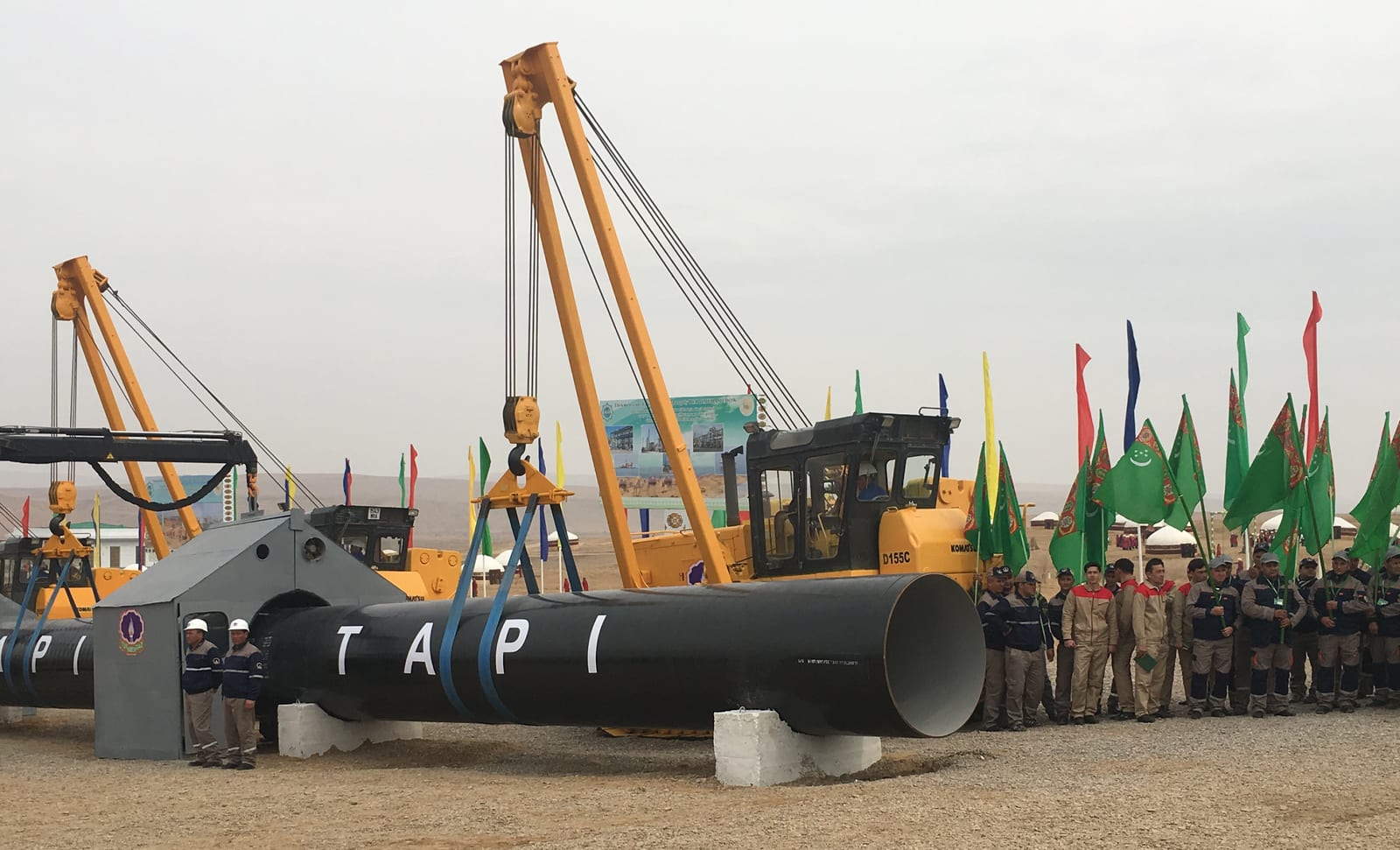
On energy, the session produced agreement to keep talking rather than agreement to build. Dar said the two sides had exchanged views on energy cooperation, including the Turkmenistan-Afghanistan-Pakistan-India gas pipeline, and recognised the importance of continued engagement among the participating countries on its technical and commercial aspects, Pakistan Today reported. For the proposed Turkmenistan-Afghanistan-Pakistan electricity transmission project and its associated fibre-optic communications link, he said further assessment of their technical and commercial viability was needed. The Turkmen section of the gas pipeline was completed in 2018; what happens on the ground beyond it was not settled on Tuesday. KhabarWire reported separately on Tuesday that a Saudi firm’s study of a western-route pipeline to Gwadar has not yet settled whether it competes with TAPI or complements it.
The power file moved a little further the day before, at a meeting between Pakistan’s Energy Minister Sardar Awais Ahmad Khan Leghari and Turkmenistan’s Energy Minister Annageldi Saparov in Islamabad. Profit by Pakistan Today reported that Leghari invited Turkmenistan to join the CASA-1000 electricity transmission project, sought the outstanding technical data for the 1,200-megawatt TAP transmission line, of which seven sets were required and Pakistan had provided three, proposed turning CASA-1000 into a two-way system so members could exchange power by season, and raised supplying Gwadar’s future industrial demand through the Iranian grid. Saparov said Turkmenistan has already built the transmission line as far as Afghanistan, and that the remaining phases and the feasibility assessment for the 1,150-kilometre, 500-kilovolt line towards Quetta would be taken forward in technical working groups.
What the papers leave open
None of the documents signed on Tuesday creates a trade route, a pipeline or a flight. The working groups they refer to have to meet, the aviation proposal has to survive the authorities that would weigh it, and the trade line has to be rebuilt from about $15 million a year and falling. The one dated marker is Turkmenistan’s leadership’s state visit to Islamabad next year, when the remaining documents are meant to be ready. The multilateral test comes sooner: the 18th ECO Summit in Tehran on 3 and 4 December, the meeting the Islamabad ministerial was meant to prepare. KhabarWire follows the connectivity push in its Pakistan and the ECO hub.