What happened
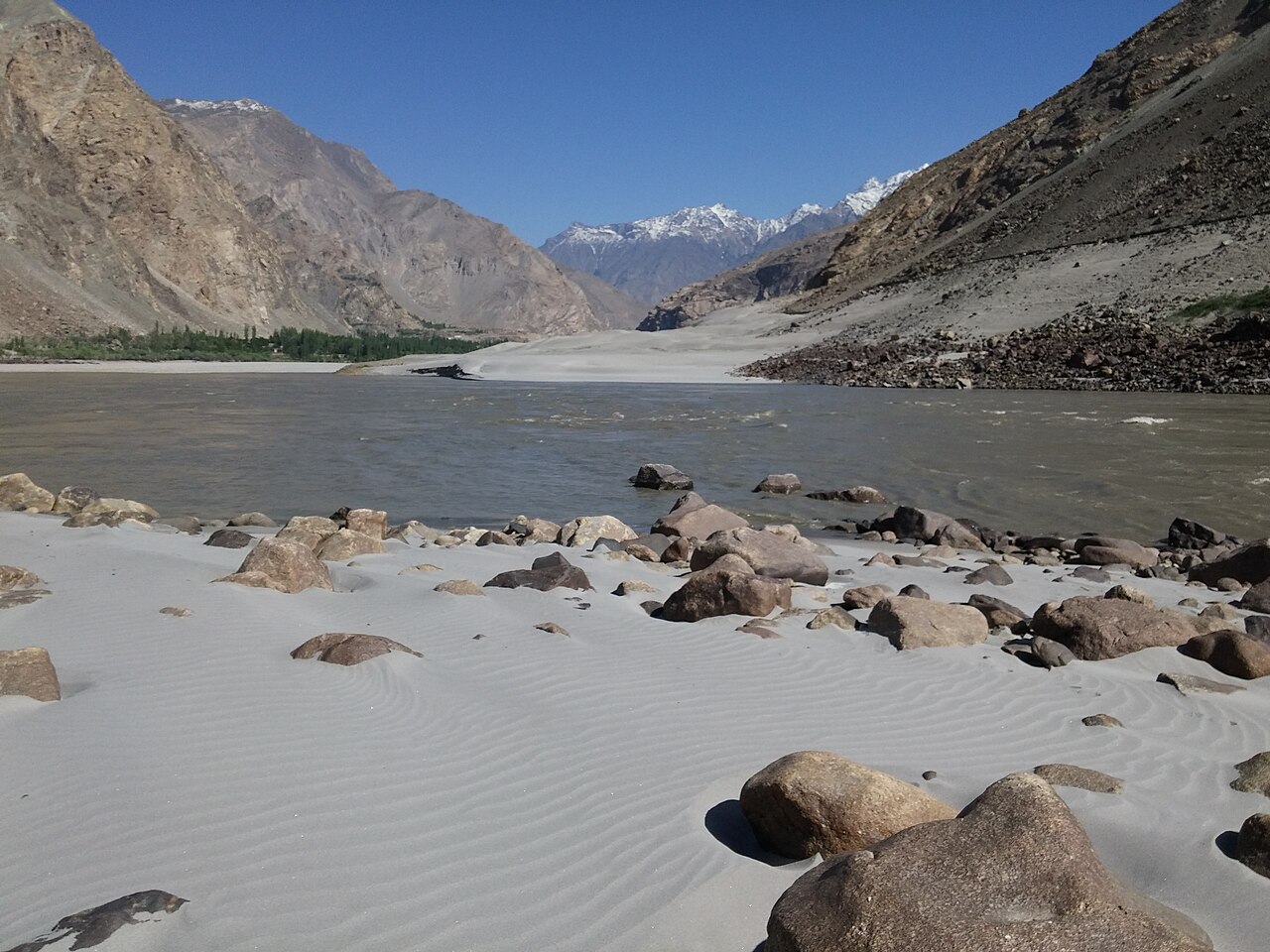
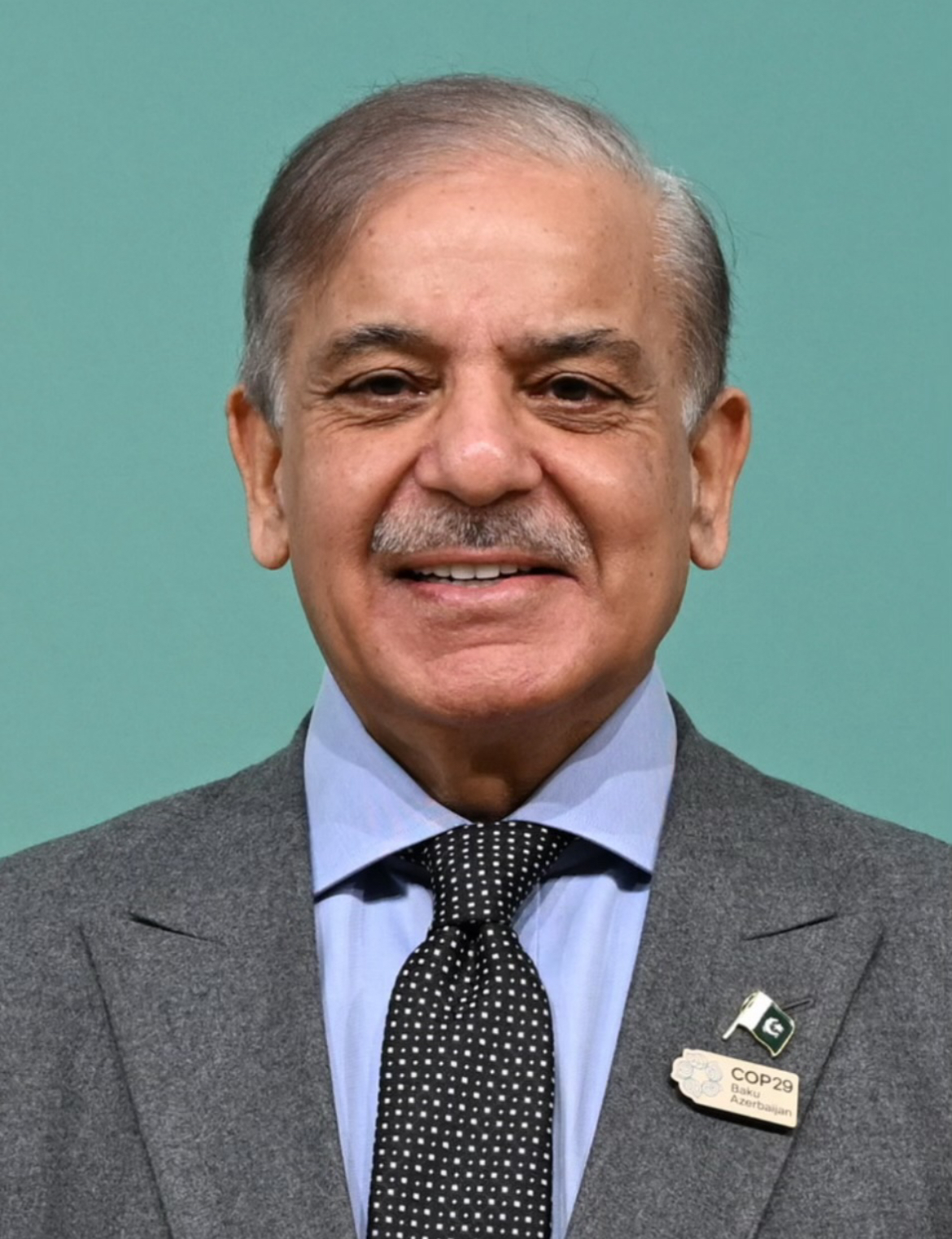
Prime Minister Shehbaz Sharif declared on Thursday, 13 August 2026, that every drop of Pakistan’s water was a “red line”, warning that India would receive a “direct response” if it did not return to the right path.
Speaking at the inauguration of the Yadgar-e-Fatah monument in Islamabad on the eve of Independence Day, the prime minister said Pakistan wanted peace but that its desire for peace should not be mistaken for weakness. “India must come to the right path, otherwise it will be given a direct response,” he said, according to Geo News.
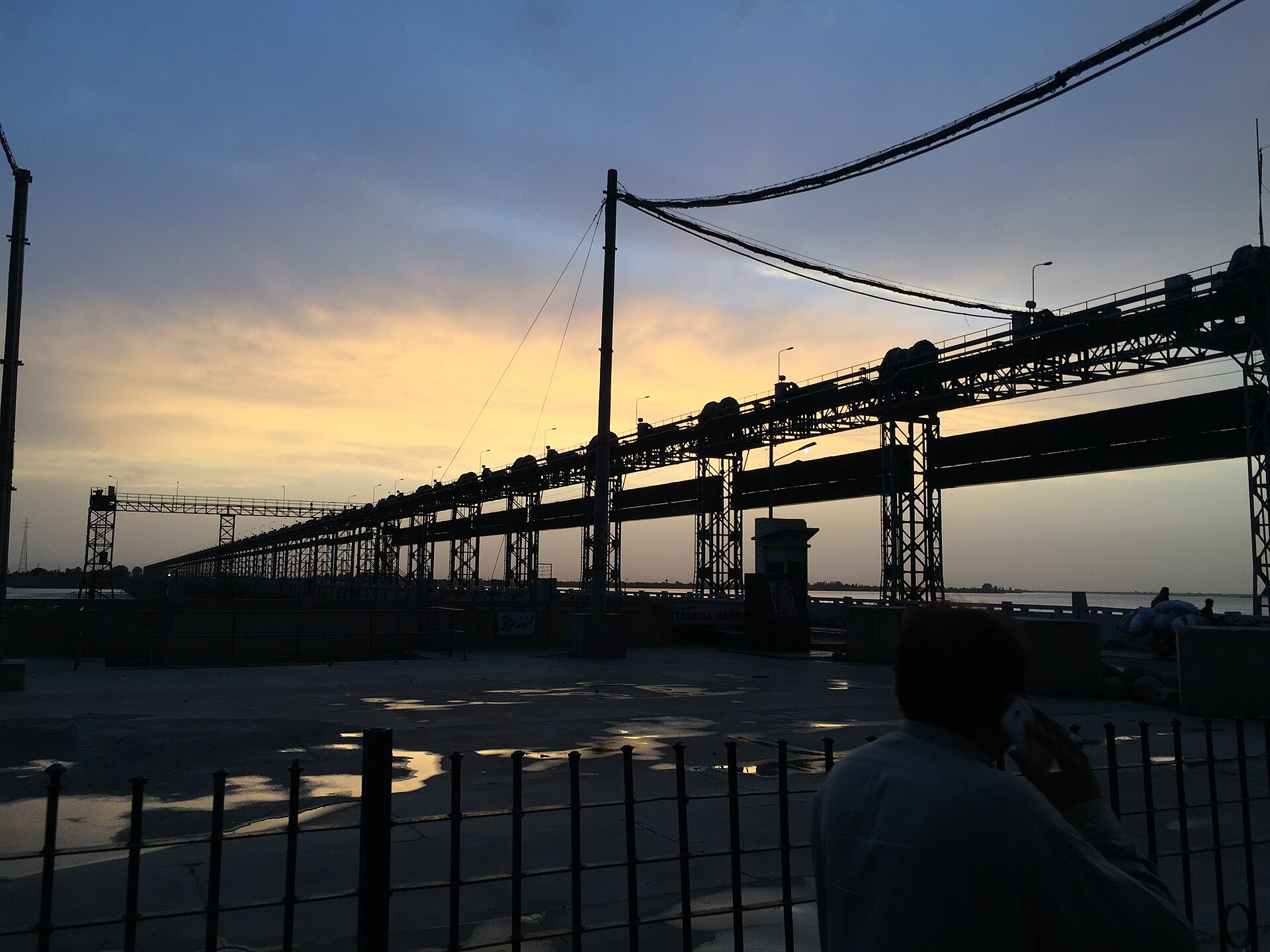
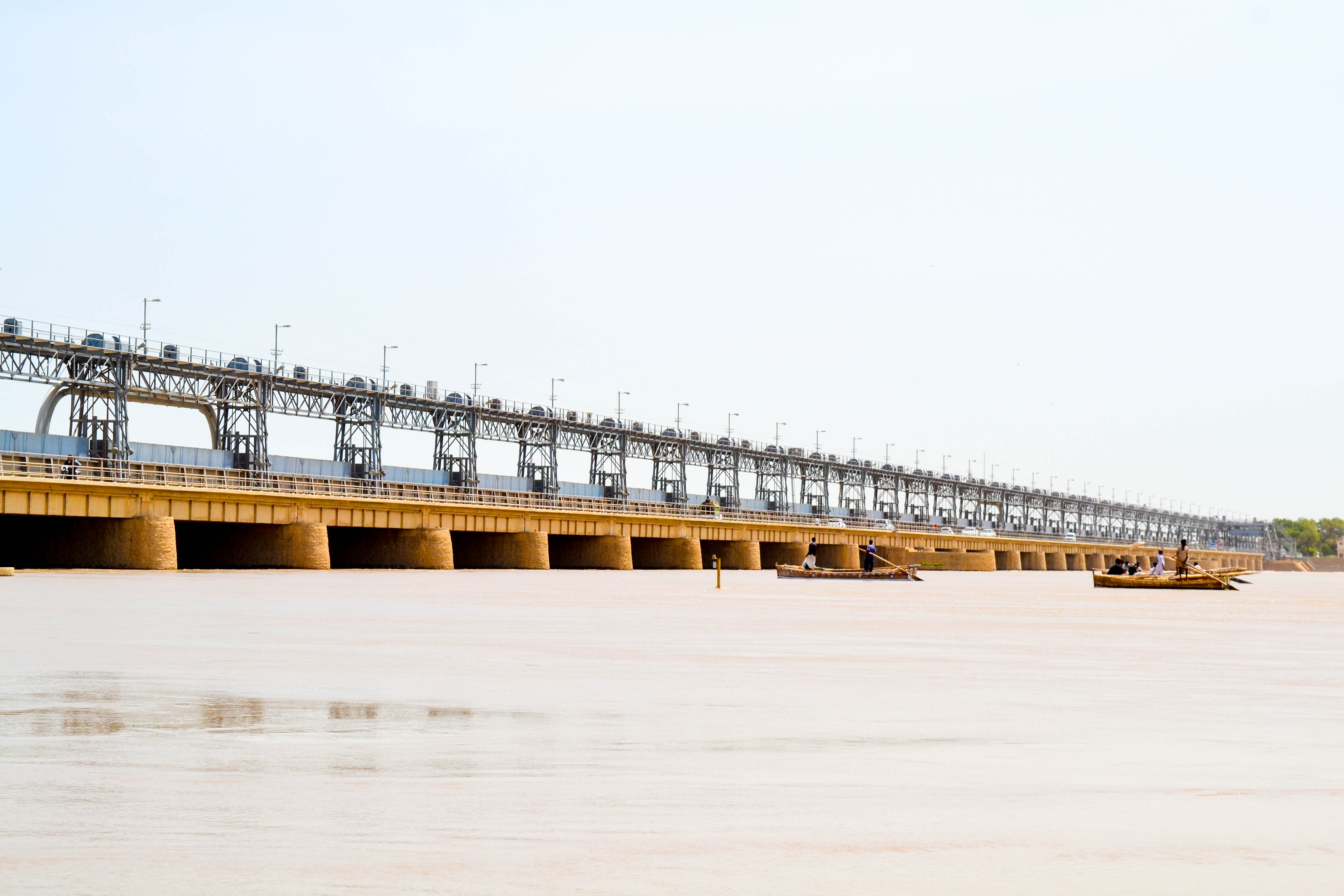
He tied the warning to India’s suspension of the Indus Waters Treaty, which Pakistan has rejected. Pakistan has pressed the point in recent months, accusing India of 17 Indus projects aimed at hydro-hegemony and saying India’s Chenab-Beas link would weaponise water. Geo News reported that the prime minister accused New Delhi of unilaterally abandoning the treaty after what he described as its defeat in the May 2025 conflict, and said Islamabad wanted peace and stability in the region.
The monument
The ceremony marked the formal inauguration of Yadgar-e-Fatah, a monument built to honour Pakistan’s martyrs and commemorate Marka-e-Haq, the term the state uses for the May 2025 conflict with India.
President Asif Ali Zardari, Prime Minister Shehbaz and Chief of Defence Forces and Chief of Army Staff Field Marshal Asim Munir jointly inaugurated the structure, according to the Express Tribune. Contingents of the armed forces, civil armed forces and police from Punjab, Sindh, Balochistan, Khyber Pakhtunkhwa, Azad Jammu and Kashmir and Gilgit-Baltistan took part, and the service chiefs, federal ministers, the Senate chairman, the National Assembly speaker and foreign diplomats attended.
The prime minister paid tribute to Field Marshal Munir and the armed forces over the outcome of the conflict and said the monument’s design had been completed within eight months, Geo News reported.
Regional remarks
In the same address, the prime minister said Pakistan had emerged as a guarantor of peace and pointed to Islamabad’s mediation between the United States and Iran. He also referred to the Makkah Joint Defence Agreement and said Türkiye had joined the accord.
He reiterated Pakistan’s support for the rights of the Palestinian people and its position on Kashmir, and advised the Afghan government to prevent its territory from being used for terrorism. “We are all heirs to Pakistan, and our differences should not turn into enmity,” he said, adding that no power could defeat a united nation.
Why it matters
The address placed water sharing at the centre of Pakistan’s public posture towards India on the eve of the country’s Independence Day, and paired it with a large state ceremony marking the May 2025 conflict. The Indus Waters Treaty had already featured in separate statements and diplomatic exchanges during 2026, including Pakistan’s objections at the United Nations. The remarks were carried by Pakistani outlets as a direct warning over the treaty’s future, while the event itself was presented by the state as a symbol of national unity and military achievement.