Reporting snapshot · 7 October 2026 (Asia/Karachi). Deputy Prime Minister and Foreign Minister Senator Mohammad Ishaq Dar delivered a video keynote at the International Water Symposium in Vienna on 6 October 2026, convened by Pakistan's embassy in Austria with the Vienna Diplomatic Academy. The remarks below summarise that keynote, the Foreign Office readout, and Pakistan's reading of the Permanent Court of Arbitration's 31 August 2026 award. They do not constitute a new agreement, a treaty change, or a unilateral legal step by either side.
What happened in Vienna
Deputy Prime Minister and Foreign Minister Ishaq Dar addressed the International Water Symposium convened by the Embassy of Pakistan in Austria in collaboration with the Vienna Diplomatic Academy on 6 October 2026, Geo News reported, citing the Foreign Office readout. The Foreign Office separately summarised the speech in PR No. 65 and on its official X account, saying the symposium brought together diplomats, academics and international experts to discuss water security, international cooperation, transboundary river governance, and the obligations states carry under international law and treaties.
Dar delivered the keynote through a video message. He framed water as central to human survival, prosperity and environmental sustainability, and said its availability was now shaping the stability of relations between states. He argued that countries sharing transboundary rivers faced a “permanent interdependence” created by their geography, and that the fundamental question was whether shared waters would be governed “through cooperation and agreed legal frameworks, or become instruments of political pressure and confrontation”, Geo News reported.
The symposium itself, according to Pakistan’s embassy in Minsk, ran from 16:00 to 20:00 Vienna time on 6 October in the Festsaal of the Vienna Diplomatic Academy and included a separate session on transboundary river governance.
Why the IWT is back in focus
Pakistan’s case for urgency rests on the 1960 Indus Waters Treaty and the fact that India has, in Pakistan’s reading, kept it in abeyance for more than a year. The IWT, signed in 1960 after a decade of negotiations, replaced what Dar called “upstream discretion” with binding legal obligations and gave both countries a framework of “certainty and predictability”, built on the recognition that “waters upon which millions depend must remain insulated from the fluctuations in political relations”, Geo News reported.
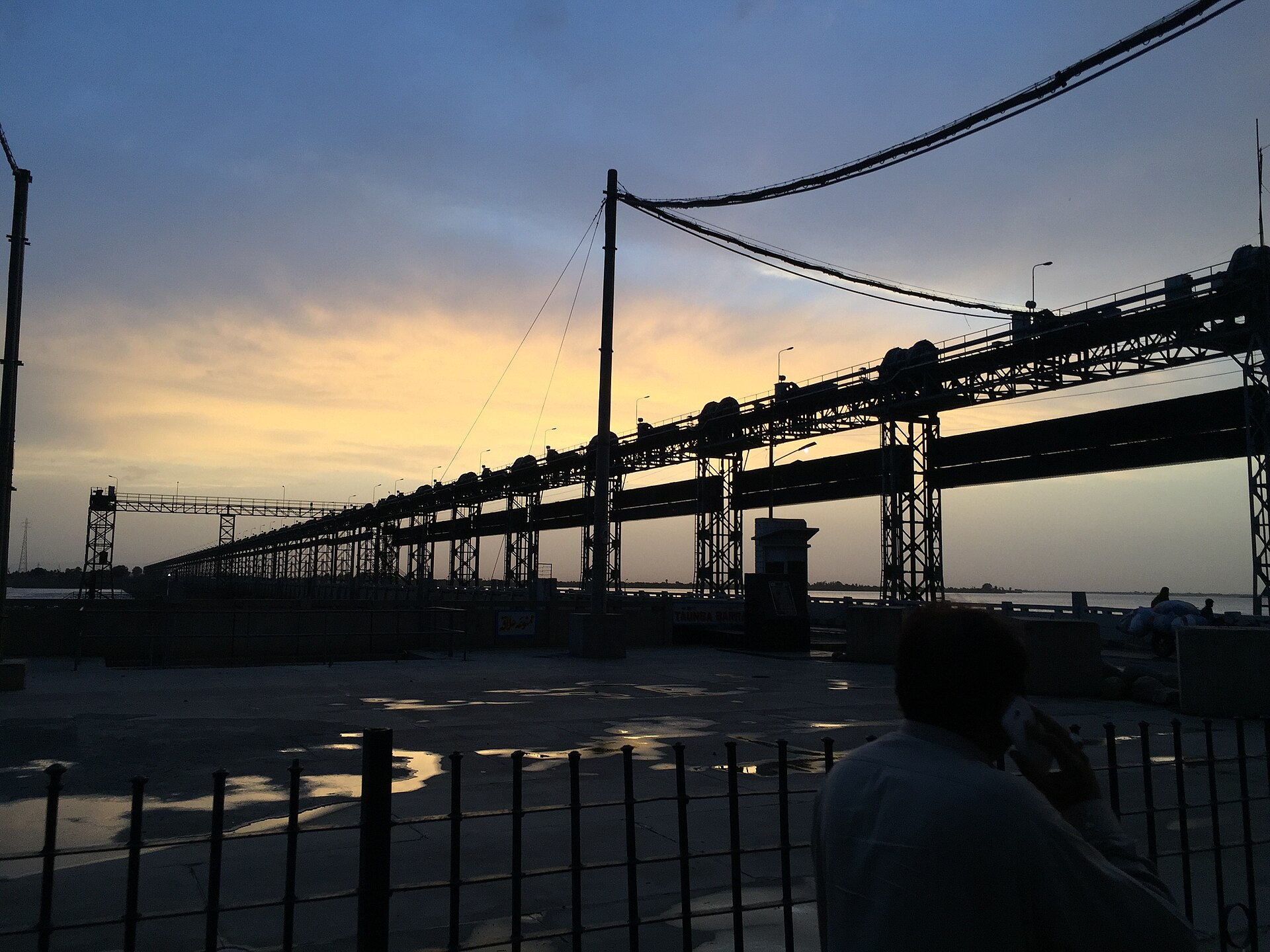
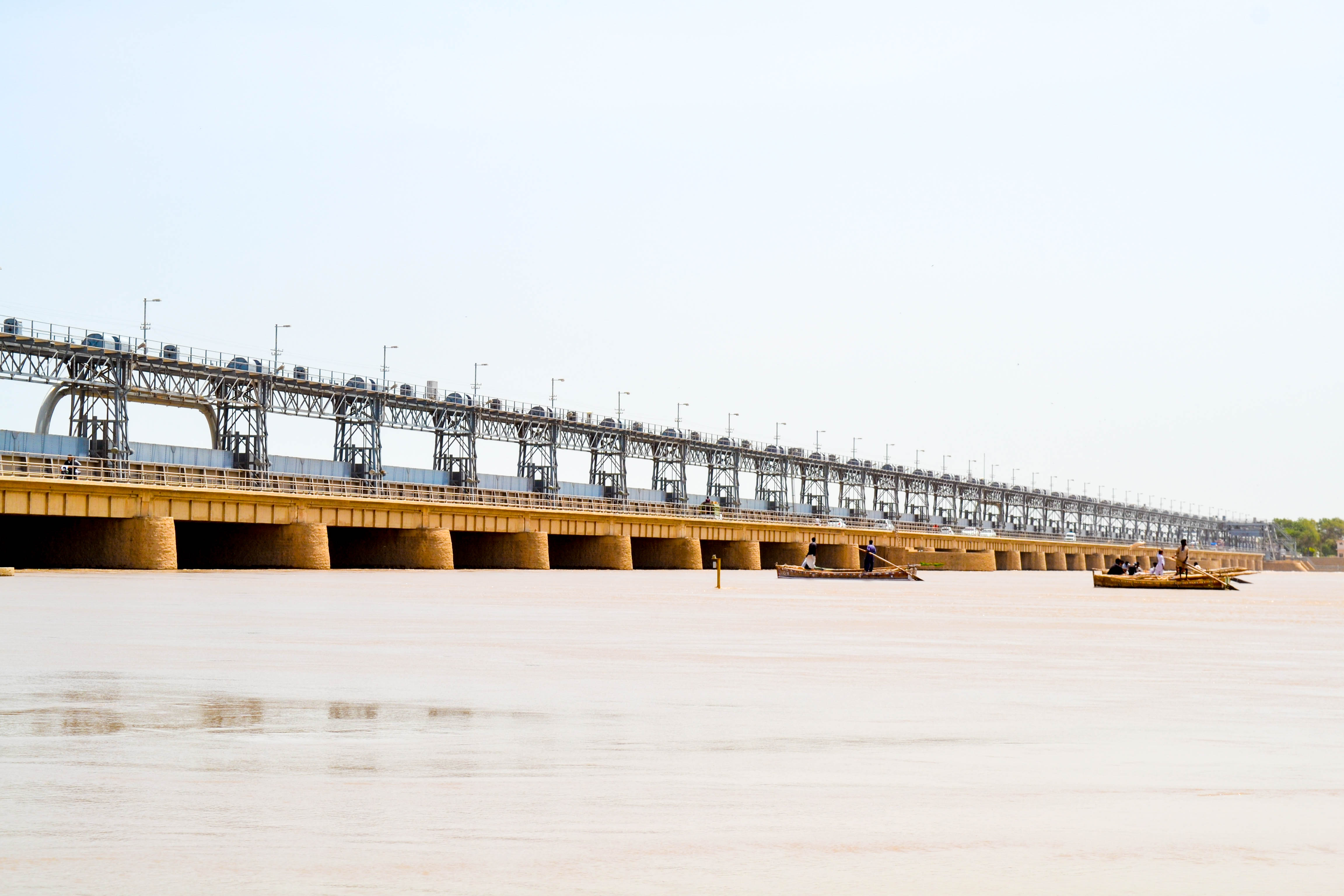
The treaty allocates the eastern rivers — Ravi, Beas and Sutlej — to India, and the western rivers — Indus, Jhelum and Chenab — largely to Pakistan. It also sets up mechanisms for data-sharing and dispute resolution.
Dar argued that this principle has been under challenge since India unilaterally placed the treaty “in abeyance” in April 2025, although the treaty contains no provision allowing either party to do so, Pakistan Today reported. The move followed the killing of 26 tourists in an attack in Pahalgam, Indian Illegally Occupied Jammu and Kashmir (IIOJK), which India blamed on Pakistan; Islamabad rejected the allegation and denied involvement. Pakistan responded at the time by warning that any move to stop its treaty-allocated water supplies would amount to an “act of war”, arguing the agreement had no suspension clause, and that India’s action also breached the 1969 Vienna Convention on the Law of Treaties.
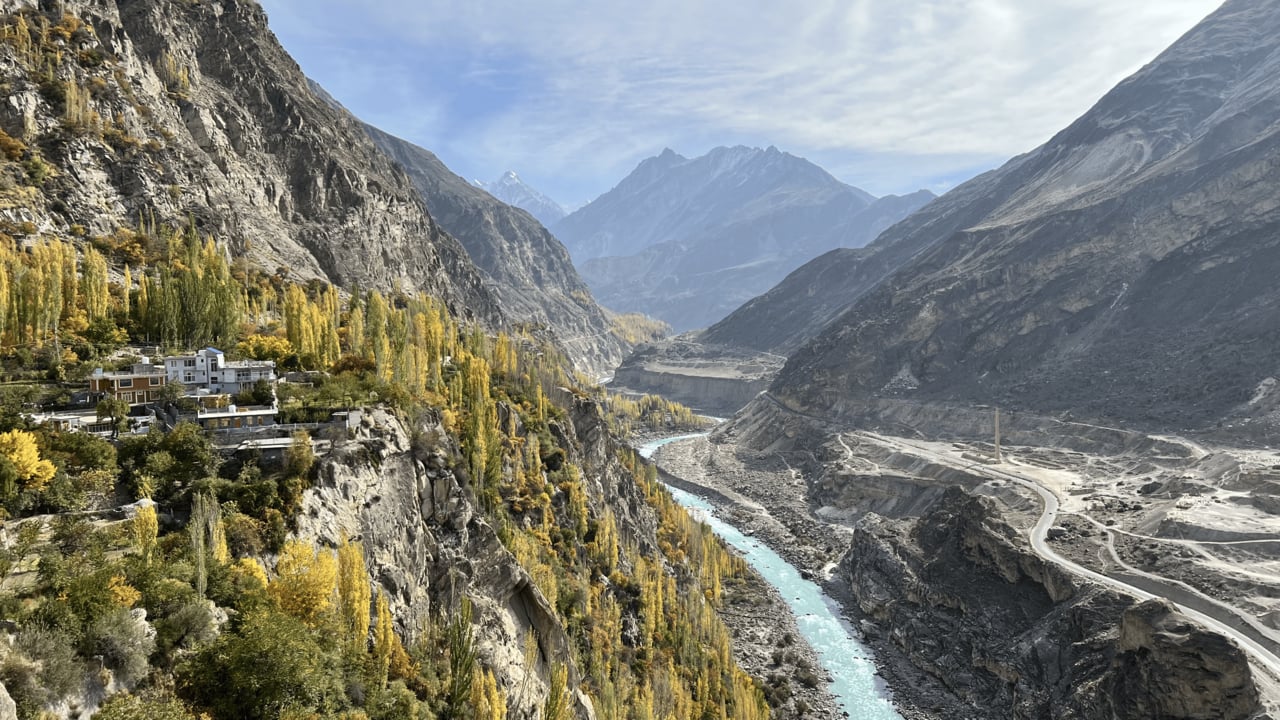
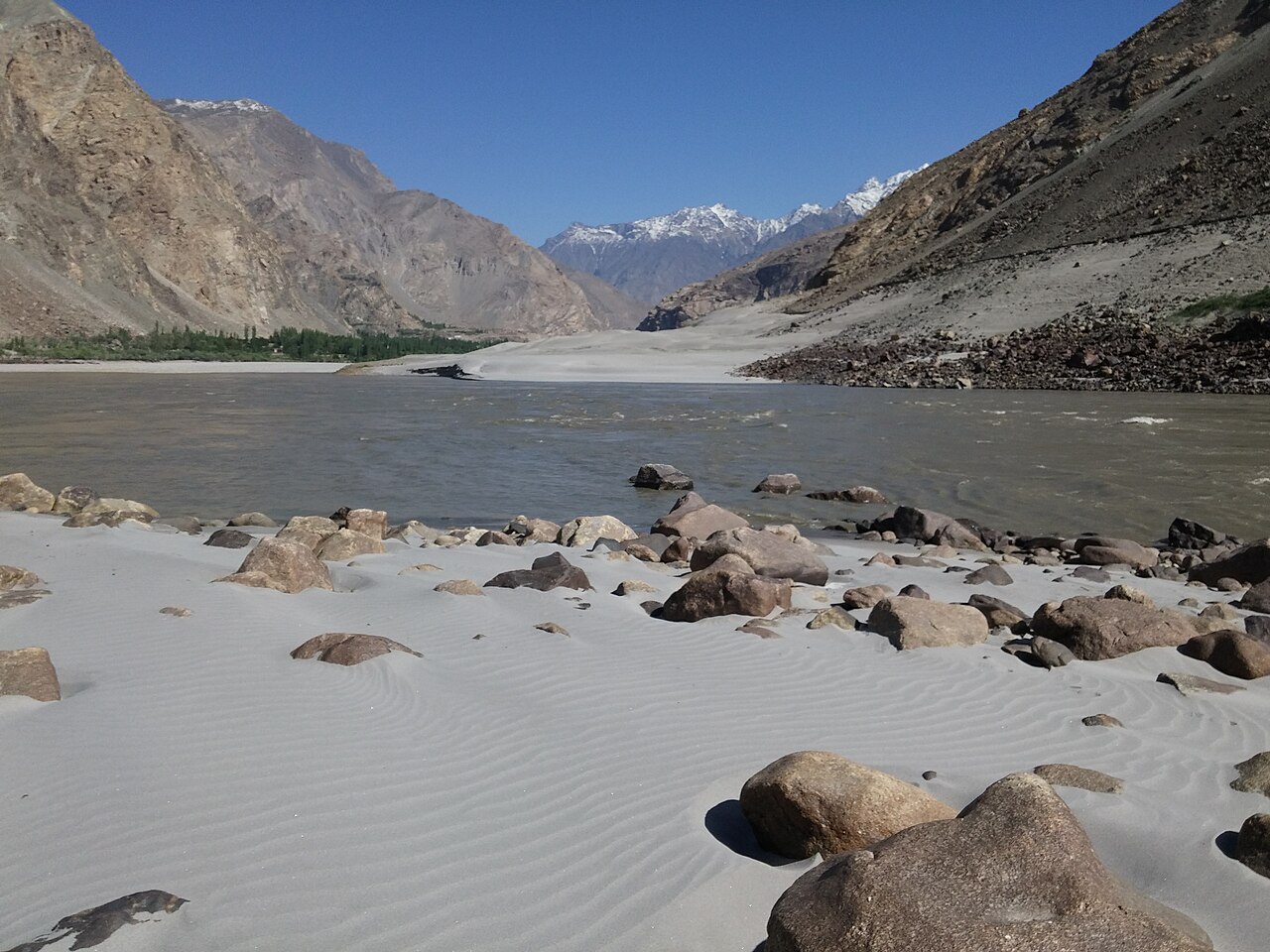
For Pakistan, water security is inseparable from food security. The waters of the Indus River System sustain the lives and livelihoods of over 250 million people in the country, Dar said, according to Pakistan Today. He highlighted agriculture, food security, energy production, economic development and life-supporting ecological systems as the sectors most exposed.
The PCA award and what Dar says it changes
The strongest legal reference point for Pakistan’s current position is the Permanent Court of Arbitration’s unanimous award on 31 August 2026 on the status of the IWT. The tribunal found the treaty “remains fully in force” and that India continued to be bound by its obligations, finding no grounds to justify its suspension or termination, Geo News reported. The award also restricted India’s work on a hydropower project at issue in the proceedings. The 31 August 2026 ruling is documented separately in KhabarWire’s earlier coverage of the PCA award on the IWT.
Dar cited the award in Vienna. “Pacta sunt servanda: agreements must be kept”, he told the symposium, Pakistan Today reported. He added that the credibility of international law rested “not only on the conclusion of treaties, but also upon their faithful implementation and respect for decisions rendered under their agreed procedures” — a principle, he said, Pakistan had consistently upheld.
Pakistan is also participating in the Neutral Expert proceedings under the treaty administered by the PCA’s Vienna Office. Dar said Pakistan’s constructive engagement with both the Neutral Expert process and the PCA’s award process showed its confidence in the IWT’s institutional mechanisms, Pakistan Today reported. He described the use of water as an “instrument of pressure” as carrying “profound” humanitarian, economic and security consequences, and warned that India’s position could set a “dangerous precedent” for other transboundary river basins governed by international agreements.
What Dar asked the international community to do
Dar outlined three principles for moving forward: implementing the IWT in letter and spirit; resolving all differences through the treaty’s established mechanisms and respecting the decisions reached through them; and strengthening technical engagement, transparency and data-sharing between the two countries in line with the treaty, Geo News reported.
He framed the stakes more broadly. “Amidst challenges to the international law-based world order, the international community should be strengthening treaty-based cooperation, not permitting its erosion”, he said, according to Pakistan Today. He concluded with a stated preference that is also a recurring line in Pakistani diplomacy: “cooperation over coercion, dialogue over confrontation, and the rule of law over unilateralism.”
What is still uncertain
Three things remain open. First, India has not reversed its position since April 2025. New Delhi has publicly rejected the PCA’s 31 August 2026 award, with its foreign ministry saying it does not recognise the court and “categorically” rejects the verdict, according to Geo News. It is unclear whether Pakistan will use the award as a basis for further legal filings or for renewed Neutral Expert proceedings.
Second, the Neutral Expert process under the IWT is ongoing. Pakistan is participating, but the schedule and substantive output of that process have not been made public.
Third, no new water-sharing data has been exchanged since the 2025 abeyance. Dar called for transparency and data-sharing, but India’s position remains the binding constraint. Until data-sharing resumes or a court ruling forces it, the operational meaning of the “in force” language in the PCA award will remain contested.
The Vienna symposium was a diplomatic platform, not a negotiating one. It widened the audience for Pakistan’s reading of the IWT and the PCA award, but did not change the legal state of play.
Sources & reporting notes
This is a synthesis of published material, not eyewitness reporting. Sources were reviewed on 7 October 2026 (Asia/Karachi).
- Press Information Department — PR No. 65, 6 October 20266 October 2026 · Primary record of Deputy Prime Minister Dar's address at the International Water Symposium in Vienna, as carried by Pakistan's Press Information Department.
- Ministry of Foreign Affairs of Pakistan — official X post, 6 October 20266 October 2026 · Primary readout from Pakistan's Foreign Office summarising the keynote, the IWT reaffirmation, and the citation of the Court of Arbitration award.
- Geo News — "India's bid to restrict Pakistan's water share carries 'serious security implications': Dar", 7 October 20267 October 2026 · Independent Pakistani reporting on Dar's keynote, the IWT abeyance background, the PCA award, and India's rejection.
- Pakistan Today — "Dar warns IWT water rights violations to carry 'serious' regional peace, security implications", 6 October 20266 October 2026 · Independent Pakistani reporting carrying additional quoted passages from the keynote, the Foreign Office tweet and the press release number.