Reporting snapshot · 28 August 2026. This reports remarks by Deputy Prime Minister and Foreign Minister Ishaq Dar on the day. The positions he described are Pakistan's stated positions, and no change in India's treaty stance had been announced.
What happened
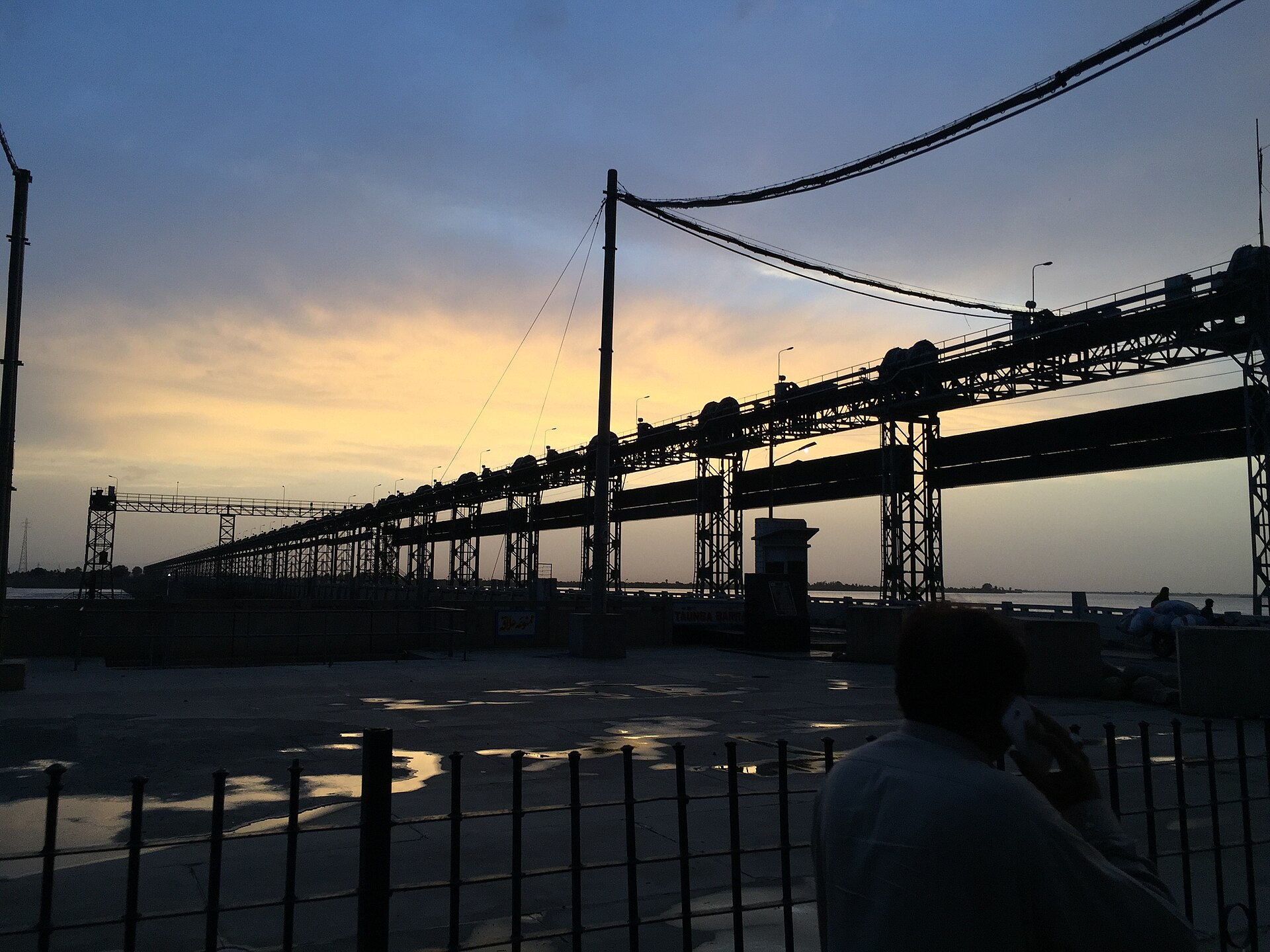
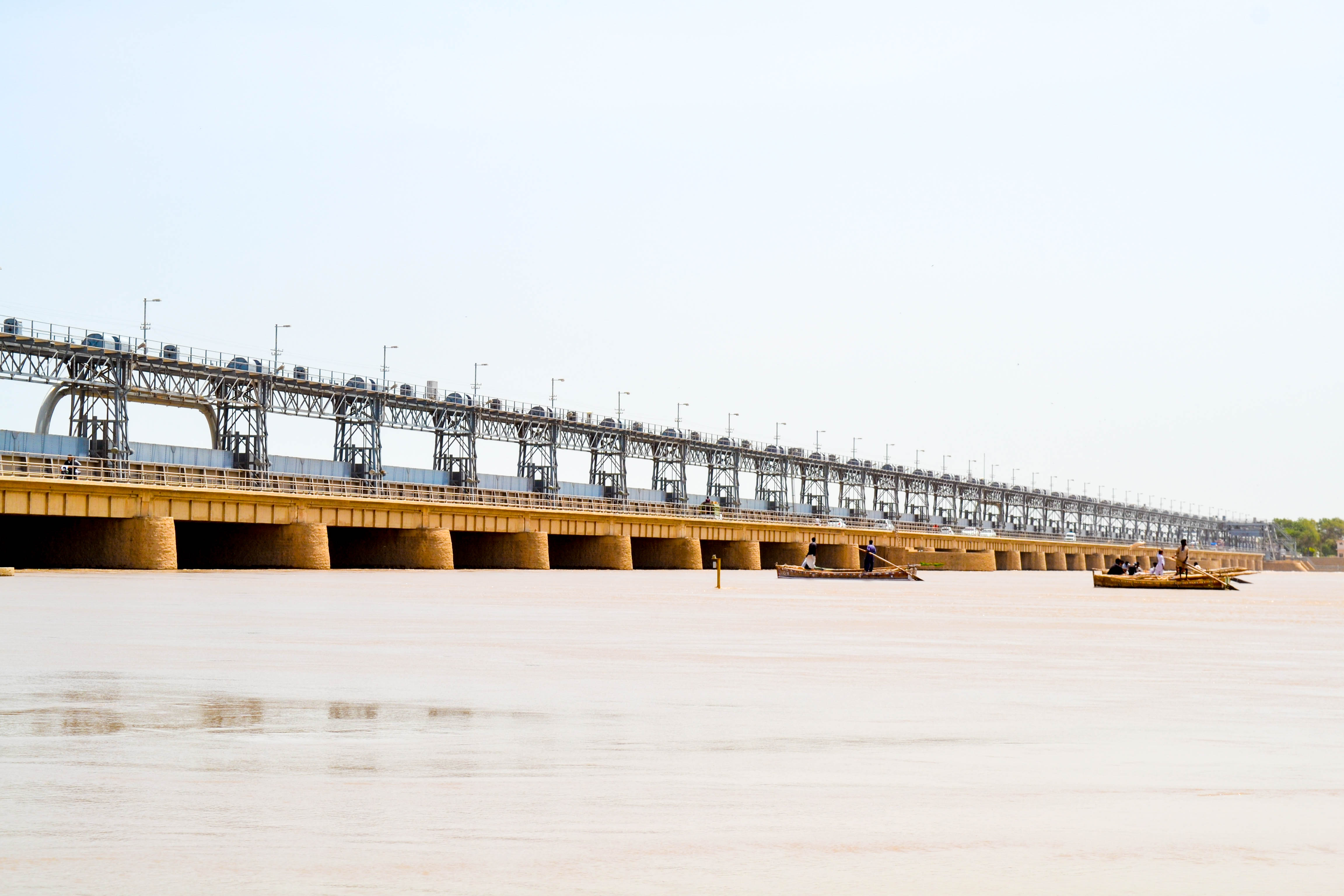
Deputy Prime Minister and Foreign Minister Ishaq Dar said on 28 August 2026 that Pakistan would treat India’s suspension of the Indus Waters Treaty as an “act of war,” and called on India to restore technical engagement and water data-sharing under the 1960 pact.
In remarks in London and in a virtual address to a seminar in Washington, Dar said India had held the treaty “in abeyance” after a conflict between the two countries last year and described that step as a violation of international law. “This is unacceptable,” he said, adding that it was Pakistan’s decision to regard India’s action as an act of war.
Dar said the treaty remained “valid, binding and fully operative” and argued that its survival through wars and crises showed the value of insulating shared water resources from political tensions. He outlined a three-point approach: full implementation of the 1960 treaty, restored technical engagement, transparency and data-sharing, and the use of the treaty’s own mechanisms — the Permanent Indus Commission, a Neutral Expert or a Court of Arbitration — to settle disputes.
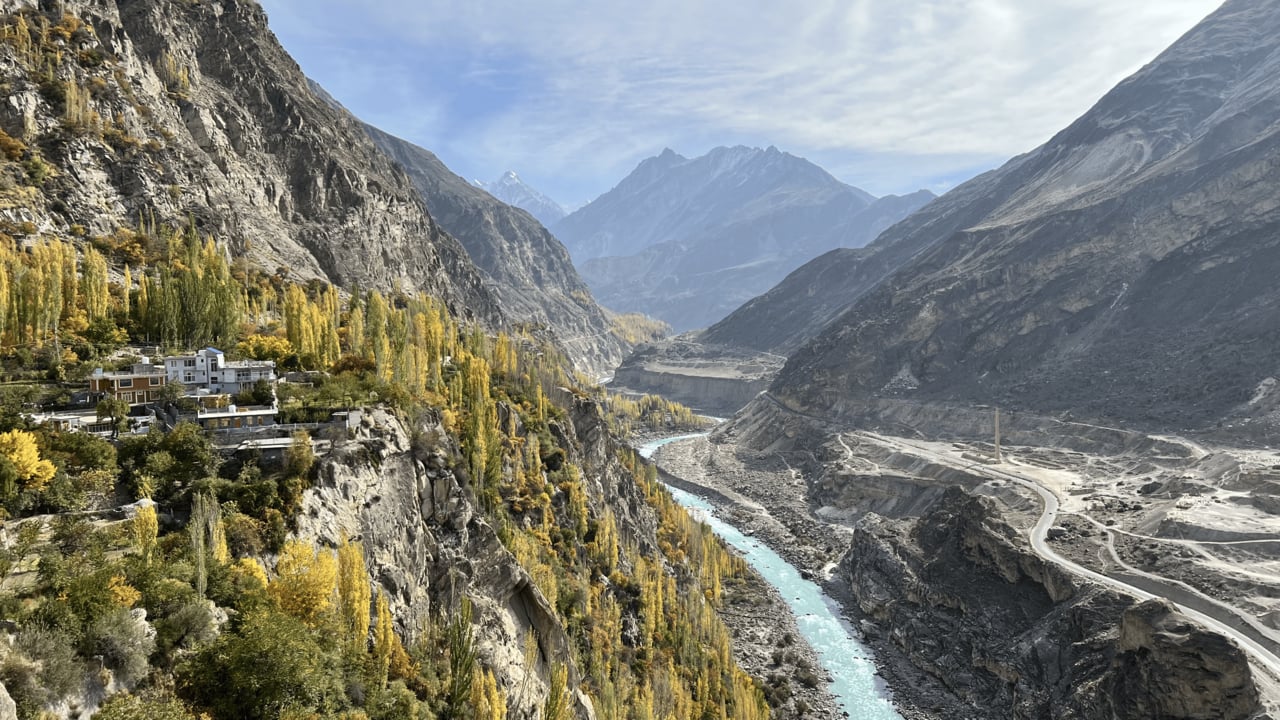
He said climate stress, including changing rainfall, glacial retreat, floods and droughts, made treaty-based cooperation essential, and warned that “shared waters must never be weaponised.” He linked the dispute to the broader case for resolving the Jammu and Kashmir issue, saying durable peace in South Asia would remain elusive without it.
Pakistan-UK cooperation
Speaking to reporters in London, Dar said Pakistan and the United Kingdom had agreed to take their strategic cooperation to the “next level” after what he called comprehensive talks with British Foreign Secretary Ed Miliband. He said the discussions went beyond counterterrorism and counter-narcotics to the economy, investment, financial technology, artificial intelligence and information technology, and that the two foreign ministers would jointly lead the effort.
He said 94 per cent of Pakistani products exported to England enjoy special treatment status, and described Britain’s Pakistani diaspora as an asset and a bridge for investment. Dar said he also met Britain’s National Security Adviser, who he said praised the roles of Prime Minister Shehbaz Sharif, Field Marshal Syed Asim Munir and Pakistan’s Foreign Office in mediation during the US-Iran conflict.
Other remarks
On Afghanistan, Dar said Pakistan wanted a peaceful and stable neighbour and that its “only demand” was that Afghan soil not be used for terrorism against any country, particularly Pakistan. He linked the closure of the Pakistan-Afghanistan border to attacks in Pakistan that he said originated from Afghan territory, and said Islamabad had allowed about 1,000 stranded containers to cross on humanitarian grounds at the United Nations’ request.
On the economy, Dar said Pakistan had moved away from the immediate threat of default and achieved macroeconomic stability, with inflation down from as high as 30 per cent to single digits and the policy rate reduced from 22 per cent to 11.5 per cent. He said Pakistan had been invited to a Commonwealth meeting in Barbados this year and would “definitely” participate, though a final decision by the prime minister was pending.
Why it matters
The Indus Waters Treaty has no exit clause, and Pakistan has repeatedly warned that any attempt to deprive it of allocated water would be treated as an act of war. Dar’s remarks keep that warning in public view while linking it to a demand for restored data-sharing, at a time when climate pressures are raising the stakes for both countries.
The London visit also signals a broadening of Pakistan-UK ties beyond security cooperation, at a moment when Islamabad is marketing its diplomatic role in the US-Iran standoff and seeking investment and economic support.
What is still uncertain
India had not responded to the 28 August remarks, and there was no sign it would reverse its position on the treaty. No date was announced for renewed technical engagement or water data-sharing. The dispute remains before treaty mechanisms, including arbitration proceedings that Pakistan has said can continue. It also remained unclear whether Pakistan would attend the Commonwealth meeting in Barbados, which Dar said was still under consideration by the prime minister.
Sources & reporting notes
This is a summary of published reporting, not independent on-the-ground reporting. Facts and attributed remarks are as carried by the cited sources, which were reviewed on 28 August 2026.
- WE News English — "Pakistan Warns India: Indus Waters Treaty Suspension 'Unacceptable'"28 August 2026 · Dar's "act of war" remark, the Pakistan-UK talks with Ed Miliband, the Afghanistan and economy remarks and the Commonwealth invitation.
- Arab News Pakistan — "Pakistan calls for restored Indus treaty engagement, warns against water weaponization"28 August 2026 · The three-point approach, the treaty as "valid, binding and fully operative," the climate argument and the warning on water weaponisation.