Reporting snapshot · 3 November 2026 (Asia/Karachi). No seats had been declared when this article was published, several Senate races were within the margin of error, and control of either chamber may not be known for days. The contours of the contest are clear; the outcome is not.
What is being decided
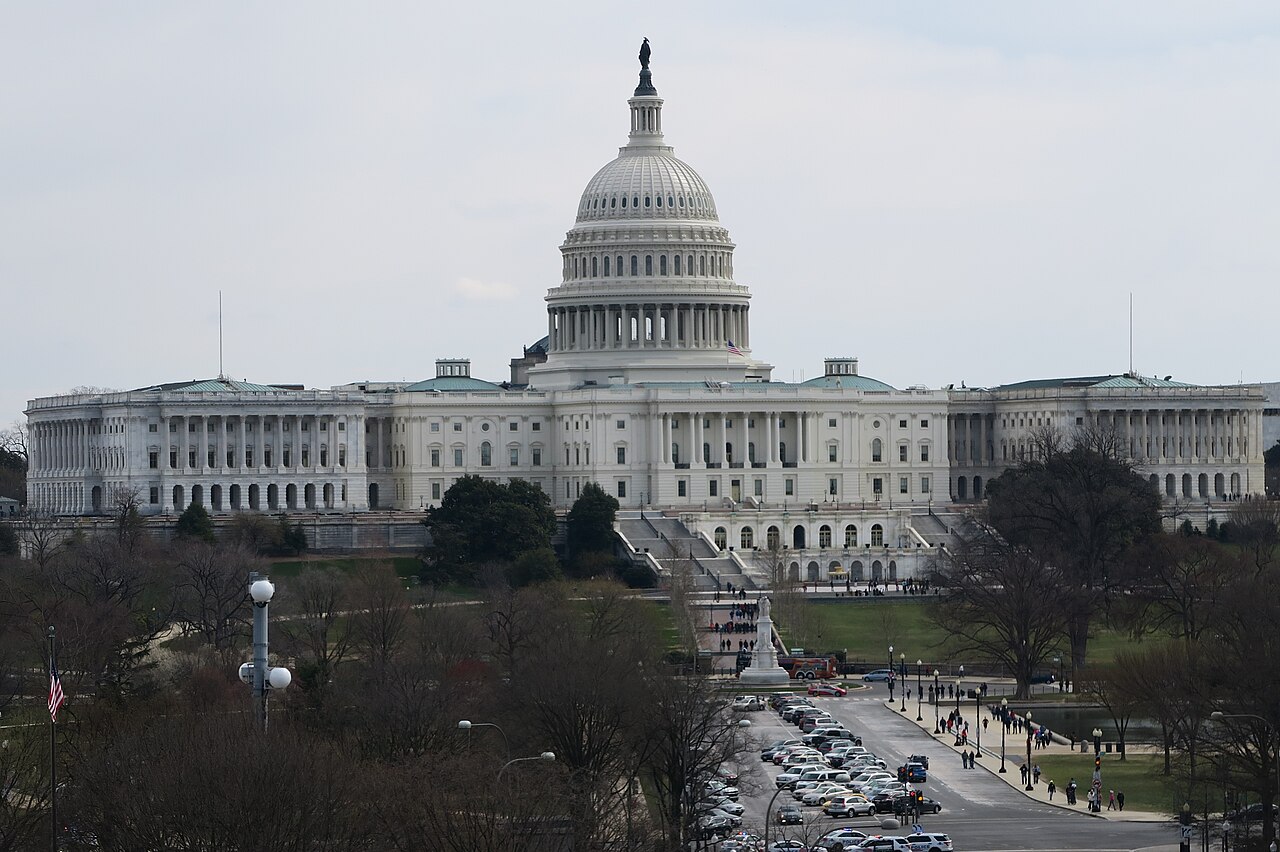
Americans are voting on Tuesday, 3 November, in midterm elections that will decide which party controls the United States Congress for the final two years of Donald Trump’s presidency. All 435 seats in the House of Representatives are being contested, along with 35 of the Senate’s 100 seats and governorships in 36 states, the BBC reported.
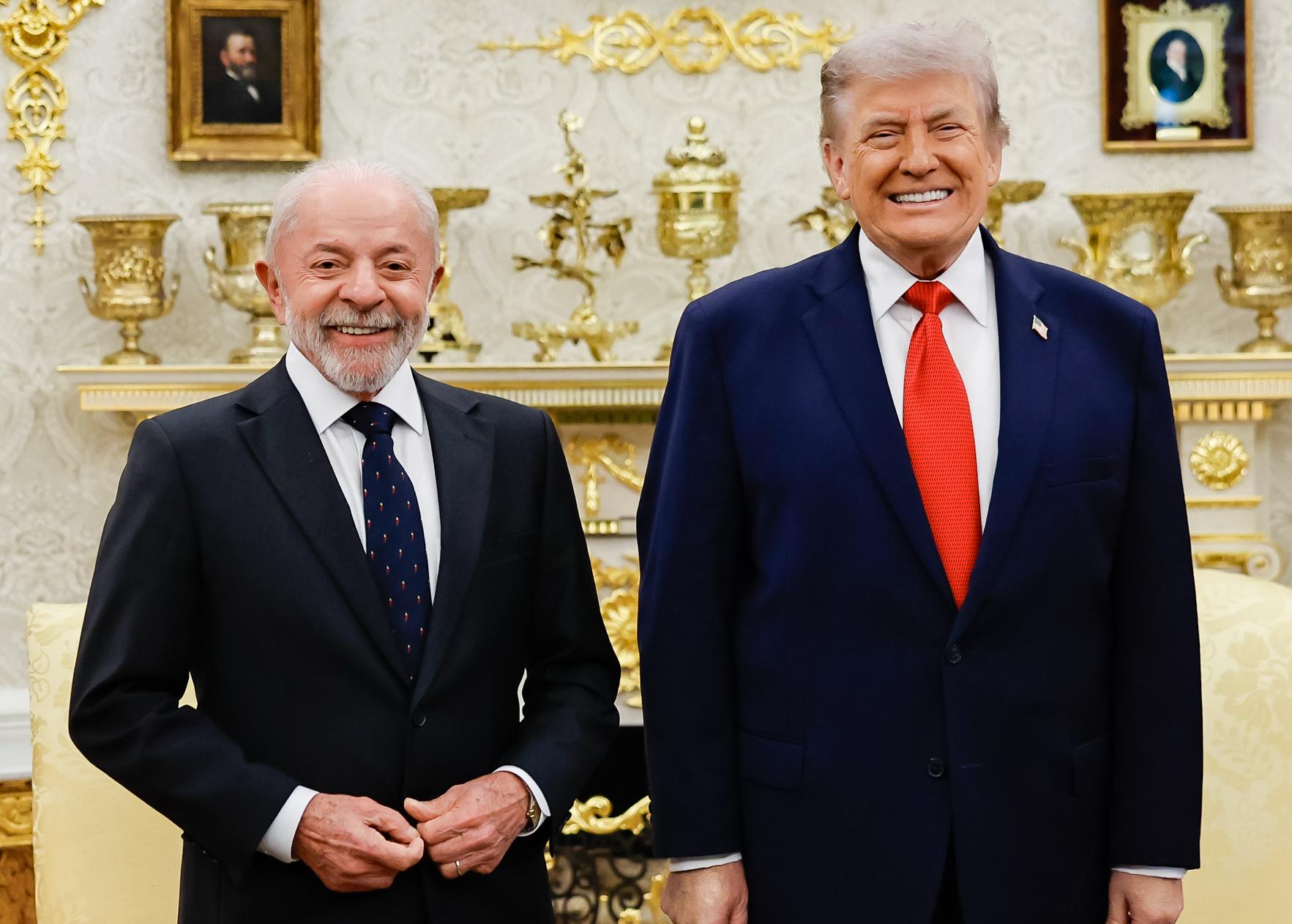
Trump is not on the ballot, but he has made the election a referendum on his second term. At rallies he has asked supporters to “pretend” he is on the ballot, the BBC’s North America editor Sarah Smith reported. The result will not change the presidency, but it will determine whether he can keep legislating largely on his own terms or faces a Congress able to block bills, subpoena officials and open investigations.
The immediate backdrop is economic and military. Voters tell pollsters that the cost of living is their main concern. Diesel was $3.75 a gallon before the war with Iran began in February and reached a record $6.52 in September, while consumer inflation has risen from 3 per cent when Trump took office to 3.7 per cent, the BBC reported. Trump’s approval rating in final polls was around 38 per cent, while only 29 per cent of voters viewed the Democratic Party positively, according to a national NBC poll cited by the BBC.
That combination has put traditionally safe Republican seats in play. The Senate races to watch are in Michigan, Texas, Ohio, Iowa, Maine, Alaska and North Carolina, the BBC reported. Democrats need a net gain of four seats to reach 51 and control the Senate; if they lose the Michigan seat they already hold, they would need five. Republicans currently hold 53 Senate seats and 218 House seats, Al Jazeera reported.
Why control of Congress matters
The House and Senate do different jobs, and the consequences of a flip differ accordingly. If Democrats take the House, they would control the chamber’s agenda and its committees, giving them the power to demand documents, subpoena witnesses and hold officials to account. They could block Republican legislation and, if they chose, introduce articles of impeachment against members of Trump’s administration. House Minority Leader Hakeem Jeffries has signalled proceedings against Defence Secretary Pete Hegseth, France 24 reported.
The Senate is the confirmation chamber. A Democratic majority could block or delay Trump’s appointments to the cabinet, federal agencies and the courts, including any future Supreme Court vacancy. It would also give Democrats control of committees such as intelligence and finance, and the ability to stall legislation. Because most bills need 60 votes to overcome a filibuster, however, even a Democratic Senate could not pass its own programme without Republican support; Trump’s veto would also require a two-thirds majority in both chambers to override, Al Jazeera explained.
The practical effect is therefore likely to be defensive rather than transformative. Democrats could stop things from happening, investigate the administration and force difficult votes. They would struggle to legislate. Trump could govern more through executive orders, which would then be contested in the courts, France 24 noted.
The Iran war is on the ballot
The election has been fought against the backdrop of the US-Israeli war with Iran, which began in February. Trump has repeatedly linked the timing of possible new strikes to the vote. Israeli Prime Minister Benjamin Netanyahu pressed Washington in a phone call to resume military action shortly after the midterms, while Trump favoured letting diplomacy continue, Axios reported through The Express Tribune. Trump confirmed the call but gave no details.
The position has moved quickly. On Monday, Trump said new strikes were not under consideration, even as US officials confirmed limited “defensive” strikes on Iran’s Qeshm Island, as KhabarWire reported. Qatari mediators carried a draft agreement to Tehran, and Iran’s foreign minister, Abbas Araghchi, said Tehran was engaged in “intensive shuttle diplomacy” through Qatari and Pakistani mediators, The Express Tribune reported. The draft has not been published.
A new Congress could affect that trajectory in two ways. A Democratic House could try to attach conditions to war funding or pass a war-powers resolution asserting Congress’s authority over the conflict. A Republican Congress would be more likely to leave the president’s war policy undisturbed. Neither outcome would end the war by itself: the constitution gives the president wide latitude as commander in chief, and a war-powers resolution would still need two-thirds support to survive a veto, Al Jazeera noted.
What it means for Pakistan
Pakistan is not a party to the US election, but it has a direct stake in the result. It is one of the mediators Iran has named in the talks, and its economy remains exposed to the same energy shock that has driven US inflation. Brent crude fell more than 6.5 per cent to $105.55 a barrel on Monday as hopes of a deal rose, The Guardian reported, and the government cut petrol and diesel prices for 3 November, as KhabarWire reported.
The direction of US policy after the vote may matter more than the composition of Congress for Islamabad. A president freed from election pressure may return to the strike threats he made during the campaign, or he may treat a deal as a legacy achievement. A Congress controlled by either party would have limited ability to force a settlement, but it could shape the money, oversight and political cover available to the White House. For Pakistan, the practical questions are whether the Strait of Hormuz reopens, whether oil and liquefied natural gas costs fall, and whether its mediation channel continues to be used. The first two feed directly into inflation, which eased to 9.6 per cent in October but remained above 10 per cent on average for the fiscal year to date, as KhabarWire reported.
There is also a domestic political dimension. Pakistani-American candidates are on the ballot in state contests in the United States, Geo News reported. Their results will not change Pakistan’s foreign policy, but they are one measure of how the diaspora is positioning itself in a polarised American political environment.
What is still uncertain
The first uncertainty is the result. No seats had been declared when this article was published, and several Senate races were close enough to fall within polling margins. The House is expected to be easier for Democrats to flip than the Senate, but a single seat can decide the chamber, and recounts or legal challenges could delay the outcome.
The second is the legal environment. The Supreme Court on Monday rejected Trump’s request to stop California counting about 20,000 mail-in ballots, Al Jazeera reported. Trump has repeatedly questioned the integrity of US elections, and the BBC reported that he may do so again while votes are still being counted.
The third is what a new Congress would actually do about Iran. Campaign positions are not legislative plans. A Democratic majority might constrain the war, or it might prioritise domestic investigations and leave foreign policy to the White House. A Republican majority might endorse the president’s approach, or a narrow margin might make it harder to pass anything. Until the results are known, Pakistan’s mediation track and the oil market will be watching the same count.