Reporting snapshot · 19 September 2026. The agreement was announced by President Donald Trump on Friday evening US time and acknowledged by Copenhagen and Nuuk the same day, with wider confirmation on Saturday. The official text has not been released, most details come from the US side, and the deal still needs Danish and Greenlandic parliamentary approval. This is a dated snapshot, not a live tracker.
What happened
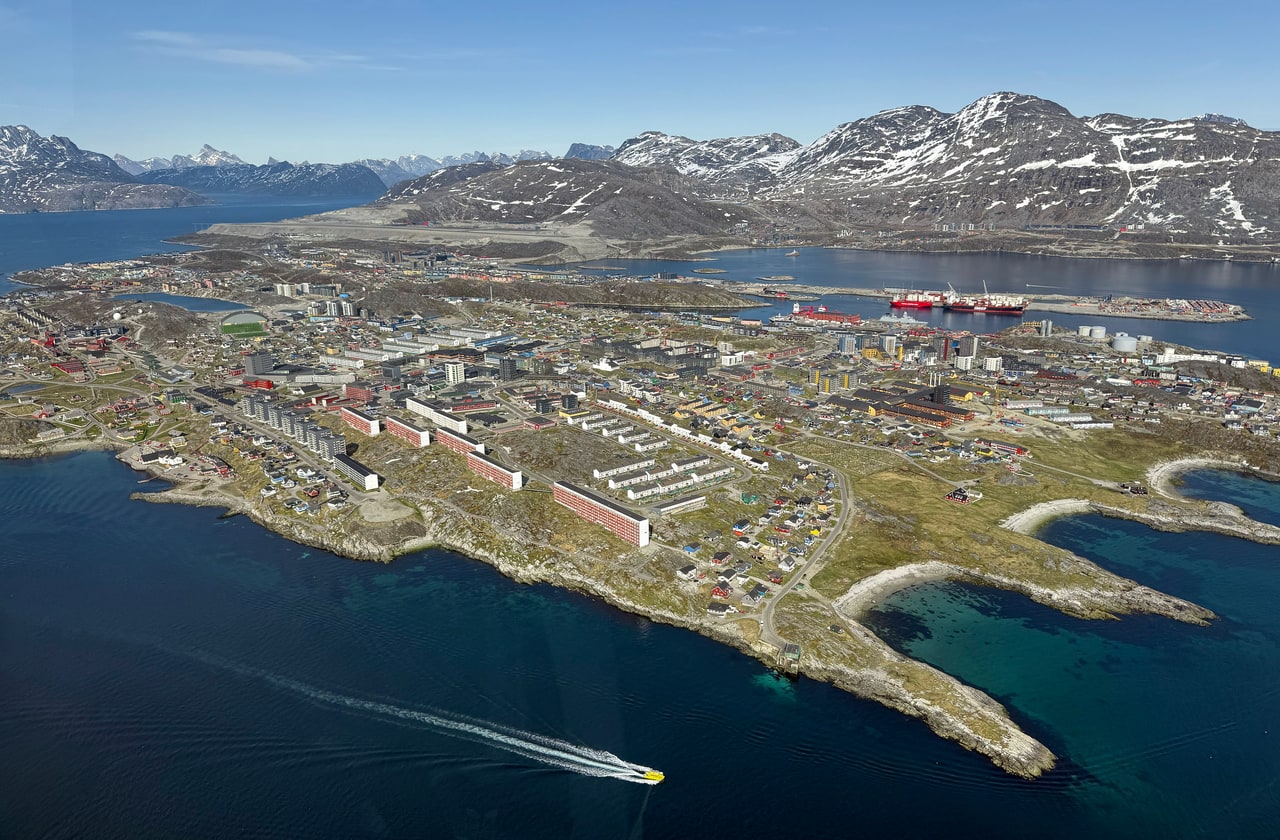
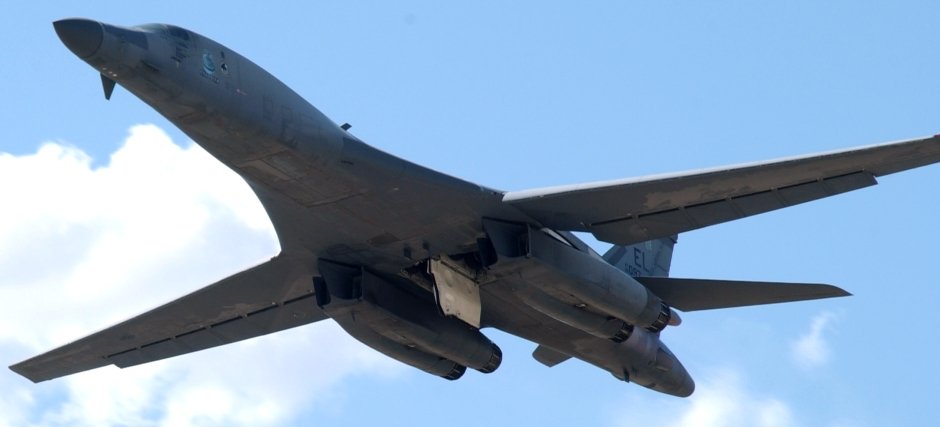
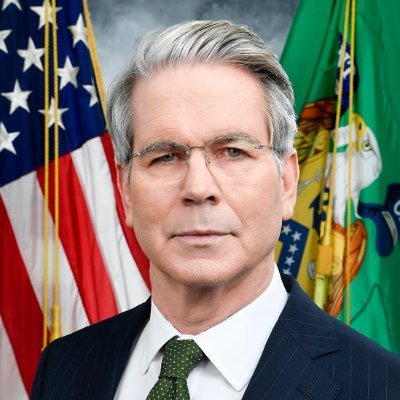
US President Donald Trump announced on Friday evening that the United States had reached an agreement with Denmark and Greenland giving Washington “permanent control over security, and all other needs, in Greenland”. In a post on Truth Social, Trump called it an “Infinite Life Agreement” with “no end” and said it came at “NO COST” to the United States, adding that the administration would “immediately” begin building a larger military presence on the island. NBC News reported the announcement.
The leaders of Denmark and Greenland acknowledged the deal in a joint statement the same day but released no details of its terms. They said the agreement was expected to be signed next week on the sidelines of the United Nations General Assembly in New York. Danish Prime Minister Mette Frederiksen said the agreement “recognises the sovereignty and territorial integrity of the Kingdom and the right of the Greenlandic people to self-determination”, while Greenland’s Prime Minister Jens-Frederik Nielsen called it “to the benefit of us all”. BBC News and Al Jazeera carried the statements.
What the deal is said to contain
The full text has not been published. According to Trump, the agreement bars any US adversary from establishing a base or military presence in Greenland, or making “sensitive investments” there, without Washington’s written approval. A US State Department official, speaking on condition of anonymity, told NBC News the agreement bans any non-NATO base or troop presence in Greenland, includes screening mechanisms intended to block investments from Russia and China, and guarantees that neither country can base troops or invest in sensitive sectors there. The official added that the agreement would remain in force even if Greenland were to become an independent state in the future. Secretary of State Marco Rubio said “Greenland will forever be part of the strategic defense area of North America and exclude any adversary from it and the surrounding area”, describing the deal as permanently addressing US national security concerns.
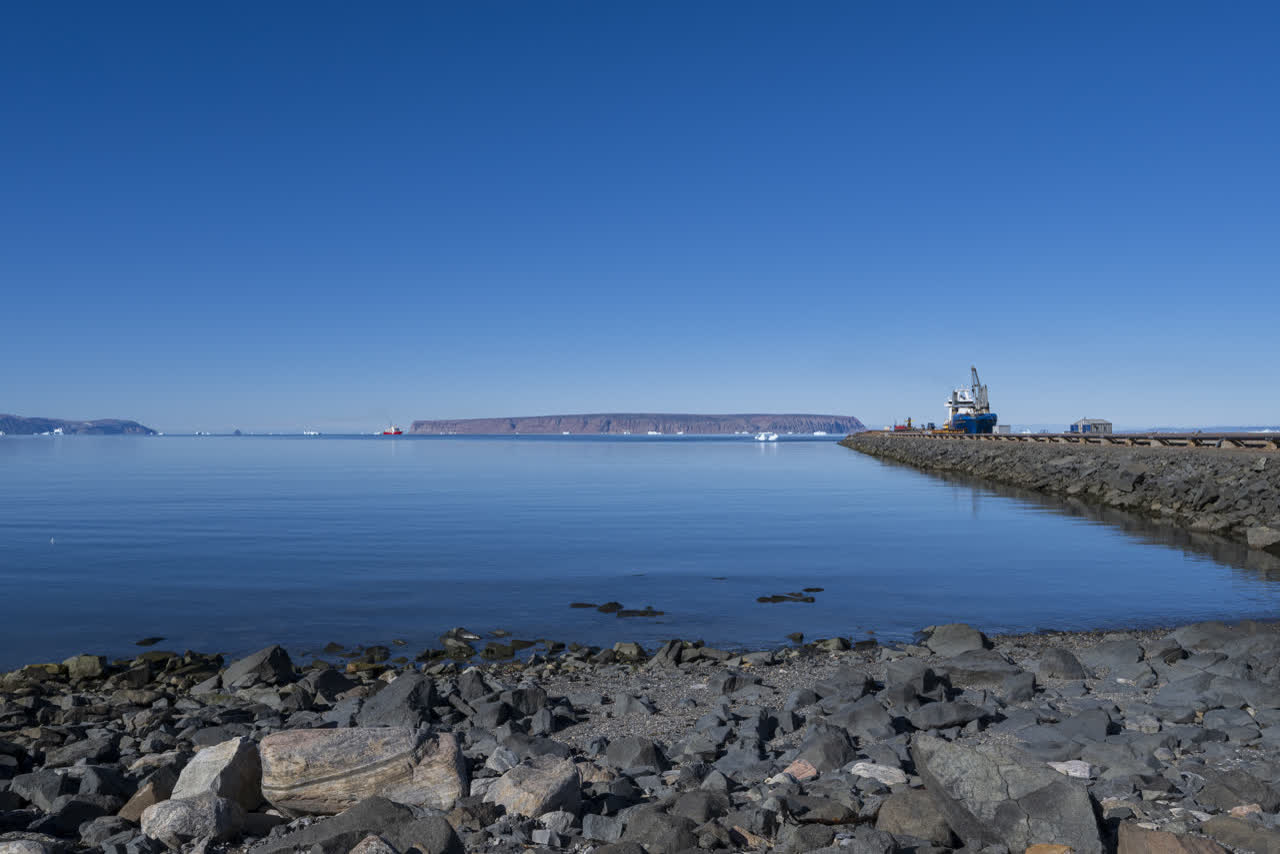
Much of what is described as new appears to build on rights the United States already holds. Under the 1951 Defence of Greenland Treaty, the US has broad overflight and basing rights on the island, including the ability to control landings, takeoffs and the operation of ships and aircraft. Washington already stations more than 100 personnel at Pituffik Space Base in the island’s northwest. Al Jazeera noted that a State Department official said the new agreement gives the US the right to build additional military sites without Greenland or Denmark approving, and Trump said the US would begin developing a larger presence “immediately”. Al Jazeera quoted former Pentagon official Imran Bayoumi telling Reuters that unilateral base-building would be new, but that Washington “could have achieved a lot of these objectives through diplomacy and dialogue without straining the broader US-NATO relationship.”
Why it matters
The announcement appears to defuse, at least for now, a crisis that shook the NATO alliance. For most of the past year Trump pressed Denmark to sell Greenland, at times refusing to rule out military force to take the self-governing territory, which has a population of about 56,000 and sits astride key Arctic sea and air routes. Danish officials said the confrontation was among the most serious internal strains the alliance had faced, and Greenlanders overwhelmingly rejected annexation in polling. The deal falls short of Trump’s earlier goal of US “ownership” of the island but, in the words of Richard Weitz of the NATO Defence College cited by Al Jazeera, he “got pretty much everything he wanted, except formal annexation”.
For Pakistan’s readers, the significance is indirect but real: the agreement reshapes great-power competition in the Arctic between Washington, Beijing and Moscow, and it locks a NATO member’s territory more firmly into US security arrangements just as global attention focuses on resource and shipping competition in polar waters. Greenland holds large, largely untapped deposits of rare-earth minerals used in everything from smartphones to fighter jets. NATO itself welcomed the deal; Admiral Giuseppe Cavo Dragone, chair of the NATO Military Committee, called it “very, very welcome” while speaking in Copenhagen. Associated Press reported the reaction.
What is still uncertain
Several open questions remain. Neither the full text nor the specific concessions offered to Denmark and Greenland have been made public, and Danish analysts have cautioned that most information so far comes from the US side. It is unclear how the new agreement differs in practice from the rights Washington already holds under the 1951 treaty, whether the US will gain any new role in Greenland’s resources, and how other countries could be defined as “adversaries” subject to the investment restrictions. The deal still requires ratification in both the Danish and Greenlandic parliaments, and Greenlanders remain wary: former Greenlandic politician Aaja Chemnitz told the BBC she was “sceptical” until the text is finalised, saying “I don’t have much confidence in Trump”.
The agreement is separate from, and a development of, the wider dispute over Greenland’s status. In January 2026, seven European governments issued a joint statement insisting that “it is for Denmark and Greenland, and them only, to decide” on matters concerning the territory, after Trump renewed his claims. Today’s security pact does not change Greenland’s constitutional position, but it does appear to resolve the immediate standoff over US military access.
Sources & reporting notes
This is a synthesis of published reporting from 18–19 September 2026; it is not eyewitness reporting. The agreement's text had not been released when sources were reviewed on 19 September, so key details rest on statements by Trump and an unnamed State Department official and have not been independently verified by the parties.
- NBC News — Trump announces agreement with Denmark to secure 'permanent' control over Greenland's security18–19 September 2026 · Trump's announcement, the joint statement, State Department details and Rubio's remarks.
- BBC News — US and Denmark reach deal over Greenland's security after Trump threats19 September 2026 · Danish and Greenlandic statements, NATO reaction, 1951 treaty context and Greenlanders' scepticism.
- Al Jazeera — Trump says US has 'permanent control' of Greenland security: Does it?19 September 2026 · Explainer on the deal's contents, existing US basing rights and analyst assessments.
- Associated Press (via KSAT) — Denmark's leaders are cautiously optimistic about Trump's announcement of a Greenland deal19 September 2026 · Danish and Greenlandic political reaction and NATO Military Committee comment.