Reporting snapshot · 24 November 2026 (Asia/Karachi). The profits and staffing figures come from a Petroleum Division compliance report and Establishment Division data tabled at the subcommittee and read out by its convener; no ministry has published them. The sector-wide total of more than Rs6 trillion still depends on accounts the committee has not seen, and nothing decided on 23 November has yet moved money or bound the federal cabinet.
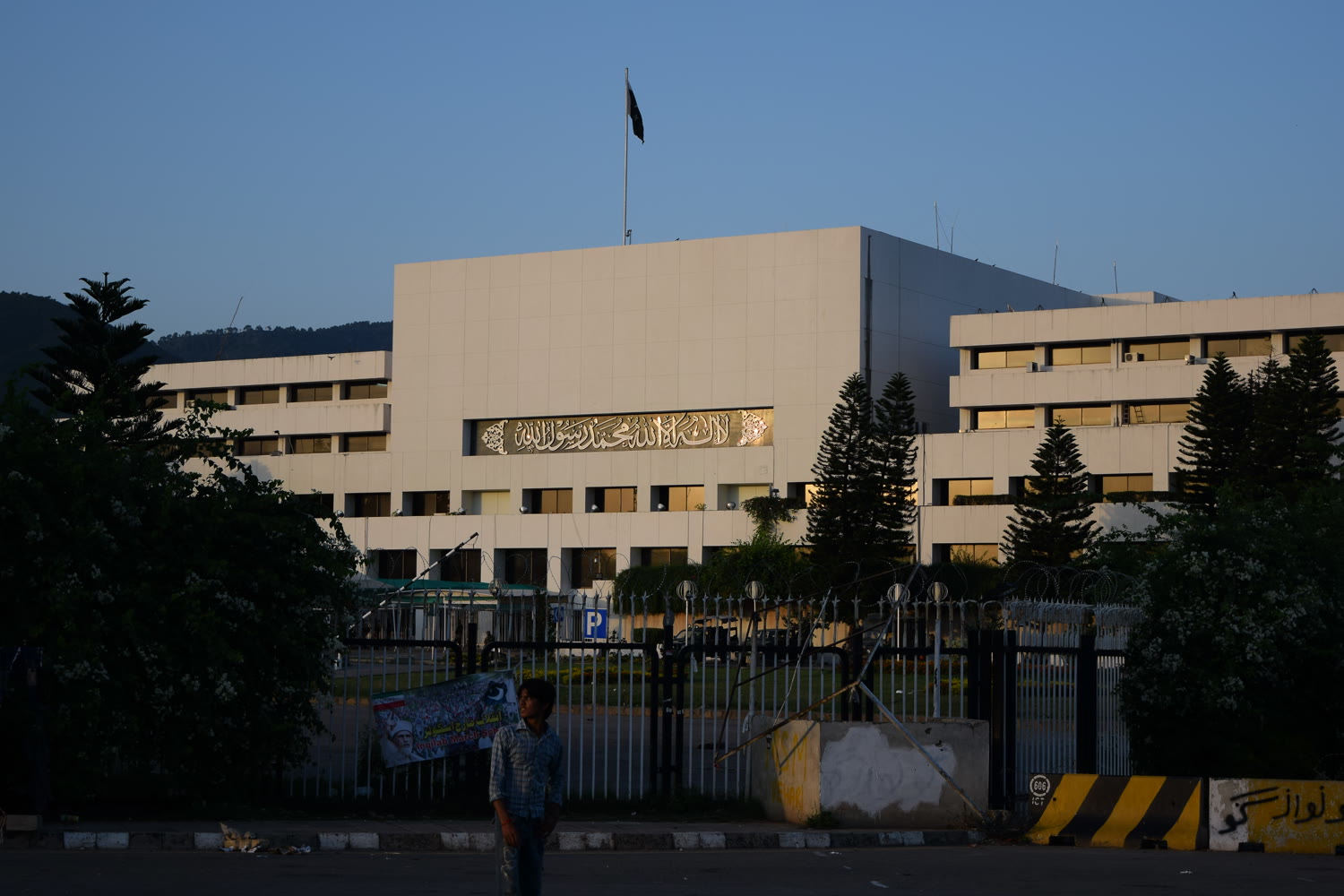
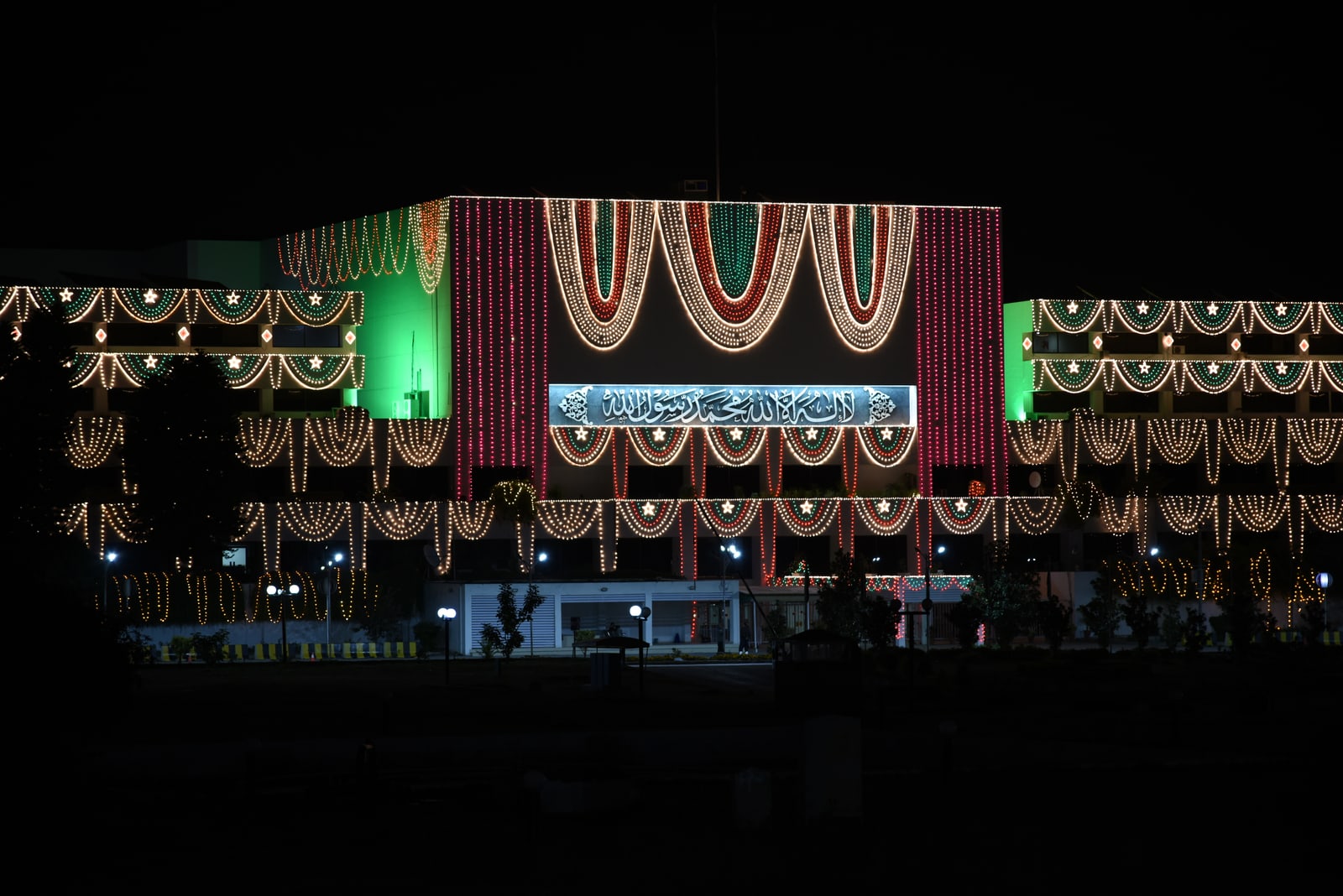
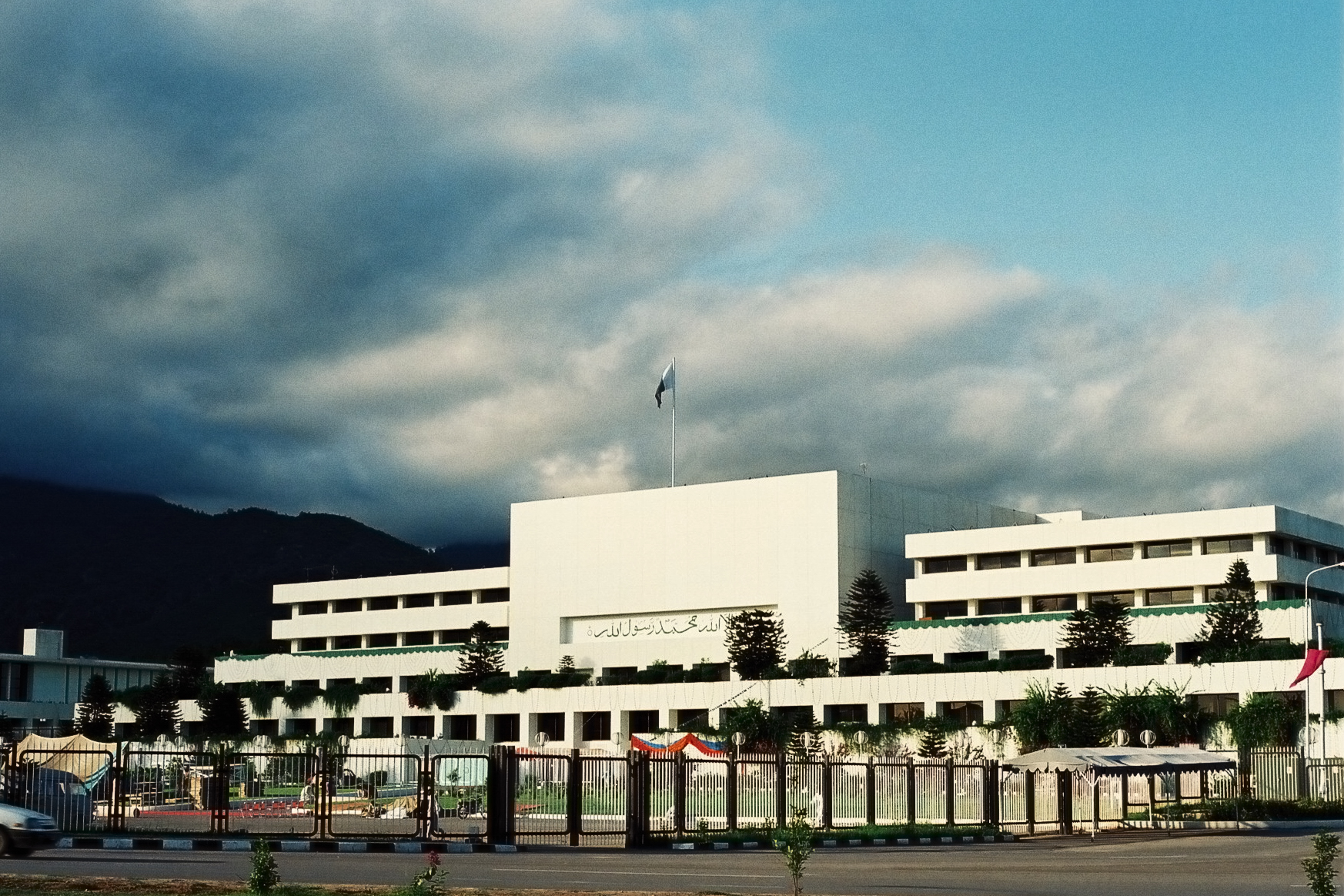
A Senate subcommittee has found that Pakistan’s four state oil and gas companies have earned Rs3.6 trillion in profits since 2011 and that provinces have received none of the Rs1.8 trillion the Constitution assigns to them. A subcommittee of the Senate’s Functional Committee on Devolution heard the finding in a meeting chaired by Senator Barrister Zamir Hussain Ghumro on 23 November, and the Senate’s published register of committee reports describes the committee’s remit as examining devolution issues in the light of the 18th Constitutional Amendment. The Express Tribune reported the proceedings on 24 November; The News International carried the committee’s directions in its 24 November print edition.
The companies covered are Pakistan Petroleum Limited, Oil and Gas Development Company, Mari Petroleum and Pakistan Oil Fields Limited. The figures exclude Sui Southern Gas Company, Sui Northern and other corporations. Together the four earned Rs3.6 trillion in profits after the 18th Amendment, and the half share Article 172(3) gives the provinces works out at Rs978 billion for OGDCL, Rs462 billion for PPL, Rs225 billion for Mari and Rs144 billion for POL. Ghumro told the committee that not a single rupee has reached the provinces.
Article 172(3) provides for joint and equal ownership of mineral oil and natural gas between the federal government and the provinces. Ghumro said the clause had not been implemented “in letter and spirit” in the 16 years since the amendment, called the failure a violation of the Constitution, and said provinces are entitled to an equal share of revenue generated inside their territories. “There are ways to withhold half the profits,” he said, according to The News.
A framework for the cabinet
The subcommittee directed the Petroleum Division to produce a framework for transferring half of the sector’s profits to the provinces, to put it before the federal cabinet for approval on an urgent basis and to share a summary with the panel. Ghumro estimated the total across the sector could exceed Rs6 trillion once the accounts of the remaining companies are added, as The News recorded alongside the Rs3.6 trillion already documented.
The panel also asked the Auditor-General of Pakistan to apply Article 172(3) when auditing oil and gas corporate profits, and Ghumro directed him to attend the next meeting in person after his absence. The escalation was set out plainly: failure to comply could lead to referral to the audit authorities, and if the ministry or the cabinet does not resolve it, “all the chief ministers of the provinces and the federal ministers for finance and petroleum will be called to a meeting.”
The figures also land on a government that has been spending heavily on provincial subjects without settling what it owes them. The Express Tribune reported that the federal government has spent Rs8.5 trillion on provincial matters since 2011, including Rs3.5 trillion on the Benazir Income Support Programme. The entitlement question runs alongside a different constitutional route: this autumn the centre signed an interim Article 164 arrangement with the Khyber Pakhtunkhwa administration covering an estimated Rs157 billion a year in cash grants, with money already deducted at source.
Punjab’s hold on the top jobs
The second half of the subcommittee’s business concerned Article 38(g), which requires the provinces’ shares in all federal services to be secured and any past omission in those shares to be rectified. The Establishment Division’s data, shared on 23 November, covered federal secretariat appointments at BPS 18 to 22 for 2025-26 and covered direct recruitment, promotion and transfer alike.
Of 53 Grade-22 posts in the federal secretariat, 35 are held by officers from Punjab, 10 from Khyber Pakhtunkhwa, six from Sindh, and one each from Balochistan and Gilgit-Baltistan. None came from Azad Jammu and Kashmir or the erstwhile tribal areas, which The Express Tribune flagged as a possible error because the inter-provincial coordination secretary, Mohyuddin Wani, belongs to Azad Jammu and Kashmir.
Against the quota, the wider picture is less balanced. Direct recruitment is supposed to be split 50 per cent for Punjab including the Islamabad Capital Territory, 19 per cent Sindh, 11.5 per cent Khyber Pakhtunkhwa, 6 per cent Balochistan, 1 per cent Gilgit-Baltistan, 3 per cent the erstwhile tribal areas and 2 per cent Azad Jammu and Kashmir, with 7.5 per cent filled on merit. Against those shares, Punjab holds 60.17 per cent of positions in the federal secretariat and Khyber Pakhtunkhwa 16 per cent, while Sindh has 14.5 per cent against 19 per cent and Balochistan 4 per cent against 6 per cent. The News reported Ghumro’s concern about Punjab’s 60.17 per cent in the BPS 18 to 22 range, and the two accounts describe the same figure at different levels of detail.
The Establishment Division put the other side of the ledger to the panel, saying representation “is generally consistent with the prescribed allocated shares and remains broadly balanced across various grades, except in the case of Balochistan”. It said instructions to enforce those shares strictly had gone to all ministries and divisions in March, that 5,136 posts in BPS 1 to 15 had recently been advertised for Balochistan, and that the cabinet had granted exemptions for the province. Ghumro was not satisfied: the division had still not submitted the rectification plan for Sindh he had asked for in earlier meetings, and he directed it to submit a comprehensive plan within two weeks and start the appointment process without delay. The Federal Public Service Commission was told to provide details of vacant posts and appointments from Sindh and Balochistan.
Where the staffing argument has moved
Departments and bodies briefed the panel on their own provincial composition. The National Highway Authority reported a workforce of 50.6 per cent Punjab, 12.8 per cent rural Sindh, 3.5 per cent urban Sindh and 5.6 per cent Balochistan, and Ghumro told it to rationalise the workforce under Article 38(g), fill vacancies, implement a court verdict on 108 contractual employees and make terms and conditions uniform. The National Highways and Motorway Police, with 10,623 employees, was told to advertise vacancies for Sindh. The Ministry of Commerce reported that provincial shares were being applied, but that posts in corporations under the State-Owned Enterprises Act were being filled without reference to them, and the ministries of finance and commerce were given two weeks to rectify the imbalance and report.
One procedural change ran through all of it. Ghumro directed that the word “quota” be dropped from official correspondence and replaced with “share”, and said a letter would go out to ministries and corporations. He also said the rural-urban division applied to Sindh ran against Article 38(g) and directed that the distinction be scrapped, with the province’s share counted as a whole, as in the other provinces.
A different Rs3.6 trillion
The figure in this story is easy to confuse with another one in circulation. In October, this publication described a separate Rs3.6 trillion: the Petroleum Division’s estimate of gas-sector circular debt, about Rs1.8 trillion of it principal outstanding, in the petrol-subsidy dispute with the IMF. That number is unpaid dues owed by gas companies; the number here is corporate profit on gas and oil extracted under a constitutional clause, half of which the Senate says belongs to the provinces. The coincidence of scale is arithmetic, not substance.
What would have to happen
Nothing in the 23 November meeting transferred a rupee. The next steps are concrete but unowned: the Petroleum Division’s framework for half-profit sharing, its passage through the federal cabinet on an urgent footing, the auditor general’s scrutiny of oil and gas profits, and the Establishment Division’s rectification plan for Sindh due within two weeks. If the ministry and the cabinet stall, the subcommittee has said the provincial chief ministers and the federal finance and petroleum ministers will be called in.
The Express Tribune reported that the committee’s continued findings explain the resentment building in Balochistan and Sindh — the provinces whose officials are now contesting the shape of the federation itself in the new-provinces debate. Whether the money moves, and whether the jobs data is corrected, will do more to settle that argument than another map will.