Reporting snapshot · 24 November 2026 (Asia/Karachi). The prime minister's statement is official, but it names no minister, approves no map and sets no process for the provinces question that triggered it. The expectation that the PPP may soften on a referendum comes from a government official who spoke on condition of anonymity, and the all-parties conference in prospect has no published date.
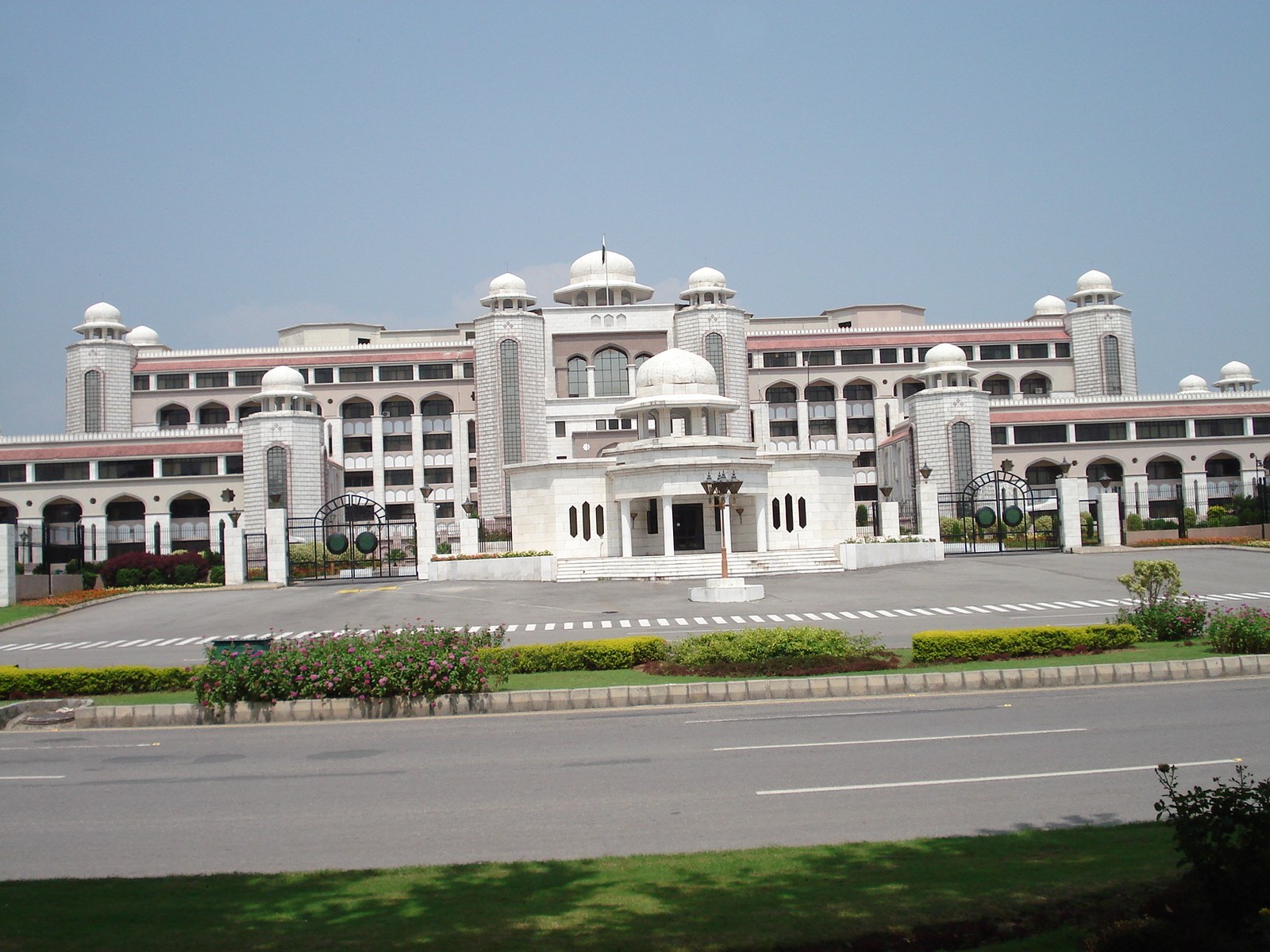
Prime Minister Shehbaz Sharif’s office on Tuesday, 24 November, directed federal ministers to stop making political statements against one another, telling them that “statements against one another must stop completely” and that cabinet business should move forward “through mutual understanding and consensus”. The Prime Minister’s Office said the directive followed the prime minister “taking notice of recent public statements by ministers”, and added that representatives of provincial governments should refrain from the same and promote positive dialogue. The Associated Press of Pakistan carried the statement and Radio Pakistan reported it; The Express Tribune said the directive came amid an increasingly public exchange between Adviser to the Prime Minister on Political Affairs Rana Sanaullah and Interior Minister Mohsin Naqvi over Naqvi’s proposal to create new provinces and administrative units.
The directive lands four days after President Asif Ali Zardari and Shehbaz agreed to resolve outstanding issues through dialogue, a pledge KhabarWire reported on 20 November alongside the PML-N’s plan to form a political coordination committee that would consult parliamentary parties, including the PPP and the MQM-P. Nothing the prime minister said on Tuesday endorses, rejects or sets a process for new provinces. It asks two ministers to stop arguing in public.
The warning that set it off
The statement was triggered by a personal exchange that had turned openly hostile over the weekend. Speaking to Geo News, Naqvi warned that a cabinet colleague who had criticised him for the past two and a half years would not be able to show his face: “The day I comment on this minister, he will not be able to show his face”, he said. He also defended the businessmen who attended the Pakistan Economic Summit in July, asking why political parties accept billions of rupees in funds from people they consider problematic. Geo News reported the warning.
Sanaullah, whom the interior minister did not name, accepted the description on Monday and answered on Geo News’s “Aaj Shahzeb Khanzada Kay Saath”. He said he was not someone who could be intimidated by threats and would not have to hide his face. He accused Naqvi of complicating the matter through irrelevant statements and said it would now reach parliament as a “controversial issue”. Sanaullah said that when Naqvi first raised the proposal in July he had himself said parliament was the appropriate forum, and that had it been taken there from the start “none of these complications would have arisen”. He asked why President Zardari and PPP Chairman Bilawal Bhutto Zardari were saying nobody had spoken to them after four months of discussion, and said the interior minister should accept responsibility for the state of the file. Geo News carried his remarks in full.
The argument has a longer history than this week. Naqvi said at the Pakistan Economic Summit in July that the existing system of governance had effectively collapsed and that the country needed administrative restructuring; Sanaullah said then that the debate belonged in Parliament rather than a business forum. The Express Tribune set out that sequence. The two men are now arguing about where the argument should have begun.
What the directive says, and what it leaves open
The statement runs to four instructions. Ministers should stop making political remarks against one another; differences inside the cabinet should be settled by mutual understanding and consensus; such statements “create a negative impression and divert attention” from the government’s development agenda; and provincial representatives should do the same.
It also carries the prime minister’s own defence of the record. He praised his ministers’ performance, said their focus should remain public service and national development, and cited Pakistan’s diplomatic successes and a “politics of development and progress”, saying the country was moving from economic stability towards sustainable economic growth.
What the statement does not do matters as much as what it does. It does not name Naqvi or Sanaullah. It does not say whether the government supports new provinces, a referendum or a 28th Constitutional Amendment. It does not withdraw the proposal that has been in circulation since The News reported a 12-province map on 8 November, which KhabarWire described on 9 November. Nor does it settle the referendum route that PML-N sources said depends on a joint session of Parliament, with a court fallback and a Balochistan Assembly resolution. The directive also cannot stop ministers disagreeing in private, which is where the PML-N’s own coordination plan puts the conversation. The new provinces debate is tracked here.
Where the provinces question stands
The positions around the table have not moved much this week, although the ground under them has.
A senior government official said on Tuesday that the PPP might eventually back both a referendum and the broader restructuring, despite Bilawal Bhutto Zardari’s public opposition, suggesting the party could find it difficult to hold its position if a referendum returned a clear popular endorsement. The News reported the assessment and Geo News carried it. That is an expectation inside government circles, not a decision by the party, and Bilawal Bhutto Zardari’s opposition to redrawing Sindh’s boundaries remains on the record.
The Pakistan Tehreek-e-Insaf has already said it wants a referendum. Its chief whip in the National Assembly, Aamir Dogar, backed one on 20 November to establish public opinion, said decisions must reflect the people’s will and follow constitutional procedures, and said the creation of South Punjab had been part of the party’s 2018 election manifesto. Dogar also said there were “cracks within the government itself” and that a proposed all-parties conference in Islamabad would have its date settled “within the next one or two days”. The Express Tribune reported his remarks.
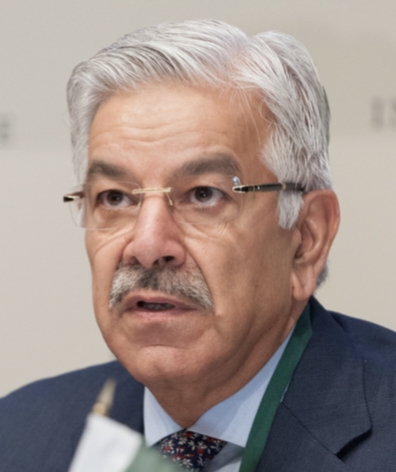
The MQM-P continues to press for additional provinces, the Sindh Assembly rejected any attempt to redraw the province’s boundaries by resolution on 4 September, and Defence Minister Khawaja Asif has said he could support 12 new units drawn on administrative rather than ethnic or linguistic lines.
What would count as movement
Sanaullah’s expectation that the file now reaches parliament as a “controversial issue” is the sharpest thing the statement produced, and it is a forecast rather than a programme.
Four things would show whether the directive changes anything. The first is whether the PML-N’s coordination committee is notified and named, with members drawn from the PML-N, the PPP and the MQM-P. The second is whether the all-parties conference gets a date and whether the PPP attends. The third is whether the government stops describing a referendum as the route to a decision while talks are under way. The fourth is whether the two men now argue in private instead.
The prime minister has closed off the public argument without opening a private one. Until a committee is named, a conference is dated and the PPP sends a delegation, the file is where it was on 19 November: a proposal nobody has approved, a referendum nobody has scheduled, and a coalition whose largest partner still opposes the map.