Reporting snapshot · 24 November 2026 (Asia/Karachi). The committee's press release records the directives it made on 23 November, but PEMRA has not published the notification that would put them into effect on electronic media, the executive notification that reportedly moved jurisdiction to another division has not been produced to the committee, and the matter is listed for a court hearing on the 18th. The 15-day deadline for the breastfeeding advertisement runs from 23 November.
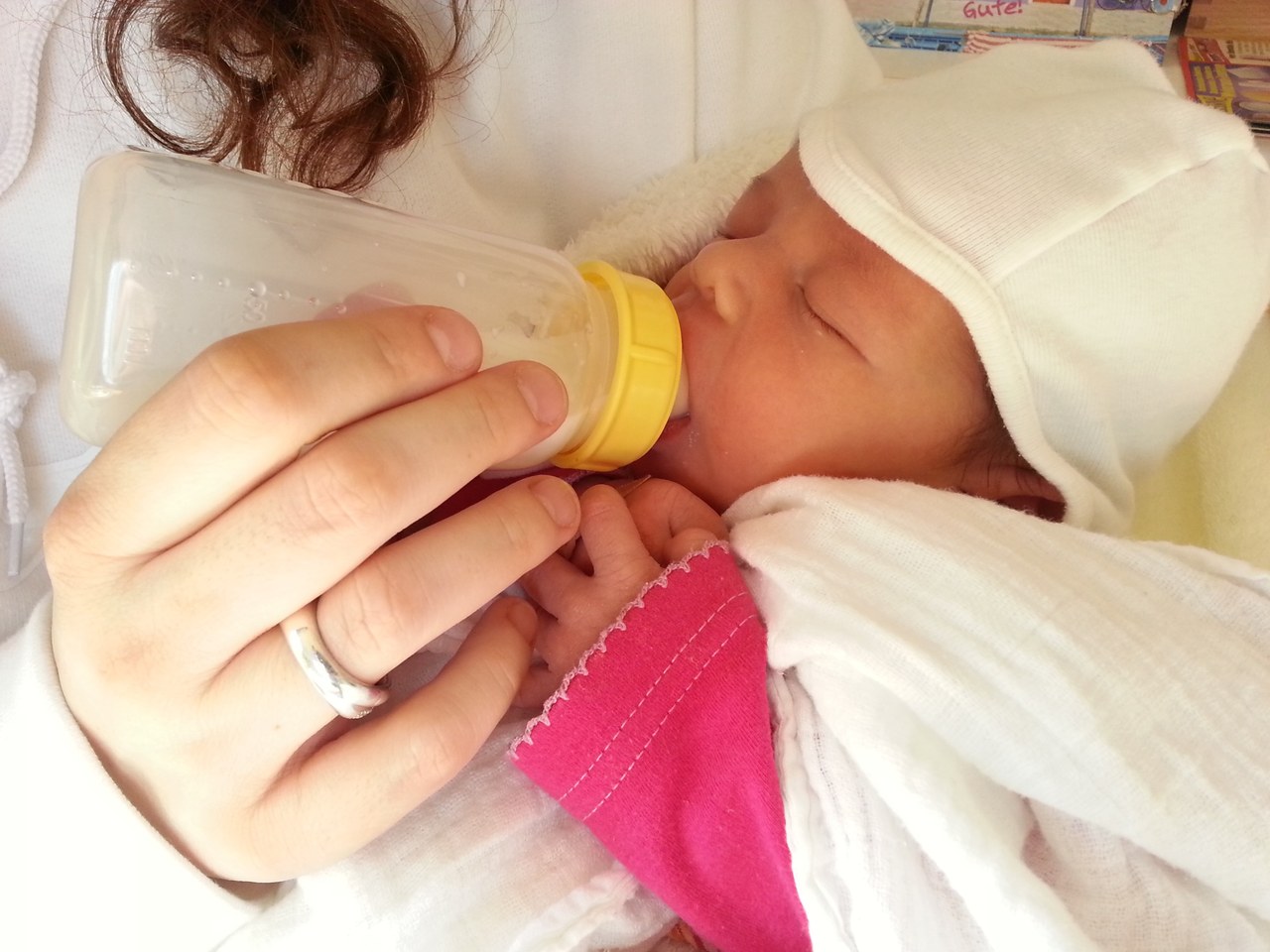
Formula milk advertising must stop from Tuesday, 24 November, after the Senate Standing Committee on National Health Services, Regulations and Coordination directed that advertisements for formula milk and other products prohibited under the law must not be aired, and told the Pakistan Electronic Media Regulatory Authority to enforce it. The committee’s own press release records that PEMRA representatives assured members that no such advertisement would be allowed in violation of the law, and The Express Tribune reported that the panel directed compliance to begin on 24 November.
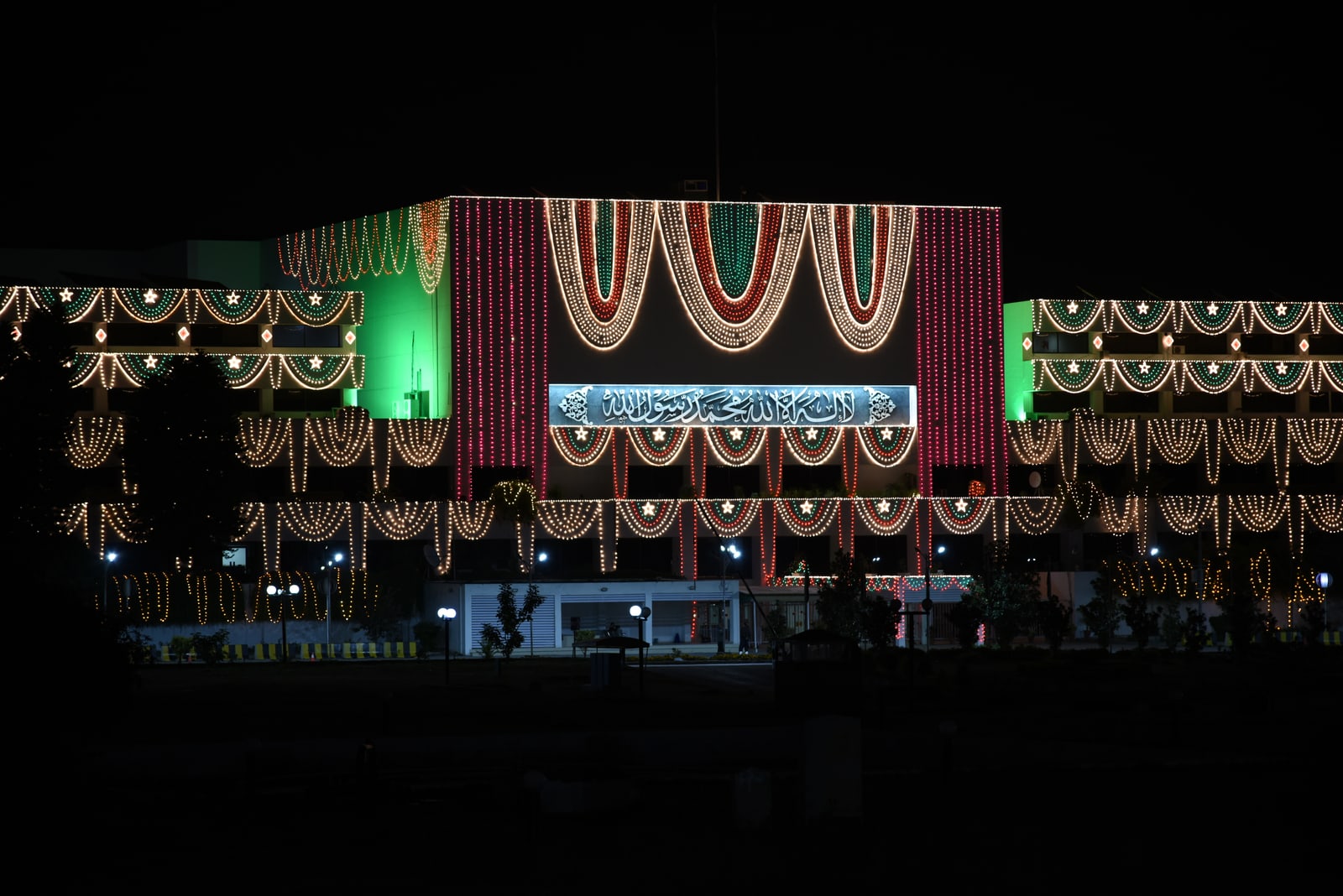
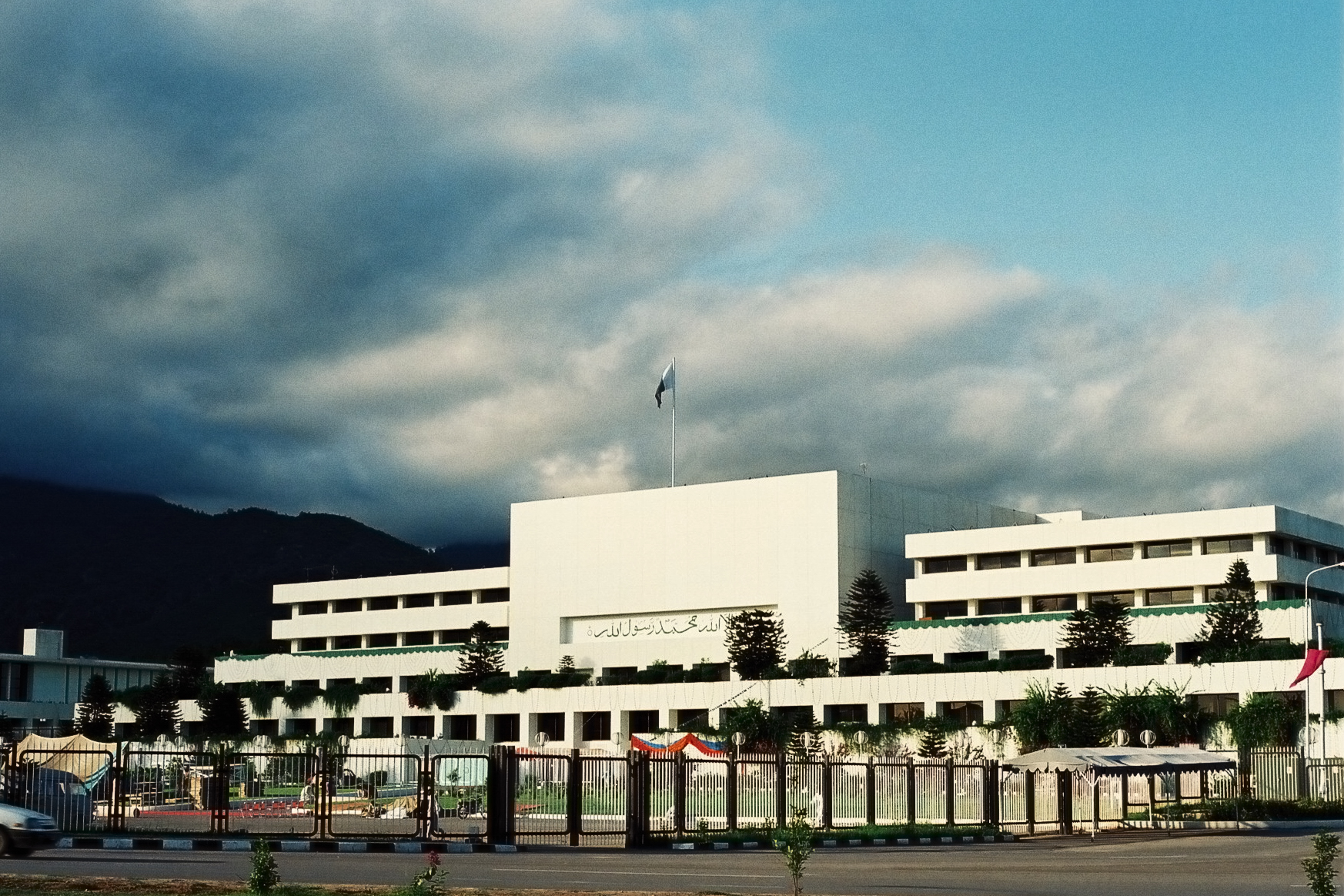
The meeting on 23 November, at Parliament House in Islamabad, was chaired by Senator Amir Waliuddin Chishti, with Senators Syed Masroor Ahsan, Dilawar Khan, Nadeem Ahmed Bhutto, Samina Mumtaz Zehri, Dr Zarqa Suharwardy Taimur, Rahat Jamali, Shahzaib Durrani and Anusha Rehman taking part. Health Minister Mustafa Kamal attended with officials of the National Health Services ministry, the Drug Regulatory Authority of Pakistan and PEMRA.
Two regulators, and a stay order
The instruction was short. What it rested on was not. Senator Shahzaib Durrani told the committee that the relevant law had been in place for 24 years and prohibited the marketing of the product, and that the existing law should be implemented rather than replaced with further ambiguity. The chairman said the relevant Act must be implemented and that its provisions must be followed “in letter and spirit”, and that the provisions on violations and penalties had to be enforced.
A stay order is part of the background, and the committee took a narrow view of it. Officials told members they were unable to take further action because of the stay order. The chairman said the stay related only to two letters and did not suspend the implementation of the law itself.
The dispute underneath is about which regulator is responsible at all. DRAP officials told the committee that the matter does not fall within their mandate and comes under the food authorities. The chairman said DRAP should exercise its regulatory authority over the product as it does for medicines, and told it to do so.
Members also questioned the legal basis for shifting that jurisdiction by executive notification. The committee stressed that an executive notification cannot override an Act of Parliament, and directed the authorities to produce the notification and the documentary record behind it, and to give a written response on the regulatory status of the product. Further consideration of the implementation measures was deferred to the next meeting, with the chairman directing that any mechanism reach beyond Islamabad and cover the country.
What PEMRA says it can and cannot do
PEMRA’s own position, as put to the committee, is narrower than the directive suggests. Officials said the matter was already pending before a court, with a hearing scheduled for the 18th, and that a revised advertisement directed on 16 November had not yet been received and would be aired on electronic media once it was. They said creating public perception did not fall within the authority’s mandate, and that while PEMRA could impose fines for violations within its regulatory jurisdiction, it was not in a position to impose penalties in the present case.
The Express Tribune reported that no representative of the Ministry of Health had appeared at the previous hearing. The committee had also directed that the revised advertisement be aired on channels with substantial viewership, after Senator Nadeem Ahmed Bhutto noted that such advertisements had previously run on channels with limited audiences.
A campaign inside 15 days, and a board that is not in place
The committee separated two things that are often run together. It directed that the awareness advertisement promoting mother’s milk be prepared within 15 days and aired on major television channels using the allocated free airtime of five per cent, subject to the required approvals, and made clear that this campaign was a separate matter from the prohibition on advertising formula milk.
It also discussed establishing a National Infant Feeding Board under the relevant law, with the National Health Services ministry responsible for implementing the Act and constituting the board. The committee asked the ministry to ensure the awareness advertisement was prepared inside the 15-day window.
The direction to the ministry is not new. Dr Mukhtar Ahmad Bharath, then Minister of State for National Health Services, said in October 2025 that the government was determined to introduce stronger legislation supporting breastfeeding and announced plans for a nationwide awareness campaign; Pakistan Today reported that health officials put annual spending on formula milk and baby food above Rs110 billion, that Pakistan records about six million births a year, and that experts estimate fewer than 2,000 newborns genuinely require formula in the immediate postnatal period.
The market the rules are aimed at
That gap between what infants need and what is sold to them is the argument the committee was working with. The same Pakistan Today report said seven multinational corporations dominate Pakistan’s infant formula market, and that the companies were reportedly lobbying to dilute the Sindh Protection and Promotion of Breastfeeding and Young Child Nutrition Act, 2023, and to resist comparable efforts at federal and provincial level.
Pakistan Today also reported in August that Prof Muhammad Khalid Shafi, who chairs the National Immunisation Technical Advisory Group, told a UNICEF-linked seminar in Karachi that the country’s infant mortality rate was rising and linked broader health challenges to weak breastfeeding practices and the promotion of baby formula by some healthcare providers. “Formula is artificial. It is not milk,” he said, and noted that a law passed in 2023 allows a healthcare provider’s practising licence to be suspended for promoting formula.
The wider standard is international. The World Health Organization’s International Code of Marketing of Breast-milk Substitutes, known as the NetCode, exists to ensure that breast-milk substitutes are not marketed inappropriately.
Medicine prices came up in the same room
The committee’s agenda ran well beyond infant feeding, and the second half matters for what the next meeting will contain. The Competition Commission of Pakistan briefed members on a study of the pharmaceutical sector covering about 802 medicines across 14 categories and 30 manufacturers. It told the committee that no conclusive evidence of market-wide cartelisation or coordinated pricing had been established, but that 31.3 per cent of the products examined recorded price increases above 50 per cent and 7.7 per cent recorded increases above 100 per cent.
Members raised the shortage of essential and life-saving medicines and their appearance on the black market at higher prices. Show-cause notices had been issued to manufacturers and a detailed report on the action taken was to go to the committee, and representatives of the Pakistan Medical and Dental Council were to be invited to the next meeting. DRAP’s record on the file before it is not one of quick decisions: KhabarWire reported in July that forty newly registered life-saving medicines had stayed unavailable because maximum retail prices had not been approved. The wider child-health picture, meanwhile, includes the 651,000 zero-dose children the Pakistan Medical Association declared a public health emergency over in July.
The dates that follow
Four things now sit on the calendar. PEMRA’s assurance has to become an instruction that reaches broadcasters, and the authority’s statement that it cannot impose penalties in the present case leaves the shape of enforcement open. The court hearing is on the 18th, with the stay order and the two letters it covers still in play. The written response on jurisdiction, and the executive notification behind it, were ordered for the authorities to supply. The breastfeeding advertisement is due inside 15 days of Monday’s meeting, with the National Infant Feeding Board still to be constituted.
KhabarWire’s Parliament & Courts file tracks the decisions behind Pakistan’s laws.