Reporting snapshot · 29 November 2026 (Asia/Karachi). The agreement to resume legislative business rests on statements from both parties and on people briefed on the 28 November meeting. No National Assembly session has been summoned and no list of pending bills has been published. The PPP says it will decide bill by bill, and accounts differ on whether new provinces were discussed at a separate meeting in Lahore.
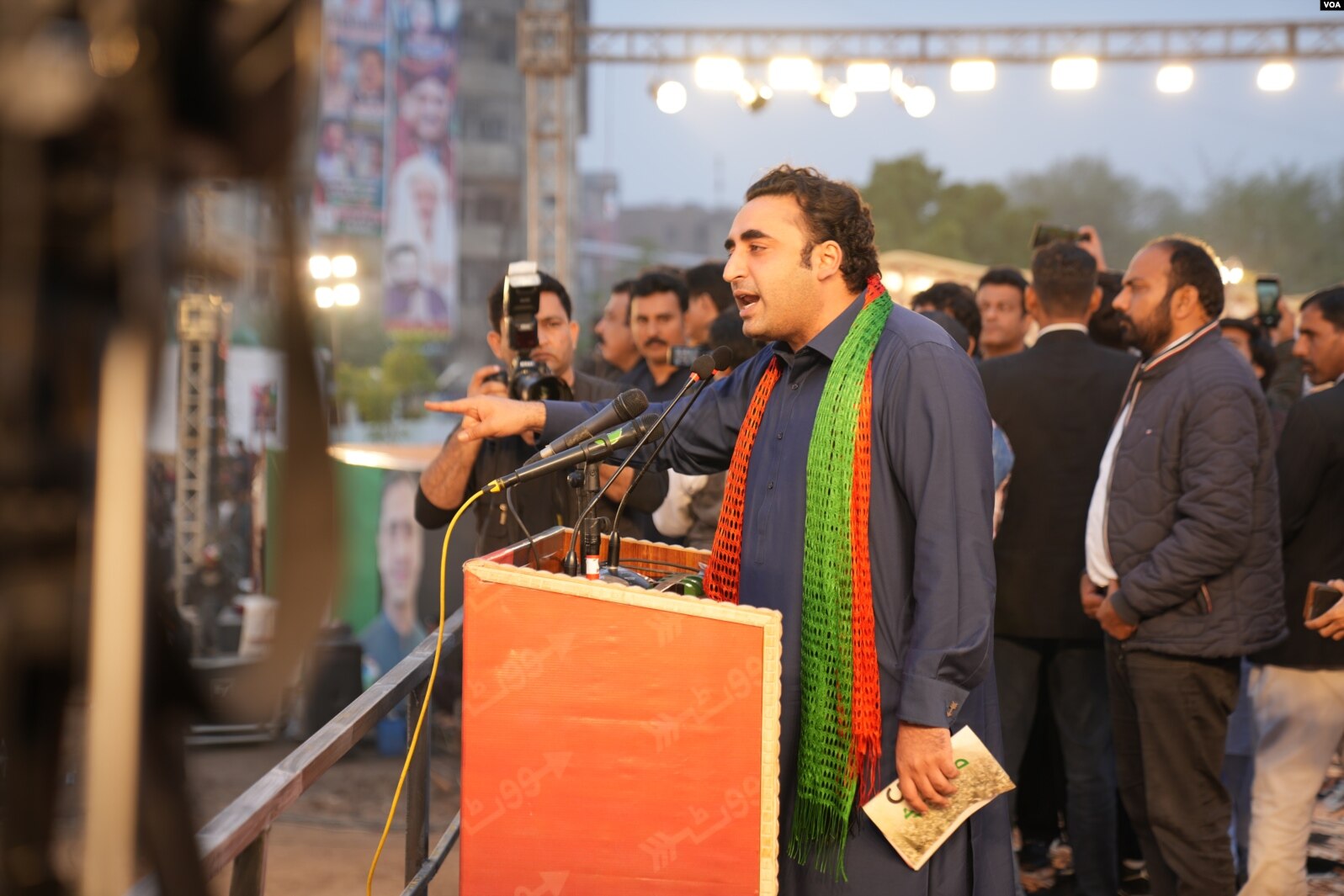
The Pakistan Muslim League-Nawaz and its key coalition partner, the Pakistan Peoples Party, agreed on Saturday, 28 November, to ease their public feud and resume joint legislative business, after a government delegation led by Deputy Prime Minister Ishaq Dar met PPP Chairman Bilawal Bhutto-Zardari at Zardari House in Islamabad. Dar proposed convening the National Assembly before the Senate to clear pending legislation, a sequence Bilawal endorsed, and a date for the session is expected within one to two days, according to people briefed on the talks who spoke to The Express Tribune.
The meeting was the coalition’s latest attempt to close a month of friction over Interior Minister Mohsin Naqvi’s campaign for new provinces, which the PPP has opposed, and over the government’s treatment of the JUI-F. It ended with an assurance that the coalition would hold, but not with a commitment to support the government’s legislative programme. A PPP leader told Dawn that the party would examine legislation “bill by bill” and would not give blanket approval.
A truce with conditions
The government side described the meeting in careful terms. Parliamentary Affairs Minister Tariq Fazal Chaudhry said the discussions were cordial and focused on parliamentary cooperation, that Bilawal had assured the delegation the PPP would continue to play its full role as an ally, and that the PPP chairman wanted Prime Minister Shehbaz Sharif’s government to complete its constitutional term, Geo News reported. Chaudhry also said the new provinces and referendum questions were not discussed at the meeting, that the National Assembly was not in session, and that the parliamentary legislation committee would move to expedite bills pending from various ministries. He said none of those bills related to a proposed 28th Constitutional Amendment.
A PPP handout issued after the meeting said the two sides discussed the upcoming parliamentary session and “potential legislative agendas”. It also recorded a request from Bilawal that Dar personally look into the reported raid on the Islamabad residence of JUI-F chief Maulana Fazlur Rehman and the treatment of his family.
The warmer tone does not settle the underlying dispute. A PPP leader told Dawn that the party could not extend unconditional support to the ruling party’s agenda. “No blanket agreement. We never had that. We will see bill by bill,” the leader said, speaking on condition of anonymity, while adding that there was “no threat to the ruling coalition”. Dawn reported that PPP leaders had assured the PML-N delegation the coalition would remain intact despite the recent skirmishes.
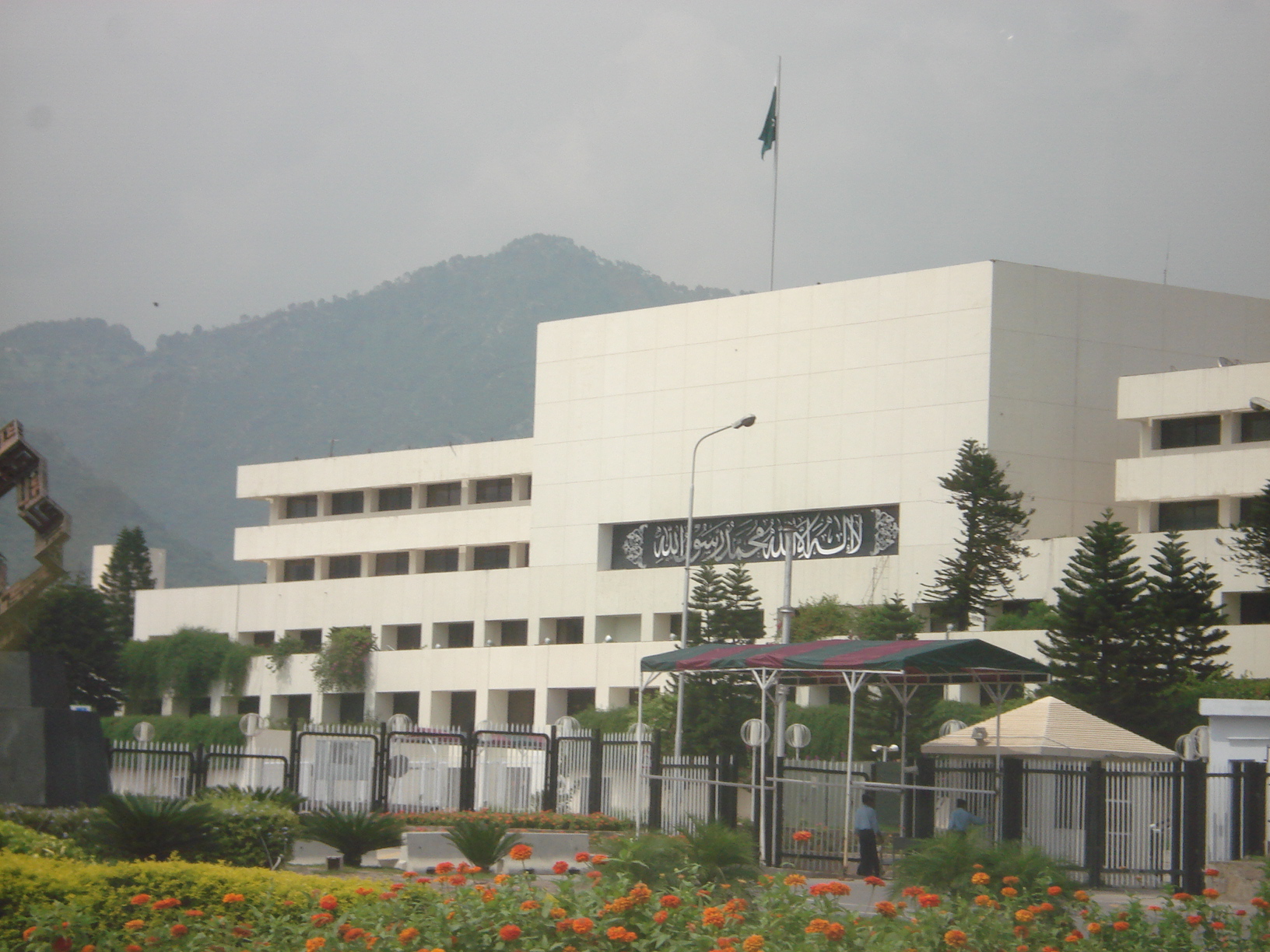
That distinction matters because the government’s room to legislate depends on it. The PPP’s support shapes the government’s legislative timetable, and any constitutional amendment would require two-thirds of both houses. A session is summoned by the president; President Asif Ali Zardari, the PPP’s co-chairman, had not summoned one by Sunday morning, Arab News reported.
Zardari, Naqvi and the referendum
The parliamentary truce ran alongside a separate channel. Zardari met Naqvi at the interior minister’s residence in Lahore; The News dated the meeting to Saturday and the Express Tribune to Friday. The interior ministry’s statement said only that the two discussed the overall national situation and law and order, according to the Express Tribune. But The News reported that the conversation covered proposals to create new provinces and hold a referendum on the subject, and that Punjab Assembly Speaker Malik Muhammad Ahmad Khan, who attended, raised the referendum with the president and the interior minister. The Express Tribune reported Malik’s presence but noted that the interior ministry’s press release did not mention it.
The PPP’s public position has not shifted. PPP leader Saleem Mandviwalla told the Express Tribune that “the reconciliation on provinces has to happen, but that stage is yet to come”, that no formula had been worked out, and that provinces which agreed to smaller units could move first while others followed later. PPPP Secretary General Nayyar Hussain Bukhari said in a statement reported by The News that new provinces could only be created through constitutional and parliamentary procedure, not an administrative order, and that the PPP wanted Shehbaz to complete his tenure.
The government has not published a referendum question or a date, and the PML-N has not settled on a public position: the Express Tribune reported that Nawaz Sharif has yet to articulate a definitive one and that party leaders have given varying answers. Under the Constitution, creating a province requires a constitutional amendment passed by two-thirds of the total membership of each house of parliament and by two-thirds of the provincial assembly concerned, Arab News noted.
The provinces question has been running since Naqvi publicly backed additional provinces and administrative units at the Pakistan Economic Summit on 30 July, Arab News reported. Bilawal responded this month by opposing any division of Sindh and warning that it would lead to bloodshed, and he complained that the PPP was not being consulted, Dawn reported. PML-N ministers Khawaja Asif and Tallal Chaudhry reacted sharply, and MQM-P chief Khalid Maqbool Siddiqui urged the courts to take notice. The prime minister then told ministers on 24 November to stop making statements against one another, as KhabarWire reported, days after Zardari and Shehbaz agreed to resolve issues through dialogue, also covered here. The dispute and the referendum proposal are tracked in KhabarWire’s Pakistan’s New Provinces Debate hub.
Fazl’s house and the price of consultation
The JUI-F grievance is the sharpest illustration of what the PPP says it wants: consultation before decisions that affect allied parties. The Capital Development Authority sealed the house used as Fazlur Rehman’s Islamabad residence on 28 November, a day after cancelling the property title of its registered owner, as KhabarWire reported. Bilawal raised the action with Dar at the meeting, and later telephoned Fazl to express solidarity, Geo News reported.
According to Geo, Fazl told Bilawal that his son had been arrested and that women had been forced out of the house and harassed, and Bilawal condemned the reported actions against the family. The CDA has described the step as a sealing ordered after the title cancellation; the PPP and the JUI-F call it a raid. The JUI-F is not part of the coalition, but the PPP has presented the episode as a test of whether the PML-N consults its allies before using state agencies against political opponents, a complaint Bilawal has raised repeatedly this month.
For the government, the immediate prize is a functioning parliament. The Express Tribune reported that both sides had agreed to minimise statements against each other and return to their previous practice of jointly pursuing legislation. Chaudhry said Bilawal had invoked the 2006 Charter of Democracy during the meeting, and that Dar responded by suggesting a “Charter of Economy” among political parties. Neither idea has been reduced to a document.
What remains open is the substance. No date for the National Assembly session has been announced, no list of bills has been published, and the PPP has not said which measures it will support. The referendum proposal, meanwhile, has moved from public advocacy by the interior ministry into reported discussions between the president and the minister, without a published mechanism. Both sides say the coalition will hold; whether it can legislate will be tested the first time a bill reaches the floor.