Reporting snapshot · 29 November 2026 (Asia/Karachi). The army did not disclose the size, destination or mission of the contingent, and it is not clear from the public record whether this is an additional force, a rotation of personnel already in the kingdom, or a smaller deployment timed to the alliance meeting. The operational picture may change as the Houthi campaign develops.
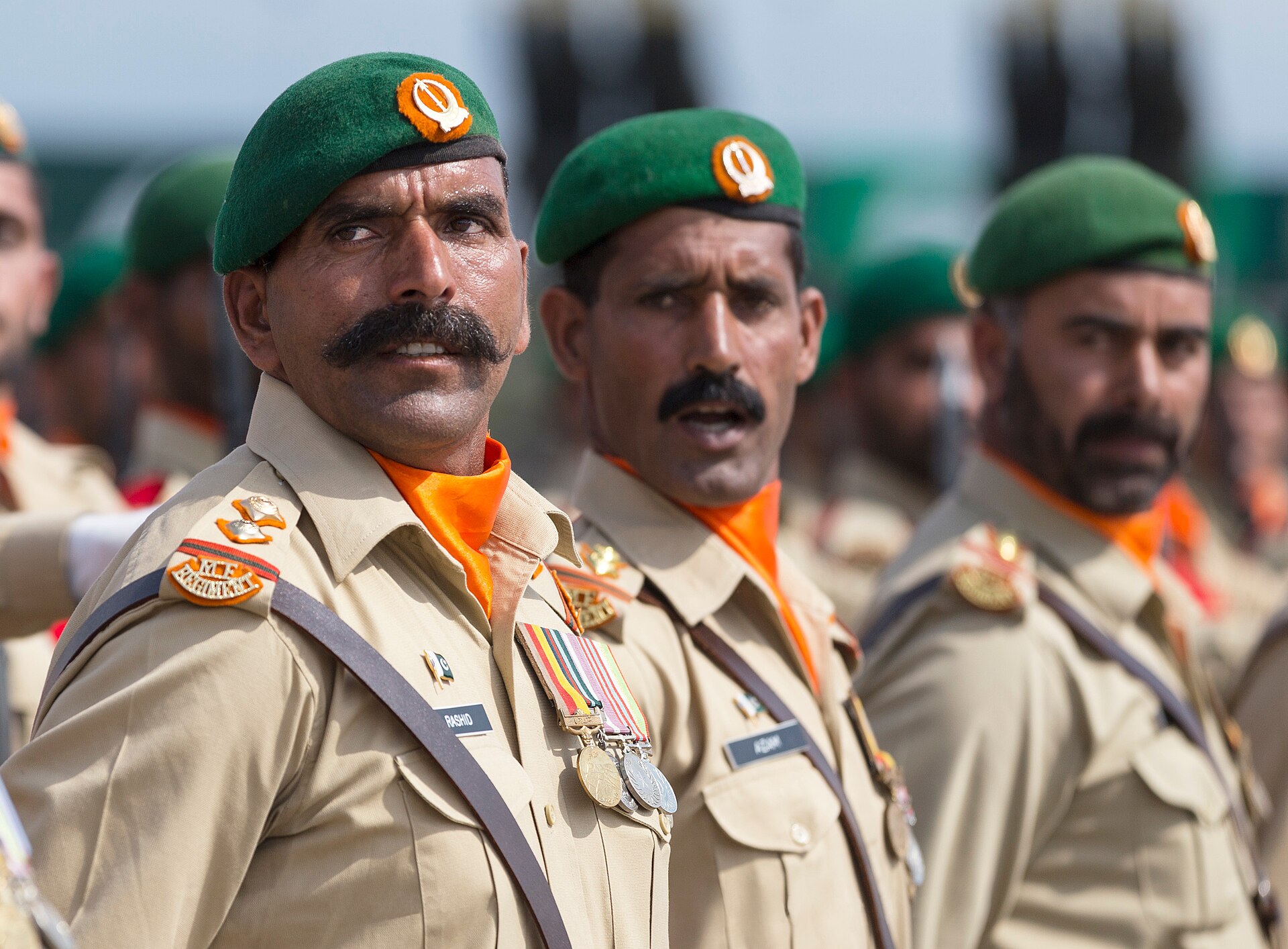
Pakistan’s army said on Sunday 29 November that it had sent a contingent of troops to Saudi Arabia under an agreed defence cooperation framework, a day after holding a send-off ceremony for the soldiers. The military’s media wing, Inter-Services Public Relations, said the troops would carry out their assigned responsibilities inside the kingdom and that the deployment would strengthen Saudi Arabia’s defensive capabilities “amid emerging security concerns”. It did not say how many troops were sent, where they would be stationed or what missions they would perform.
The ceremony was held on Saturday 28 November and was attended by Defence Minister Khawaja Muhammad Asif, Saudi Ambassador Rajeh Tami Albugamy, Chief of General Staff Lieutenant General Omer Ahmed Bokhari and Lahore Corps Commander Lieutenant General Muhammad Umer Bashir, Anadolu Agency reported. Al Jazeera reported that the army announced the deployment on Sunday, quoting a statement it published on X. Neither account gave the size or destination of the contingent.
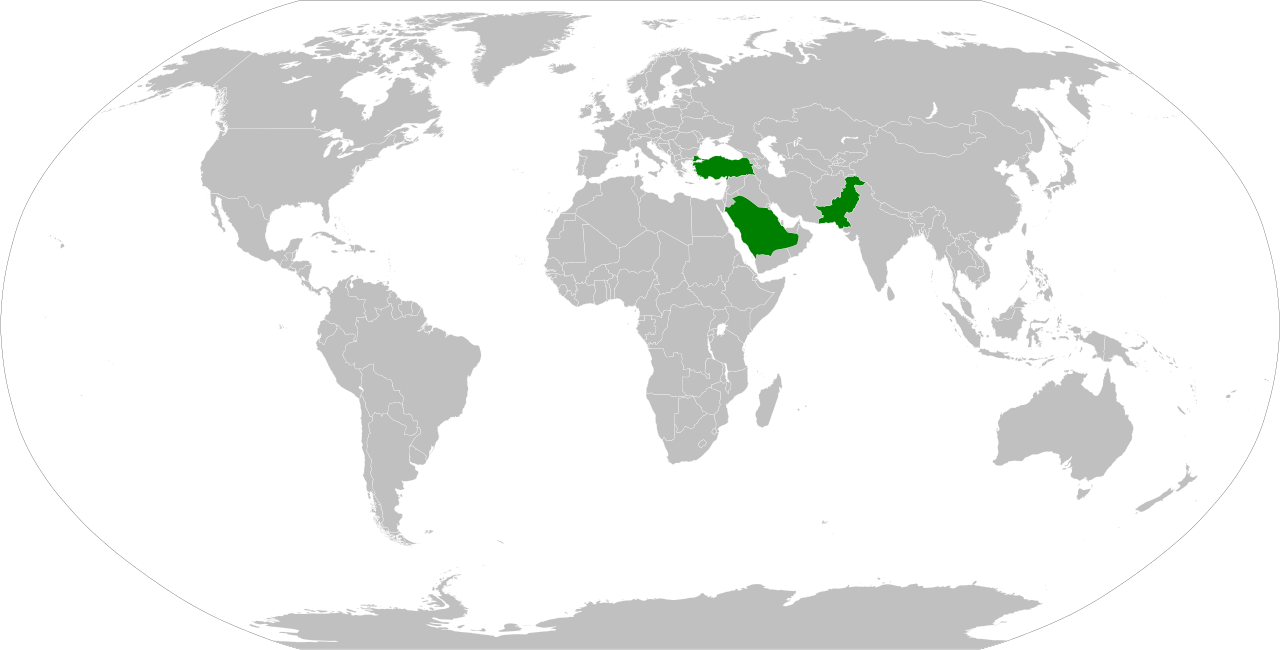
The send-off came a day after the Strategic Political and Defence Committee of the Makkah Joint Defence Agreement met in Islamabad on 27 November. Pakistan, Saudi Arabia and Turkey used that meeting to condemn “persistent and heinous” Houthi attacks on Saudi civilians and infrastructure and to pledge to “continue and intensify” support for the kingdom’s security, Al Jazeera reported. The joint statement did not announce a new deployment. The army’s statement on Sunday provided the first public account since the meeting of a specific contingent moving.
A send-off with no numbers or destination
The Makkah pact, signed on 7 August, treats an armed attack on any one of Pakistan, Saudi Arabia and Turkey as an attack on all three. It has moved from a signing ceremony to an operational alliance as Houthi attacks on Saudi cities, airports and energy sites have intensified. Al Jazeera reported that at least 26 people had been killed in suspected Houthi drone and missile attacks in Saudi Arabia since 23 September, 23 of them in strikes on airports. The attacks have also hit oil and shipping infrastructure, and they frame the alliance’s decision-making as Pakistan weighs a deeper role.
Pakistan has described its role as defensive. Its Foreign Office said in October that Pakistani forces would not cross into Yemen to attack the Houthis, and the army’s public statements have emphasised the protection of Saudi territory and the two holy mosques rather than offensive operations. The 29 November statement repeated that the deployment was meant to reinforce the kingdom’s defences. It left open whether the contingent would be used in combat, in air-defence and support roles, or in training and logistics.
Pakistan’s military presence in Saudi Arabia is not new. Reuters reported in May that about 8,000 Pakistani personnel, a squadron of JF-17 fighters, drones and an HQ-9 air-defence system had been deployed under a bilateral defence pact signed in 2025. The army’s spokesman said in October that Pakistani troops had been in the kingdom for decades in multiple capabilities, as KhabarWire reported. Much of that presence predates the Makkah pact, and analysts told Al Jazeera that it rests largely on the older bilateral arrangement.
That history makes the new contingent hard to read from the outside. The army’s statement uses the word “deployment” but gives no numbers. It does not say whether the troops are an additional force, a rotation of personnel already in the kingdom, or a small contingent meant to give the Islamabad meeting a visible result. The absence of detail is consistent with the military’s earlier refusal to discuss operational matters, but it also means the public cannot judge the scale of Pakistan’s new commitment.
The politics behind the send-off
The 27 November meeting was the latest session of the alliance’s political and defence committee, after Istanbul in August and an emergency meeting in Riyadh on 5 October that agreed to rapid deployment. The Islamabad session was meant to review progress on the alliance’s secretariat and on military coordination, as KhabarWire reported. A public send-off gives Pakistan’s partners a concrete sign that the commitment is moving, while allowing Islamabad to present the role as defensive and limited.
Pakistan is also trying to preserve its position as a mediator between the United States and Iran. Its diplomats have argued that the Makkah pact is not directed at any third country, and Pakistani officials have said forces would not enter Yemen, KhabarWire reported. A deeper military role in Saudi Arabia could complicate that balancing act, particularly if the Houthis treat Pakistani personnel or bases as legitimate targets. The army’s statement did not address those risks.
The alliance has also not published how it would decide on a joint military response, which forces it would call on or who would command them. That gap leaves the 28 November ceremony open to competing interpretations: a routine rotation, a signal of resolve after the Islamabad meeting, or the beginning of a larger Pakistani role in the Saudi-led campaign. The army’s wording supports the second reading, but not the third.
What remains undisclosed
For now, the confirmed facts are narrow. A ceremony took place on 28 November. The army announced a deployment on 29 November. The troops will serve inside Saudi Arabia under existing defence arrangements. The size, location, duration and rules of engagement have not been published. Saudi and Pakistani officials have not said whether the contingent will take part in air-defence operations, guarding sites, training or other tasks.
The political context is clearer than the military one. Pakistan’s army has deepened its Gulf role over the past year, while the government has released few details about the cost and risks. The 2025 bilateral pact with Saudi Arabia, followed by the trilateral Makkah agreement, created a framework for deployments while leaving many operational decisions to the alliance’s committee and the participating militaries. The 29 November statement does not fill those gaps.
The deployment is the latest step in a relationship that has deepened quickly since the 2025 bilateral pact. It also puts Pakistan’s army more visibly inside a war that Islamabad has tried to keep at arm’s length. Whether the move remains a defensive signal or becomes a larger commitment will depend on the next Houthi attacks, the alliance’s decisions and how far Pakistan is willing to go without a public debate at home.