Reporting snapshot · 28 November 2026 (Asia/Karachi). The CDA has not published the full order, the sequence of the eviction is known from the party and from officials quoted by newspapers, and no court has tested the cancellation. Whether the registered owner or the JUI-F will challenge it, and where the family will live, remain open.
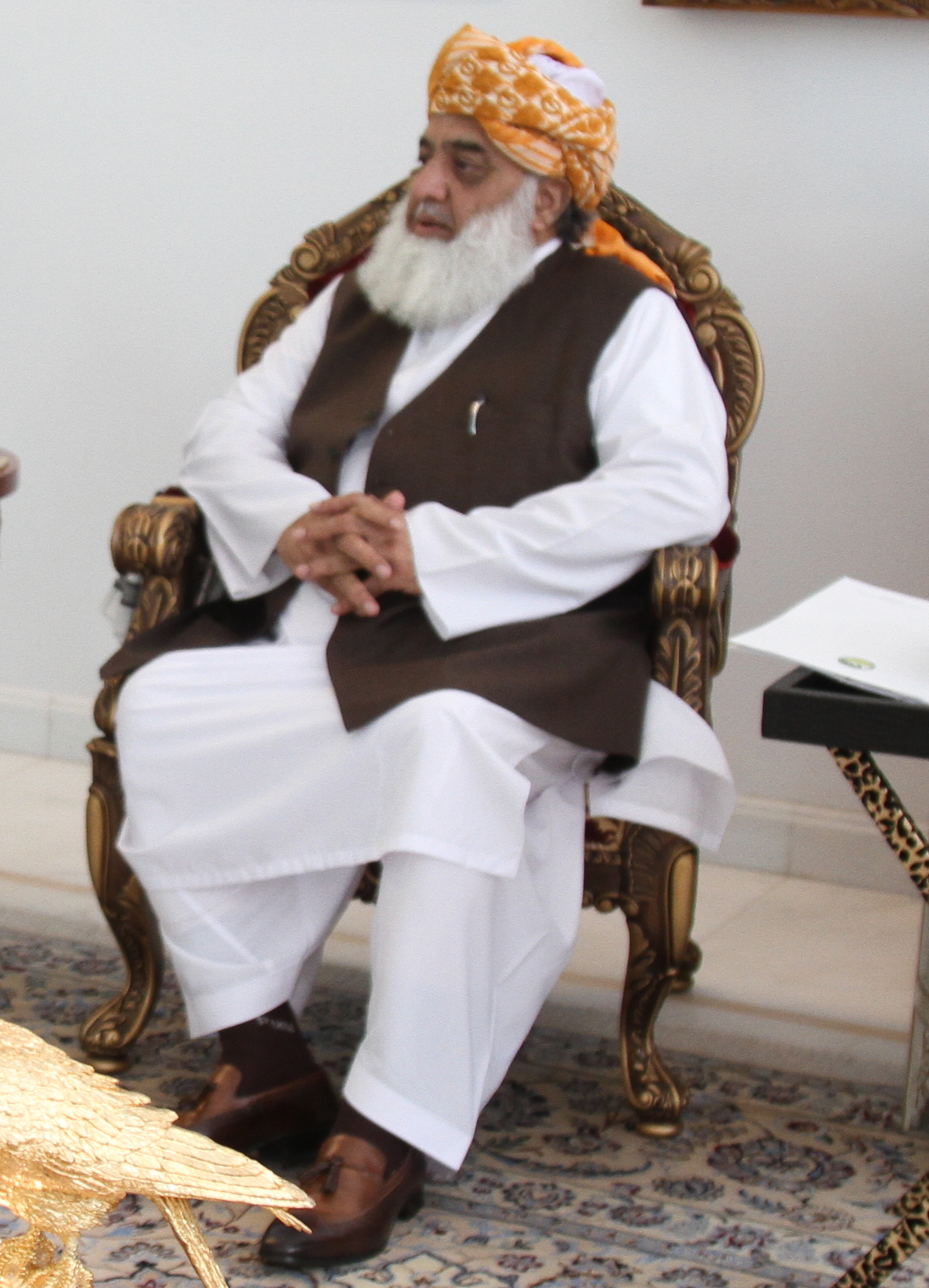
The Capital Development Authority sealed the Islamabad house used as Maulana Fazlur Rehman’s capital residence on Saturday, 28 November, a day after ordering the cancellation of the property title held by its registered owner. A notice fixed to the gate said the building had been sealed by the CDA’s Building and Housing Control wing “on account of cancellation of ownership”, Dawn reported.
The order is dated 27 November and was issued by a deputy director in the CDA’s Estate Management-I directorate. It cancels “with immediate effect” the change of title granted in favour of Amanullah, son of Muhammad Younus, for House No. 7, Street 83, Sector G-6/4, a 1,200-square-yard property. The authority said Amanullah had been “identified as a foreign national and his Pakistani Computerised National Identity Card (CNIC) had accordingly been cancelled”.
A district magistrate and CDA officials carried out the sealing on Saturday morning. Police were deployed along the roads leading to the house and the street itself was blocked, The Express Tribune reported. The family was given 30 minutes to leave before the property was sealed, according to the newspaper, and the JUI-F said the family had gone before it was sealed.
The paper trail behind the cancellation
The order traces the case through several official communications. A Special Branch report dated 22 November raised questions about Amanullah’s nationality. The Islamabad district magistrate wrote to the CDA on 25 November saying his CNIC had been cancelled after verification by the National Database and Registration Authority. The focal person for the capital’s Illegal Foreigners’ Repatriation Plan wrote the same day confirming the cancellation and asking the authority to begin legal proceedings over property the man had reportedly acquired in Islamabad.
According to the order, Nadra found that Amanullah had obtained his CNIC on the basis of his parents’ identity documents, and that its records held two CNICs for his late father, Muhammad Younas. Verification concluded that the document used for the property transfer “was not a valid Pakistani CNIC and had been cancelled by the competent authority”.
The CDA issued a show-cause notice on 25 November asking Amanullah to appear before its member for estate on 26 November. He could not be found at the property, so the notice was pasted on the premises, the order says. He did not appear and produced neither a valid identity document nor prior permission to acquire the property.
The authority relied on Chapter 6 of the CDA Property Manual, which requires a valid CNIC for a change of title, and on Section 3 of the Foreigners Act 1946. A 1984 order made under that section bars a foreigner from acquiring land or any interest in land in Pakistan without the previous written permission of the federal or provincial government. The CDA said no such permission had been placed on its record.
The order is framed around the registered owner’s identity and title, not around Fazlur Rehman. It does not say how the JUI-F chief came to live in the house, what arrangement he had with Amanullah, or what right his family has to remain. Nor does it accuse Fazlur Rehman of an identity or property offence. The authority said “consequential legal action” would be taken by its estate directorate.
A half-hour notice and an arrest
The JUI-F gave a sharper account of the operation. Its spokesperson, Aslam Ghauri, said police surrounded the residence and that women and children inside were harassed before the family was told to empty the house within half an hour. He said the party had postponed protests in Rawalpindi and Islamabad out of respect for foreign guests visiting the capital, and accused the government of answering that restraint with provocation.
“We want peace. Why is the government bent on confrontation?” Ghauri said, according to The Express Tribune, demanding that the authorities end what he called the siege of the residence. He warned that the government would be responsible for any consequences if the situation escalated.
The party also said police arrested Fazlur Rehman’s younger son, Maulana Asjad Mahmood, at the property. By Saturday afternoon no case details had been made public and police had not issued a statement setting out the grounds for any arrest.
Fazlur Rehman was not in Islamabad. He has been at his Lahore residence, where police have restricted his movement since 23 November. Lahore’s police chief, Bilal Siddique Kamyana, later denied that the JUI-F chief had been arrested, after the party said he had been taken into custody while trying to travel to Sargodha, Dawn reported.
How the standoff reached the front gate
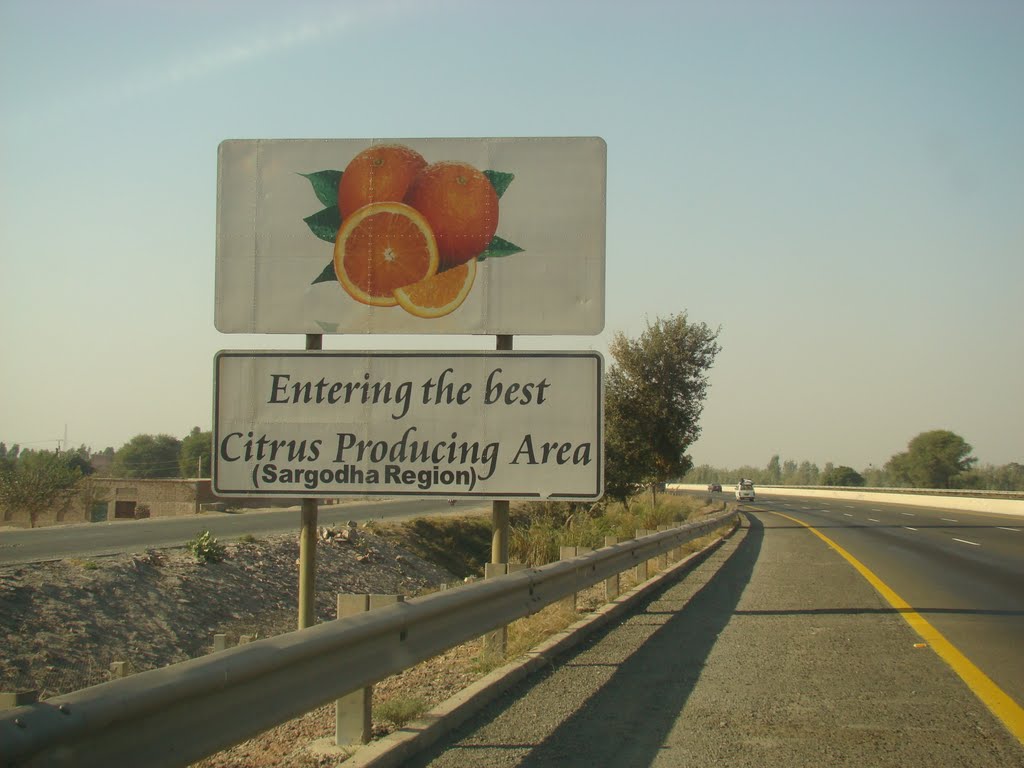
The sealing is the latest move in a confrontation that has widened over three weeks. On 25 November, Sargodha’s deputy commissioner barred Fazlur Rehman and eight other JUI-F leaders from the district for 30 days, ahead of a planned rally on 26 November. The party responded with highway blockades and called for a nationwide shutdown if its convoy was stopped, The Express Tribune reported.
The CDA had already put the same house in its sights. On 30 October it pasted a notice at the property over a generator placed outside and alleged unauthorised construction in setback areas, warning that the building could be sealed and the plot allotment cancelled, Dawn reported and Geo News reported. Asjad Mahmood said at the time that the objections concerned an extra kitchen, a guard cabin and a generator, and that “all the institutions are bent upon victimising an individual”.
Police and Federal Constabulary personnel assigned to protect Fazlur Rehman and his family were withdrawn from residences in Islamabad and Dera Ismail Khan in the week before the sealing. A JUI-F spokesman said the Islamabad house had been cordoned and visitors harassed; an Islamabad police official said only one guard had been withdrawn.
Separately, the National Accountability Bureau has summoned Fazlur Rehman’s elder son and former communications minister, Asad Mahmood, over alleged irregularities in 4,252 appointments at Pakistan Post during 2022 and 2023. He skipped summonses issued for 10 and 14 November, according to a bureau source quoted by Dawn.
The JUI-F was part of the coalition that removed Imran Khan in 2022 and joined the government that followed, then moved into opposition after the 2024 election. Relations with the PML-N-led Centre worsened after the federal government imposed emergency and governor’s rule in Khyber Pakhtunkhwa in October 2026. Fazlur Rehman had tried to mediate and later accused the Centre of reneging on commitments, Dawn reported. KhabarWire has followed the standoff, including the Sargodha ban and the Lahore High Court plea.
What the order leaves open
Three questions remain unanswered. The first is legal: the order cancels a title and orders a seal, but it does not address the occupancy of the people living in the house, and it is not clear whether Amanullah, Fazlur Rehman’s family or the party will challenge the cancellation in court. The party has said it will approach the courts over the detention of its leaders.
The second is practical: the family has left a house that, according to Geo News, had frequently served as a venue for political consultations, including visits by Prime Minister Shehbaz Sharif and PPP chairman Bilawal Bhutto-Zardari. Where the family will live, and what will happen to the property, has not been disclosed.
The third is political. The CDA presents the sealing as an enforcement action under property and foreigners’ rules. The JUI-F presents it as the latest step in a campaign against its leader, coming after the withdrawal of his guards, the Sargodha ban and the arrests of party workers in three provinces. Both accounts can be checked against the documents; which one persuades the public will depend on what the courts and the next few weeks show.