Reporting snapshot · 18 November 2026 (Asia/Karachi). Every position below was made on 17 November, apart from the Muttahida Qaumi Movement-Pakistan and PML-N responses carried on Wednesday; no notice of a joint session of parliament, no text of any repeal bill and no reply from the federal government has been published. The account of the reserved seats case is the party chairman's own, and the warning about disqualification is one adviser's reading of a speech rather than a legal opinion.
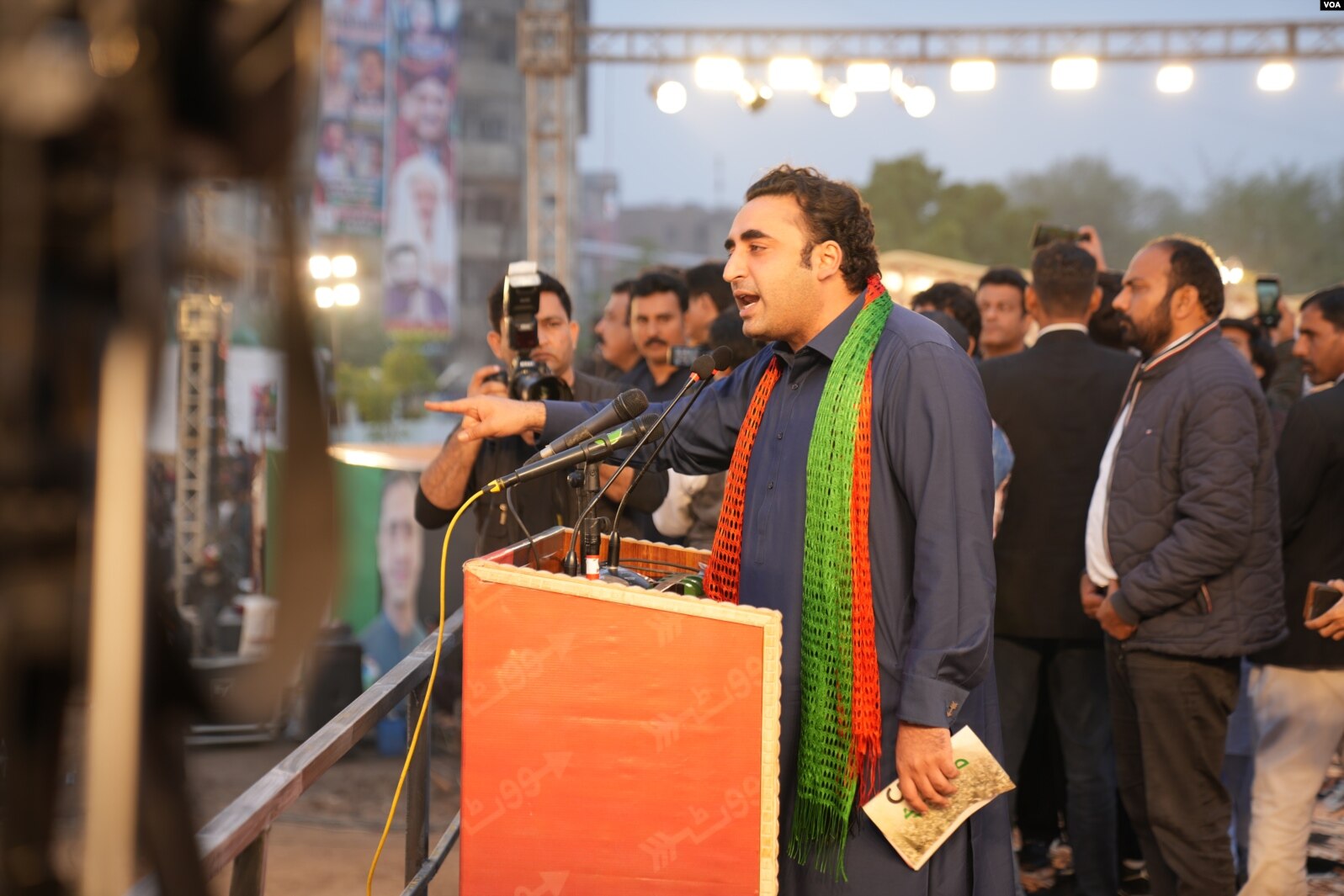
On Tuesday, 17 November, Bilawal Bhutto-Zardari told a Karachi Press Club ‘Meet the Press’ session that Pakistan’s system of government had not collapsed on its own but had been made to collapse, and that repairing it would take a reset beginning in parliament. Radio Pakistan’s report of the session carried the same appeal for collective effort, and Pakistan Today published the question-and-answer session in full. Within hours the appeal had drawn a list of demands, and the ruling coalition was being asked for more than a debate: the return of the opposition’s reserved seats, the restoration of the Pakistan Tehreek-e-Insaf (PTI) election symbol, an all-parties conference, and, from the opposition benches, repeal of the 26th and 27th Constitutional Amendments, the pair of changes that reshaped the federal judiciary and gave Pakistan its Federal Constitutional Court.
The reset, and the list attached to it
Bilawal’s argument was that the remedy being floated had not addressed the cause of the failure. Asked why a reset was needed, he said the answer lay in why the system had broken down rather than in the package being proposed, and that the repair had to be political because it was legislators, not administrators, who would have to act. The Express Tribune reported that he wants a grand dialogue or an all-parties conference involving the government, its allies and the opposition, and that the PPP would first seek agreement inside its own ranks, then take the proposal to its Central Executive Committee, and only then to other political forces.
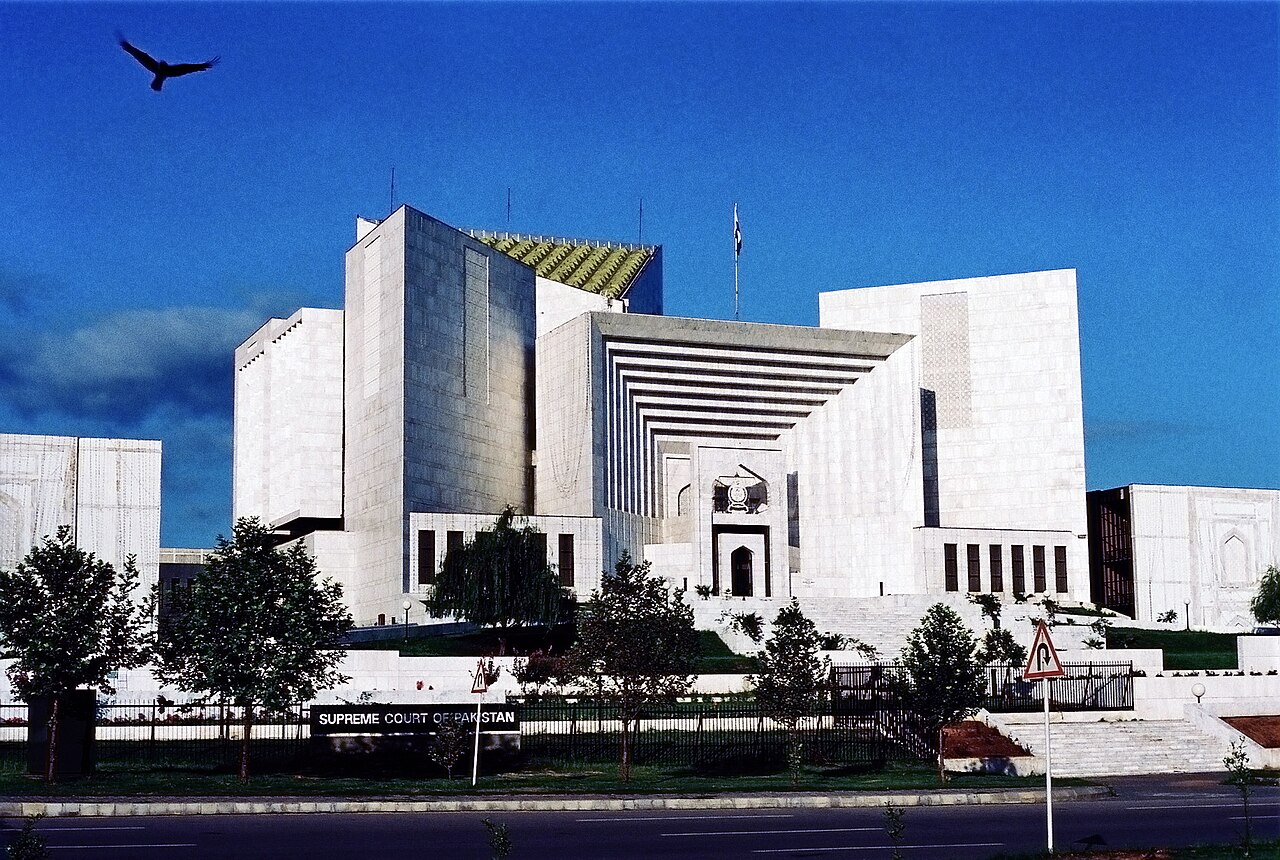
Three of his asks were specific enough to be tested. The first was to return the opposition’s reserved seats in the National Assembly without preconditions and to restore the PTI’s election symbol. Bilawal’s own account of the reserved seats, as Pakistan Today recorded it, is that the PTI was deprived of them in the 2024 elections, was declared eligible for them by the Supreme Court, and then lost them again when a constitutional bench constituted through the 26th Amendment overturned that ruling on review petitions filed by the coalition parties. The second was the release of political prisoners, which he tied to the case of former prime minister Imran Khan, whom he called a political prisoner. The third was on the constitution: he said the 27th Amendment had been carried through a “brute majority” rather than consensus, and asked for consultations with the PTI, other opposition parties, lawyers and the judiciary before any further amendment is attempted.
On the constitutional court itself he was careful. He noted that the PPP’s longstanding demand for such a court, as set out in the Charter of Democracy, had been met, and said he was not calling for the changes to be reversed but for wider agreement around them. The Express Tribune put the distinction more plainly: the 26th Amendment had been passed with opposition input brokered by Maulana Fazlur Rehman, while the 27th went through on numbers rather than agreement.
An offer to repeal the amendments, and a call to resign
The concrete proposal came from the other side of the house. Senate Opposition Leader Allama Raja Nasir Abbas said the opposition was ready to sit down with the government to discuss “restoring the Constitution and strengthening Parliament”, and that repeal of the 26th and 27th Amendments could provide the way forward, The Express Tribune reported. He asked for a joint session of parliament to rebuild trust, and said every party would have to acknowledge its share of the damage.
The strongest version of the case against the government came from the PTI. Chairman Gohar Ali Khan, speaking near Adiala Jail in Rawalpindi, called on every party in the ruling coalition to resign and demanded an immediate national government followed by fresh elections under an independent judiciary and the Election Commission of Pakistan, The Express Tribune reported. He said the PTI was not currently part of any process on forming a national government, and that any decision would follow consultation with Imran Khan. He also pressed for the existing court orders on the former prime minister’s medical treatment to be implemented; party secretary general Salman Akram Raja said the party had been told that Imran Khan’s blood pressure had reached 193.
The government’s answer, and the cracks it opened
Information Minister Attaullah Tarar replied the same evening and defended the referendum route Bilawal had rejected. A referendum, he said, was a constitutional and legal mechanism for ascertaining public opinion, and no party should hold back from asking the people, and no one could impose a personal agenda on Sindh, Punjab, Khyber Pakhtunkhwa and Balochistan without first asking them, Pakistan Today reported. Radio Pakistan carried the same remarks. Tarar also turned the accountability question back on the PPP, saying that the reforms which had reshaped the National Accountability Bureau had been introduced by those now holding it responsible for its shortcomings, and that it was contradictory for a party to enjoy government positions while projecting itself as an opposition, The Express Tribune reported.
The answer opened two fissures. Adviser to the prime minister on political affairs Rana Sanaullah said Bilawal’s claim that the 27th Amendment had been passed under pressure could amount to grounds for disqualification, arguing that a party which says its own vote was cast under someone’s influence has damaged itself. Sanaullah said the PPP had been involved at every stage of both amendments, that for the 27th it ensured every single vote was accounted for, and that Bilawal himself had sat on the judicial commission that deliberated on the amendment, The Express Tribune reported. On the same programme PTI leader Umair Niazi read the remarks as an admission about how the amendment was passed; Sanaullah rejected that, saying Bilawal had made a political statement out of anger about the division of Sindh.
The Muttahida Qaumi Movement-Pakistan (MQM-P) responded to the speech rather than to the constitution. It said it was grateful to Bilawal for what it called an admission of guilt, challenged him to explain why creating provinces elsewhere would not bring bloodshed, and asked why those who opposed the 27th Amendment later voted for it, The Express Tribune reported. Dr Farooq Sattar separately called for new administrative units and for referendums on provincial performance and the devolution of administrative powers.
Inside the ruling party, PML-N leader Javed Latif largely backed the constitutional objection while opposing the timing of new provinces. Speaking in Lahore, Latif said a referendum was available only on matters the Constitution is silent on, and that the Constitution sets out how a new province is created; the split should be gradual and taken with stakeholders on board, The Express Tribune reported.
Nothing has been tabled yet
No joint session has been called, no repeal bill exists and the federal government has not answered the offer to talk. Bilawal said he did not know what the government was thinking and called on it to state its position, complaining that the debate had been forced without consultation with parliament, the cabinet or the provinces.
Three threads KhabarWire has followed decide what happens next. On the referendum, we reported on 15 November that a vote on new provinces would hinge on a joint session of parliament; Tarar has now put the referendum on the record as the government’s route, Bilawal has ruled one out and Latif has narrowed the legal ground for one, and the argument sits in our Pakistan’s New Provinces Debate hub. On the courts, the Federal Constitutional Court has begun building its own caseload since the criminal appeals transferred to it from the Supreme Court, and its first ruling on the status of Supreme Court precedent is set out in our report from 2 November. Repealing the amendment that created it would mean undoing a court that is already hearing cases. The reserved seats are the third: no order returning them has been published, and the judgment that took them away was made on review petitions, a procedure the same constitutional bench now controls.