Reporting snapshot · 5 November 2026 (Asia/Karachi). The directive was made at a review meeting in Islamabad on Thursday and was carried the same day by the state broadcaster, but no notification, list of stations or appeal procedure has been published, so the scale of the licence cancellations cannot yet be judged and every figure below comes from the government's own account of that meeting.
What happened
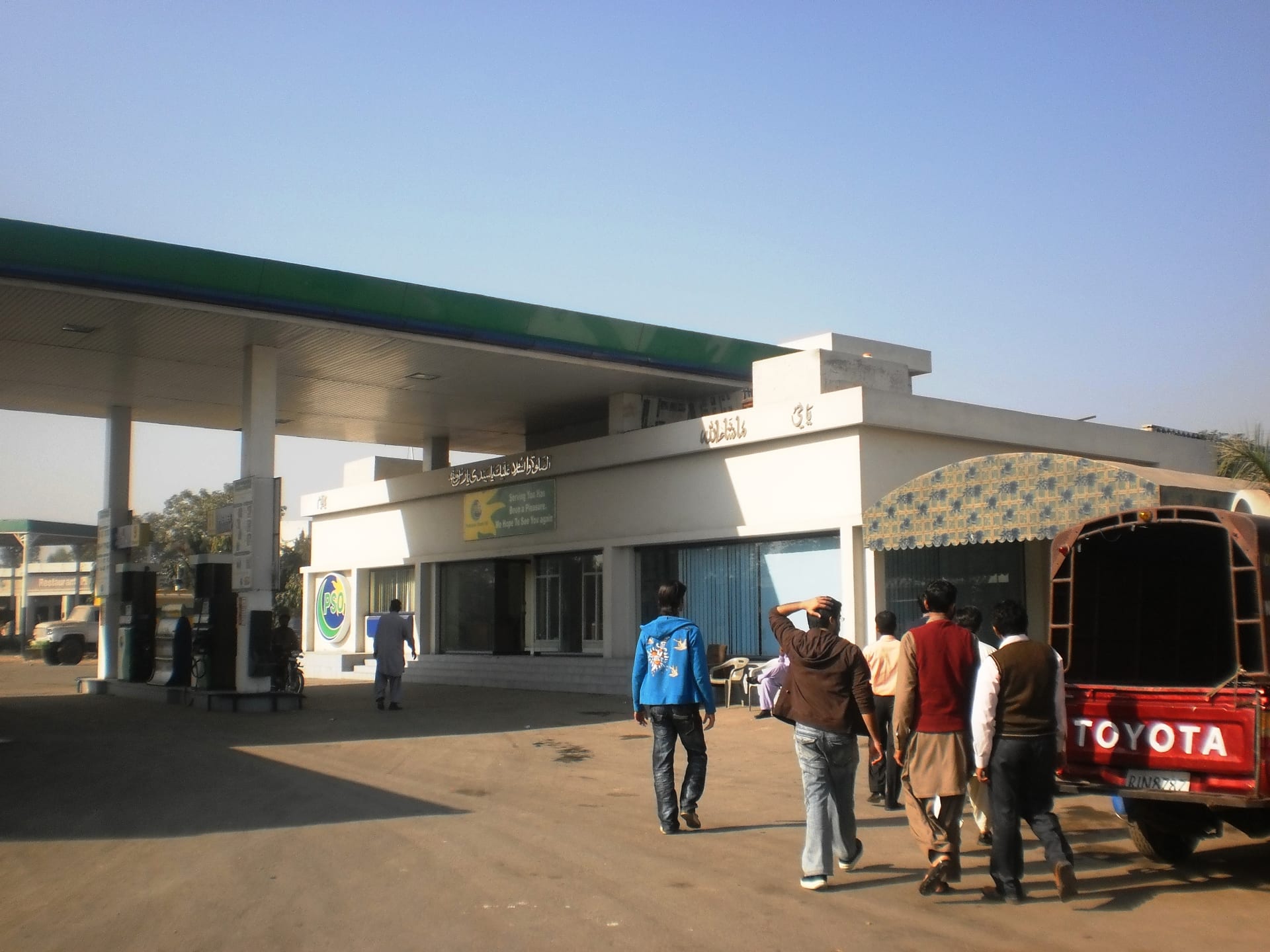
Prime Minister Shehbaz Sharif directed authorities on Thursday 5 November to cancel the licences of petrol pumps that fail to provide subsidised fuel to registered beneficiaries of the Prime Minister’s Fuel Relief Programme. The order was given at a high-level review meeting chaired by the prime minister in Islamabad, Radio Pakistan reported in its account of the Prime Minister’s Office readout.
Shehbaz said the technology-based subsidy mechanism would prove a “game changer” for public welfare, and that simplifying the registration and disbursement procedures had raised registrations so that more eligible citizens could reach the facility, Radio Pakistan said. Geo News reported the same meeting and listed those present, including Deputy Prime Minister and Foreign Minister Ishaq Dar, Finance Minister Muhammad Aurangzeb, Information Technology Minister Shaza Fatima, Minister of State for Finance Bilal Azhar Kiani and Special Assistant to the Prime Minister Tariq Bajwa.
The figures put before the prime minister were the largest reported so far for the scheme. The Express Tribune reported that 15,519,282 citizens had registered, including 15.06 million motorcycle owners; that 63,153,685 subsidy tokens had been issued and 59,445,347 redeemed, a redemption rate of just over 94%; and that Rs28.6bn had been paid out as of 4 November, which the paper calculated as 38% of the Rs75bn the Economic Coordination Committee had set aside for the scheme on 14 September.
Who the subsidy reaches and how a token is obtained
The scheme pays Rs500 a week to two- and three-wheelers, five litres at the Rs100-per-litre rate, and Rs1,000 every ten days to owners of cars with engines of up to 800cc, The Express Tribune reported, describing the mechanism approved by the Economic Coordination Committee, chaired by Finance Minister Muhammad Aurangzeb, on 14 September. The Ministry of Information and Telecommunication runs the digital Fuel Pass System that issues the tokens, and riders register by sending “REG” followed by their identity-card number to 9771 before requesting a token with “TOK”. KhabarWire explained how the 9771 registration and token process works when the scheme began in September.
The Prime Minister’s Office account put the number of registered citizens at 15,519,282, of whom 15.06 million were motorcycle owners and 449,000 owned vehicles with engines of up to 800cc, a figure repeated by Geo News and by Radio Pakistan. The Express Tribune reported the small-car figure as 449,800. The difference of 800 vehicles was not explained, and the two accounts cannot be reconciled from the published material.
Why the threat of losing a licence
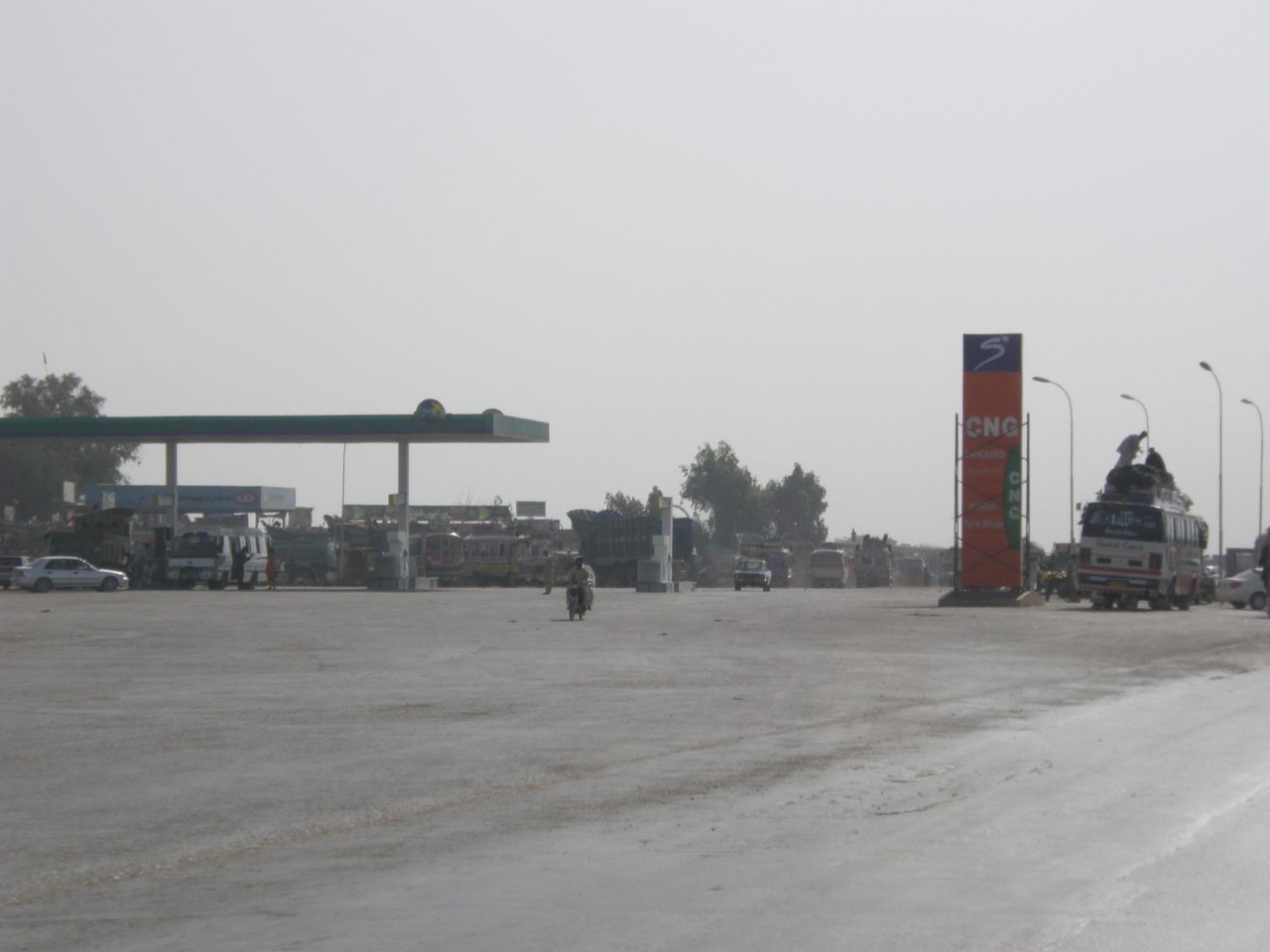
The directive answers a delivery problem the government has been documenting since October. The Express Tribune reported on 25 October that a high-level meeting had been told 31,000 consumers had been denied subsidy; that 10,344 tokens had expired; and that the national average of redemptions was close to 500 across roughly 8,000 stations, below which a station was to be audited. The same report recorded that provincial and district administrations were told to audit every station recording fewer than 50 redemptions. Punjab reported negligible refusals, Sindh below 1% and Gilgit-Baltistan none, while in Khyber Pakhtunkhwa four of 200 complainants contacted said they had been refused service, each case traced to a temporary internet outage.
The 9771 complaints line had received 3,000 calls by late October, of which about 400 were resolved at the first level, with Punjab accounting for 1,700 calls and Sindh 618, The Express Tribune reported. A meeting on 16 September had already directed the setting up of facilitation desks at petrol stations, where officials and volunteers would help citizens register and obtain subsidies, and the 25 October account noted that both citizens and station staff often believed a motorcycle had to be registered in the applicant’s name. Some non-redemption was therefore a registration problem rather than a refusal to serve.
Why it matters
Cancelling a licence is a different instrument from a warning or a fine. It decides whether a filling station keeps trading at all, and the government is directing it at stations that refuse a subsidy it is paying on the public’s behalf. That matters most to the roughly 15 million registered riders, rickshaw drivers and small-car owners for whom the relief was designed.
The order also arrives while the subsidy is being extended. On Wednesday 4 November, Pakistan Today reported, Shehbaz told the cabinet that the government had prevented a Rs15-per-litre petrol increase on Friday 30 October by asking refiners to share the profits they made while international prices were elevated, and that the subsidy programme had benefited about 15 million people, with roughly Rs28bn spent, and would continue to the end of December. Petrol had been cut to Rs374.51 a litre on 3 November, as KhabarWire reported in its review of the November price change.
In the longer term the enforcement turn lands on a scheme that is already contested. On 27 October the government and Jamaat-e-Islami appointed a six-member committee to widen the fuel relief scheme and frame proposals for phasing out the petroleum levy, as KhabarWire reported at the time. Getting the relief to reach the pump is the condition for defending it politically as well as fiscally, and the government is now setting the standard it will be judged against. KhabarWire follows these decisions in its Pakistan Fuel and Energy tracker.
What is still uncertain
No notification has been issued, no stations have been named, and no appeal process or timetable has been published, so the order remains a stated intention rather than a recorded enforcement action. The figures are the government’s own: registration counts and token issuance and redemption were read out at the meeting, while the redemption rate and the share of the Rs75bn allocation spent are The Express Tribune’s calculations from those figures. The discrepancy over the number of small-car owners, 449,000 in the Prime Minister’s Office account against 449,800 in The Express Tribune’s report, is unresolved.
Arithmetic on the reported totals leaves 3,708,338 issued tokens unredeemed. That is a larger gap than the 31,000 consumers reported as denied subsidy in October, though the two measures count different things and the programme has published no breakdown of why tokens go unclaimed, beyond the expired-token cases recorded at that time. Whether a licence can be cancelled administratively, what evidence of refusal is required, and whether the Rs75bn allocation covers a subsidy running to the end of December are all unstated.