Reporting snapshot · 28 October 2026 (Asia/Karachi). The committee has no published terms of reference, first meeting date or deadline, and the government's account of the meeting rests on a Prime Minister's Office statement rather than a published record of the session. The main limitation is that no written proposal on the levy exists yet, so the phased reduction is an intention rather than a schedule.
What the joint committee will do
The government and Jamaat-e-Islami agreed on Tuesday, 27 October, to form a six-member committee that will widen the federal fuel relief scheme and prepare proposals for phasing out the petroleum levy, according to a statement from the Prime Minister’s Office quoted by Pakistan Today and The Express Tribune. It is the first written outcome of a negotiation round that KhabarWire reported on the day of the meeting, when the government’s account of what it had offered rested on what Jamaat-e-Islami’s chief told reporters afterwards. The campaign is tracked in the Jamaat-e-Islami petroleum levy file.
The committee has two tasks. The first is to recommend expanding the scope of the existing petrol relief scheme so that “the maximum number of deserving people” can benefit from it. The second is to prepare “viable proposals” for a gradual reduction of the petroleum levy, to be taken forward as part of the budget, Pakistan Today reported.
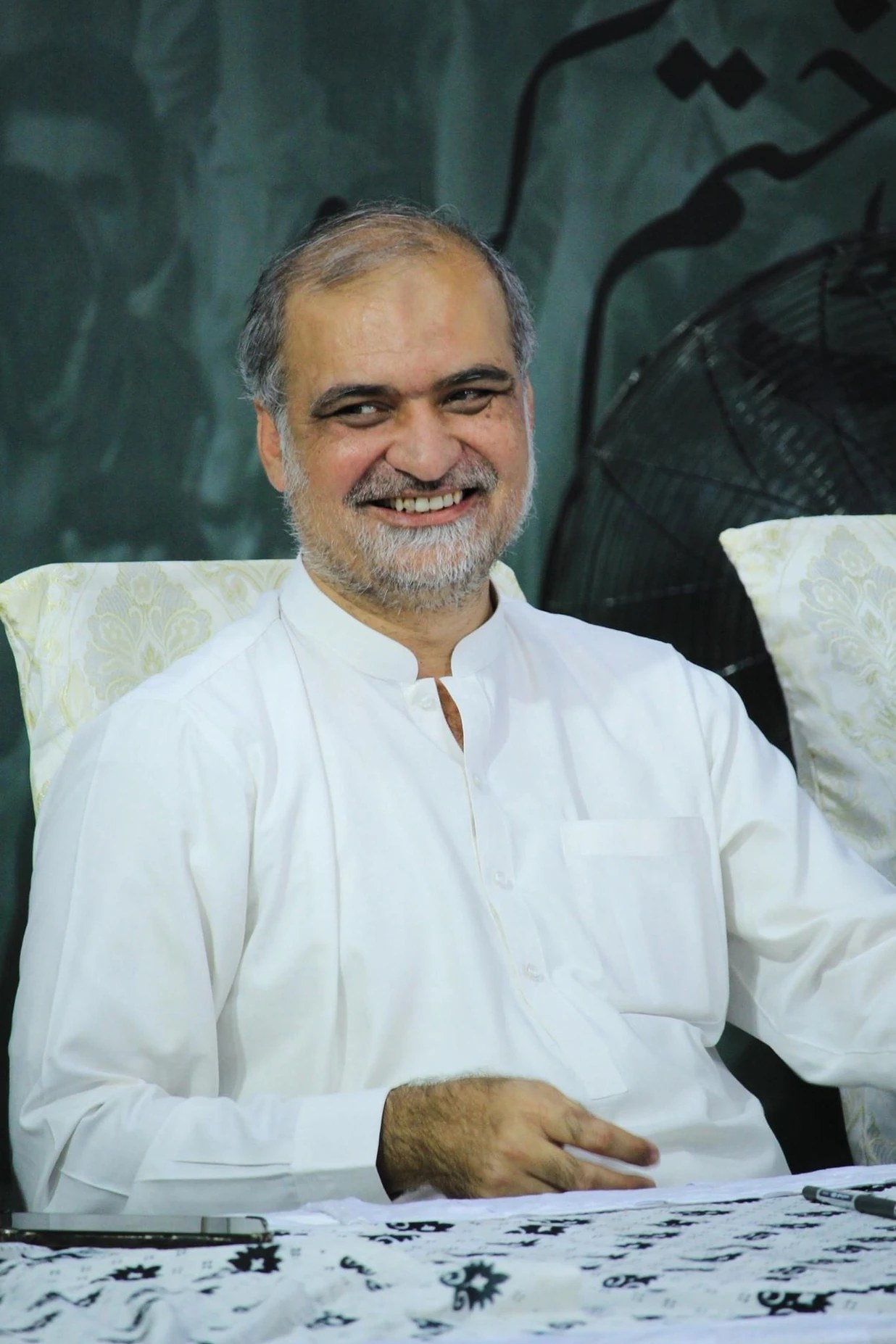
Each side nominates three members. Deputy Prime Minister and Foreign Minister Ishaq Dar, Planning Minister Ahsan Iqbal and the prime minister’s political adviser Rana Sanaullah represent the government, while Jamaat-e-Islami will be represented by Deputy Emir Liaquat Baloch, Deputy Secretary General Syed Farasat Shah and Islamabad Emir Nasrullah Randhawa, The Express Tribune reported. Radio Pakistan, the state broadcaster, carried the same announcement.
What the government has put on the record
The prime minister’s own account, set out in the Prime Minister’s Office statement, says the current crisis “is not related to government policies, but is linked with the surge in oil prices in light of the regional and global situation”, and that relief is being provided “according to its financial capacity”, Pakistan Today quoted. The same statement says 12.7 million people have registered under the relief scheme so far, a figure the prime minister gave the delegation during the meeting.
Planning Minister Ahsan Iqbal, who spoke to reporters alongside Rana Sanaullah, said the scheme is already benefiting more than ten million people, and that the committee will look at expanding it as global oil prices rise, Radio Pakistan reported. He attributed the energy shock to the conflict involving Iran, the United States and Israel, and to disruption around the Strait of Hormuz, which has raised oil and diesel prices, insurance premiums and transport costs. Rana Sanaullah said the number of beneficiaries could reach 20 million in the coming days and that any expansion should stay targeted at those most in need, Pakistan Today reported.
Iqbal also set a limit on what the government will accept. Relief “must be sustainable, and its cost must be something we can afford”, he said, and he argued that the previous Pakistan Tehreek-e-Insaf government, by cutting fuel prices while international prices rose, pushed the country towards the brink of fiscal default, The Express Tribune reported.
Why the levy is the sticking point
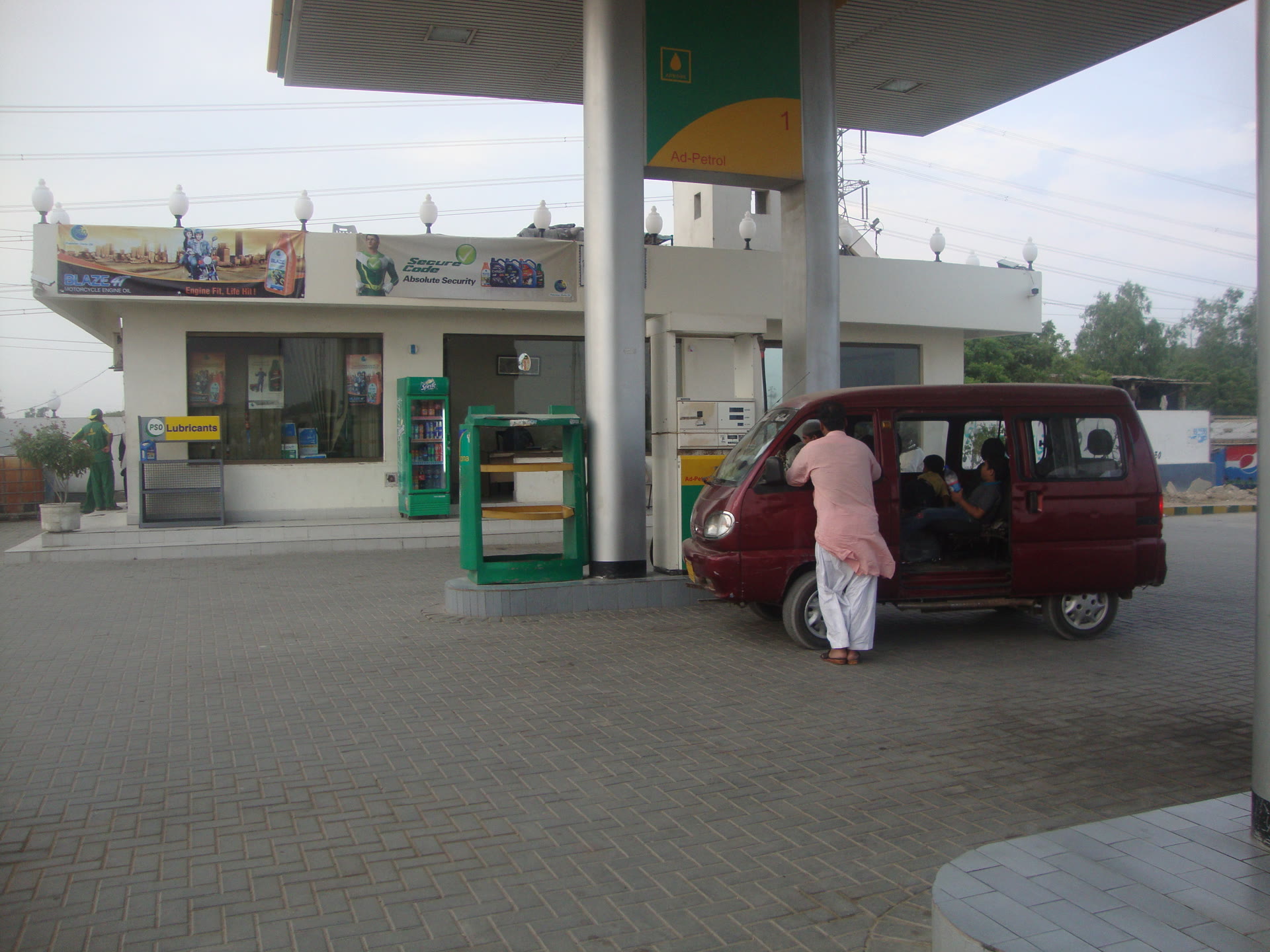
The dispute is about a tax that applies to every litre, not about the discount scheme itself. The relief scheme gives Rs100 a litre to motorcycle, rickshaw and car owners with engines up to 800cc, and KhabarWire’s account of the scheme set out who qualifies and what the discount is worth.
Jamaat-e-Islami’s chief Hafiz Naeemur Rehman said after the meeting that the government collects roughly Rs150 billion a month through the levy, against a relief package first announced at Rs26 billion and potentially rising to Rs32 billion, and that about 70 per cent of the levy burden falls on low- and middle-income households, costing them more than Rs100 billion a month, Profit by Pakistan Today reported. He said the party had rejected proposals to cut the levy by Rs20, Rs25 or Rs30 a litre, and that partial reductions would not be acceptable.
The scale of the levy has itself moved. Jamaat-e-Islami’s chief said the government raised the levy on petrol from Rs105 a litre to Rs160 in April before cutting it by Rs80 after criticism, as KhabarWire reported. Pump prices are reset daily under the mechanism adopted in July; petrol fell to Rs376.06 a litre and high-speed diesel rose to Rs398.07 for 28 October, which KhabarWire’s price account read line by line.
What happens before mid-November
The clock is short. Hafiz said the government had asked for seven to ten more days to work out a solution, and that the prime minister had told the party the committees would have eight to 10 days to formulate proposals, Profit and The Express Tribune reported the two accounts of that window differently.
Hafiz framed the dispute as settled on principle: “The question is not whether relief will be given, but how and when”, he said, according to The Express Tribune. The party’s long march to Islamabad still goes ahead in mid-November unless relief is announced and a mechanism to abolish the levy is devised; otherwise, he said, “we might have to sit on the road to talk”, Pakistan Today reported.
What is still uncertain
No terms of reference, meeting date or deadline for the committee’s recommendations have been published, and neither side has said when the six members will sit down. A phased reduction would have to be carried in the budget, and no budget document setting out a levy path exists.
The government’s own arithmetic constrains it. The relief scheme is a targeted discount funded from the federal budget, while the levy is the revenue line it would replace, and the State Bank raised the policy rate to 12% on 26 October with energy costs reviving inflation risk. The reported proposals of Rs20 to Rs30 a litre were never confirmed by the government, and no committee member has repeated them.
Nor is it settled that the two tasks can be reconciled. Widening a scheme that discounts pump prices and reducing the levy that finances the state pull in opposite directions, and the government has made no public statement on which takes priority if the committee’s two mandates collide.