Reporting snapshot · 21 October 2026 (Asia/Karachi). Prime Minister Shehbaz Sharif approved the Auto Policy 2026-31 draft on Tuesday, 20 October. The Prime Minister's Office did not issue a public statement, and the figures below come from the draft and reporting by Dawn, The Express Tribune and Geo News. The policy is not yet in force: it still needs IMF, cabinet and parliamentary approval, and the three outlets describe that sequence differently. The price examples are projections based on the draft, not final showroom prices.
What the draft changes
Prime Minister Shehbaz Sharif approved the final draft of the Auto Policy 2026-31 on Tuesday, setting out a five-year tax and tariff package intended to lift vehicle exports to $6bn and accelerate electric-vehicle adoption, Dawn reported. The approval was reported on Wednesday, and the draft has not been published as a formal cabinet document.
The centrepiece is a set of sales-tax tiers for new-energy vehicles. Battery electric vehicles would pay 1% sales tax during 2026-31, range-extended electric vehicles 6% and plug-in hybrids 9%, according to The Express Tribune. Geo News reported that hybrid and conventional internal-combustion vehicles would remain at 18%, leaving a wide gap between battery cars and petrol or hybrid models. The reduced rates would apply to both locally assembled and imported vehicles, The Express Tribune reported.
The draft also proposes lower customs duties over the five years. Dawn reported that tariffs on completely built-up vehicles and completely knocked-down kits would fall to 15% by 2030-31. For the first two years, small electric vehicles worth less than $15,000 would face a 5% tariff, while EV-specific parts that are not locally made would attract 1% in CKD form, according to The Express Tribune. The policy would raise the State Bank’s vehicle-financing limit from Rs3m to Rs10m and extend the repayment period from three to five years, all three outlets reported.
Luxury electric vehicles would not escape entirely. Dawn reported a proposed 10% federal excise duty on EVs valued above $75,000. The Express Tribune said the prime minister also approved a 2% to 10% levy on internal-combustion vehicles above 1,000cc, designed to raise about Rs232bn over five years, and that larger petrol vehicles and the most expensive EVs would face higher excise duty.
What it could do to prices
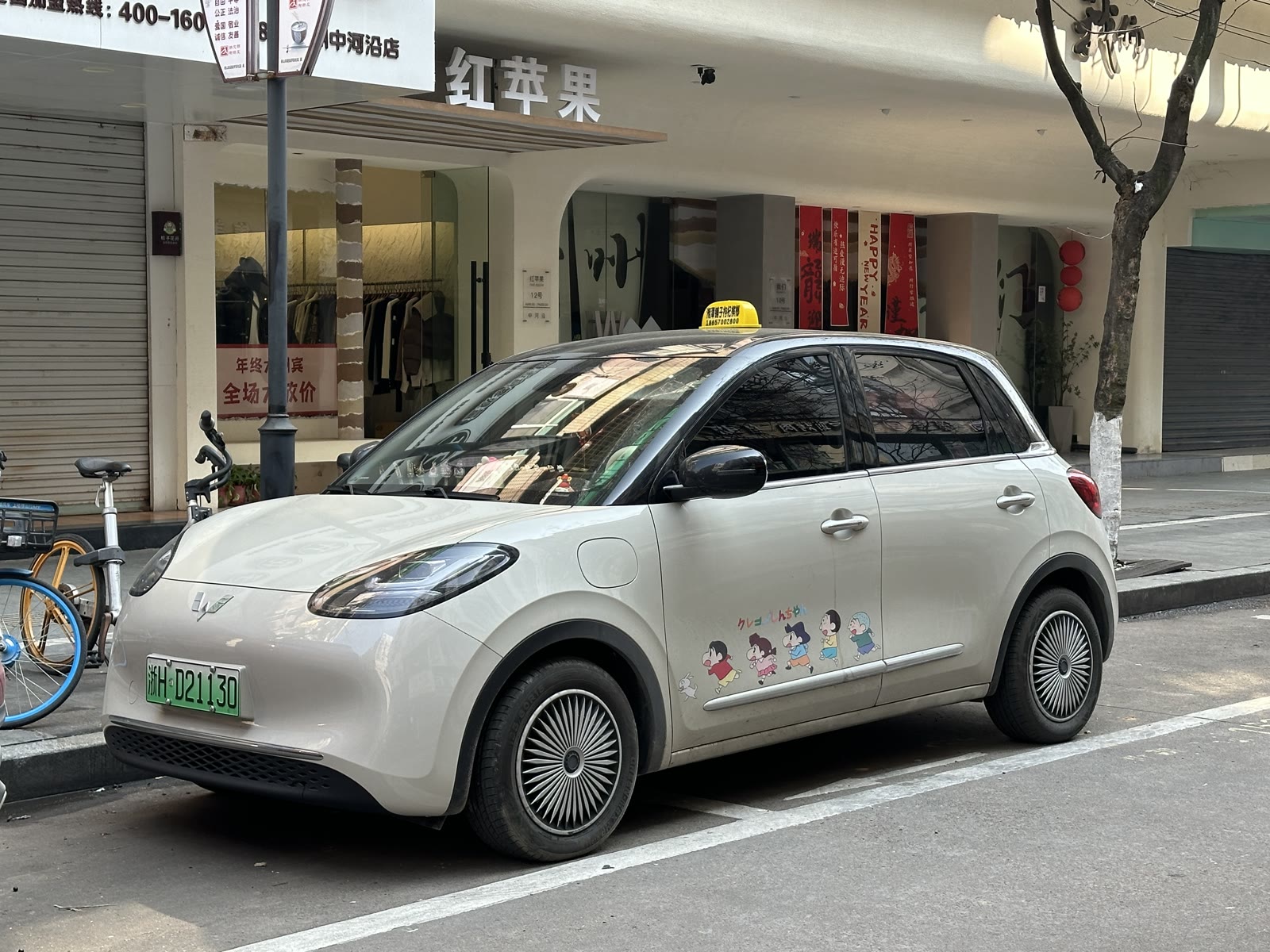
The draft is intended to lower the price of both petrol and electric cars by cutting tariffs and by giving battery EVs a much lower sales tax than petrol or hybrid models. The Express Tribune published draft-based estimates showing a Suzuki Alto falling to Rs2.845m in this fiscal year from Rs3.2m, and a Wuling Bingo battery EV falling to Rs2.7m from Rs4m. It projected that a Toyota Fortuner would rise to Rs21.7m from Rs20.5m because of the new levy and excise duty, while a comparable plug-in hybrid SUV would become cheaper.
Those numbers are illustrations in the draft, not commitments by dealers. They assume the full tax package is enacted and passed through to buyers. The final price of any model will also depend on the exchange rate, the importer’s margin and the model’s classification under the new categories.
The export targets are more ambitious than the consumer tax changes. Dawn reported that the draft sets a $6.01bn export target over five years, rising from $256.6m in 2026-27 to $2.19bn in 2030-31. Manufacturers would receive compensation equal to 5% of export value, with an additional 10% incentive on exports above the previous year’s level, according to The Express Tribune. Companies that miss their targets would face penalties of 1% to 3% of annual production value, and could lose their manufacturing certificate after two consecutive years of failure.
Who pays for the export push
The automotive development levy is the draft’s answer to the cost of those incentives. It would fall on petrol and diesel vehicles above 1,000cc, with rates rising by engine size. Geo News reported that cars up to 1,000cc would pay nothing, those between 1,000cc and 2,000cc would pay 2%, and vehicles above 2,000cc would pay 10%. The proceeds would finance export incentives and technology upgrades for parts makers, according to Dawn.
That transfer has alarmed the local parts industry. Abdul Rehman Aizaz, chairman of the Pakistan Association of Automotive Parts and Accessories Manufacturers, warned that cutting the import tariff on parts to 15% would phase out local manufacturers while benefiting assemblers. “This policy will make Pakistan an import destination country with no local industrial base in the auto sector,” he said, according to Dawn.
The government’s case is that the current system has sheltered assemblers without building exports. The draft tries to make export performance a condition of continued incentives, rather than an optional extra. It also proposes a Pakistan Automotive Testing Institute and funding for certification and third-party audits, Dawn reported, although those institutions would take time to become operational.
Why it matters
Pakistan’s car market has long been shaped by high tariffs and a small number of assemblers. The new draft would move some of the cost of industrial policy from import duties to a levy on larger petrol vehicles, while giving electric cars a much lower sales tax. If implemented, it would narrow the price gap between a small petrol car and a small battery car, and could change the calculations for buyers who have been deterred by the upfront cost of EVs.
The policy also fits into a wider government push on electric vehicles. Pakistan’s industries adviser set a target of 30% electric vehicles by 2030 this month, and a Pakistani-Chinese joint venture announced an electric-bus manufacturing plan in Islamabad on 15 October. The auto policy is the fiscal instrument behind those announcements; without the tax changes, the targets would have little practical effect.
For the IMF, the draft is a test of whether Pakistan can cut import protection without widening the fiscal deficit. The 1% sales tax on battery EVs is expensive relative to the 18% rate on petrol and hybrid cars, and the export incentives are financed by a levy that may be difficult to collect if car sales slow. The Fund has to sign off on the package before it reaches the cabinet, according to The Express Tribune, and it may seek changes to the revenue assumptions.
What is still uncertain
The first uncertainty is procedural. Dawn reported that the draft would be presented to the federal cabinet for in-principle approval and then to parliament. The Express Tribune said it would go first to the IMF for approval, then to the cabinet, before a bill is introduced. Geo News said the prime minister had given in-principle approval and that the policy would be sent to him for formal approval and then to the IMF. The three accounts agree on the tax tiers but not on the order of approvals, and none says when the new rates would take effect.
The second is whether the draft survives intact. The prime minister’s approval of a draft is not the same as a cabinet decision or a parliamentary vote. The IMF can demand changes to the sales-tax rates or the levy, and the cabinet can revise the export penalties. The Prime Minister’s Office did not issue a statement, so the document’s exact status rests on officials who described it to reporters.
The third is the price effect. The draft’s estimates assume full pass-through and a stable exchange rate. Dealers may absorb part of a tax cut, or delay it until old stock clears. Imported EVs may be constrained by shipping and homologation rules rather than tax. And the local parts industry’s warning may prove correct: if tariffs fall faster than local production costs, the policy could increase imports while reducing the domestic industrial base it is meant to support.
For now, the one clear change is that the government has chosen a direction: cheaper electric cars, higher levies on large petrol vehicles and export conditions attached to incentives. How much of that reaches showrooms, and when, remains unresolved.