What happened
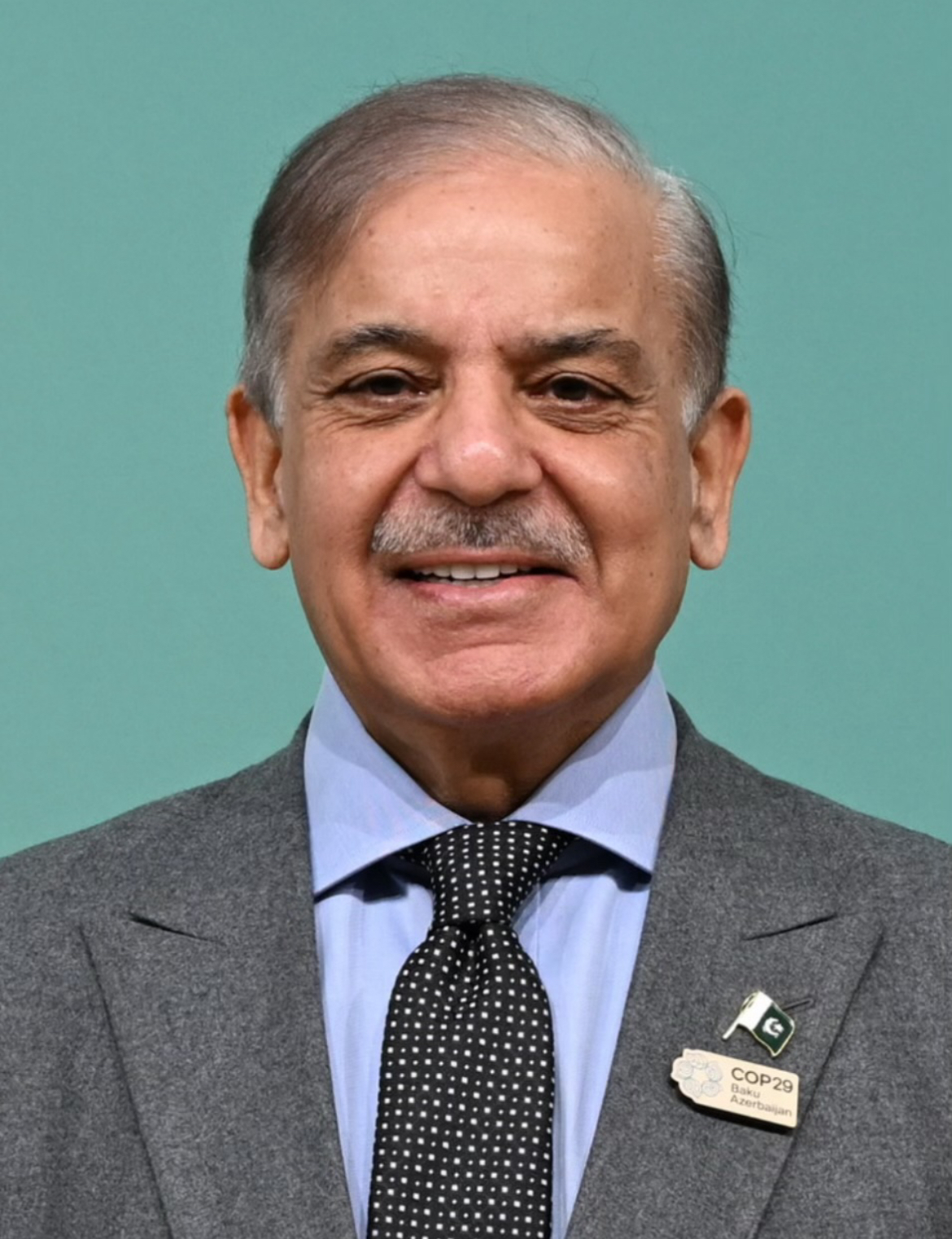
Prime Minister Shehbaz Sharif chaired a review meeting on Sunday, 29 March 2026, to assess the implementation of fuel conservation and efficiency measures, after which the federal government allocated Rs125 billion from savings and development budgets to prevent increases in petroleum prices.
The Prime Minister’s Office said Shehbaz was told that sufficient petroleum products were available to meet the country’s essential requirements, and that supply, demand and the entire supply chain were being monitored through a newly developed digital dashboard. Arrangements for petrol imports in April had been completed, it said.
Why it matters
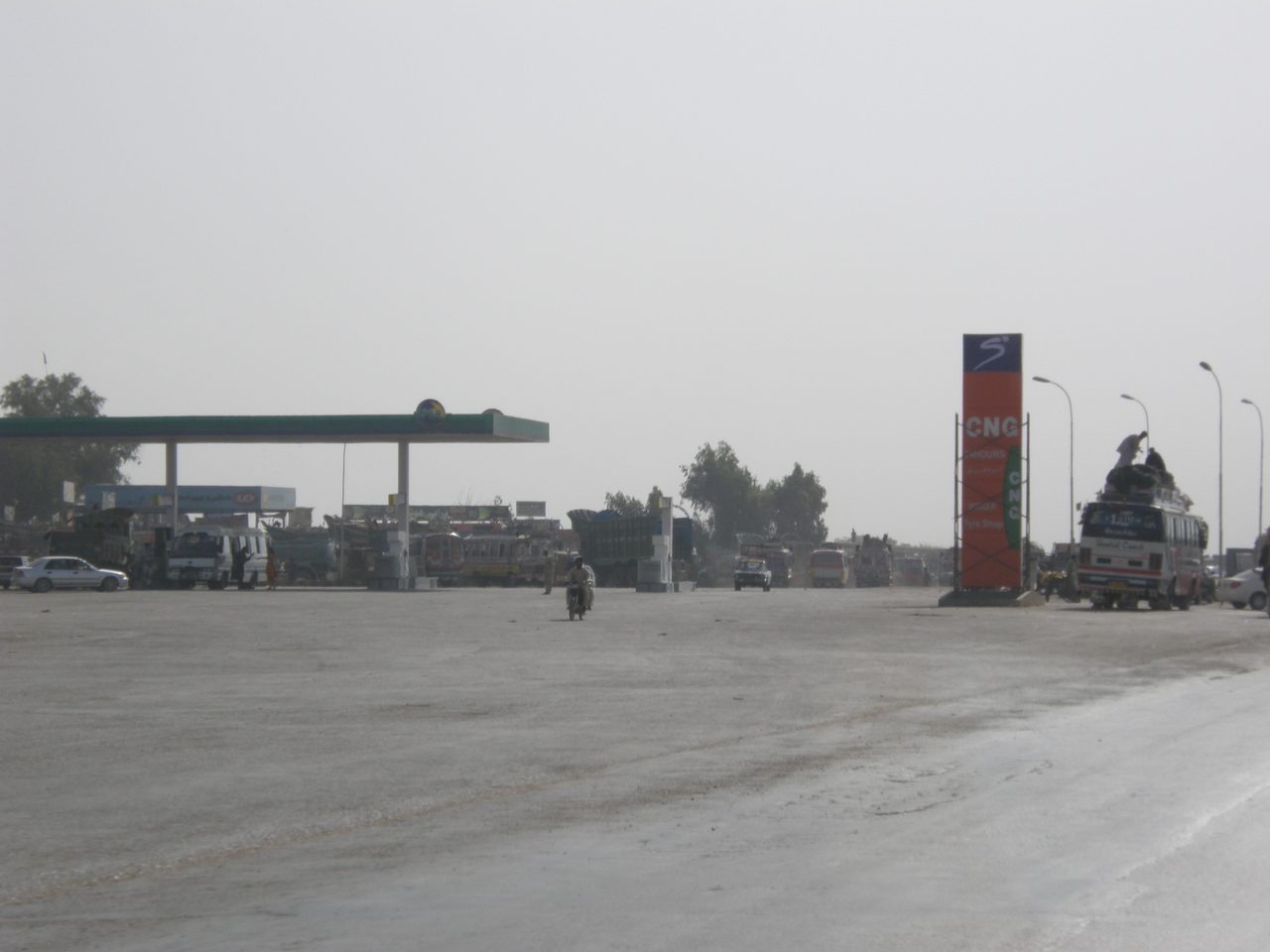
The allocation is the government’s latest attempt to shield consumers from oil-market disruption caused by the US-Israel war on Iran. In a televised address to the nation on Friday, 27 March, Shehbaz said petrol should have been priced at Rs544 per litre based on international prices but was being sold at Rs322, and that diesel should have been Rs790 per litre but was being supplied at Rs335. He said the government had so far spent Rs69 billion to prevent increases of Rs127 per litre for petrol and Rs252 per litre for high-speed diesel.
Earlier in March the government raised diesel and petrol prices by Rs55 per litre, or about 20 per cent, citing the conflict, and later approved a Rs200 per litre increase in the fuel levy on high-octane fuel, taking the total levy to Rs300 per litre. The measures have been accompanied by austerity steps including an additional weekly holiday and cuts to official fuel allowances.
Conservation measures
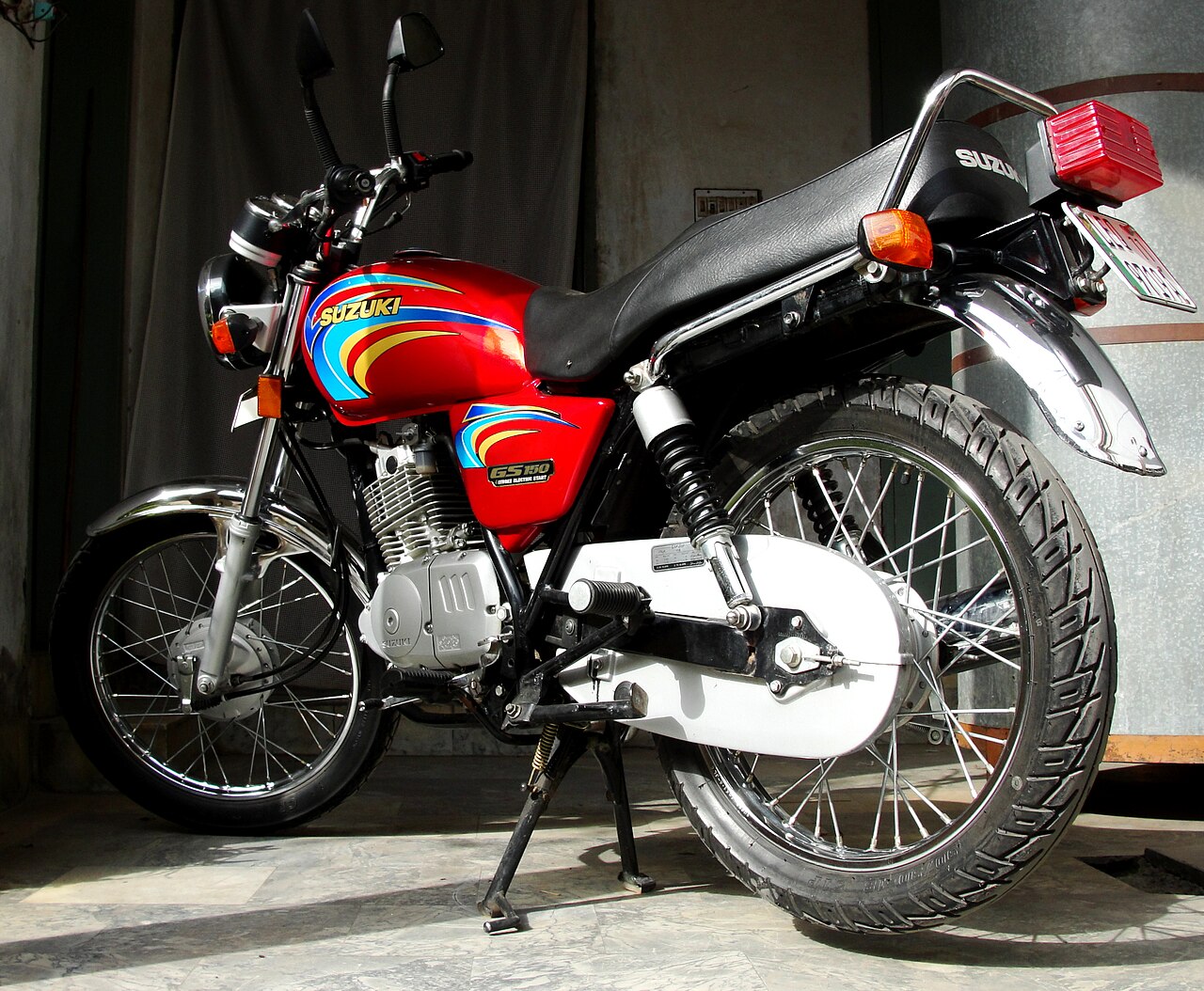
Participants in the 29 March meeting urged citizens to support the conservation campaign, avoid unnecessary travel and prioritise teleconferencing in offices and workplaces. Shehbaz instructed provincial governments to make it easier for motorcycle and rickshaw owners to register their vehicles in their own names, which officials said would digitise a nationwide database and allow owners to benefit from future government relief schemes.
A proposed fuel-support programme for motorcycle and rickshaw operators was also discussed, including a dedicated mobile application to facilitate implementation. The prime minister directed relevant authorities to maintain close coordination with the chief secretaries of all four provinces, as well as Azad Kashmir and Gilgit-Baltistan.
What is still uncertain
The government has not said how long the Rs125 billion support or the broader conservation measures will last, and the full details of the planned fuel-support application have not been published. Whether the funding can be sustained if global oil prices remain elevated is the open question.
Sources & reporting notes
This is a synthesis of published reporting, not eyewitness coverage. Sources were reviewed on 2026-03-30.
- The Express Tribune — Govt allocates Rs125b to shield public from rising oil prices29 March 2026 · Reports the PMO review meeting, the Rs125bn allocation and the vehicle-registration directive.
- The News — PM Shehbaz renews call for austerity, urges public to curb unnecessary travel29 March 2026 · Covers the same review, the fuel-stock assurance and the appeal to conserve fuel.
- Dawn — Govt taking steps to ease burden on lower and middle-class amid fuel price hike: PM Shehbaz30 March 2026 · Follow-up detailing the relief measures and the comparison of international and domestic prices.