What happened
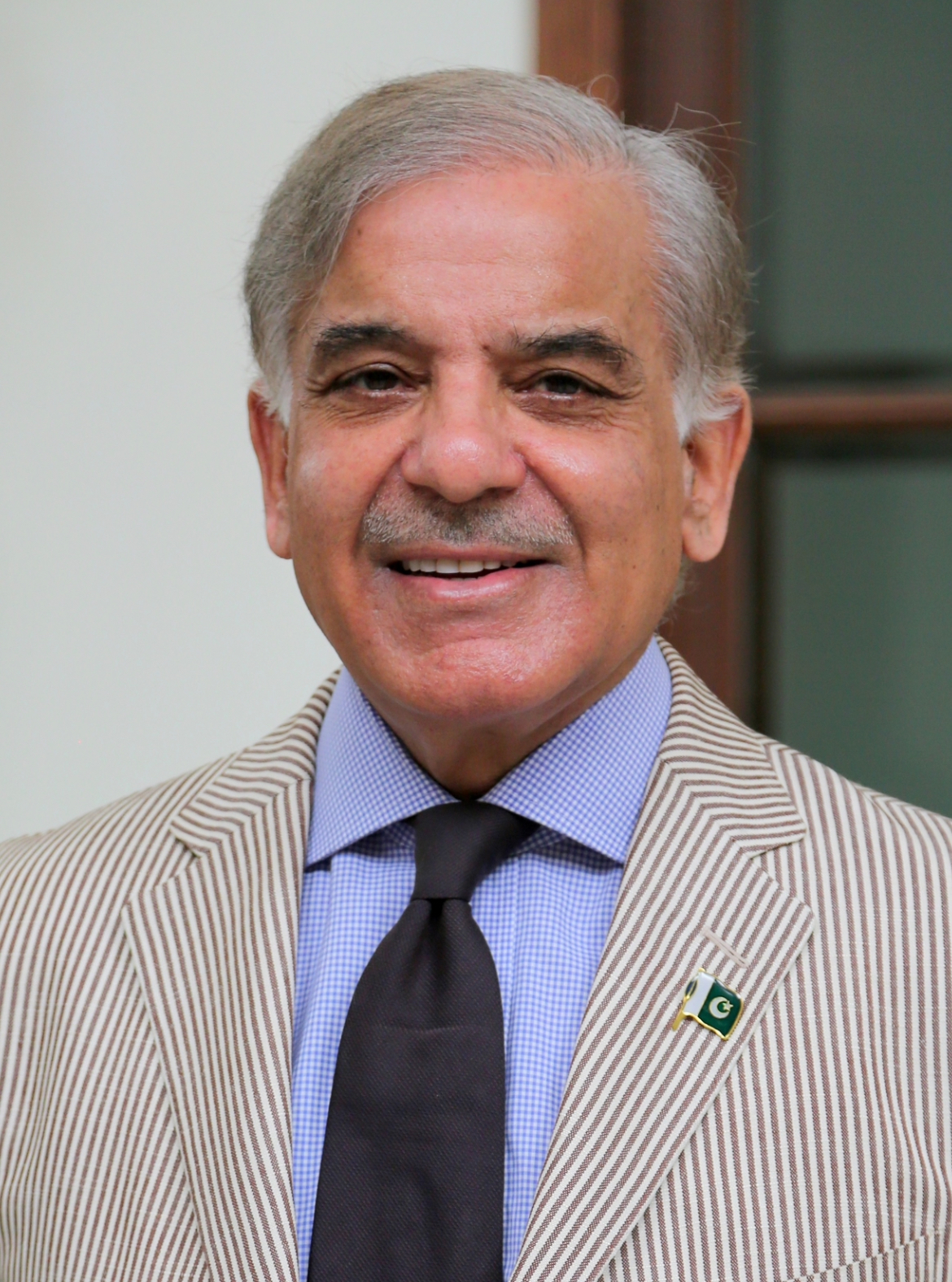
Pakistan said on 14 April 2026 that it was working to convene a second round of direct negotiations between the United States and Iran and to extend the ceasefire due to expire on 22 April, as Prime Minister Shehbaz Sharif prepared to visit Saudi Arabia, Qatar and Turkiye to build support for the process.
Officials familiar with the back-channel exchanges told Dawn that intermediaries were working to bring Tehran and Washington back to the negotiating table, with Pakistan at the centre and Turkiye and Egypt lending support. The immediate priority, they said, was to extend the ceasefire by at least 45 days. The talks held in Islamabad over the weekend had ended without an agreement, but also without a breakdown.
The Prime Minister’s Office said Shehbaz briefed President Asif Ali Zardari at Aiwan-i-Sadr on 14 April on “all aspects” of the dialogue and on his forthcoming visits. The President’s Secretariat said Zardari praised the efforts of Shehbaz, Deputy Prime Minister and Foreign Minister Ishaq Dar and Field Marshal Asim Munir, and urged them to remain “proactively engaged” with Washington and Tehran. The Foreign Ministry said the visits to Saudi Arabia and Qatar would be held “in the bilateral context”, while meetings with Turkish President Recep Tayyip Erdogan would take place on the sidelines of the Antalya Diplomacy Forum.
US President Donald Trump told the New York Post on 14 April that talks could resume “over the next two days” and that the United States was “more inclined to go” to Pakistan. “It’s more likely, you know why? Because the Field Marshal is doing a great job,” the newspaper quoted him as saying. UN Secretary-General Antonio Guterres told Dar that he appreciated Pakistan’s role and offered the United Nations’ “full support” for continued efforts, according to the Foreign Office.
Why it matters
The Islamabad round, held on 11 and 12 April, was the highest-level direct engagement between Washington and Tehran since the 1979 Islamic revolution. The two-week ceasefire brokered on 8 April halted US and Israeli strikes on Iran but is due to lapse on 22 April, and diplomats have described the diplomatic window as narrow but real. A US naval blockade of Iranian ports took effect on 14 April, a move Tehran’s armed forces called “piracy”.
Pakistan has framed its mediation as a way to protect a fragile regional economy and its own energy supply. It also carries risk: under the Strategic Mutual Defence Agreement signed with Saudi Arabia in September 2025, Islamabad has pledged to treat aggression against the kingdom as an attack on itself, while it simultaneously presents itself as an honest broker to Iran. Analysts quoted by Al Jazeera said the dual role could hold only while any military deployment remains strictly defensive and while the talks continue.
What is still uncertain
The agenda, format and venue of any second round remain unsettled. Iranian officials were said to prefer Islamabad because of proximity and familiarity with Pakistan’s role; the US side was reported to be weighing alternatives. The core structural disputes that produced the first deadlock — Washington’s demand for limits on Iran’s nuclear programme and free navigation through the Strait of Hormuz, against Tehran’s insistence on sanctions relief and credible guarantees — have not been bridged. Diplomats also noted that the ceasefire did not fully cover all theatres, particularly Lebanon, which continues to shape Iranian calculations.