Reporting snapshot · 24 May 2026. This report reflects statements and reporting published on 24 May 2026 and does not include later developments.
What happened
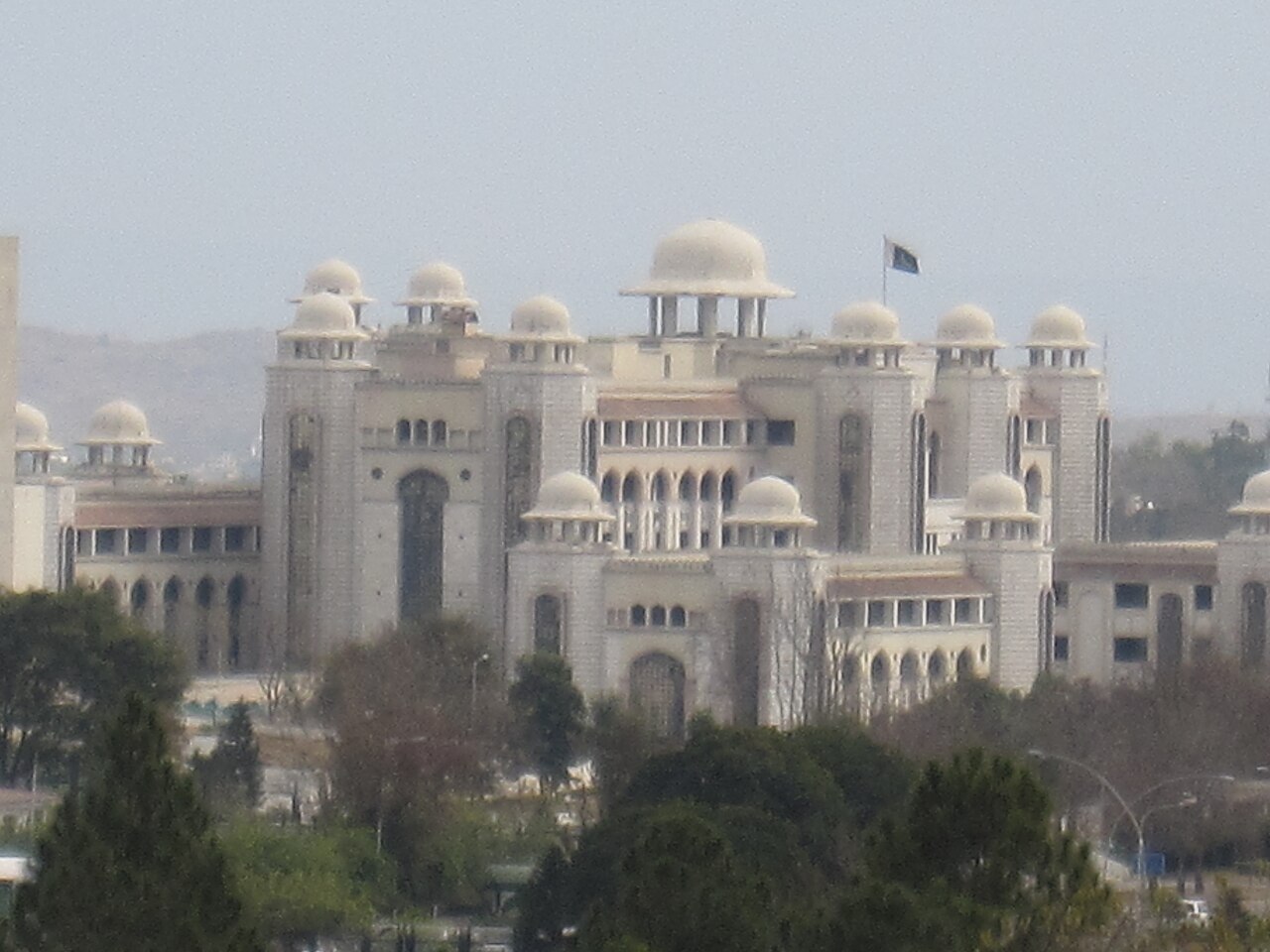
Prime Minister Shehbaz Sharif said on Sunday 24 May that Pakistan hoped to host the next round of talks between Iran and the United States “very soon”, after US President Donald Trump announced that an agreement to end the war in the Middle East had been “largely negotiated”.
In a post on X, Shehbaz said Pakistan would continue its peace efforts “with utmost sincerity” and that it hoped to host the next round of the so-called Islamabad Talks shortly. He said Field Marshal Syed Asim Munir, the chief of defence forces and chief of army staff, had represented Pakistan in a telephone call with Trump and other leaders, and praised his “tireless efforts during the entire process”.
Trump said on his Truth Social platform that he had held a “very good call” with the leaders of Saudi Arabia, Qatar, Turkiye, Egypt, the United Arab Emirates, Bahrain and Jordan, as well as Pakistan, and that the agreement was subject to finalisation. He added that the Strait of Hormuz would be opened under the deal and that final details were being discussed.
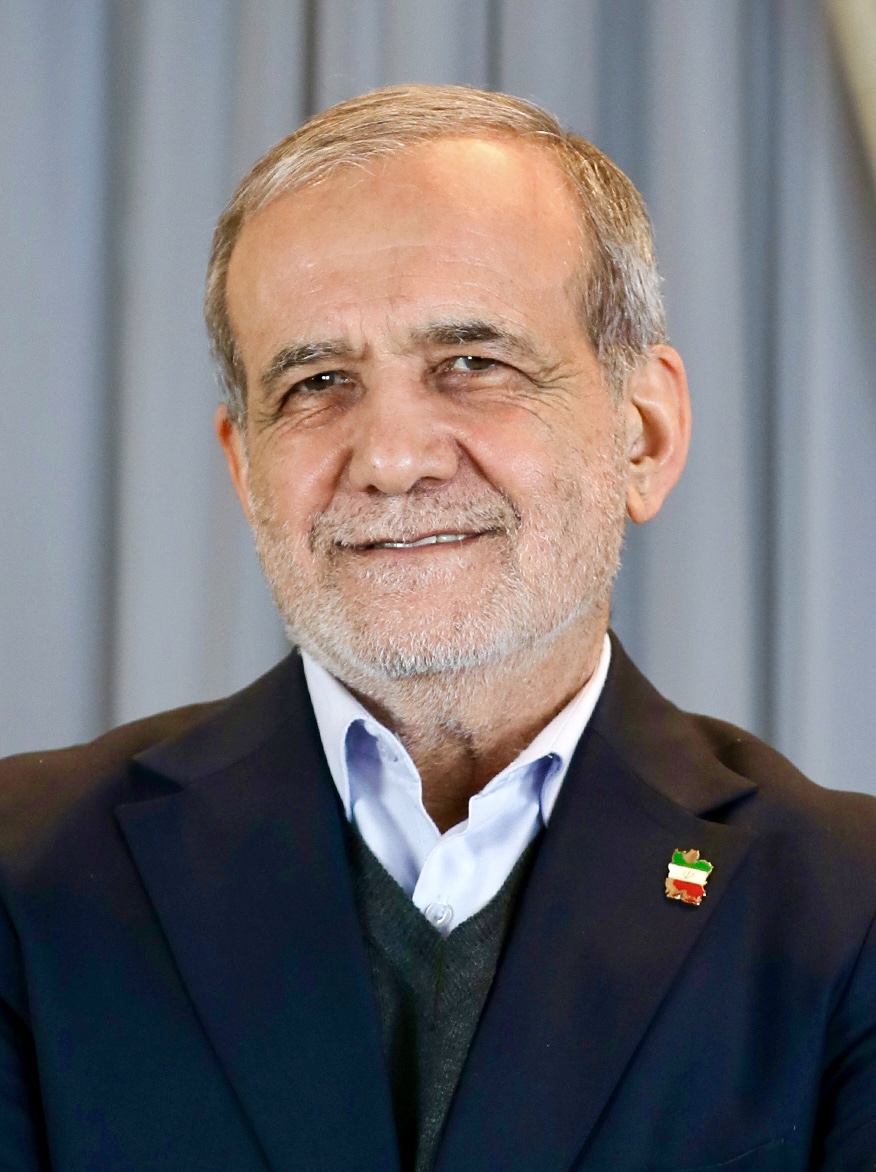
Munir had concluded what the military’s media wing described as a “short but highly productive” visit to Tehran on Saturday. The Inter-Services Public Relations said the field marshal met Iranian President Masoud Pezeshkian, parliamentary speaker Mohammad Bagher Ghalibaf, Foreign Minister Abbas Araghchi and Interior Minister Eskandar Momeni, and that “intensive negotiations over the last twenty four hours” had resulted in “encouraging progress towards a final understanding”.
Iran’s Foreign Ministry spokesperson, Esmail Baghaei, was quoted by the Fars news agency as saying Tehran and Washington were in the “finalisation stage” of a memorandum of understanding, with discussions focused on ending the war, lifting the naval blockade and the release of Iranian assets.
Why it matters
The statements mark the clearest public signal yet that months of Pakistan-mediated diplomacy could produce an interim agreement. The war, which began on 28 February, has disrupted global travel and pushed up oil prices, and the reopening of the Strait of Hormuz is central to any settlement.
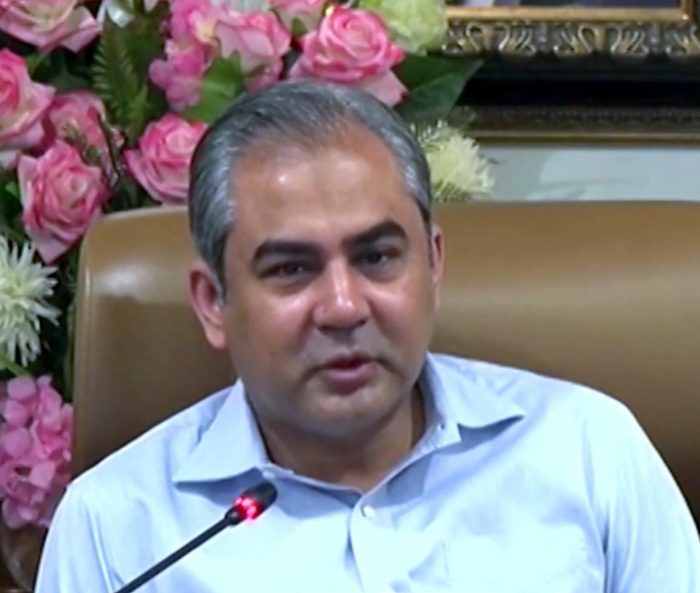
Deputy Prime Minister and Foreign Minister Ishaq Dar welcomed the diplomatic momentum, saying the achievements of the negotiations offered grounds for optimism that “a positive and durable outcome is within reach”. US Secretary of State Marco Rubio also signalled that an announcement could be imminent.
What remains uncertain
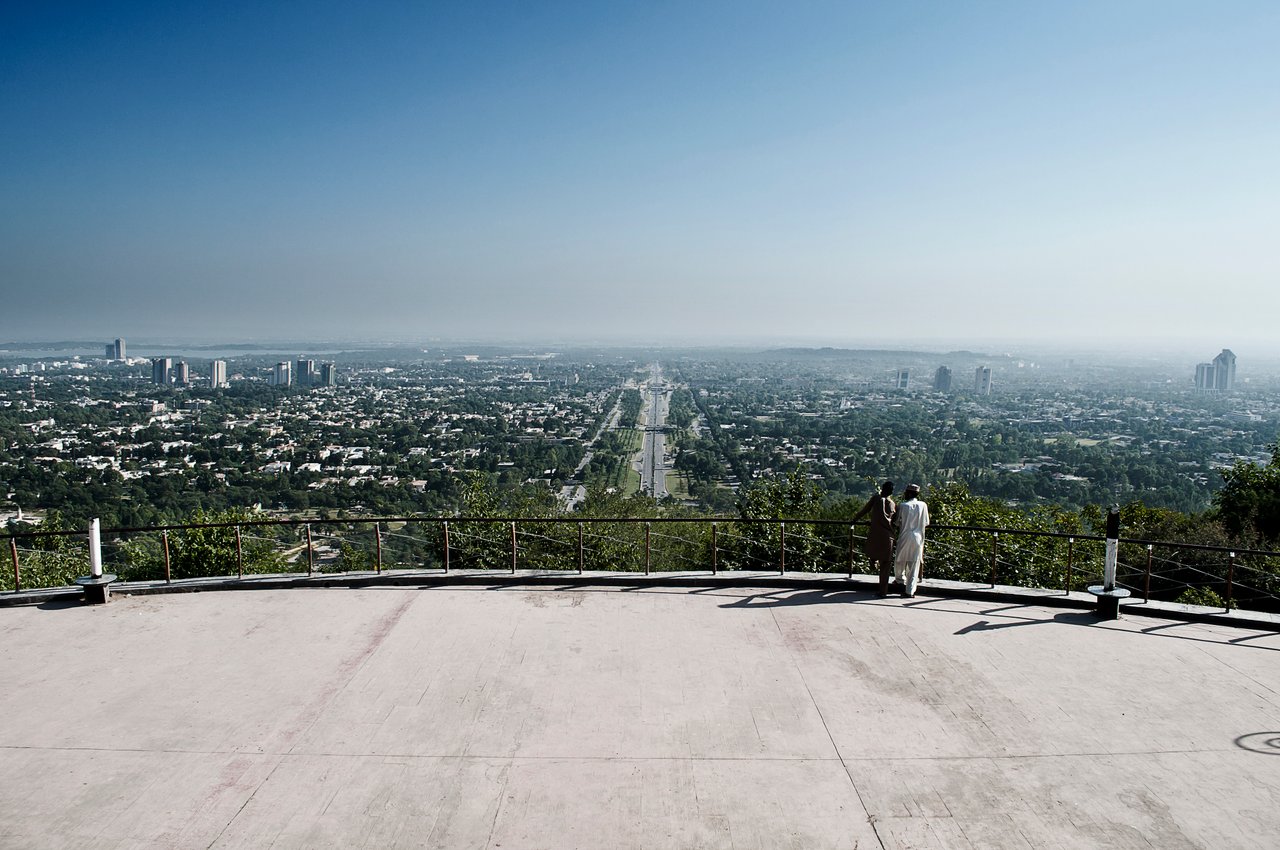
Trump said the deal was “largely negotiated” but subject to finalisation, and no formal agreement had been announced by the end of the day. Iran’s spokesperson said issues still needed to be discussed through mediators over the coming days. The date and venue of any next round of talks had not been confirmed, and it was not clear whether the memorandum of understanding would be signed in Islamabad.
Sources & reporting notes
This is a summary of published reporting, not independent reporting. Sources reviewed on 2026-05-24.
- Associated Press of Pakistan — "PM hopes Pakistan to host next round of US-Iran talks 'very soon' as Trump says deal 'largely negotiated'"24 May 2026 · Reports the prime minister's statement and Munir's role on the leaders' call.
- Pakistan Today — "Pakistan eyes hosting next US-Iran talks as Trump says deal 'largely negotiated'"24 May 2026 · Carries ISPR's account of the Tehran visit, the Iranian foreign ministry comments and Dar's remarks.