What happened
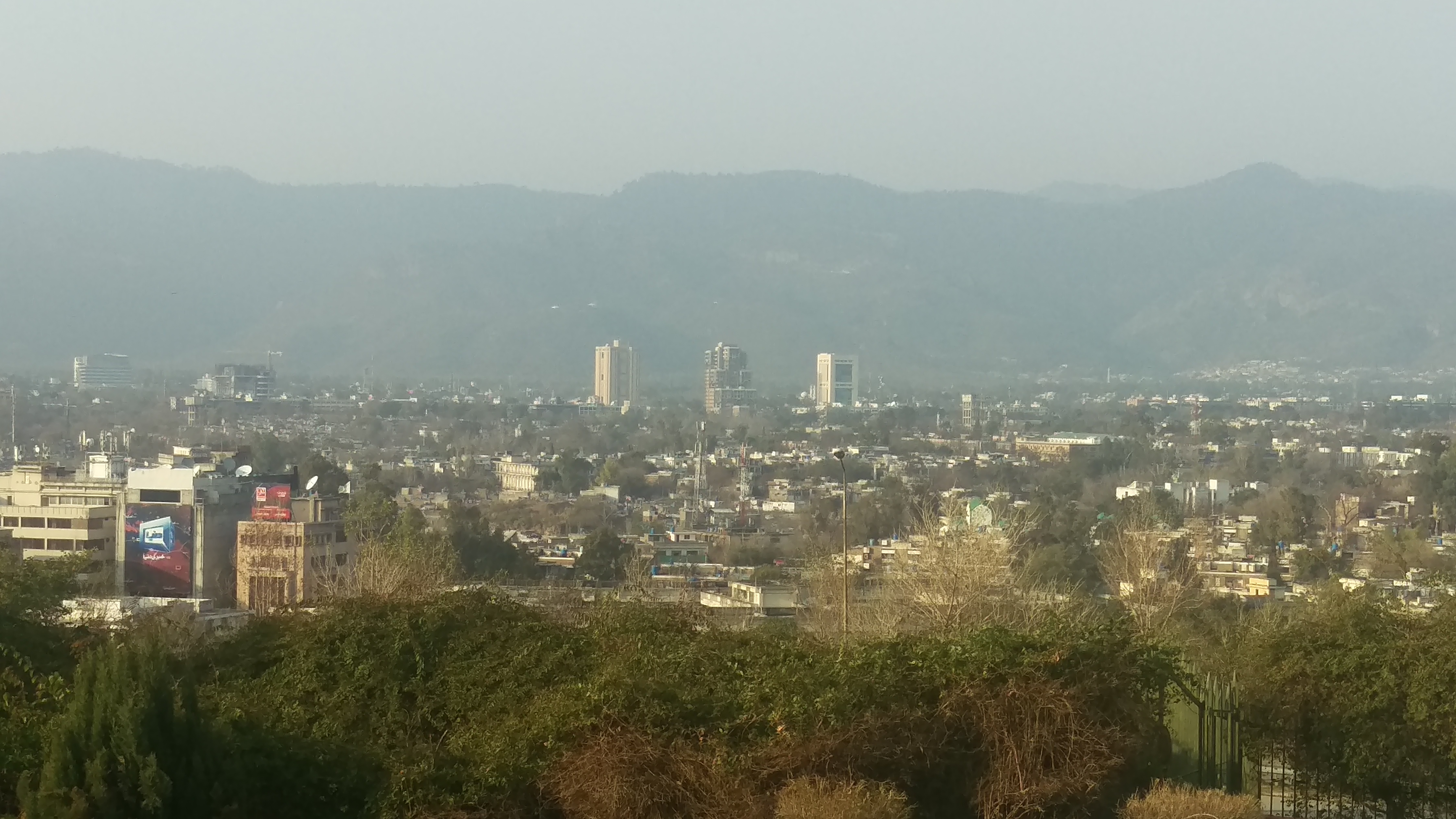
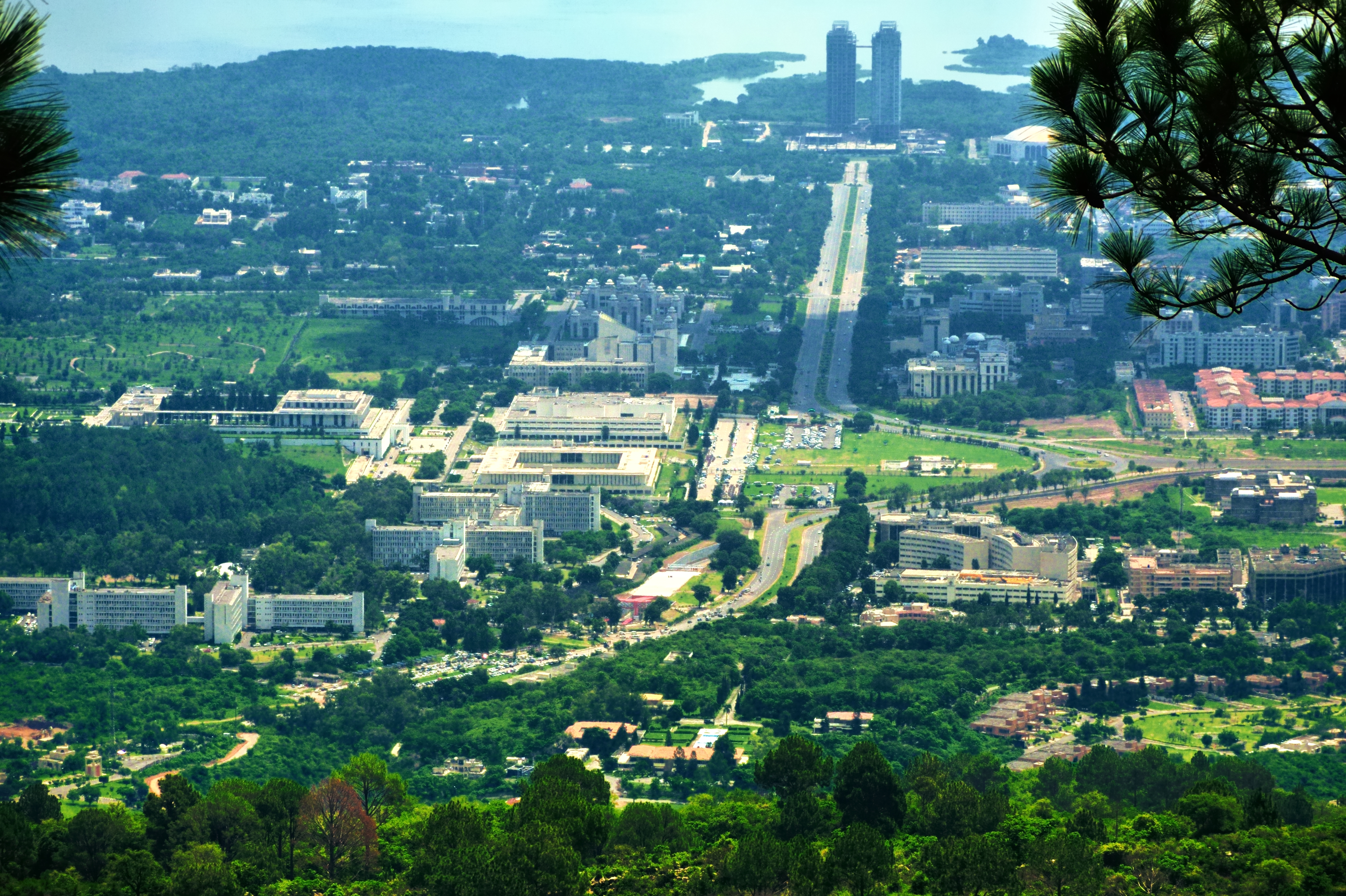
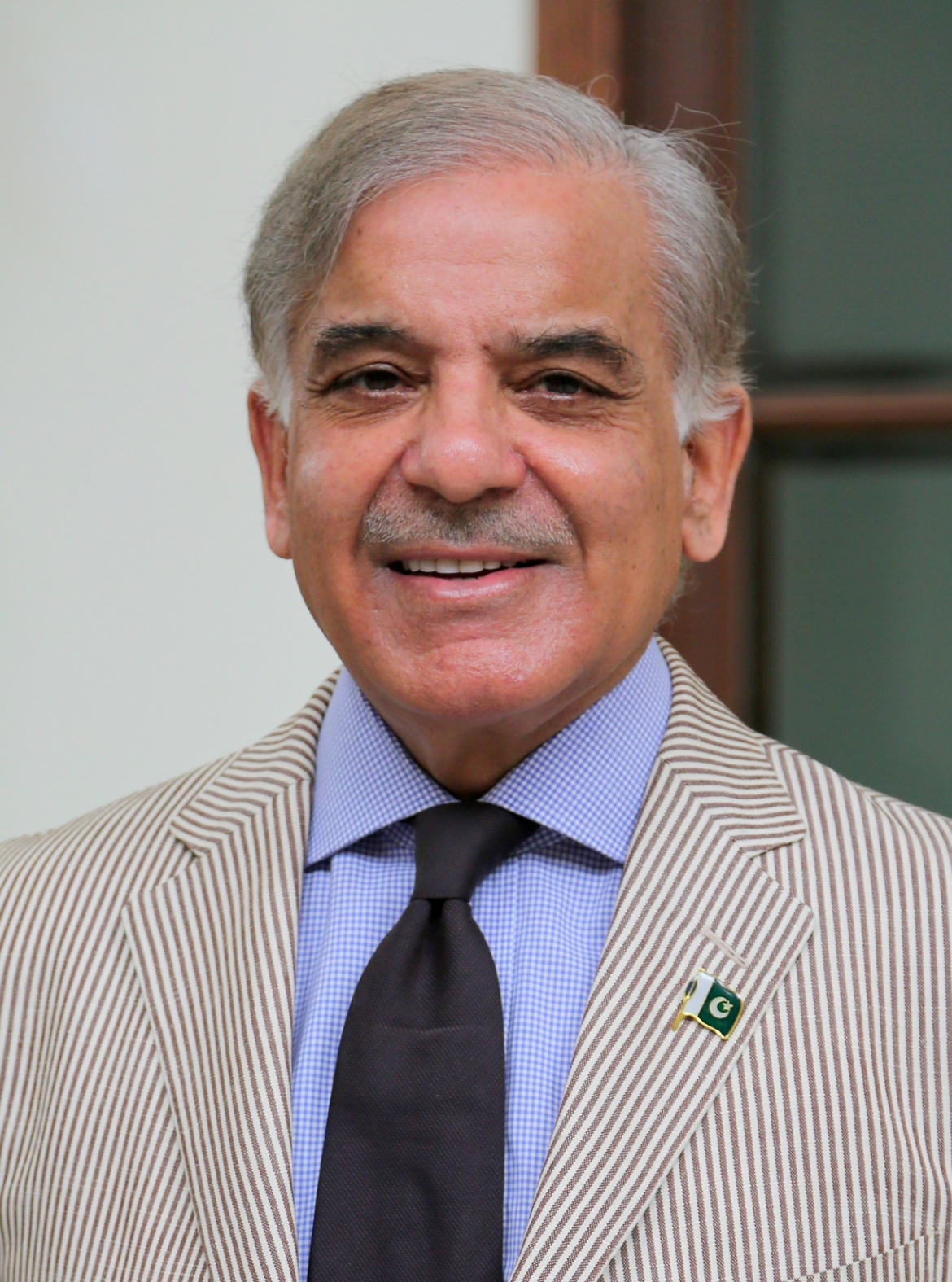
The United States and Iran confirmed on Thursday that their delegations would travel to Islamabad for face-to-face talks, as Pakistan declared public holidays and sealed off parts of the capital. Prime Minister Shehbaz Sharif’s office said both sides had accepted the invitation, with the delegations due in the city on Friday, 10 April, and the negotiations formally beginning on Saturday.
A 30-member US advance team had already landed to review security arrangements. The US delegation is to be led by Vice President JD Vance, accompanied by Middle East envoy Steve Witkoff and Jared Kushner. Iran’s team is expected to be led by Foreign Minister Abbas Araghchi and parliamentary speaker Mohammad Bagher Ghalibaf.
According to the Prime Minister’s Office, Sharif spoke by telephone with Iranian President Masoud Pezeshkian for more than 45 minutes. Sharif conveyed his appreciation for Tehran’s decision to accept Pakistan’s offer to host the talks and his respects to Iranian Supreme Leader Mojtaba Khamenei. Pezeshkian, in turn, “expressed appreciation for Pakistan’s efforts”, the statement said.
Why it matters
The talks follow a two-week ceasefire brokered with Pakistani mediation and announced hours before a US ultimatum tied to the reopening of the Strait of Hormuz. Pakistan has leaned on its ties with both Washington and Tehran — it shares a border with Iran — and worked with Turkiye, Egypt, China, Saudi Arabia and Qatar to keep the process alive.
Authorities cleared a luxury Red Zone hotel of guests and reserved it for the delegations, closed entry points into the city and put rescue departments and hospitals on standby. Islamabad and Rawalpindi were given local holidays on 9 and 10 April, and police announced diversions along the Express Highway.
The diplomatic opening is already under strain. Iranian Foreign Minister Araghchi raised alleged “ceasefire violations” by Israel with Field Marshal Asim Munir, according to an Iranian ministry statement, and Iranian outlets said Tehran was prepared to withdraw from the truce over Israeli bombardments of Lebanon. Prime Minister Sharif said on X that violations “have been reported” and urged all parties to respect the ceasefire so that diplomacy can proceed.
What is still uncertain
The core disputes remain unresolved. Washington is expected to press for limits on Iran’s nuclear programme, while Tehran insists on full sanctions relief, recognition of its nuclear rights and compensation for war damage. The two sides also disagree on the scope of the truce: the United States reads it as covering direct US-Iran hostilities, while Iran rejects a partial ceasefire and wants it extended to Lebanon. Control of the Strait of Hormuz remains a central point of contention.
Sources & reporting notes
This is a synthesis of published material, not original reporting. Sources were reviewed on 9 April 2026.
- Primary source — The Nation: Pakistan at centrestage after US-Iran ceasefire9 April 2026 · Confirms both sides' participation, the Friday arrival, the 45-minute Pezeshkian call, the 9–10 April Islamabad holidays, Araghchi's ceasefire-violation call with Field Marshal Munir, and Sharif's appeal for restraint.
- Second source — Pakistan Today: Islamabad prepares for high-level US-Iran negotiations after ceasefire9 April 2026 · Confirms the Vance–Witkoff–Kushner delegation, the Araghchi–Ghalibaf delegation, the 30-member advance team, the reserved hotel and lockdown, and the unresolved nuclear, sanctions and ceasefire-scope disputes.
.jpg)