What happened
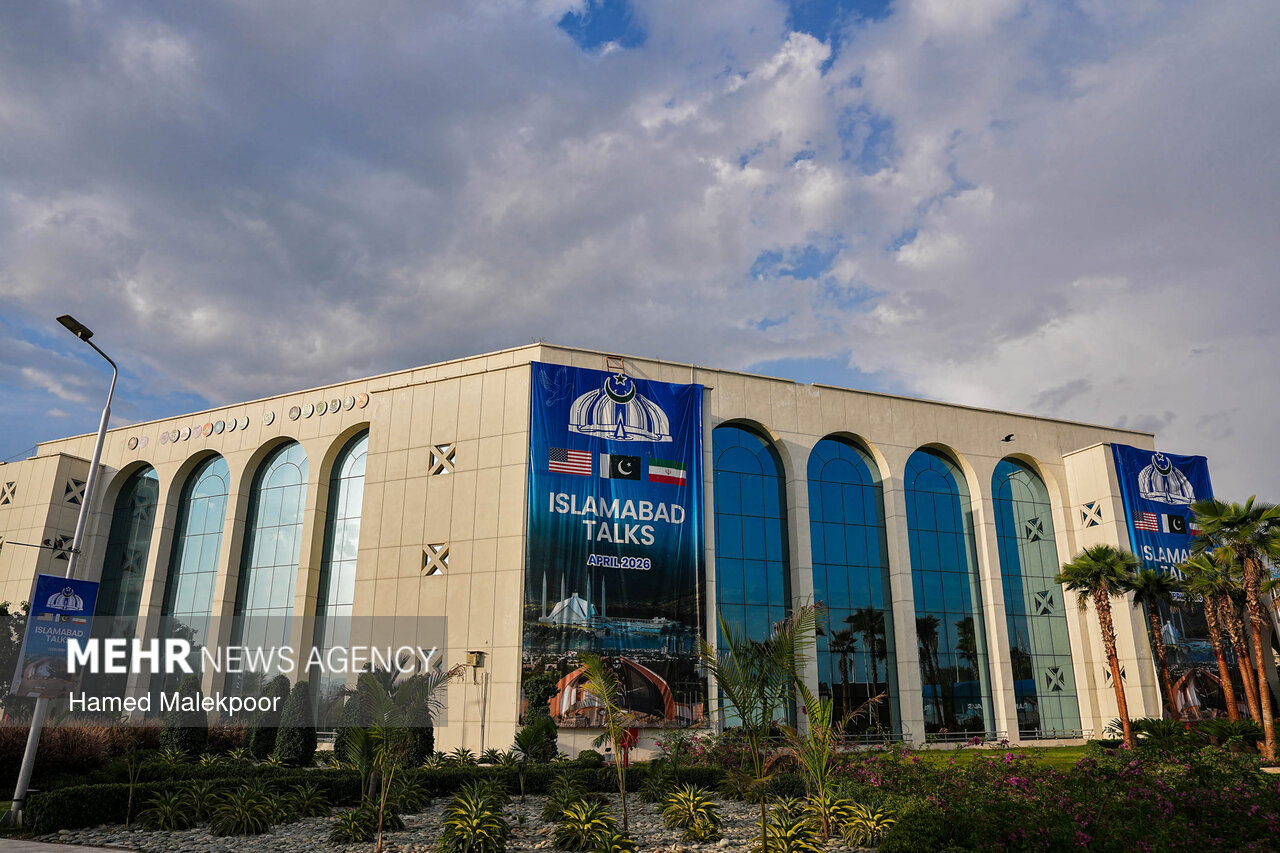
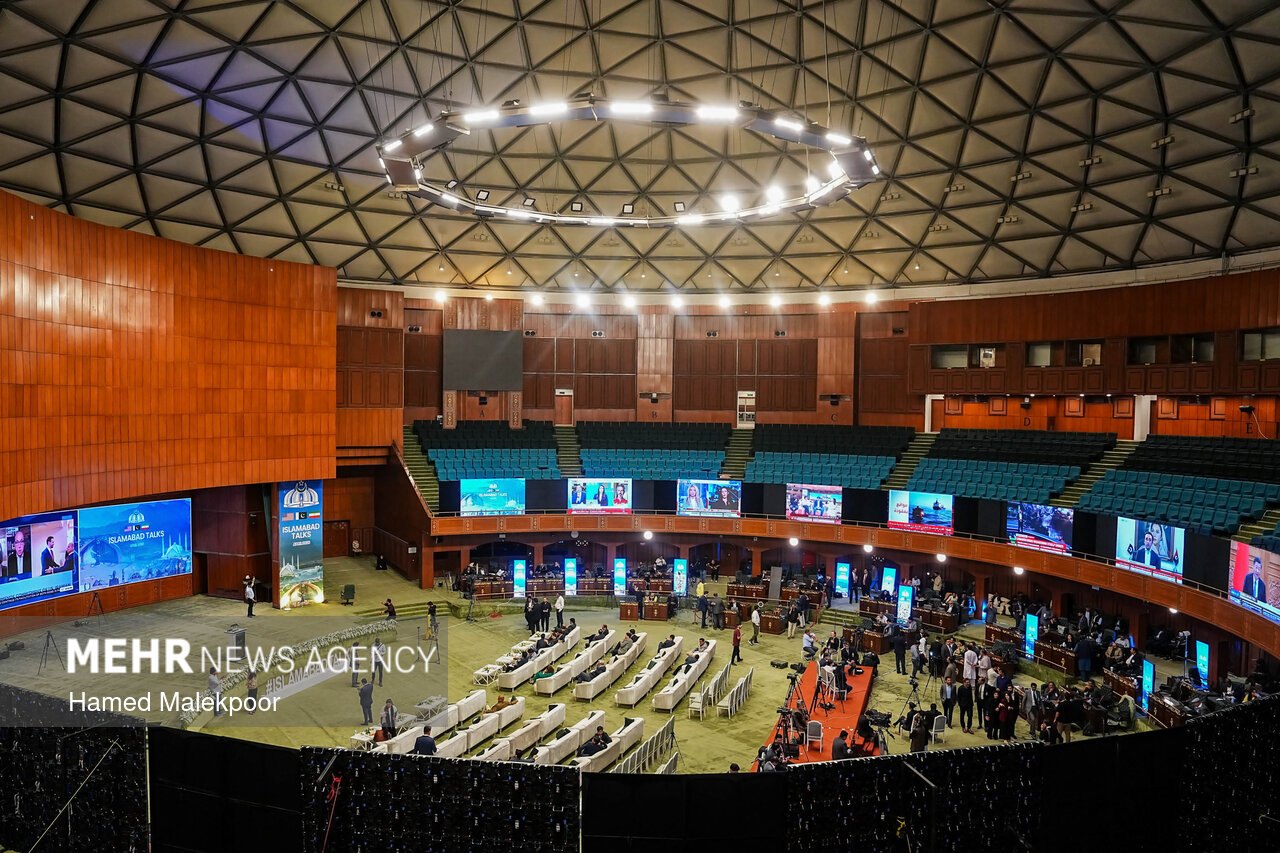
Direct negotiations between the United States and Iran began in Islamabad on 11 April 2026, the first time senior delegations from the two countries have sat at the same table since 1979. The United States delegation is led by Vice President JD Vance, accompanied by special envoy Steve Witkoff and presidential adviser Jared Kushner. Iran’s delegation is headed by parliamentary speaker Mohammad Bagher Ghalibaf and Foreign Minister Abbas Araghchi, with the two sides meeting in the presence of Pakistani mediators.
Vance landed at Nur Khan Air Base shortly after 10:30am local time and was received by Deputy Prime Minister and Foreign Minister Ishaq Dar, Interior Minister Mohsin Naqvi and army chief Field Marshal Asim Munir. Prime Minister Shehbaz Sharif held separate meetings with the American and Iranian delegations before the talks opened. Pakistan Television said the two sides were “sitting directly at the same table”, a description the White House later confirmed.
Why it matters
The talks are the centrepiece of a two-week ceasefire Pakistan helped broker on 8 April, pausing a war that began with US-Israeli strikes on Iran on 28 February and spread across the Gulf. The truce created a narrow window to convert the pause in fighting into a durable settlement and to reopen the Strait of Hormuz, whose effective closure has disrupted global energy shipments and driven up prices worldwide.
Iran has presented a 10-point framework that Washington has described as a workable basis for negotiation, while the United States has circulated a 15-point proposal. The agenda covers sanctions relief, limits on Iran’s nuclear programme, navigation rights through the Strait of Hormuz and an end to Israeli strikes in Lebanon. Pakistan, which has positioned itself as the principal mediator, offered visa-on-arrival facilities to delegates and journalists attending what it is calling the Islamabad Talks, and Sharif has described the engagement as a “make-or-break” moment.
What is still uncertain
Iran set two preconditions — a halt to Israeli strikes in southern Lebanon and the release of about US$7 billion in frozen assets — and Ghalibaf said on the eve of the talks that they had to be met before negotiations could begin. Reports of continued Israeli strikes in southern Lebanon, which killed at least three people early on 11 April, left the opening round fragile even as both sides arrived.
Neither government has formally published its proposal, and officials and analysts expect at most limited understandings or a pathway to further talks rather than a breakthrough during the initial two-day engagement. The durability of the ceasefire itself remains untested.
Sources & reporting notes
This article is a synthesis of published material, not original reporting. Sources were reviewed on 11 April 2026.
- The Guardian — US and Iran hold talks in Islamabad as Pakistan seeks to broker peace dealPublished 11 April 2026 · Details of the delegations, the first direct meeting since 1979, and the conditions attached to the talks.
- Dawn — JD Vance lands in PakistanPublished 11 April 2026 · Vance's arrival at Nur Khan Air Base and his reception by Pakistani officials.
- The News — Dar urges 'constructive' US-Iran talks in Islamabad amid Mideast tensionsPublished 11 April 2026 · Pakistan's mediation posture, the competing 10-point and 15-point frameworks, and Sharif's "make-or-break" remarks.