What happened
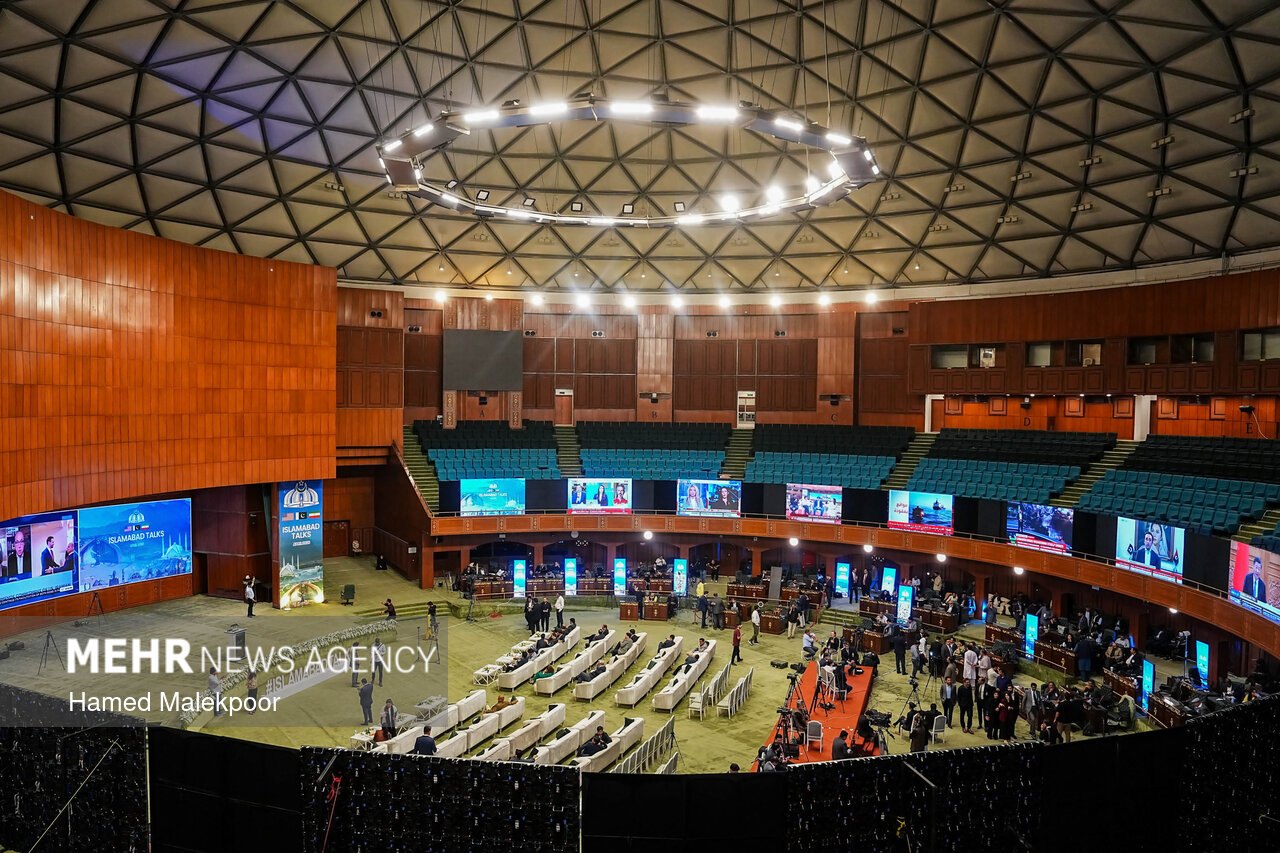
Direct negotiations between the United States and Iran ended in Islamabad on the morning of 12 April 2026 without an agreement, roughly 21 hours after they began on the afternoon of 11 April. US Vice President JD Vance, who led the American delegation, told a news conference that Washington and Tehran had failed to bridge their differences. “The bad news is that we have not reached an agreement, and I think that’s bad news for Iran much more than it’s bad news for the United States of America,” he said. “We leave here with a very simple proposal, a method of understanding that is our final and best offer. We’ll see if the Iranians accept it.”
Vance boarded Air Force Two at 7:08am local time and waved to Pakistani officials from the top of the stairs. Deputy Prime Minister and Foreign Minister Ishaq Dar, Chief of Defence Forces and army chief Field Marshal Asim Munir and Interior Minister Mohsin Naqvi were among those present. The Iranian delegation, led by parliamentary speaker Mohammad Bagher Ghalibaf and Foreign Minister Abbas Araghchi, also departed later in the day.
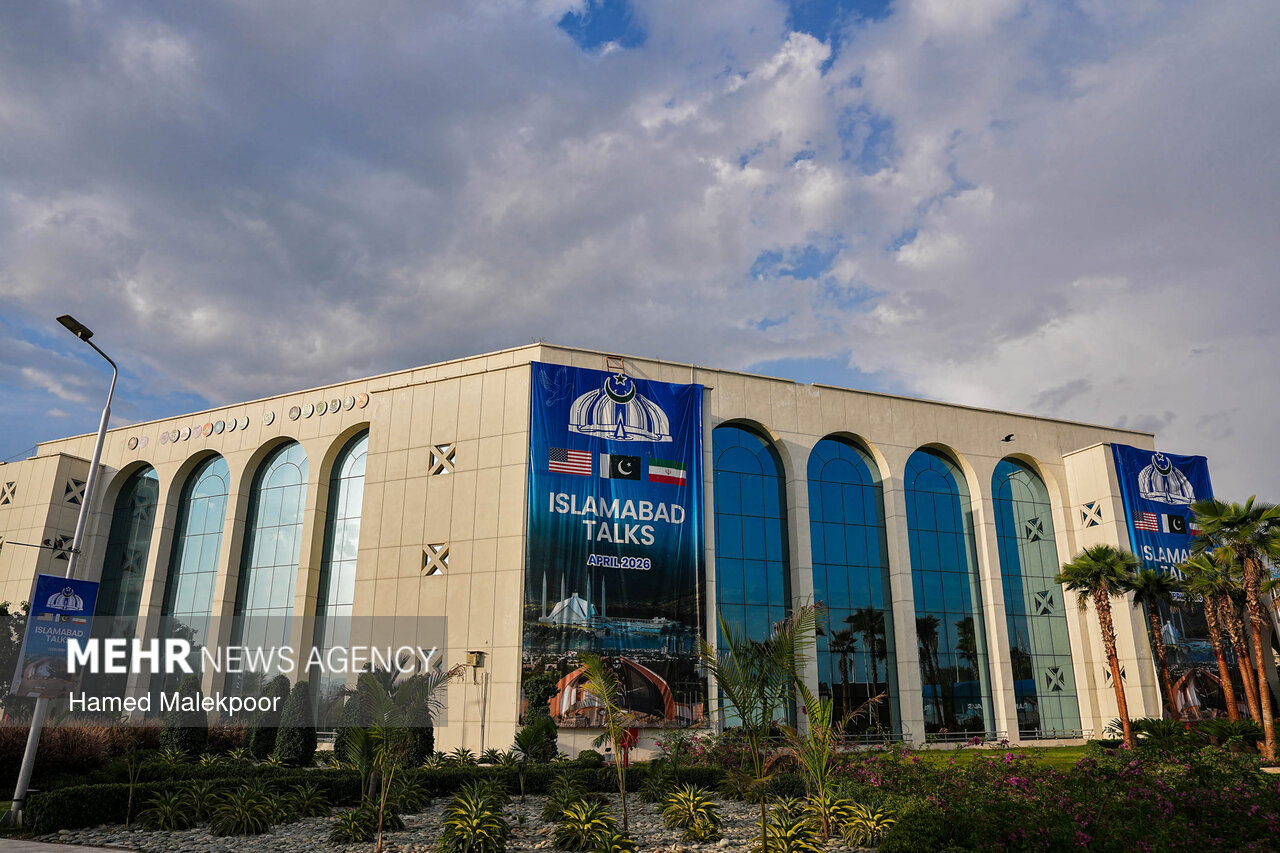
Pakistan, which hosted and mediated what it called the Islamabad Talks, made no claim of a breakthrough but pressed both sides to preserve the truce. “It is imperative that the parties continue to uphold their commitment to ceasefire,” Dar said in a statement carried by state media. He thanked the two delegations for responding to Prime Minister Shehbaz Sharif’s call for an immediate ceasefire and said Pakistan “has been and will continue to play its role to facilitate engagement and dialogue” between Washington and Tehran.
Why it matters
The round was the first time senior US and Iranian officials had sat at the same table since Iran’s 1979 revolution, and it had been built around a fragile ceasefire Pakistan helped broker on 8 April. Its failure leaves that truce as the only restraint on a war that began with US-Israeli strikes on Iran on 28 February and spread across the Gulf, disrupting energy shipments through the Strait of Hormuz and pushing up fuel prices worldwide.
Each side blamed the other for the collapse. Iranian foreign ministry spokesman Esmaeil Baqaei said no one had expected an agreement in a single session and thanked Pakistan for hosting the talks, while Iran’s state broadcaster IRIB said “unreasonable demands” by the United States had caused the failure. Ghalibaf said Washington had failed to win the Iranian delegation’s trust. American officials maintained that their framework covered nuclear and missile limits, sanctions relief and the reopening of the Strait of Hormuz, while Tehran’s ten-point plan sought broader sanctions removal and a greater say over the waterway.
Vance nonetheless praised Pakistan’s role, telling reporters that “whatever shortcomings in the negotiations were not because of the Pakistanis, who did an amazing job and really tried to help us and the Iranians bridge the gap”. Sharif later met the Iranian delegation, whose members thanked Islamabad for its mediation, and officials said contacts would continue.
What is still uncertain
Neither side published the texts exchanged during the talks, and it remained unclear whether Iran would respond to what Vance described as Washington’s final offer. US President Donald Trump said afterwards that most points had been agreed but that the nuclear question — the one he said mattered most — had not. Iran’s foreign ministry said it was confident its contacts with Pakistan and other regional partners would continue, and Dar signalled Pakistan was ready to facilitate a further round, but no date was announced. Whether the ceasefire holds, and whether the Strait of Hormuz reopens, remained the immediate tests. The talks had opened a day earlier.
Sources & reporting notes
This article is a synthesis of published material, not original reporting. Sources were reviewed on 12 April 2026.
- Dawn — Vance departs Pakistan after failing to reach deal with IranPublished 12 April 2026 · Vance's departure, the failure to reach an agreement and the officials present at the airport.
- Dawn — Dar says talks ended this morning, hopes US and Iran will 'continue with positive spirit' for peacePublished 12 April 2026 · Dar's remarks on the mediation, the ceasefire and Pakistan's future role.
- Arab News Pakistan — Pakistan says 'imperative' to uphold ceasefire as US leaves Iran peace talks without a dealPublished 12 April 2026 · The competing frameworks, Iranian statements and the 21-hour duration of the talks.