Reporting snapshot · 15 November 2026 (Asia/Karachi). The ministerial opened on the morning of 15 November, but the outcome documents were not public when this was written and the attendance of some delegations remained unannounced. The name of the main outcome document also differs between accounts: Turkmenistan's government calls it an Islamabad Declaration, while the draft agenda circulated to members, as KhabarWire reported on 9 November, referred to a communiqué. The expectation that Iran's foreign minister will travel to Islamabad rests on unnamed sources and has not been announced by either government.
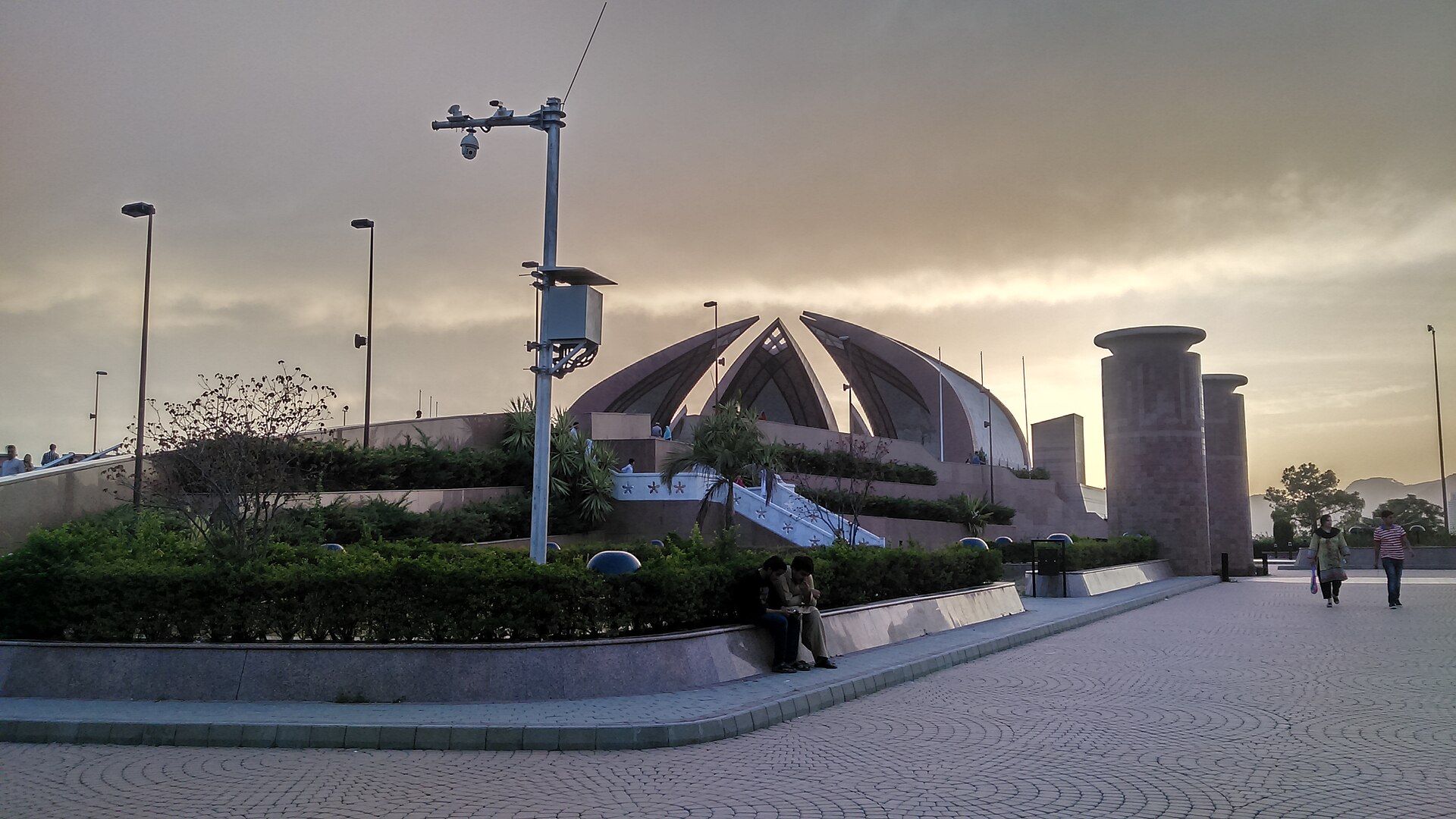
The 30th Council of Ministers of the Economic Cooperation Organization opened in Islamabad on Sunday with Deputy Prime Minister and Foreign Minister Ishaq Dar in the chair, Radio Pakistan reported. The state broadcaster described the two-day meeting as a chance to reinvigorate the organisation “as an effective platform for regional cooperation, dialogue and economic collaboration”, and said the chairmanship offers Pakistan “an opportunity to position the country as a regional connectivity hub, a facilitator of logistics and supply chains, and an agenda setter for regional trade”.
The Economic Cooperation Organization’s own website confirms the dates, and the Foreign Office has said the meeting will be chaired by Dar and attended by the foreign ministers and heads of delegations of member states together with the secretariat and its subsidiary bodies, Geo News reported on 14 November.
What has changed since KhabarWire described the draft agenda on 9 November is that the file the ministers will work from has been assembled, and the chairmanship’s theme has been put on the record. The senior officials’ meeting that prepares that file has already met, and the Foreign Office has published the priorities Islamabad will press through its two-year chairmanship of the organisation.
The senior officials’ file that went to the ministers
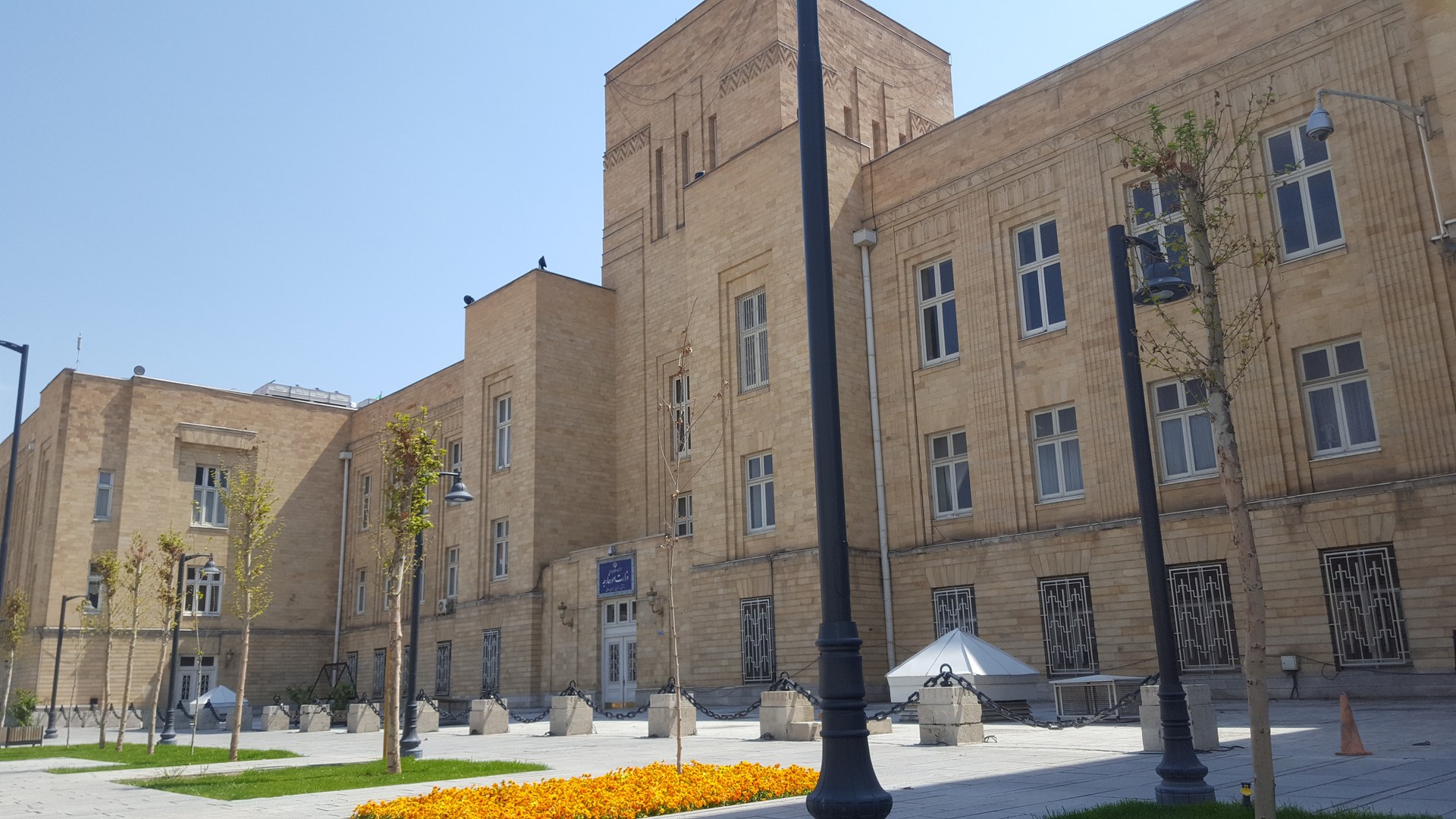
The 312th meeting of the ECO Council of Permanent Representatives was held at the secretariat in Tehran on 8 November, under the chairmanship of Pakistan’s ambassador Imran Ahmed Siddiqui, with the permanent representatives of member states and the ECO secretary general, Asad M. Khan, taking part, the organisation’s announcement said. The council considered the Strategic Goals of Economic Cooperation 2035, the programme meant to guide economic cooperation among the members over the coming decade, “for submission to the 30th ECO Council of Ministers Meeting”, and also reviewed preparations for the ministerial and for the 18th ECO summit.
The Foreign Office’s account adds what that meeting was for: reviewing the organisation’s activities and programmes, assessing the work of its subsidiary bodies, and finalising the agenda and draft outcome documents for the ministers, Geo News reported, citing the foreign ministry. The texts that were drafts when this newspaper wrote about them in November are now the texts the council will vote on.
The two documents ministers are set to adopt
Turkmenistan’s government has published the most specific account of what is expected to come out of the meeting. Deputy Chairman of the Cabinet of Ministers and Foreign Minister Rashid Meredov reported to a cabinet meeting chaired by President Serdar Berdimuhamedov on preparations for the delegation’s trip to Pakistan, and the state portal records that the agenda “covers a wide range of issues of multilateral interaction within the framework of the ECO, including trade, transport, energy and other sectors”. It adds that, “following the results of the meeting, it is planned to adopt the Islamabad Declaration and the program document ‘Strategic Goals of Economic Cooperation – 2035’”.
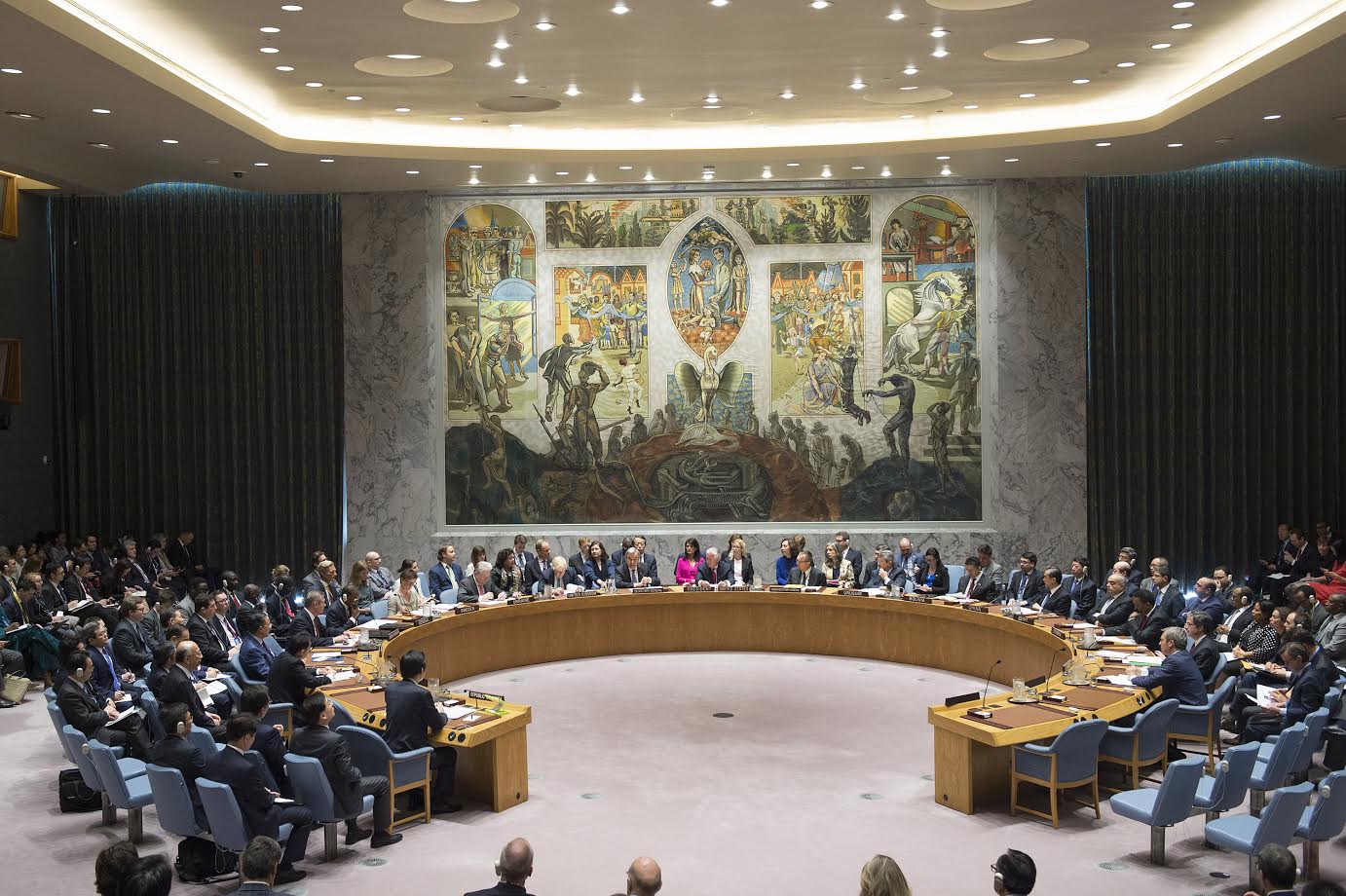
Those two documents carry the weight of Pakistan’s chairmanship year: the programme sets the direction for the coming decade and the declaration is the political statement that goes with it, as KhabarWire reported from the draft agenda on 9 November. What neither document yet sets out in public is the timetable Pakistan has been asking for. As that earlier report recorded, Deputy Prime Minister Dar called for a digitally enabled ECO free trade area when he addressed ECO ministers in New York in September, and for the corridors that would make such an area usable.
A chairmanship built on connectivity and logistics
The Foreign Office has set out the chairmanship theme for 2026 and 2027 as “Reviving Regionalism for a Resilient ECO”, with the focus on strengthening regional connectivity and deepening regional integration, Geo News reported. The wider argument is that a bloc of ten states, with Iran, Türkiye, Azerbaijan, five Central Asian republics and Afghanistan inside it, needs a working route to the Arabian Sea if it is to matter economically.
Islamabad’s pitch is that Pakistan should be that route. It runs through the projects already on the table, from the connectivity memorandum with Kazakhstan to the proposed Gwadar–Sohar port link, and it is why connectivity has led the chairmanship’s public statements. The chairmanship has an economic argument to make before it has a security one.
Who is in the room, and who is still unconfirmed
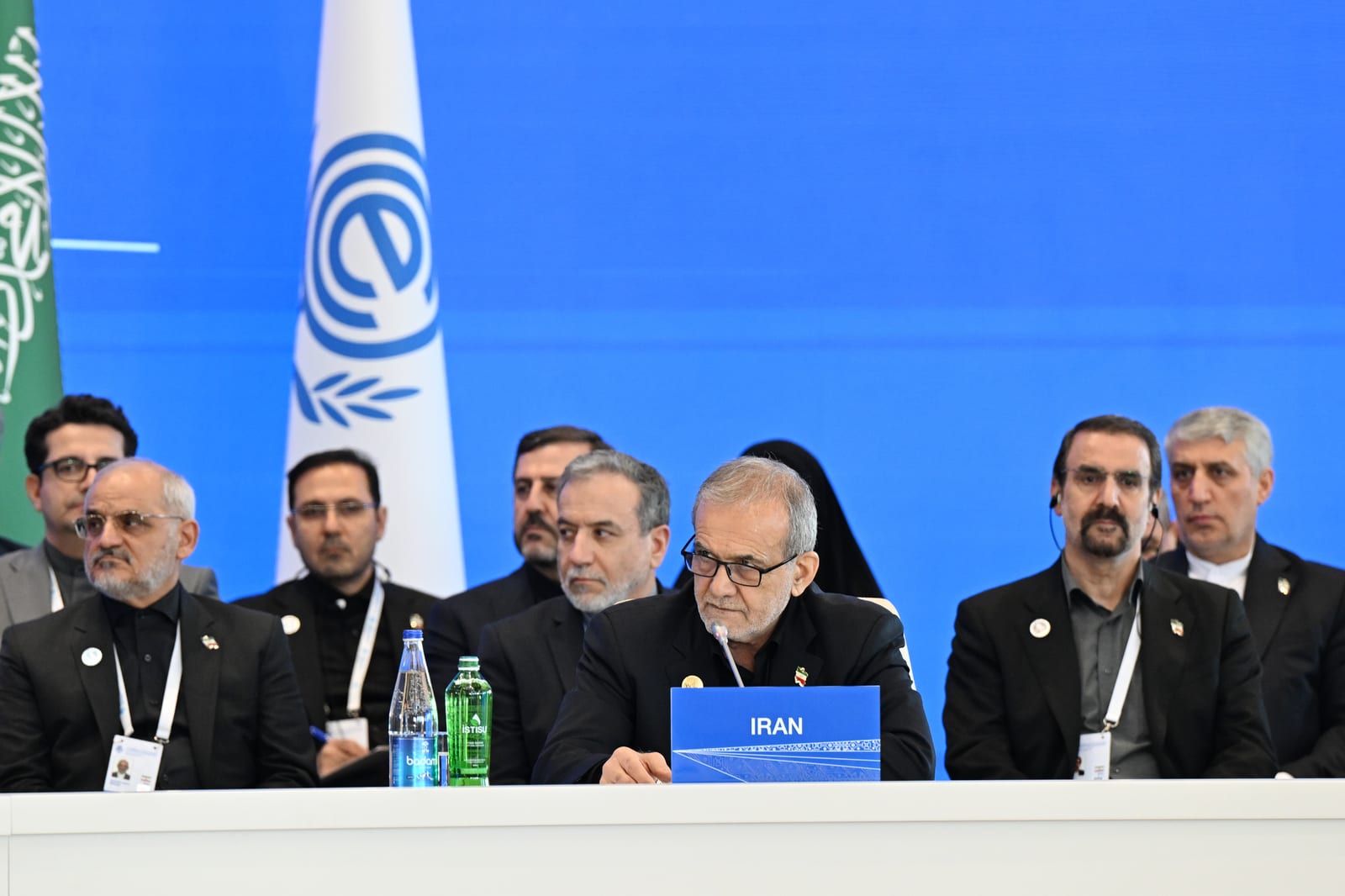
The Foreign Office said the meeting will be attended by foreign ministers and heads of delegations of the member states, the secretariat and its subsidiary bodies, and that Türkiye’s Turkish Republic of Northern Cyprus foreign minister, Tahsin Ertuğruloğlu, has arrived in Islamabad to take part. Turkmenistan’s government confirmed that its delegation will be in Pakistan on 15 and 16 November.
Two questions raised in the 9 November preview are still open. The Express Tribune reported then, citing people familiar with the preparations, that Iranian foreign minister Abbas Araghchi was expected to travel to Islamabad, with bilateral meetings with Prime Minister Shehbaz Sharif and Deputy Prime Minister Dar, and that there was no clarity on whether Afghanistan would be invited; the same report noted that an ECO interior ministers’ meeting due in Islamabad in late October had been postponed amid the prevailing regional situation. Neither government has announced the Iranian visit, and the Afghan delegation has not been confirmed.
The corridor that decides whether the agenda travels
The limits on the connectivity agenda are neither new nor secret. The Express Tribune’s account lists the closure of the Pakistan-Afghan border, inadequate infrastructure and the absence of effective cross-border trade arrangements as the reasons regional economic integration has remained limited, alongside the security pressure of attacks launched from Afghan soil. Pakistan has repeatedly asked Kabul to stop the banned Tehreek-e-Taliban Pakistan using Afghan territory to stage attacks inside Pakistan, and that argument sits directly underneath the corridor argument.
That is why an Iranian foreign minister’s presence, or his absence, matters to the connectivity case and not only to the region’s security politics. A commitment to a corridor has to be written into the declaration to count.
The arrangements on the ground in Islamabad are already in place. Radio Pakistan reported on 15 November that Information Secretary Ashfaq Ahmad Khalil opened a Media Facilitation Centre at the Pak-China Friendship Centre, with high-speed internet, workstations, a digital studio and briefing rooms, so that domestic and international journalists can cover the meeting.
Three questions the declaration has to answer
The first is whether the Strategic Goals 2035 attach a timetable to the free trade area Pakistan promotes. The second is whether the Declaration names the transit corridors, and the ports, that would carry Central Asian trade. The third is whether the connectivity promise survives the fact that the landlocked route to it runs through a border that is closed.
None of that was settled when the meeting opened on Sunday. The declaration and the programme document are the two texts to watch, and the ambition Radio Pakistan described for the chairmanship, a country positioned as a connectivity hub and an agenda setter for regional trade, is the standard the delegation has set for itself.