Reporting snapshot · 16 November 2026 (Asia/Karachi). The ministerial session is under way, but the outcome documents are not public: neither the text of the draft Islamabad Communiqué nor the Strategic Goals of Economic Cooperation 2035 has been released, and the final list of delegations is not confirmed. Ministers can still settle on different wording, or on a different set of documents, from the ones now on the table.
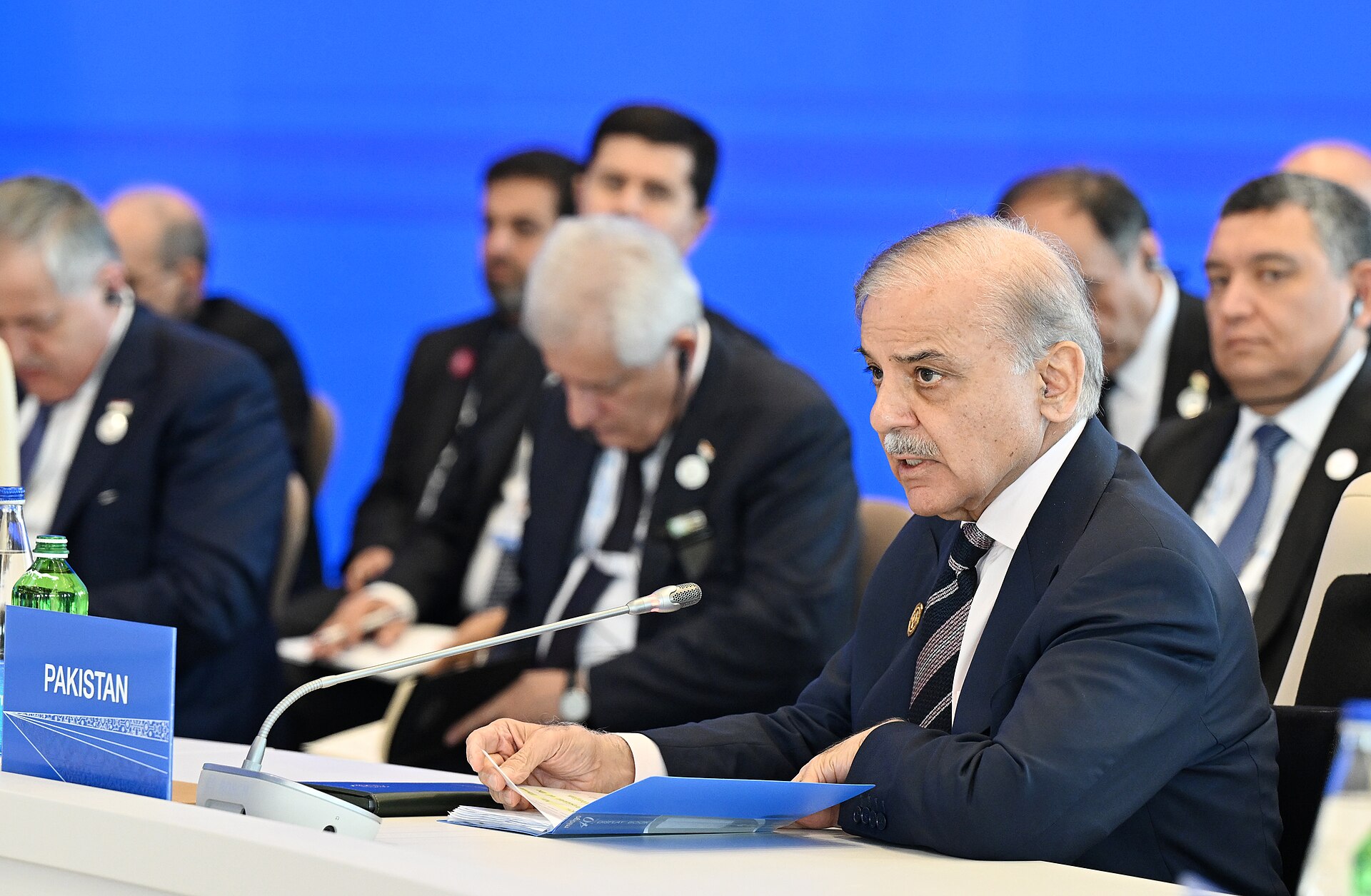
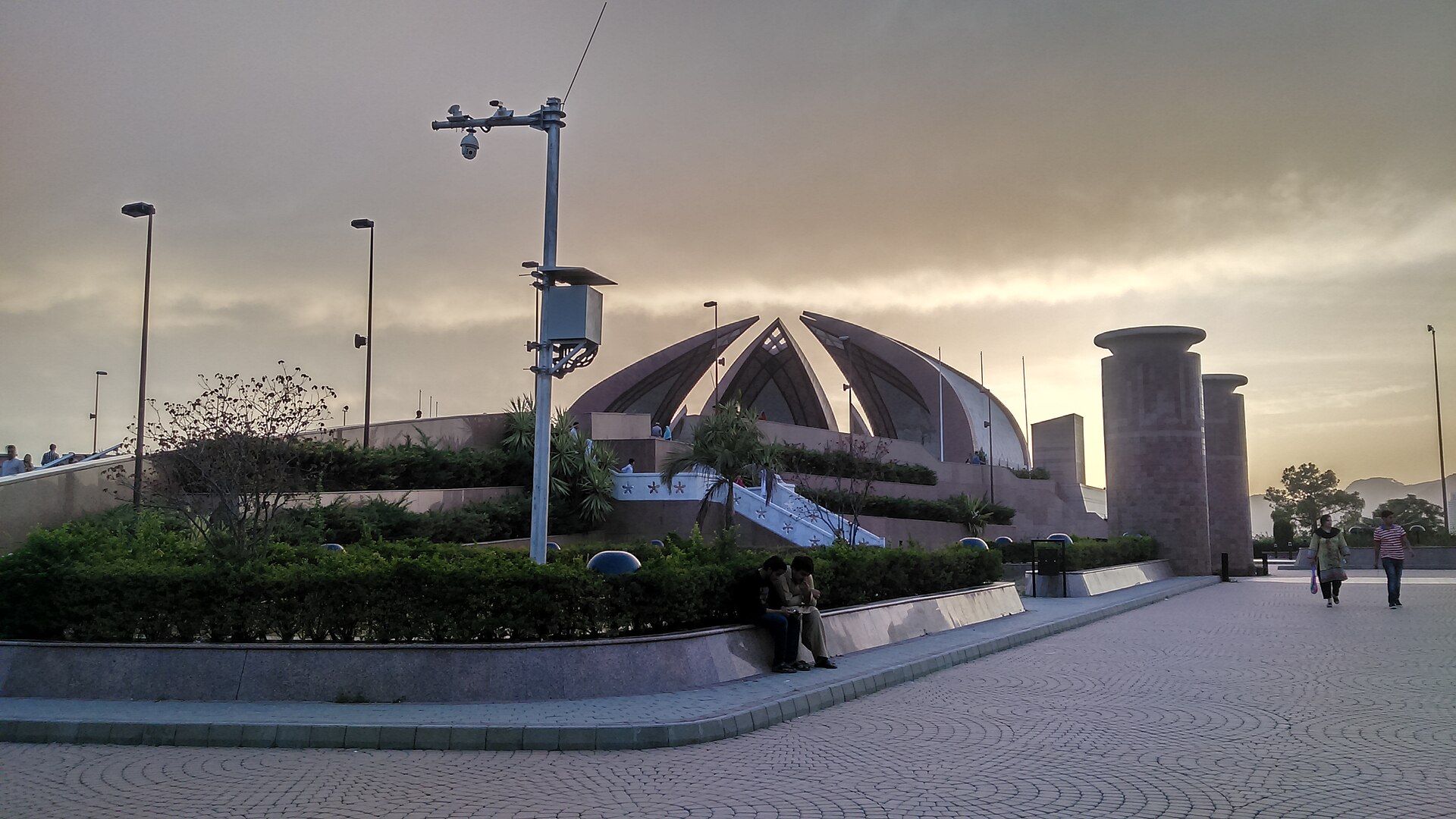
Deputy Prime Minister Ishaq Dar opened the ministerial session of the 30th Council of Ministers of the Economic Cooperation Organization in Islamabad on Monday, 16 November, with Iran’s foreign minister Abbas Araghchi in the capital and no Afghan delegation in the room. Radio Pakistan reported that the Council of Ministers was under way under Dar’s chairmanship, and that a senior officials’ meeting held in Islamabad the previous day had “finalized the agenda and the draft Islamabad Communiqué for consideration by the Ministers”.
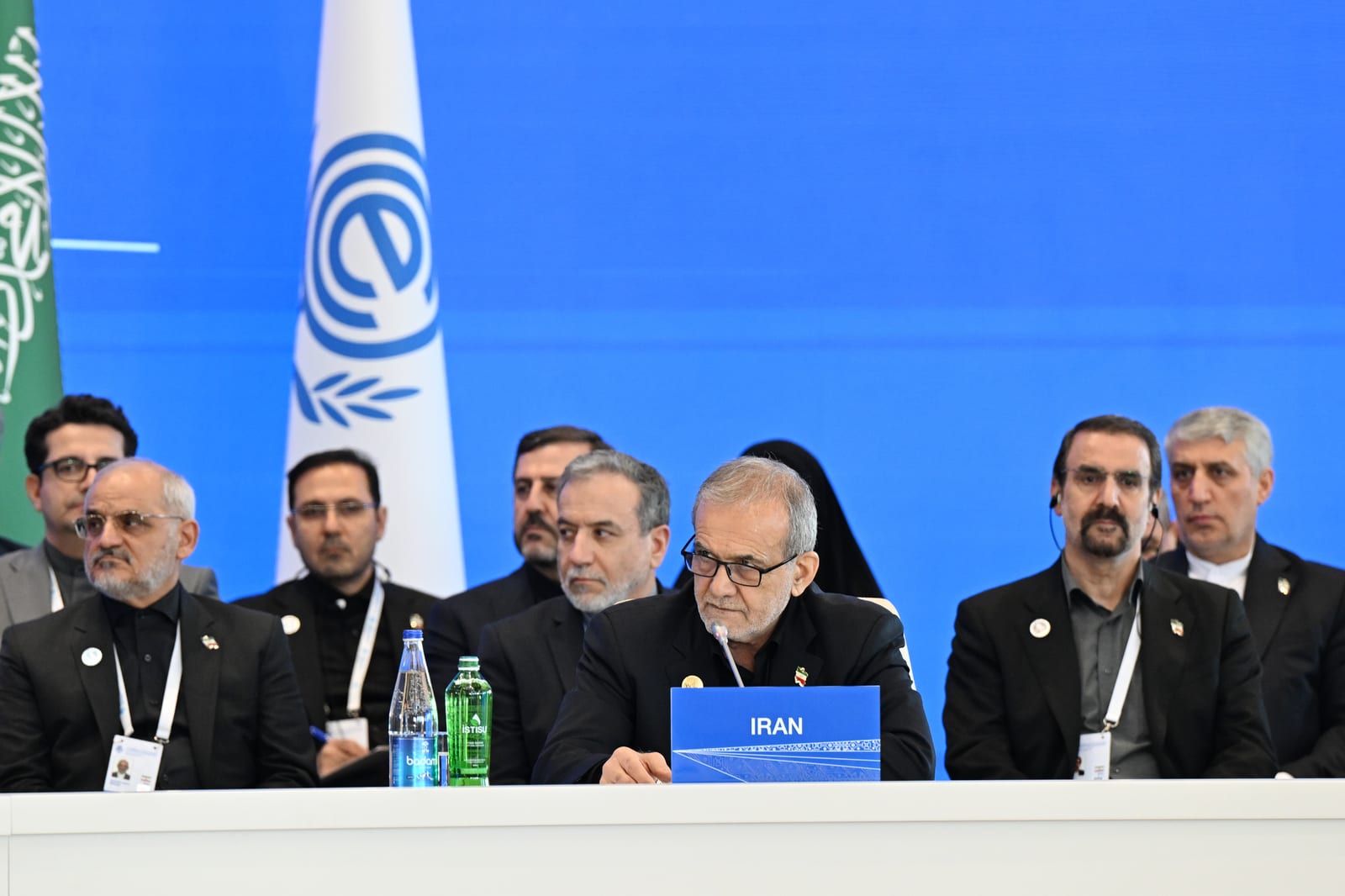
Two things have changed since KhabarWire described the meeting’s opening on 15 November. The Iranian foreign minister’s presence is now confirmed rather than expected: the Foreign Office said on Monday that Araghchi was received at the airport by Additional Foreign Secretary Muhammad Tariq Wazir and other officials, Geo News reported. And the ministers are meeting without the Afghan Taliban administration, which has not been invited to the session. KhabarWire follows the chairmanship year in its Pakistan and the ECO hub.
The two texts ministers are voting on
The organisation’s own account of the preparatory meeting, published on 15 November, is more specific than the coverage of the opening. The senior officials, chaired by Pakistan, reviewed the draft Strategic Goals of Economic Cooperation–2035, which the Economic Cooperation Organization describes as a new strategic framework that will guide the bloc’s priorities and strengthen regional cooperation over the coming decade. They also reviewed the draft Islamabad Communiqué “with a view to its finalization and submission to the Council of Ministers for adoption”, and considered institutional reform proposals from the first meeting of the high-level committee of deputy foreign ministers along with the ECO budget for 2027.
The names of those documents are not settled across official accounts. The organisation’s own record and the state broadcaster both call the outcome text a communiqué, while Turkmenistan’s government has described it as an Islamabad Declaration, in its account of the delegation’s preparations. Pakistan Today uses “Islamabad Declaration” and calls the second document “ECO Vision 2035”, a ten-year framework on connectivity, economic integration and sustainable growth, in its report of the gathering. The substance looks the same under either name: a decade-long strategy and a political statement to go with it.
Alongside them, Pakistan is expected to press two pieces of plumbing, according to Pakistan Today: progress on the ECO Trade Agreement, the bloc’s customs and tariff agreement, and on the Transit Transport Framework Agreement, which is meant to move goods across borders once the corridors exist. The proposed Uzbekistan–Afghanistan–Pakistan railway is among the initiatives the conference is expected to highlight, the same report said.
Who is in the room, and why Iran’s arrival matters
The pre-meeting reporting treated Araghchi’s attendance as a condition worth watching, because the connectivity case Islamabad is pressing is a route for landlocked Central Asian states to the Arabian Sea. A route that runs through Iran and Afghanistan is a different proposition from one that runs around them, and that is why his presence, or his absence, matters to the connectivity case and not only to the region’s security politics.
His arrival also puts a wider set of delegations in the same building. The Foreign Office listed the OIC secretary general, Ismail Ould Cheikh Ahmed, the Shanghai Cooperation Organisation’s deputy secretary general, Ahmad Saidmurodzoda, Türkiye’s deputy foreign minister Musa Kulaklikaya, and the deputy foreign ministers of Azerbaijan and Kazakhstan among those who have come to Islamabad, Geo News reported. Dar hosted a welcome dinner for the delegations on Sunday and met the ECO secretary general, Asad Majeed Khan, and the OIC secretary general on the sidelines, according to the Foreign Office statement carried by Pakistan Today. On Monday he also met the secretary general of the Conference on Interaction and Confidence Building Measures in Asia, Sultan Hajiyev.
Why there is no Afghan delegation
The absence of Kabul is the sharpest decision taken before ministers sat down. The Afghan Taliban administration was not invited to the ministerial in accordance with the organisation’s procedures, Pakistan said, The Express Tribune reported. The change is worth noting against the organisation’s own record: in July 2025 the Taliban administration sent a deputy prime minister for economic affairs, Mullah Abdul Ghani Baradar, to the ECO summit in Azerbaijan.
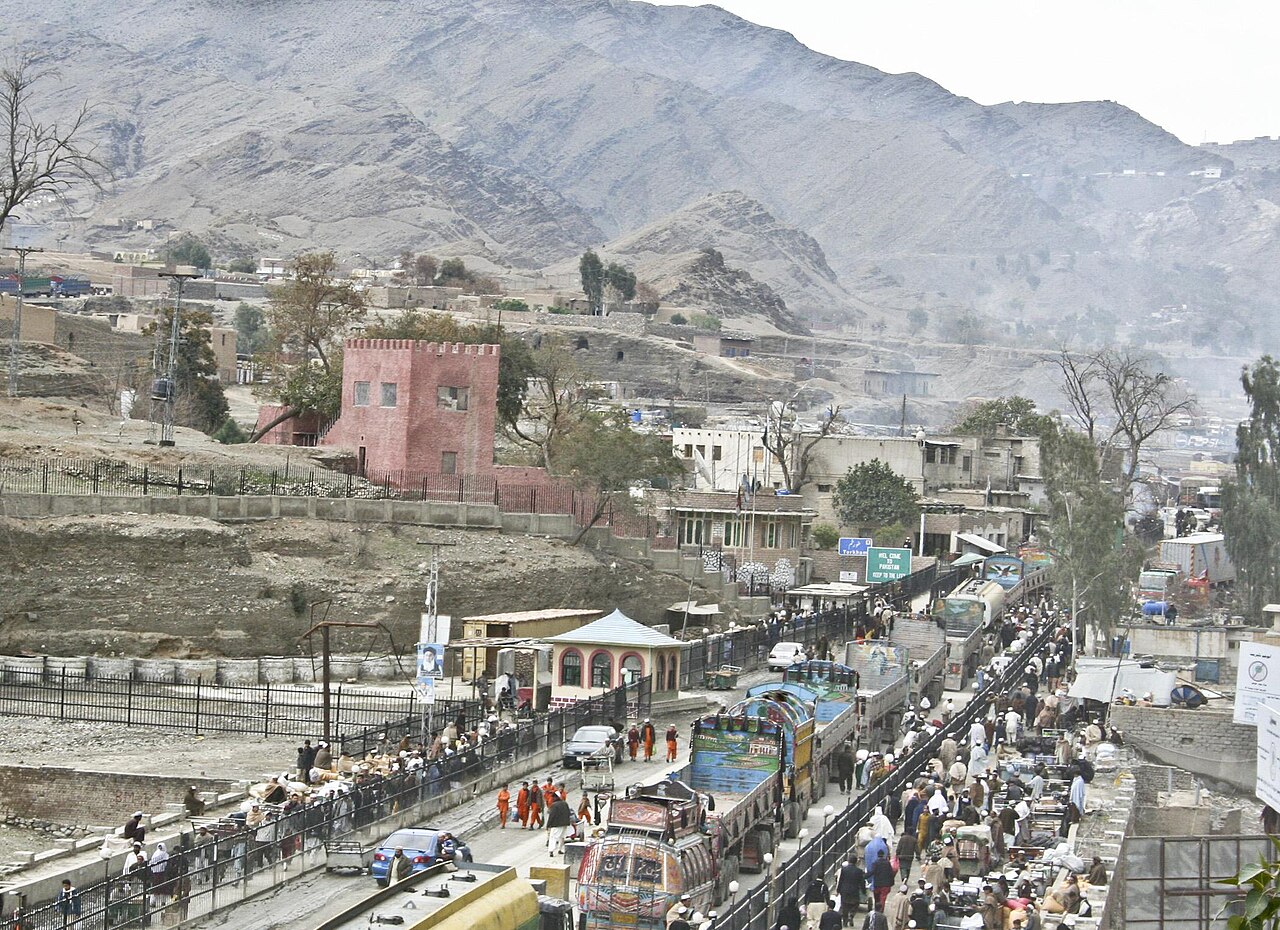
The reason sits under the whole connectivity agenda. Progress towards regional economic integration has been limited by political differences, security challenges, inadequate infrastructure and the absence of effective cross-border trade arrangements, and the closure of the Pakistan-Afghan border is undermining Pakistan’s effort to position itself as a gateway for landlocked Central Asian states, The Express Tribune reported before the meeting. Pakistan’s own border with Afghanistan has been shut since October 2025, and the one exception since then was a single humanitarian passage in August 2026 that KhabarWire reported at the time.
So the country whose territory the proposed regional railway would cross is not at the table, while the railway is among the initiatives the conference is expected to promote. Islamabad’s answer has been to make the corridor argument without Kabul, pressing for the rail and road links it controls, including the $7 billion connectivity memorandum with Kazakhstan that KhabarWire described in January.
What the Tehran summit will have to settle
The next date in the calendar is fixed. Iran’s first vice president, Mohammad Reza Aref, said on 11 November that the 18th ECO summit of heads of state and government would be held in Tehran on 3 and 4 December, The Express Tribune reported. Pakistan’s chairmanship runs through 2027, and the Foreign Office has said Islamabad will host the summit then, a commitment the ECO secretary general welcomed when he met Dar, the organisation recorded.
The size of the prize is small by the organisation’s own measure. Pakistan’s trade with ECO member states was about $3.8 billion in 2025, roughly four per cent of the country’s total trade, the secretary general told Dar, the ECO’s account of the meeting records. He appreciated Pakistan’s leadership in modernising the ECO Trade Agreement and sought its support for implementing the Astana Declaration and the ECO Transport Strategy 2026–2035, as well as for setting dates for a fourth ministerial on information and communication technology.
What is not yet known is the part that will decide whether the session matters. The text of the communiqué is unpublished, so it cannot yet be said whether the connectivity corridors are named, whether a timetable is attached to the free trade area Pakistan promotes, or whether the absence of the Afghan delegation is recorded at all. Those answers, if they come, arrive with the documents rather than with the meeting.