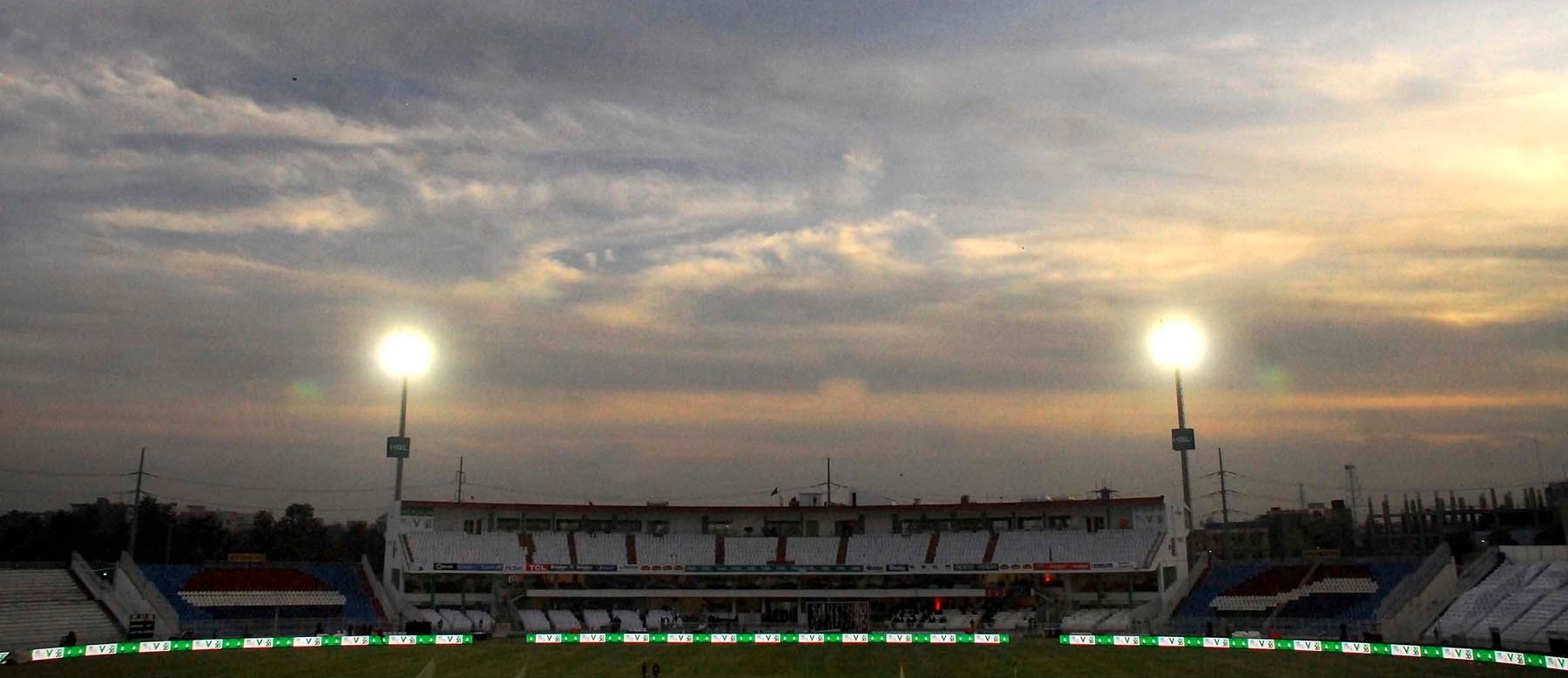
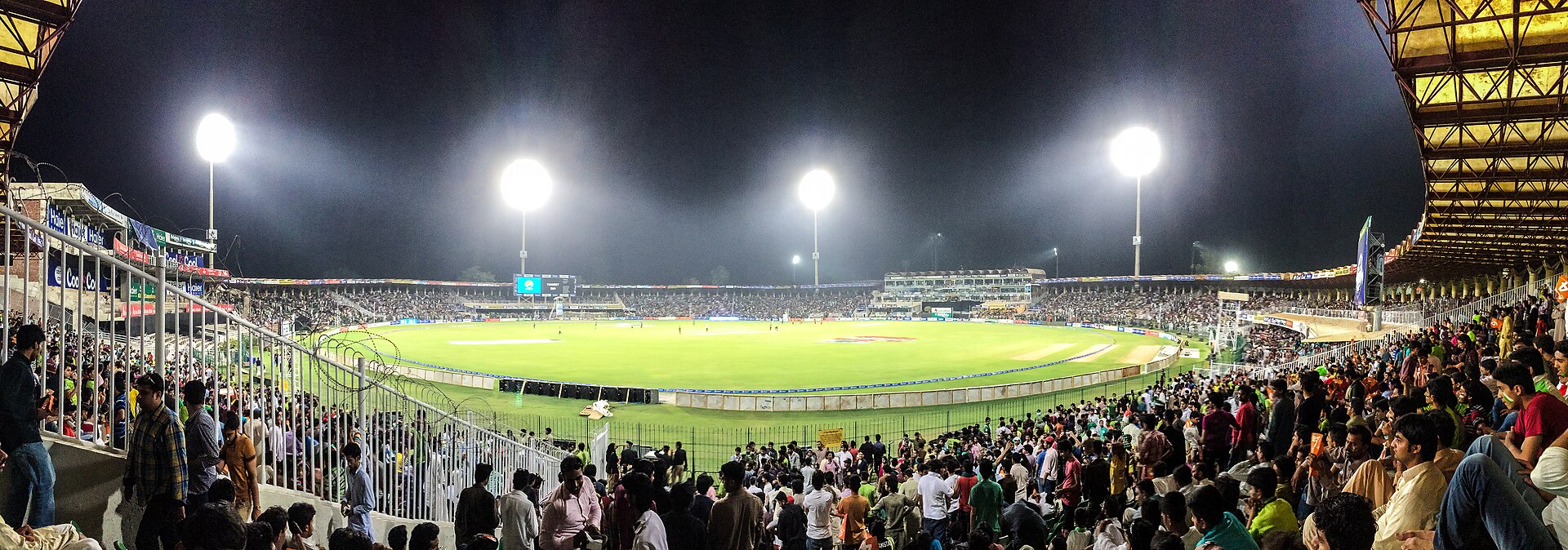
Reporting snapshot · 11 November 2026 (Asia/Karachi). The board's statement gives only a general reason for the move and does not set an air-quality threshold. No independent monitor at the stadium has published a reading, and the PCB has not said how tickets or travel arrangements for Lahore will be handled.
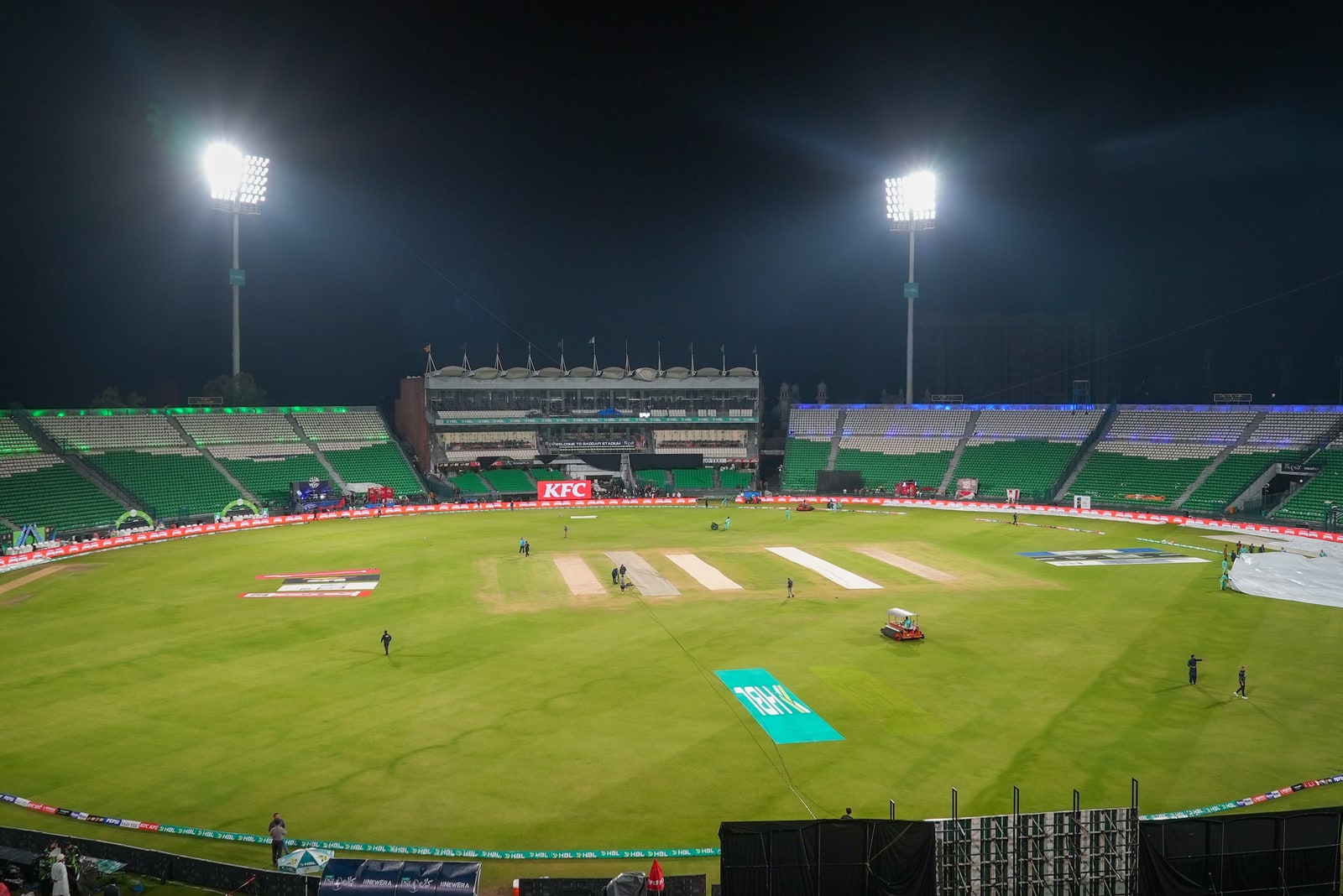
The Pakistan Cricket Board moved the second Test against Sri Lanka from Lahore to Rawalpindi on 10 November, citing smog over Punjab’s capital, and said the match would keep its 17-21 November dates. The fixture leaves Gaddafi Stadium for Rawalpindi Cricket Stadium, where the first Test is already under way, so the two-match series will be played entirely at one ground.
The board announced the change in a short statement that said the match, “originally scheduled to be played in Lahore from November 17 to 21, has been relocated to Rawalpindi due to prevailing weather conditions”, according to the PCB’s press release. A board spokesperson told Geo News that the decision was taken “in view of prevailing weather conditions and increasing smog levels in Lahore”. The Express Tribune reported the same explanation and said the relocation was aimed at addressing concerns about the city’s deteriorating air.
A series that loses its only Lahore fixture
The move leaves Lahore without a Test in the series. The city had hosted international cricket in the weeks before the decision: it staged the final of the one-day international tri-series, which Pakistan won against Sri Lanka, after Rawalpindi hosted the opening matches, Pakistan Today reported. Pakistan Today had also reported earlier on 10 November that the board was considering a switch but had not finalised one, which shows how quickly the decision was taken.
Rawalpindi now has to stage consecutive Tests in the same month. The first resumes its third day on 11 November; the second begins four days after the scheduled finish of the opener. The board has not said whether the same pitch will be used, how the square will be prepared for back-to-back matches, or whether spectators who bought tickets for Lahore will be refunded or offered alternatives. Those omissions matter in a country where travelling supporters often book transport and accommodation well before a series.
The teams, at least, avoid a move. They will not have to travel to Lahore and back between matches, and the Sri Lankan squad will not have to adjust to a second venue in the space of a week.
Why Lahore’s air prompted the decision
Lahore’s air quality has swung sharply this month, and the readings depend heavily on which network is measuring. On 10 November, the Swiss monitor IQAir recorded an AQI of 240 in the city and put its concentration of fine particulate matter, PM2.5, at 33 times the World Health Organisation’s annual guideline, Geo News reported. A day earlier, a live ranking had put the city’s index at 647 after Diwali fireworks in India, and Punjab’s environment minister, Marriyum Aurangzeb, blamed pollution drifting across the border, KhabarWire reported.
Both are instantaneous readings, taken at different hours rather than as daily averages, and the gap between them shows how quickly the index moves. The wider pattern is not in dispute: Lahore’s winter smog is produced by a mix of vehicle and industrial emissions, construction dust and crop-waste burning, trapped near the ground by cooler temperatures and stagnant air, The Express Tribune reported. The season runs through the cooler months, when Pakistan’s home cricket season usually takes place.
The board has not published the reading or threshold that triggered the move, and no venue-specific figure has been published for Gaddafi Stadium. That leaves the decision resting on a general judgment about the city’s air rather than a published trigger, and makes it hard to know what conditions would cause another relocation. What is clear is the exposure a five-day Test creates: players, match officials, ground staff and spectators spend hours outdoors, and the Tribune noted that poor air quality can pose health risks during prolonged outdoor events.
What it means for the cricket
The first Test has followed the pattern of the series so far. Pakistan declared at 434 for 9 on the second day, with half-centuries from Tayyab Arif, Mohammad Taha, Babar Azam, Saud Shakeel and Arafat Minhas, then reduced Sri Lanka to 114 for 3 by the close, a deficit of 320 runs, Geo News reported. KhabarWire’s day-two report noted that the board had not then confirmed whether the second Test would stay in Lahore. Bad light ended play early on both of the first two days, a reminder that weather has already shaped this series.
For Pakistan, the change removes a variable. A team that has just played at Rawalpindi will stay on a ground it knows, while Sri Lanka loses the chance to reset at a different venue. That is an advantage of familiarity rather than proof of a competitive edge, and it depends on a pitch the board has not yet chosen. The hosts have already handed Test debuts to four players in this series, a rebuild KhabarWire reported on the opening day.
The second Test will still count in the World Test Championship, and the change of venue does not alter the points on offer. What it alters is the setting: a series that was meant to give Lahore a Test will instead be played entirely in Rawalpindi, at a ground that has already hosted one this month.
The questions the announcement leaves open
The board’s statement did not address ticketing, broadcast arrangements or the cost of moving staff and equipment. It also did not say whether the decision was taken on health advice, a forecast or the board’s own reading of the air. A PCB spokesperson’s reference to “prevailing weather conditions” is broad enough to cover heat, rain or smog; the addition that smog levels were increasing narrows it, but not to a specific measure.
Lahore’s smog is unlikely to disappear before 17 November. The city’s air has exceeded the “very unhealthy” band repeatedly in November, and the meteorological conditions that trap pollution usually persist into December. Whether the PCB would move another fixture, and what it would take to keep a Test in Lahore during the smog season, are questions the board has not answered. For now, the series has a venue and a date; the city that lost the match has neither an explanation of the threshold nor a plan for the next one.