Reporting snapshot · 7 November 2026. The Pakistan Cricket Board has named a 16-man squad for the two-Test series against Sri Lanka, but has not said which of the new call-ups will play in the first match or why two players were released. The squad can still change before the opening Test in Rawalpindi on 9 November.
What the PCB changed
The Pakistan Cricket Board added four players to its Test squad on Saturday, 7 November, three of them uncapped, two days before the first Test against Sri Lanka begins in Rawalpindi. Pace-bowling all-rounder Aamir Jamal returns to the squad, while fast bowlers Ali Shabbir and Saqib Khan and batter Muhammad Tayyab Arif receive their first international call-ups. Ali Usman and Abdullah Fazal were released.
Geo News and The Express Tribune both reported that the PCB confirmed the changes in a statement. The ICC published the revised 16-man list, which Babar Azam captains.
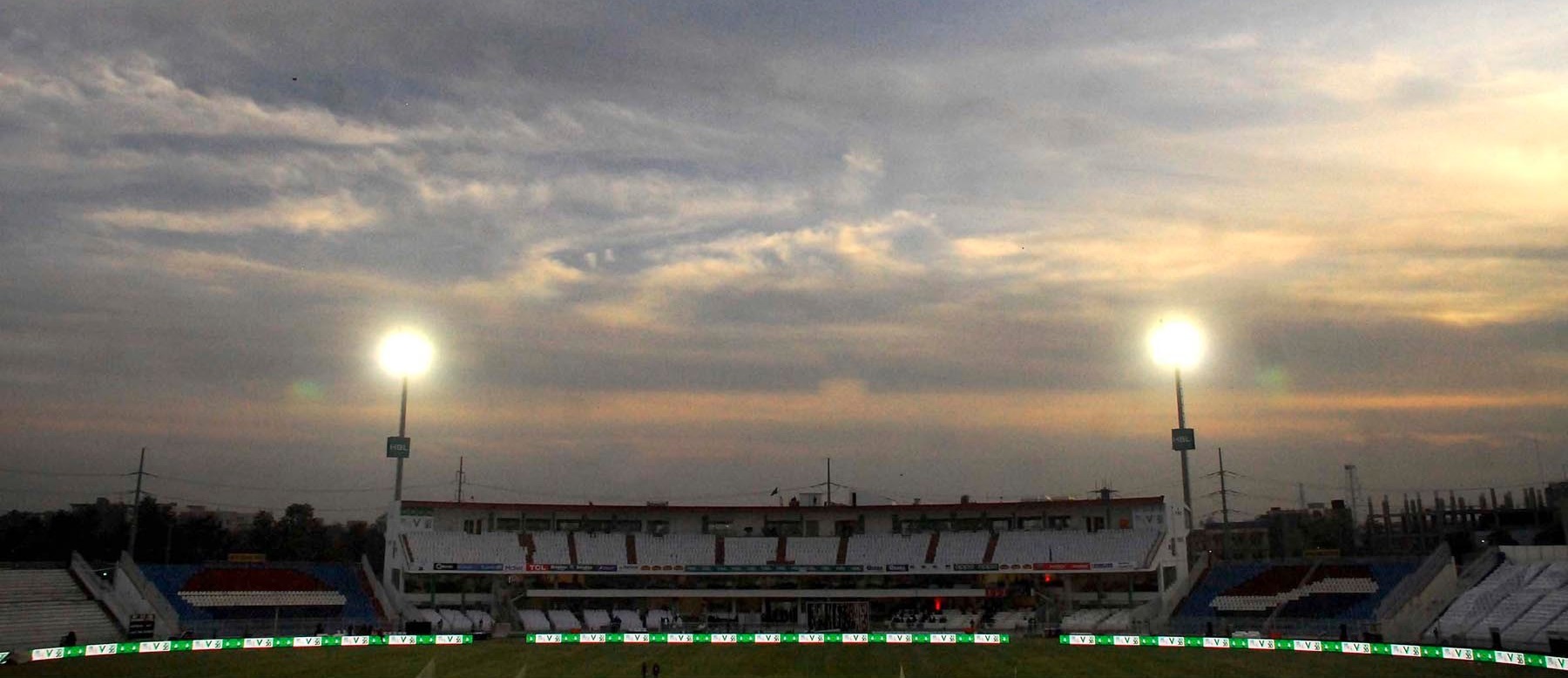
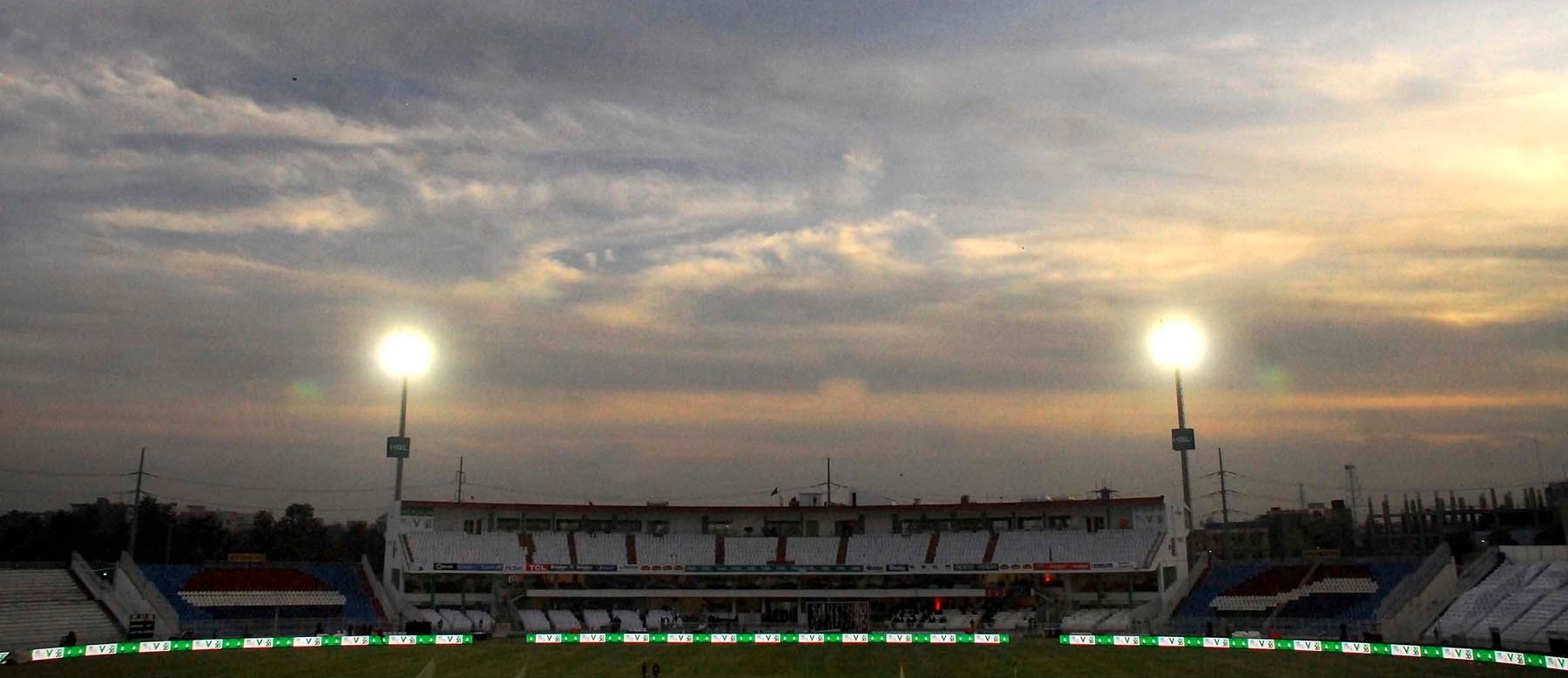
The first Test is scheduled for 9-13 November at Rawalpindi Cricket Stadium. The second is due at Gaddafi Stadium in Lahore from 17 to 21 November. The ICC lists the two matches as part of the World Test Championship.
The timing is tight. The newcomers took part in the Patron’s XI three-day practice match against Sri Lanka at Islamabad Club from 4 to 6 November, giving the team management a direct look at them immediately before the series. The PCB’s statement presented domestic form as the basis for the additions. It did not explain the release of Usman and Fazal, and Geo News noted that the board did not disclose a reason.
The domestic cases behind the call-ups
Jamal’s return adds experience to the group. The 30-year-old has played nine Tests, three one-day internationals and six Twenty20 internationals, and the PCB pointed to his performance in the President’s Trophy Grade-I final, where he took seven wickets for 32 runs and scored 55 for Markhor IT Solutions. He also made 74 and 23 and took three wickets while leading Lahore Whites in the opening round of the Quaid-e-Azam Trophy Gold, according to the Tribune report.
Tayyab’s case rests on a heavier volume of first-class runs. The right-handed batter scored 727 runs in seven matches for Kingsmen Academy in the departmental first-class tournament at an average of 66.09, including three centuries, the PCB said in the statement carried by Geo News. That output gave the selectors a specialist batting option beyond the original squad even before they watched him against Sri Lanka’s attack.
The two uncapped fast bowlers offer different profiles. Ali Shabbir, 19, has taken 22 wickets in eight first-class matches and claimed three wickets against Sri Lanka in the practice match. Saqib Khan took 47 wickets in nine matches at an average of 20.60, with best figures of seven for 34, during Karachi Blues’ Quaid-e-Azam Trophy 2025-26 title-winning campaign, according to the ICC’s summary of the PCB statement.
The common thread is first-class evidence rather than reputation. All three uncapped players were chosen after strong domestic seasons and a recent match against the touring side. The selectors have not said whether that means they will start in Rawalpindi or merely provide cover.
Why the timing matters
Pakistan’s Test squad had already been announced before this revision, and the additions change its shape rather than its core. Babar remains captain. Mohammad Abbas, Saud Shakeel, Salman Ali Agha, Arafat Minhas and the two wicketkeepers, Mohammad Ghazi Ghori and Saad Baig, are in the 16-man group. The new names add pace depth and another batting option before a home series in which conditions and workload will be closely watched.
The revision also lands during a period of scrutiny of Pakistan’s Test planning. Babar’s captaincy and the team’s red-ball results have been debated since the England series, as KhabarWire reported in September when Wasim Akram questioned his decision to accept the Test captaincy. A wider mid-series selection overhaul earlier in the year showed how quickly the PCB has been willing to change personnel. Saturday’s additions fit that pattern: the board has again reached into domestic cricket rather than simply retaining the original group.
For the players, the opportunity is immediate. A first call-up before a home Test means a chance to train with the senior side, work with the coaching staff and, if selected, make a debut in familiar conditions. For the team, the value depends on whether the newcomers are used. A larger squad gives the management options, but it does not by itself solve the top-order or bowling questions that the series will test.
What the squad does not settle
The most important unknown is the playing XI. A 16-man squad is not a selection for the first Test, and the PCB has not said whether Jamal will return to the XI, whether Tayyab will bat in the middle order, or whether either uncapped fast bowler will debut. The practice match offered evidence, but it was not a Test.
The reasons for releasing Usman and Fazal are also unclear. Geo News reported that the PCB did not disclose them. That leaves open whether the decision reflected form, fitness, team balance or a combination of factors. Without an explanation, the move should be treated as a selection choice rather than as evidence of a wider problem.
The step from domestic cricket to a Test against Sri Lanka is another uncertainty. First-class averages describe performance in a particular competition and conditions; they do not guarantee that a player will handle the higher pace, sustained pressure and longer spells of international cricket. The selectors have backed domestic output, but the series will show whether that confidence is justified.
What happens next
Pakistan and Sri Lanka begin the first Test in Rawalpindi on Monday, 9 November. The second Test is scheduled for Lahore from 17 November. The team management is expected to settle on an XI closer to the first match, and the new call-ups will have several more days of training to press their claims.
The series also gives the selectors a fresh look at the depth behind the established players. If the newcomers are held back, the revision will read mainly as cover for a long two-match series. If they play, it will mark a more significant turn in how Pakistan builds its Test side.
For now, the confirmed facts are narrow. Pakistan have added Aamir Jamal, Ali Shabbir, Saqib Khan and Muhammad Tayyab Arif to their Test squad, released Ali Usman and Abdullah Fazal, and set a 16-man group for a series that starts in two days. The selection questions that matter most will be answered by the XI, not the squad list.