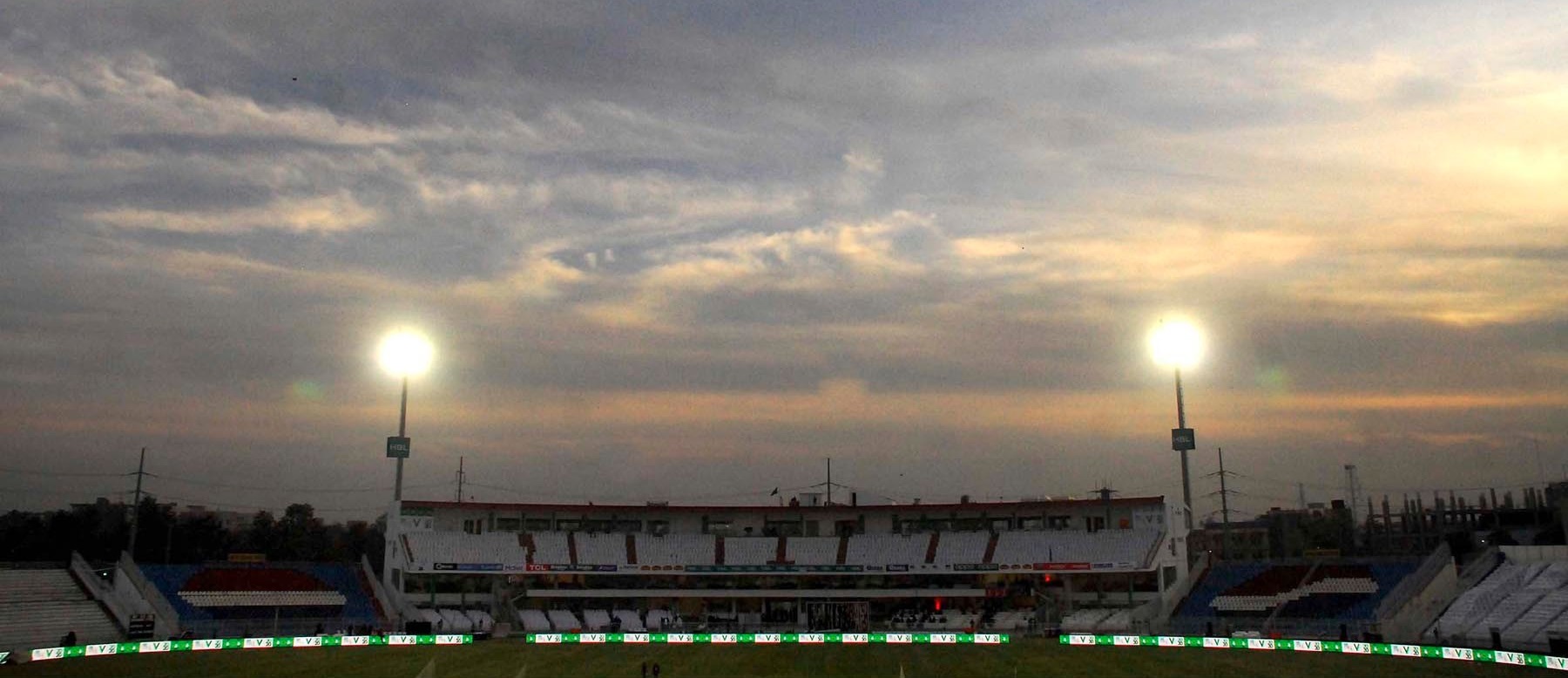
Reporting snapshot · 9 November 2026 (Asia/Karachi). The first Test began in Rawalpindi on 9 November, but the opening day's play and the series outcome are still unfolding. The four debutants have no Test record to assess, and the pitch and selections for the second Test may change.
What happened
Pakistan gave Test debuts to four players in the opening match of their two-Test series against Sri Lanka at the Rawalpindi Cricket Stadium on Monday, 9 November. Sri Lanka captain Kusal Mendis won the toss and chose to bowl, so Pakistan batted first.
At the toss, Pakistan captain Babar Azam said Tayyab Arif, Mohammad Taha, Arafat Minhas and Saqib Khan would make their Test debuts. Geo News reported that Pakistan’s XI also included Azan Awais, Saud Shakeel, Salman Agha, wicketkeeper Ghazi Ghori, Razaullah and Mohammad Abbas. Sri Lanka’s side featured Pasindu Sooriyabandara, Lahiru Udara, Dinesh Chandimal, Kamindu Mendis, Dhananjaya de Silva, Sonal Dinusha, Milan Rathnayake, Lahiru Kumara, Asitha Fernando and Dilshan Madushanka.
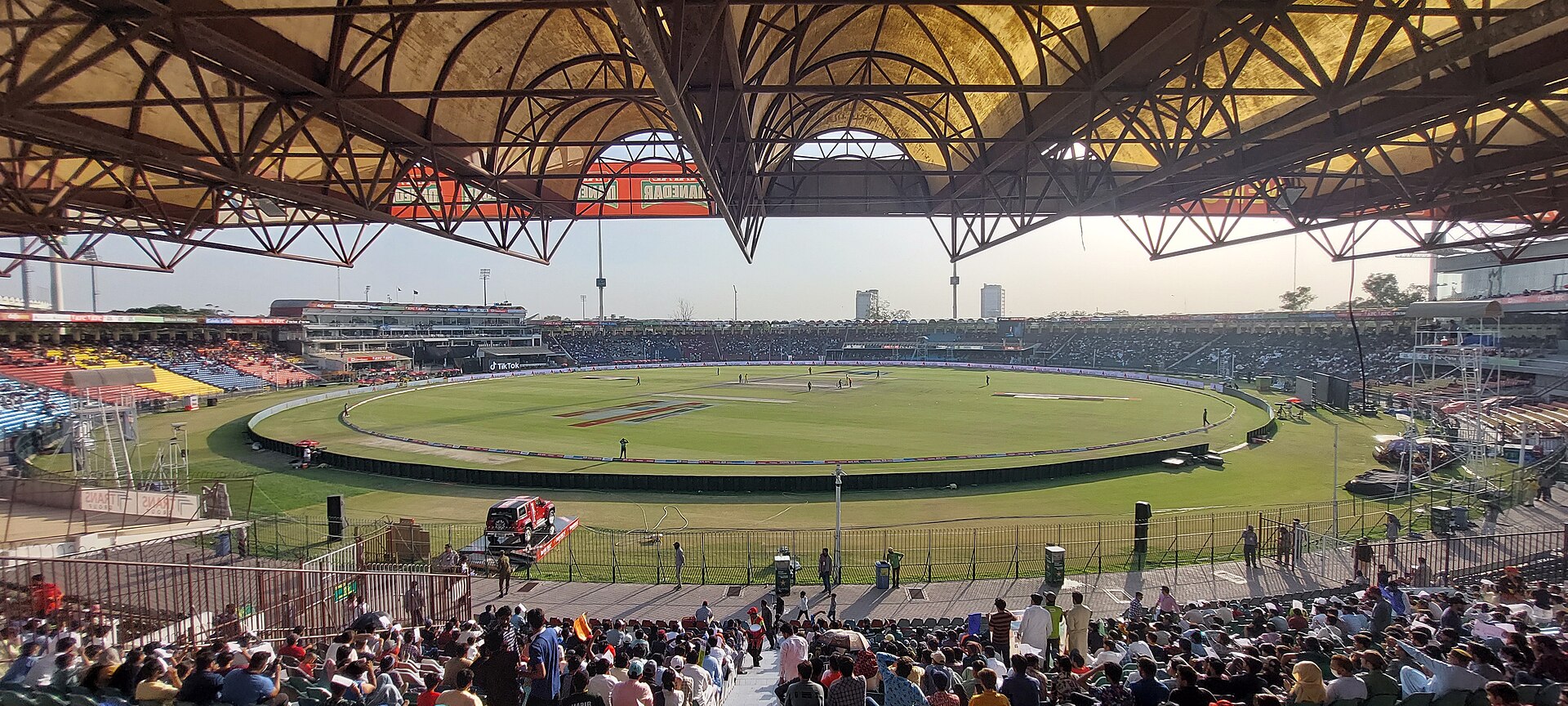
The match is the first of two Tests. The second is scheduled for the Gaddafi Stadium in Lahore from 17 to 21 November, according to the ICC’s series schedule. Pakistan are using the series to blood a new group after a difficult run in the current World Test Championship cycle.
Four new faces in a new-look side
The four debuts are the clearest sign yet of how far Pakistan have moved from the side that played England earlier this season. Two of the newcomers, Tayyab and Saqib, were added to the squad only on 7 November, in a revision that also brought back Aamir Jamal and added Ali Shabbir. That late squad change followed a three-day practice match against Sri Lanka at the Islamabad Club.
Tayyab, a top-order batter, made his case with 727 runs in seven first-class matches at an average of 66.09, including three centuries, according to the ICC’s summary of the PCB squad announcement. He was handed the No. 2 spot on Monday, alongside Azan Awais.
Saqib, a fast bowler, took 47 wickets in nine matches at 20.60 in the 2025-26 Quaid-e-Azam Trophy, the ICC summary said. He was included in the XI alongside Mohammad Abbas and Razaullah, with Salman Agha providing another seam option and Arafat Minhas an all-round option.
Mohammad Taha and Arafat Minhas were already in the initial squad. Taha batted at No. 3 on debut, while Arafat slotted in at No. 8. Both are young players the selectors have backed through the domestic system rather than through short-format reputation. The XI leaves out Aamir Jamal and Ali Shabbir, two of the players added in the weekend revision, showing that the final selection was about balance rather than simply rewarding the newest call-ups.
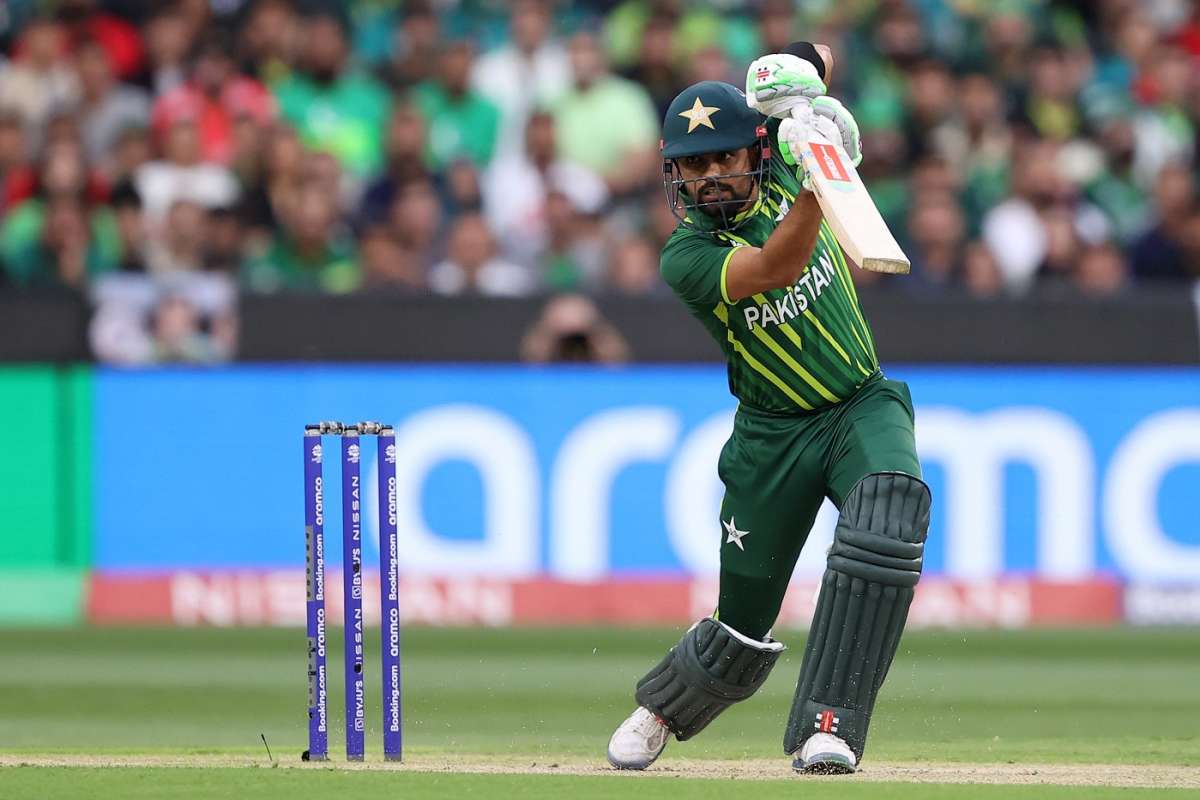
The composition is unusual for Pakistan. Four debuts in one Test is a large turnover, and it puts the middle order and the pace attack under immediate pressure. Babar said before the match that the squad contained “almost eight new players” and that the selectors and coach had chosen the group. “My job is to get them to perform, make sure they take good decisions on the field and give their best,” he said, according to The Express Tribune.
Why Pakistan are rebuilding now
Babar has framed the series as the start of the next cycle rather than the end of the current one. “We are almost out of this cycle and are looking forward to the next Test Championship cycle and preparing for it,” he said. “InshaAllah, you will see a different team.”
That message fits the selection. Pakistan have struggled in the current cycle and have cycled through players and roles without settling on a stable top order or bowling unit. The 7 November revision was the latest attempt to widen the talent pool, and Monday’s XI took the next step by actually playing the newcomers.
The team also arrives with some confidence from white-ball cricket. Pakistan won the ODI tri-series final against Sri Lanka in October, and Babar said the feeling from that run had carried into the Test camp. “Whenever you win a series or a match, you definitely gain confidence,” he said. “We will bring that same vibe into the Test match and will try to continue it.” KhabarWire reported that final win at the end of October.
Babar’s own position remains part of the story. His Test captaincy and batting have been questioned repeatedly, including by former players. KhabarWire covered Wasim Akram’s criticism in September. A young side gives Babar a chance to reshape the team in his own image, but it also removes some of the experience that might have shielded him from another poor result.
What Sri Lanka bring
Sri Lanka are not treating the match as a development exercise. Kusal Mendis said his side had a balanced attack and an experienced batting line-up, and he backed his players to handle whatever conditions Rawalpindi offered. “I think we have a very good balance in both the bowling and batting departments,” he said, according to The Express Tribune. “We have a very experienced senior bowling unit.”
Mendis pointed to Dinesh Chandimal and Dhananjaya de Silva as the senior batters who could anchor the innings, and said Sri Lanka had prepared for the possibility of a green pitch. The visitors have been in Pakistan for more than a month, having played the preceding white-ball series, and Mendis said the squad had settled into the tour.
This is Sri Lanka’s first Test tour of Pakistan since 2019. On that visit, Pakistan won the two-match series 1-0, with a draw in Rawalpindi followed by a 263-run win in Karachi, Geo News reported. Sri Lanka’s current side mixes that experience with newer faces, including Sonal Dinusha and Milan Rathnayake, and will fancy its chances against a Pakistan batting order missing several established names.
What is still uncertain
The biggest unknown is how the four debutants will handle a Test match. First-class records describe performance in domestic conditions; they do not guarantee that a player can cope with the longer spells, sharper pressure and tactical adjustments of international cricket. Tayyab’s average and Saqib’s wicket tally are strong evidence of domestic quality, but Monday is their first examination at this level.
The pitch is another variable. Mendis said Pakistan had provided a good wicket, but Rawalpindi has produced surfaces that have helped seamers early and then flattened out. Pakistan’s decision to bat first after Sri Lanka chose to bowl will be judged over five days, not one session.
The series also matters for the selectors. If the newcomers hold their own, Pakistan will have a stronger case for keeping the group together into the next cycle. If the side struggles, the same questions about preparation, domestic-to-international transition and captaincy will return. The second Test in Lahore gives the selectors another chance to adjust, but the first impressions will shape the debate.
For now, the confirmed facts are narrow: four Pakistan players made their Test debuts in Rawalpindi, Sri Lanka chose to bowl, and Pakistan began the series with a deliberately young side. The result, and the longer-term judgment on the rebuild, will take shape over the next five days.