Reporting snapshot · 11 November 2026 (Asia/Karachi). The government has not published the text of its direction to the task force, and the operators' joint letter to the prime minister has not been released, so the terms of the reference and the figures quoted here are as reported by Business Recorder and Profit by Pakistan Today. The task force's recommendations, their financial implications and the mechanism for absorbing any tariff differential have not been published, and no timetable has been given.
The Prime Minister’s Office has directed a special task force to finalise recommendations on extending industrial electricity tariffs to cellular operators, including the financial implications and a proposed mechanism for absorbing the tariff differential, for consideration by the federal government. Business Recorder reported on Wednesday that the direction came in consultation with the Power and Finance Divisions, and Profit by Pakistan Today carried the same account.
The move follows a joint letter to Prime Minister Shehbaz Sharif from the chief executives of Jazz, CMPak (Zong), PTMIL (Ufone and Telenor) and PTCL, asking the government to extend industrial electricity tariffs to licensed telecommunications infrastructure. The operators say the sector has been recognised as an industry under government policy and legislation for years, yet continues to pay commercial rates on its sites.
A task force that has been running since June
The body doing the work is not new. A task force headed by the secretary of the Ministry of Information Technology and Telecommunication was constituted on 29 June to examine and implement industrial power tariffs for the sector, deliberate on smart-grid solutions and explore dedicated power feeders to mitigate prolonged electricity outages. Its membership spans the chairman of the Pakistan Telecommunication Authority, the Power Division, NEPRA, the operators themselves and the distribution companies, and its first meeting was held on 4 August under the chairmanship of the special secretary at MoIT&T.
Its origin is older still. The operators point to a MoIT&T policy directive issued on 6 January covering the auction of International Mobile Telecommunications spectrum, whose paragraph (n)(vii) required a joint task force to examine and implement an industrial power tariff for telecom alongside smart-grid solutions and dedicated feeders; the text of the directive is published on the Pakistan Telecommunication Authority’s website. What is new is the prime minister’s instruction that this task force must now produce a recommendation the government can act on.
The reason for the push is visible in the power system’s behaviour. Jazz president Kazim Mujtaba said 5G sites draw about twice the electricity of 4G sites, that the operator would reach 2,500 5G sites by the end of 2026 and would invest $1 billion in network expansion over two to three years, and that the government would have to upgrade grid stations for the rollout to hold; The Express Tribune reported in August that Jazz had linked 1,000 5G sites, against 350 at Zong and 200 at the merged Ufone-Telenor entity, months after the state sold 480 MHz of spectrum for $507 million in Pakistan’s first 5G auction. Outages remain the other pressure point: after the prime minister directed in September that no area was to face load-shedding for more than two hours, with generation cut by disrupted liquefied natural gas supplies, The Express Tribune reported, the operators’ case has been sharpened by Jazz’s call for grid stations to be upgraded, and the task force’s own terms cover smart-grid solutions and dedicated power feeders.
What the operators say it costs them
The operators put commercial electricity tariffs at telecom sites up by approximately 197% since 2018, and fuel costs up by around 300%, while average revenue per user declined by about 22% over the same period, with a further 5% withholding tax on top. They have committed roughly $2 billion over three years to 5G deployment and fibre expansion, and are investing in AI-ready Tier-III data centres, and they argue that commercial rates make that programme harder to finance.
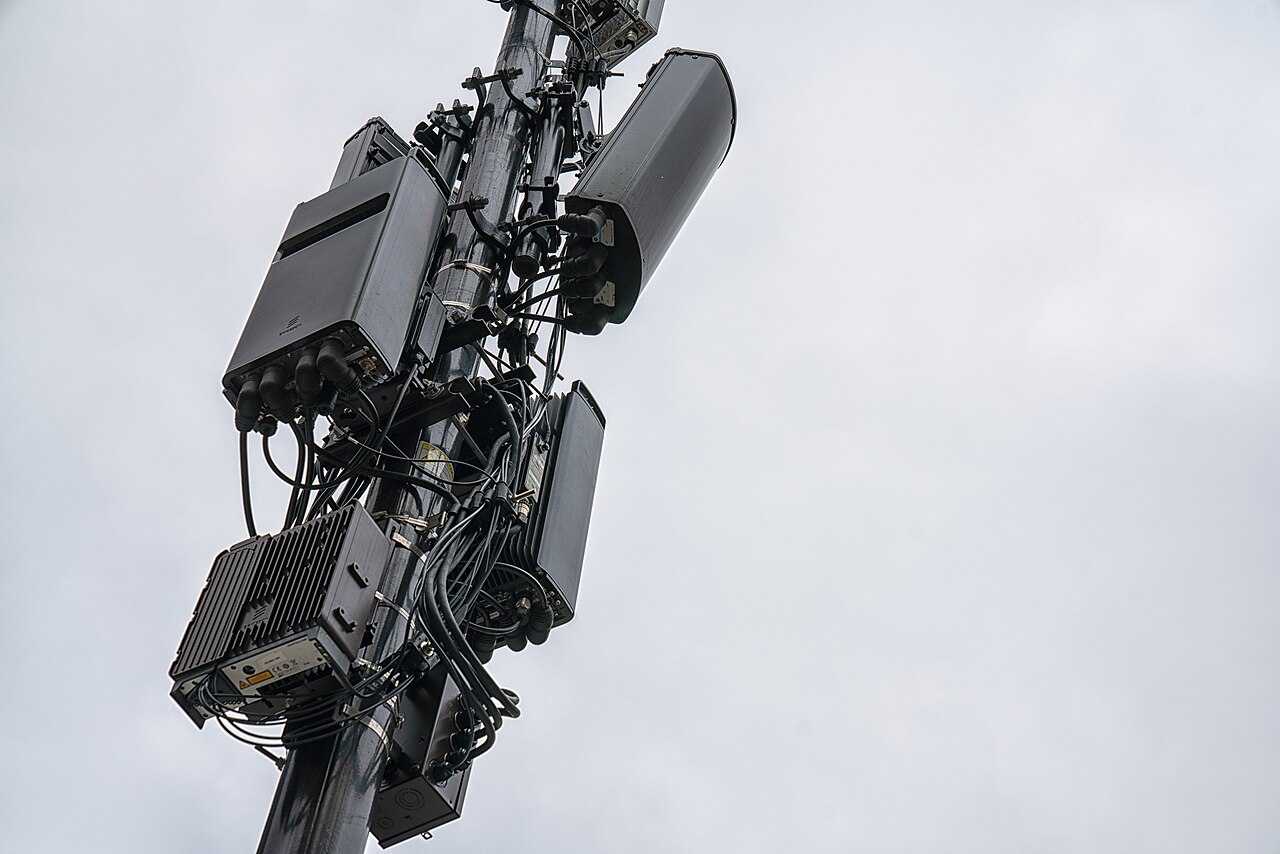
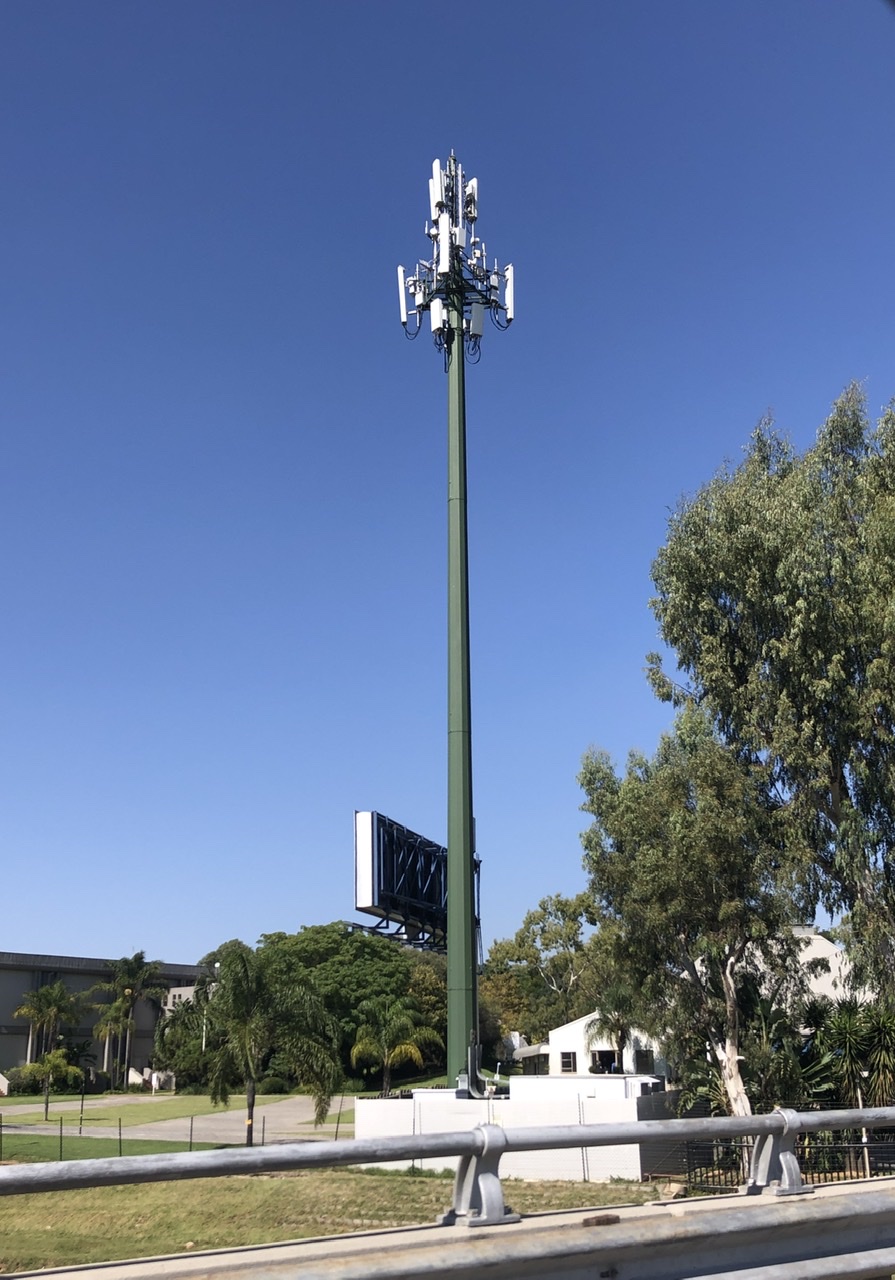
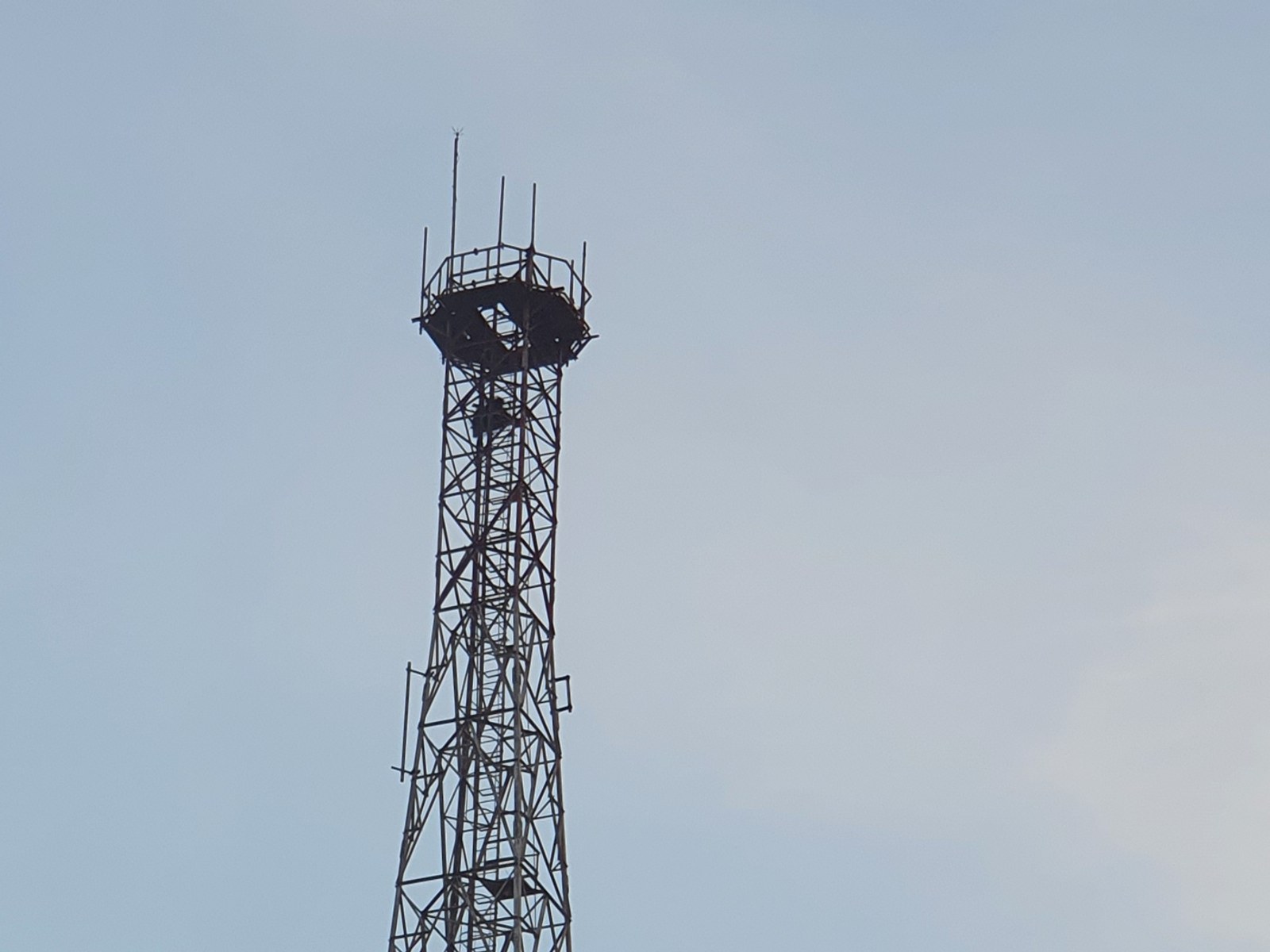
Their proposed eligibility list is specific: core hub sites, base transceiver stations, cellular towers, mobile switching centres, exchanges, AI and cloud data centres, fibre-to-the-home nodes and network operating centres. Corporate offices, customer service centres, franchises and retail outlets would be excluded, and the Pakistan Telecommunication Authority would certify which infrastructure qualifies. Where reclassification needs a separate regulatory process, they have proposed a dedicated “Digital/Telecom Infrastructure” consumer category carrying industrial rates instead, plus a federal policy directive and a defined timetable for distribution companies to implement it.
They also argue the change would help the power companies. Their projections, which have not been independently verified, are that off-grid solar growth could fall from 15% to 5–7% and grid consumption rise by 15–20%, offsetting distribution companies’ lost revenue over two to three years as operators come back onto the grid.
The industrial rate they want, and who sets it
The rate the operators are chasing is the one industry already pays, and NEPRA is the body that determines it. On 6 November the regulator approved a semi-annual review of the incremental consumption package for industrial and agricultural electricity consumers of the ex-WAPDA distribution companies and K-Electric, sending the decision to the federal government for gazette notification within 30 days, the regulator’s own record shows. KhabarWire covered that decision, and the two members who dissented from it, when it was published.
The numbers attached to that decision are often conflated. The Power Division told The Express Tribune that the Rs25.30 per unit figure in circulation is the revised marginal rate under the incremental consumption package and not the industrial tariff, that the industrial electricity tariff has been cut by about Rs18.94 per unit including taxes against the rate applicable in March 2024, and that the average industrial rate in October 2026 stood at Rs34.40 per kilowatt-hour including taxes. The package itself is being revised because marginal costs have risen during the Gulf war, and it gives industry a concessional rate only on units above a consumer’s own baseline. Federation of Pakistan Chambers of Commerce and Industry president Atif Ikram Sheikh, whose members want the rate cut below nine cents for every industrial consumer rather than delivered through selective schemes, has been pressing the same government; The Express Tribune reported in October that the government’s two-year reduction had taken industry from 16 to 12 cents per unit, following the Rs4.4 per unit cut the prime minister announced in January.
The legal argument and what is unresolved
The operators’ case rests on classification. They cite the Mobile Cellular Policy of 2004 and a Ministry of Industries and Production notification of 20 April 2004 classifying telecommunications as an industry, and the Finance Act of 2021, which amended section 2(29C) of the Income Tax Ordinance to bring PTA-licensed operators expressly within the definition of an industrial undertaking for tax purposes. They also point to NEPRA’s precedent of 9 November 2018, when the regulator extended industrial electricity tariffs to dairy and poultry farms, and argue the sector’s claim is no weaker.
What remains open is substantial. No recommendation has been published, so the size of any tariff differential for a cell tower, a switching centre or a data centre is unquantified; the mechanism for absorbing it, which the prime minister’s office asked for, is undefined; and no deadline has been set for a policy directive or for distribution companies to act on any change. The operators’ claim that the shift would pull them back onto the grid and spare the distribution companies money rests on their own projections, which nobody has checked. And NEPRA, whose members have already split over the cost of below-cost industrial rates, will have to decide whether a reclassification of this size is possible at all — the operators have themselves offered the alternative of a separate consumer category precisely because it may not be.
For consumers, the effect is indirect either way: mobile data prices depend on what operators pay for electricity and on what they earn per user, and the sector says it is losing the latter while paying more for the former. The test of the task force’s recommendations will be whether they price that trade-off, and for whom.