Reporting snapshot · 1 November 2026 (Asia/Karachi). Nothing has been agreed and no new round of talks has been scheduled; a red line is a stated position, not a decision taken. The main limitation is that the Taliban's side of the argument reaches readers through Afghan broadcasters' accounts of a spokesman's remarks, and the military account of the 30 October exchange rests on unnamed Pakistani security sources.
What changed on 31 October
Three developments landed on the same day. The Afghan Taliban said its effort to settle the dispute is finished, Pakistan answered with the firmest language it has used on the relationship, and Washington said in Atlanta that it has heard Islamabad’s complaint.
Zabihullah Mujahid, the Afghan government’s chief spokesman, said Afghanistan had made its final efforts through talks to ease tensions with Pakistan, that these had so far produced no results, that messages had been exchanged between Kabul and Islamabad, and that mediation efforts by other countries and by Taliban officials had also failed to reduce tensions, The Express Tribune reported. Pakistan Today carried the same spokesman’s complaint to Hurriyat Radio, that Pakistan “does not want to resolve the conflict with Afghanistan through talks” and “lacks the necessary readiness for a peaceful resolution of differences”.
Pakistan’s answer came the same day. In a statement dated 31 October, the Ministry of Information and Broadcasting said the spokesman’s remarks showed the Taliban’s “deeply misguided approach” and its unwillingness to confront the root cause of deteriorating relations with Pakistan. The ministry said the Taliban “continues to blame Islamabad’s policies while conveniently ignoring the single most important issue poisoning bilateral relations: its persistent failure to address terrorism emanating from Afghan soil”, and it stated the position without hedging: “Pakistan’s position is unequivocal: terrorism is a red line and the security of its citizens is non-negotiable.”
The rest of the statement was a warning. Pakistan would not tolerate militant sanctuaries across its border, it reserved the right to take “all necessary measures, in accordance with international law, to eliminate threats to its national security, wherever they originate”, and it cautioned that “Pakistan’s resolve to protect its people must never be mistaken for weakness”, Geo News reported. The sentence that drew the most attention was the last: “Pakistan’s security will not be held hostage to Afghan Taliban’s inaction, evasions or misplaced priorities.”
That closes a negotiation track that had already stalled. The Moscow Format meeting between the two governments ended in October without a joint statement, as KhabarWire reported, and Pakistan Today noted that multiple rounds of talks last year, facilitated by Qatar and Turkiye, had failed to produce a workable solution and that efforts this year involving China had also failed to yield a breakthrough.
Washington says it has heard Islamabad’s complaint
US Secretary of State Marco Rubio addressed the dispute at the G20 foreign ministers’ meeting in Atlanta. Geo News reported that Rubio said “Pakistan is concerned about terrorist attacks that are being sponsored from the territory of Afghanistan. They feel that the Taliban is not doing enough to constrain those attacks, and they’ve taken action against it”, and added: “We obviously have heard those concerns on their part. We obviously don’t want them to be targeted by terrorism.”
The remark is narrower than a policy change. It is an acknowledgement that Washington accepts Pakistan’s assessment of the Taliban, and it was made at a press conference rather than in any agreed text. Islamabad has been pressing for exactly this kind of public backing for months, and the remark is a public acknowledgement of Islamabad’s account from the United States.
The military track moved in the same window
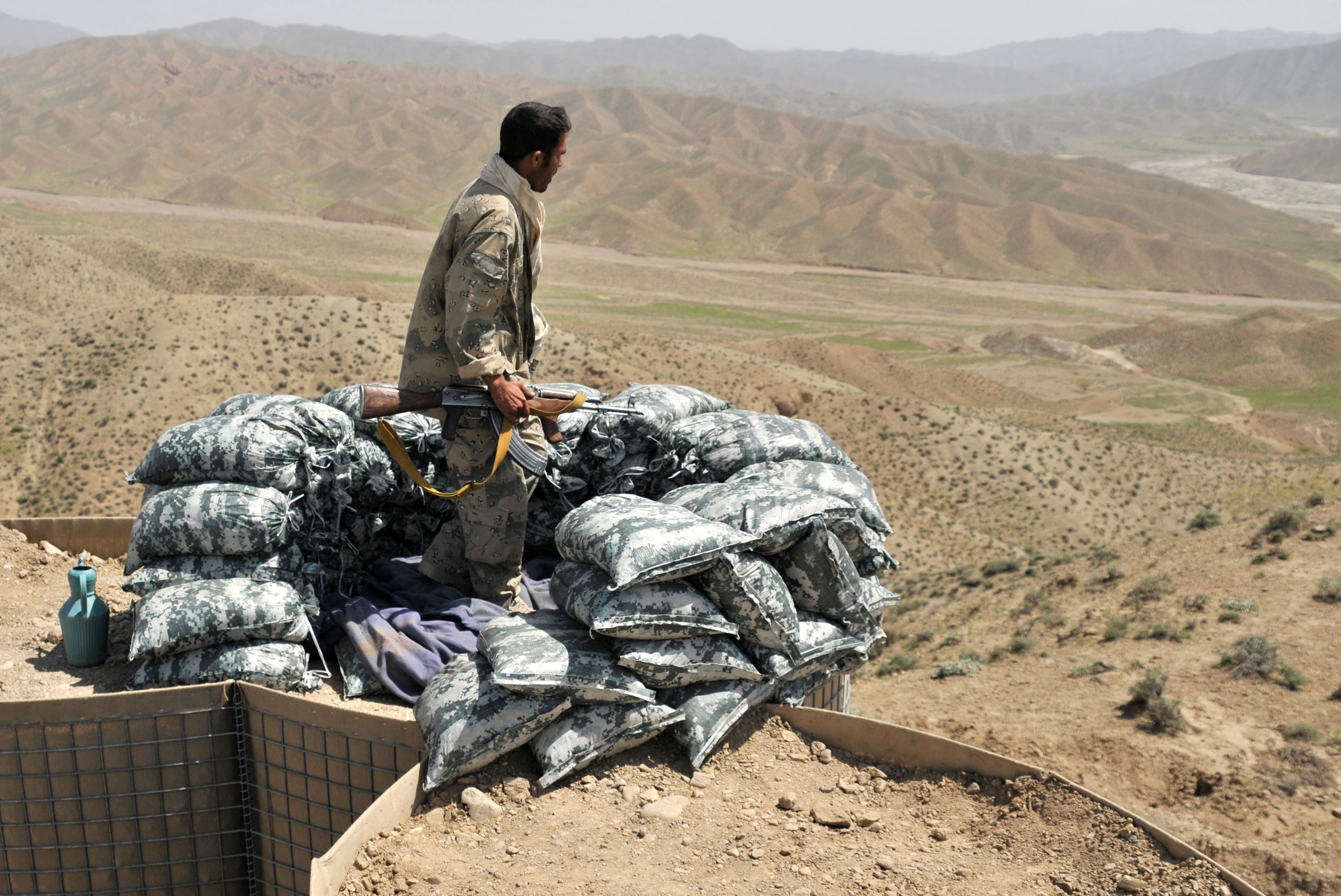
The statements were not the only news from the border. Radio Pakistan, citing security sources, said the army had targeted and destroyed several Afghan Taliban posts and military positions in areas adjacent to South Waziristan and Parachinar, after the Taliban opened fire on Pakistani border posts and civilian areas in the Angoor Adda area on Thursday with heavy weaponry, forcing Taliban personnel to abandon their posts and flee, The Express Tribune reported. The same account said security forces remain committed to national security and that there will be “no compromise on national security”.
That account came less than a week after the army struck Afghan check posts following the mortar attack on the Angoor Adda bazaar on 27 October that killed one civilian and wounded five members of the same family, as KhabarWire reported. It belongs to the air-and-ground campaign Pakistan launched in February as Operation Ghazab lil-Haq, whose recent actions include the airstrikes in Kunar and Helmand on 1 October. The wider file is tracked in the Pakistan-Afghanistan border hub.
What the numbers say
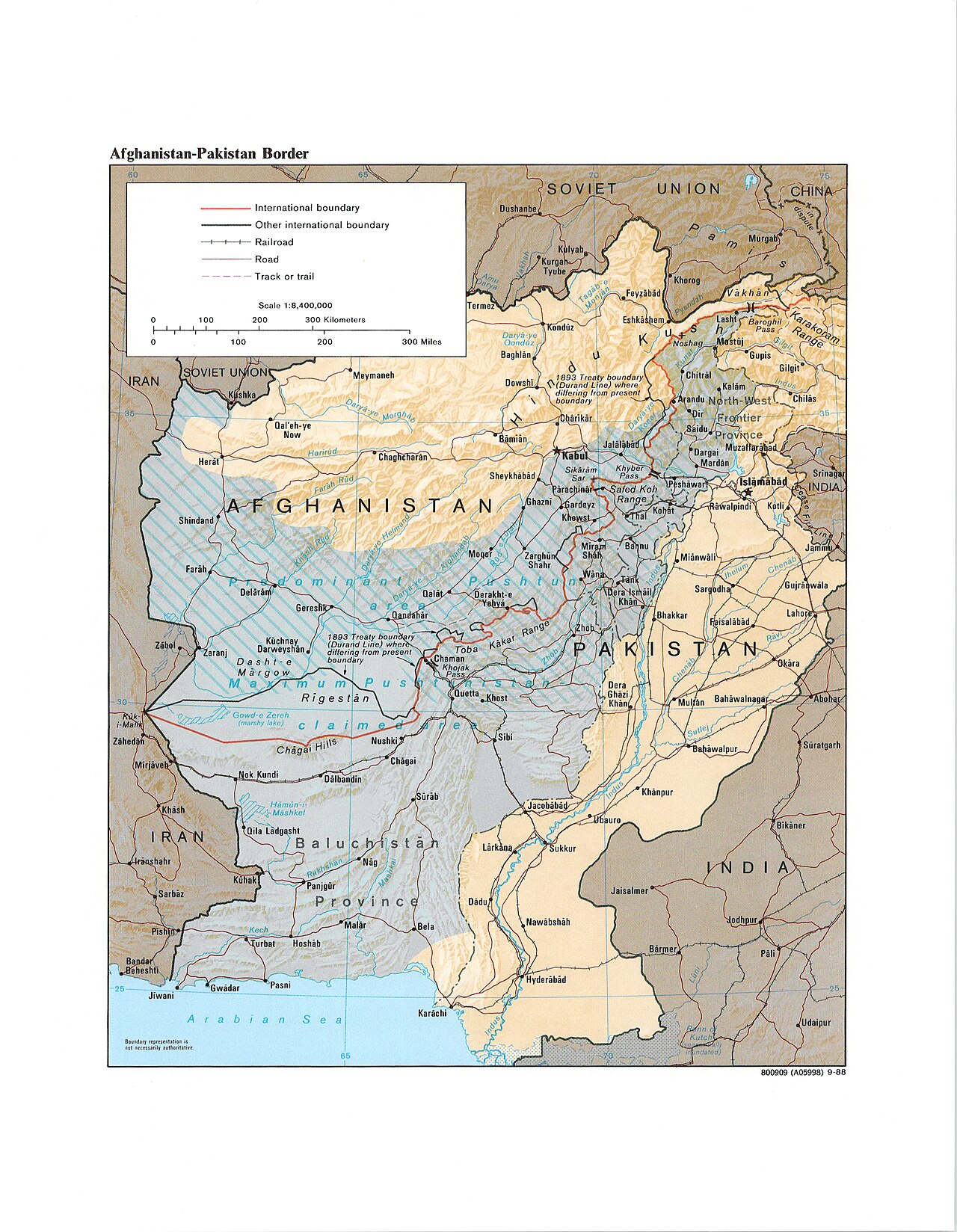
Behind the statements sits a measured security problem. Geo News reported, citing the Pakistan Institute for Conflict and Security Studies, that Pakistan recorded 225 militant attacks in September 2026, the highest monthly tally in 12 years. Pakistani authorities put the human cost of terrorism launched from Afghan soil in 2026 at 1,327 Pakistanis killed and 2,484 injured, The Express Tribune reported, and security officials estimate that up to 70 per cent of the Fitna al-Khawarij militants who infiltrate Pakistan are of Afghan origin. Geo News also reported that Pakistan has seen a sharp spike in terrorism in Balochistan and Khyber Pakhtunkhwa, the two provinces bordering Afghanistan, since the Taliban’s return to power in 2021.
What Pakistan told the United Nations
The argument was also made in New York. Speaking for Pakistan at the General Assembly’s Third Committee interactive dialogue on Afghanistan on 29 October, Counsellor Muhammad Jawad Ajmal urged the Taliban to end the repression of women and girls and to take decisive action against militant groups operating from Afghan territory, including the Tehreek-e-Taliban Pakistan, the Balochistan Liberation Army, the Majeed Brigade, Islamic State in Khorasan and the East Turkestan Islamic Movement, Geo News reported. He said the Taliban’s continued failure to publicly denounce these groups “raised serious questions about their complicity and support”, and that Pakistan could not remain passive and would exercise its right of self-defence whenever necessary and in accordance with international law. He also asked the international community to share responsibility for Afghan refugees, noting that Pakistan has hosted millions over several decades.
What is still uncertain
No decision has been taken. The statement sets a red line and reserves a right; it announces no measure, no deadline and no new round of talks, and no date has been set for anything. Kabul has not answered with a commitment of any kind, and the Taliban has offered no explanation of what “final efforts” means in practice or what would follow if the two sides do not meet again.
The Taliban’s own side is known only indirectly. The two Pakistani accounts of Mujahid’s remarks name different Afghan broadcasters, Radio Azadi and Hurriyat Radio, and neither is an official record, so the exact wording and the channel for the remarks are not settled.
The military account is also one-sided. The 30 October exchange and the destruction of Afghan positions rest on unnamed Pakistani security sources, and no Afghan account of the firing or of the army’s response was available for checking. The security sources’ claim that several Taliban personnel were killed during the operation has not been corroborated.
Washington’s position, finally, is an expression of view. Rubio’s words carry no commitment to joint action, no arrangement on the sanctuaries Islamabad says it wants dismantled, and nothing that obliges Kabul to move.