Reporting snapshot · 28 October 2026 (Asia/Karachi). Both accounts of Tuesday night's exchange come from Pakistani officials, and the army's response was described as still under way. The main limitation is that the military has not released a statement of its own on the exchange, and no Afghan account of the firing or of the Pakistani response was available for checking.
What happened at Angoor Adda
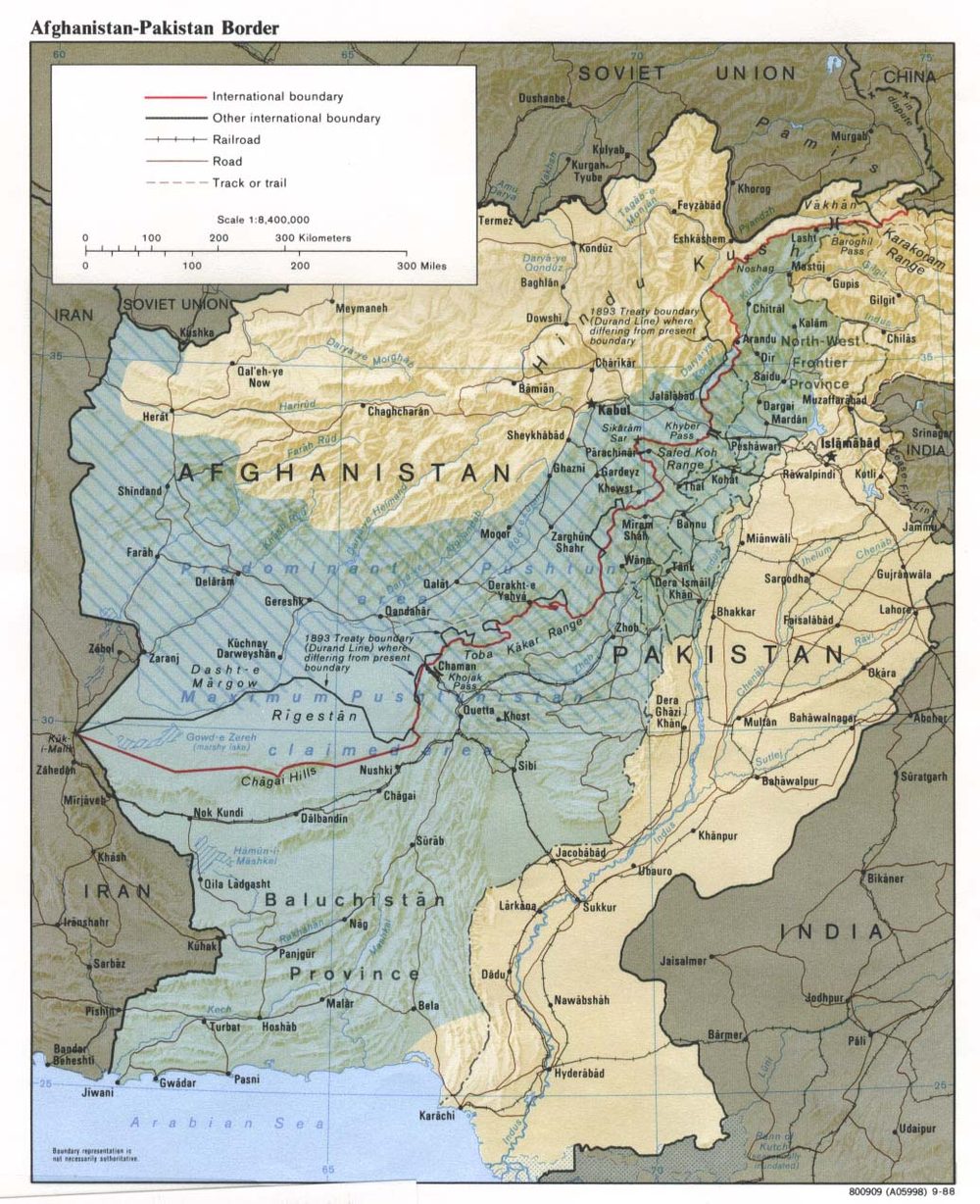
A mortar round struck the Angoor Adda bazaar in South Waziristan on the night of Tuesday, 27 October, killing one civilian and wounding five members of the same family, and the Pakistan army said on Wednesday that it had destroyed Afghan Taliban check posts across the border in response. Geo News reported that the attack on the Angoor Adda area of Lower South Waziristan killed one person and injured five family members, and The Express Tribune reported that the army destroyed multiple Afghan check posts on Tuesday night after Afghan forces targeted civilian areas in the district. It is the sharpest change in the border theatre since the artillery exchanges in the Upper Kurram sector that KhabarWire reported on 17 October, and the campaign around it is tracked in the Pakistan-Afghanistan border file.
The account of the attack comes from the deputy commissioner of South Waziristan Lower, who said Afghan Taliban forces opened unprovoked fire on civilian houses in the Angoor Adda bazaar and on nearby residential areas, and that a mortar round killed one civilian and injured five others while many shops were damaged, The Express Tribune reported. Khyber Pakhtunkhwa information adviser Samar Haroon Bilour, citing security sources, said the shell landed on a house in the civilian population and that the attack had sparked widespread anger among local residents over the targeting of civilians, The Express Tribune reported.
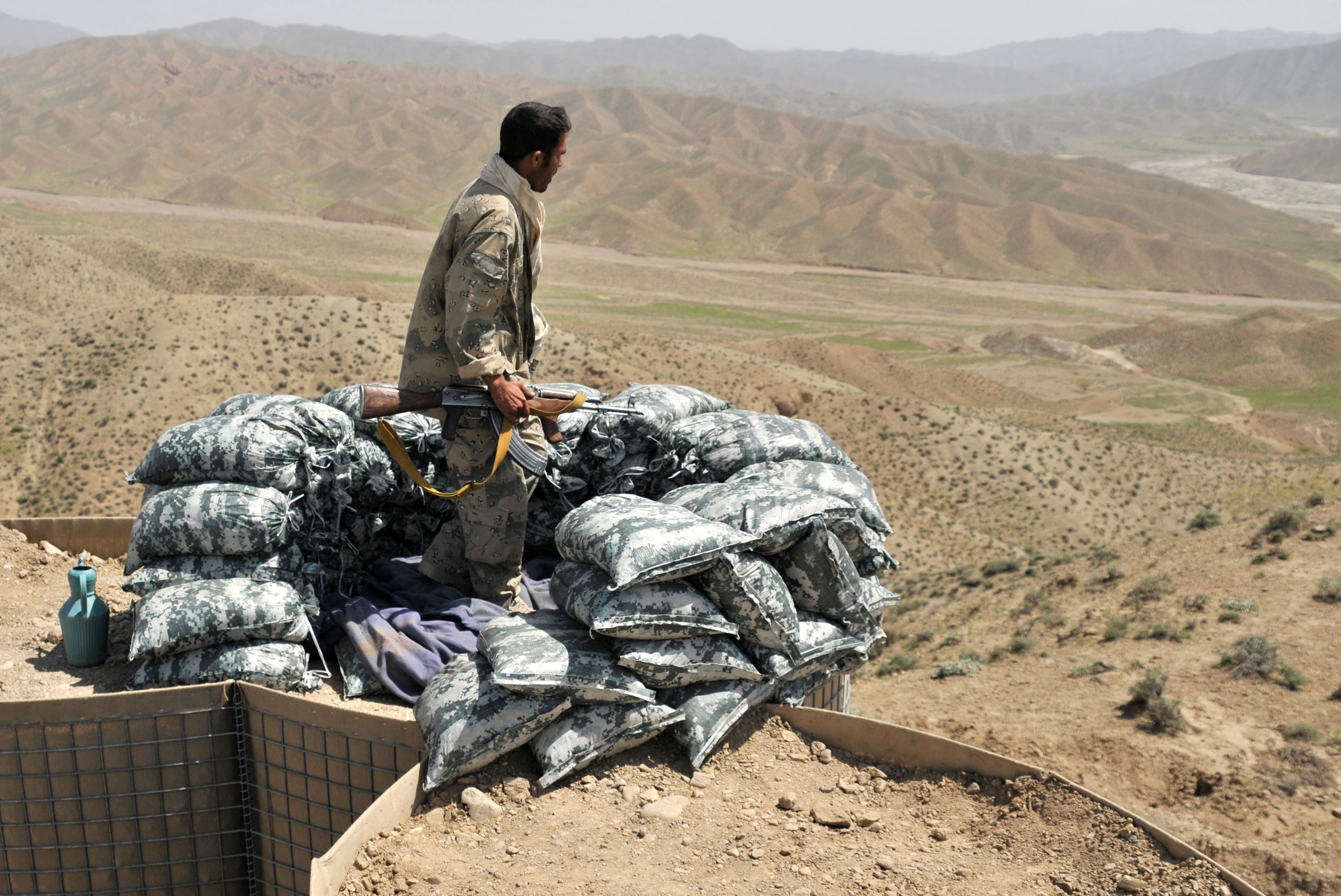
Pakistani forces struck back. Security sources told Geo News that the army retaliated swiftly, destroying several Afghan Taliban check posts across the border, and that the military’s response was still under way with troops prepared to counter any further aggression. The Express Tribune, quoting the information adviser, said the army gave “an immediate and highly vigilant strong response” and destroyed multiple posts in what it called a “robust retaliatory action”, and that Pakistani troops remained on high alert along the border.
Why the Angoor Adda sector matters
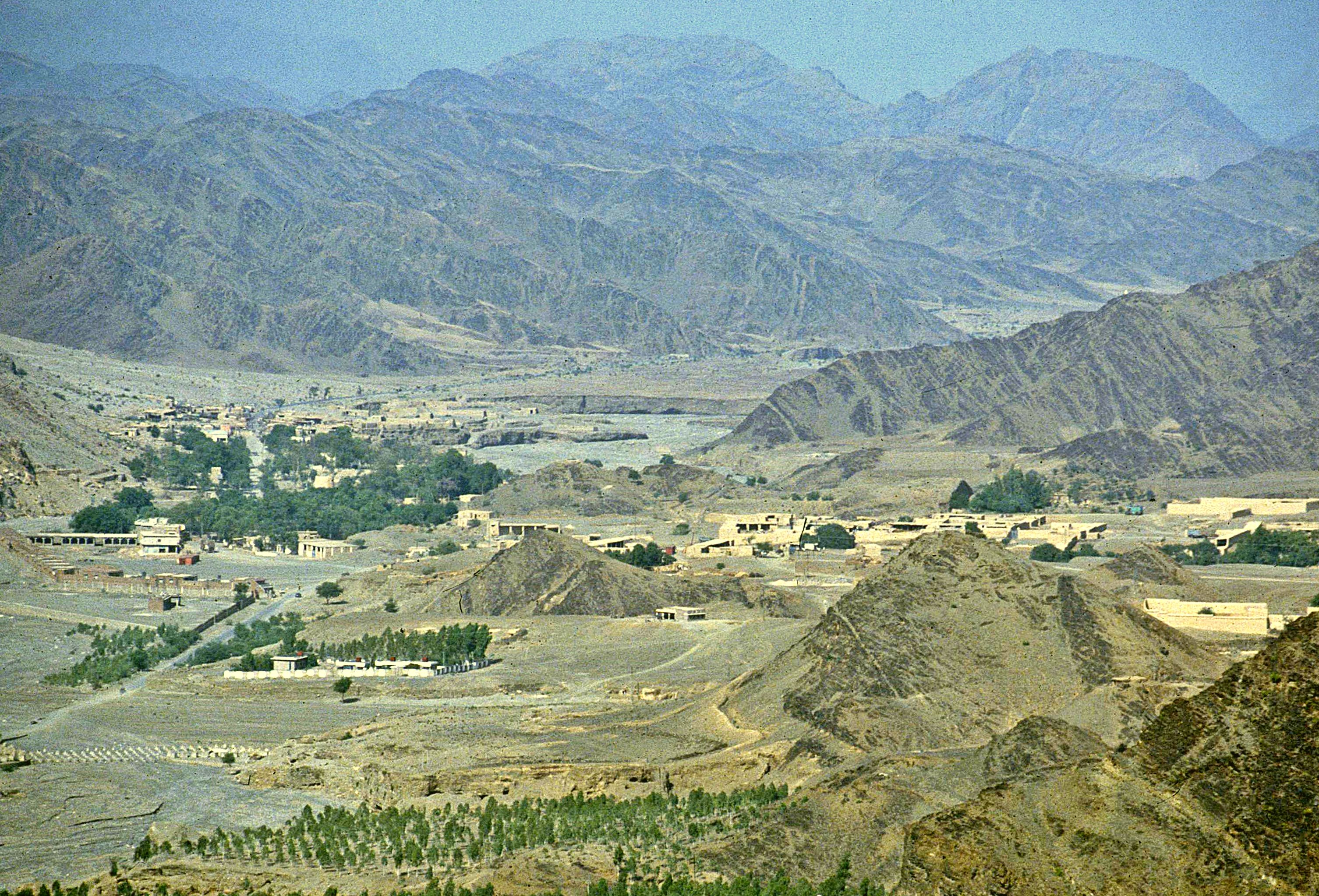
The exchange repeats a pattern that Geo News reports in the same sector. Citing security sources and local authorities, Geo News said that in late April, mortar shelling from across the border injured civilians and damaged homes in South Waziristan, and that Pakistani forces then targeted Afghan Taliban positions in the area. Tuesday night’s shelling reached the commercial centre of the border settlement as well as homes, because Afghan forces fired on the Angoor Adda bazaar and the residential quarters around it.
Broader context matters because the retaliation sits inside a campaign running since February. Operation Ghazab lil-Haq, launched after renewed Afghan fire across the border, has run as an air-and-ground operation against militant infrastructure inside Afghanistan, and the Kunar and Helmand strikes of 1 October were its largest recent action before the Kurram exchange. The Express Tribune’s account of Tuesday night also sets out the precision airstrikes and drone strikes Pakistan announced on 21 and 24 September, and the three demands Pakistan put to Kabul at the Urumqi talks in April: a formal declaration of the TTP as a terrorist organisation, the dismantling of militant infrastructure, and verifiable proof of both.
The running of that campaign has been interrupted before. The fighting that began in October 2025 led to a week-long ceasefire agreed on the eve of Eidul Fitr in March at the request of Turkiye, Saudi Arabia and Qatar, and Operation Ghazab lil-Haq was launched at the end of February, The Express Tribune reported. Tuesday night’s exchange is the ground-level version of the contest that ceasefire was meant to suspend, and it came in a sector where Geo News reports recurring cross-border violence rather than a single isolated incident.
Ground exchanges also feed a running argument about civilian casualties. On 26 October, the Foreign Office rejected Taliban allegations that Pakistani operations inside Afghanistan killed civilians, citing more than 3,500 casualties caused in Pakistan during 2026 by attacks launched across the border, as KhabarWire reported. A civilian killed inside Pakistan by a shell fired from Afghan territory falls on the other side of that argument, and is the kind of incident the Taliban’s government has used to press it. Geo News noted that Islamabad has repeatedly called on Kabul to stop militant groups from using Afghan territory to launch attacks in Pakistan, and that the Taliban authorities deny allowing their territory to be used for attacks against other countries.
What is still uncertain
Begin with the sourcing of the Pakistani claim. The military has not published a statement of its own on Tuesday night’s exchange, and the account rests on the deputy commissioner’s statement and on unnamed security sources, with the information adviser’s version adding the characterisation of a robust retaliatory action.
The description of what Pakistan hit is also unquantified. No post locations, no casualty figures from the Afghan side and no damage assessment have been published, and the two accounts differ slightly in emphasis, with Geo News attributing the response to security sources and The Express Tribune attributing it to the information adviser. Whether the response continued through Wednesday, and at what level, was not stated.
The casualty count is a single official figure for now. One civilian killed and five injured, all from the same family, comes from the deputy commissioner; no names, no hospital admission details and no independent confirmation were published, and the Afghan account of the firing and of the Pakistani response was not available.
For readers following the campaign, the questions to watch are whether the army issues a statement of its own, whether Kabul responds, and whether the sector repeats the April cycle of shelling followed by Pakistani strikes on Afghan positions in the same area.