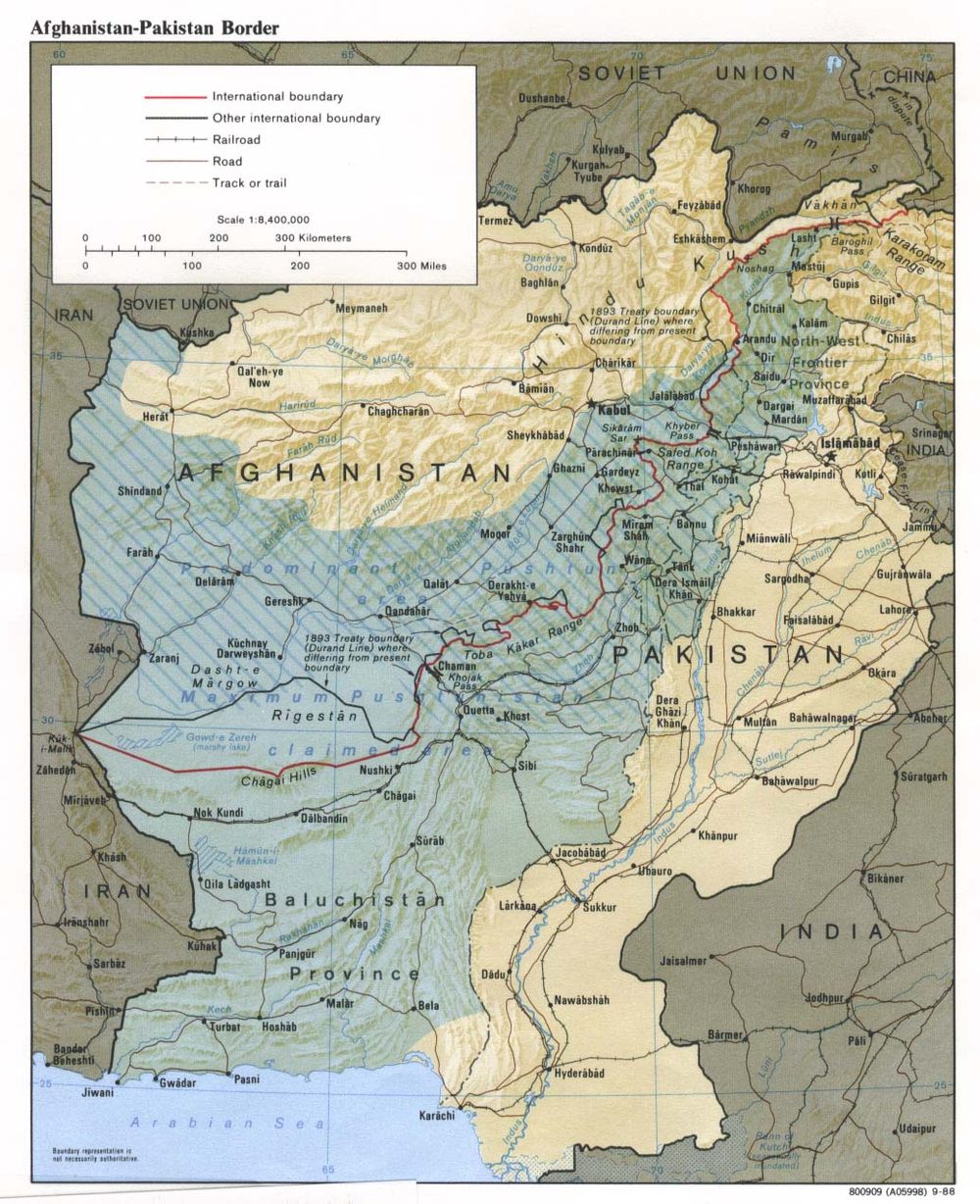
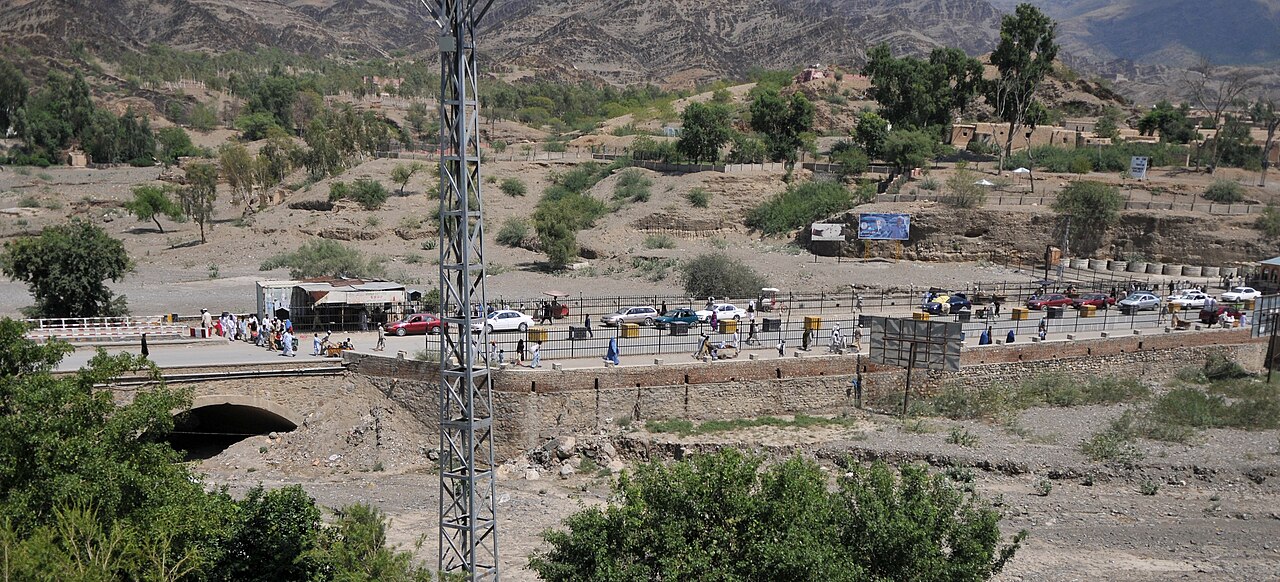
Reporting snapshot · 17 October 2026 (Asia/Karachi). The Pakistan Army said on Saturday that its forces had struck the Shipola base camp and the Topser post in the Upper Kurram sector and returned fire along the Ghozgarhi border after the Afghan Taliban opened what security sources described as unprovoked firing in the Taida sector. This article is a dated snapshot built on the state-run Associated Press of Pakistan account as carried by Geo News, the Express Tribune read-out of the same state-media line, and the Pakistan Institute for Conflict and Security Studies data that Geo News cited for September's spike in cross-border attacks. The same set of posts (Shipola and Topser) is named by both Geo News and the Tribune; the precise casualty figure, the assessment of damage on the Afghan side, and the Taliban's account of the exchange were not independently verifiable at the time of writing.
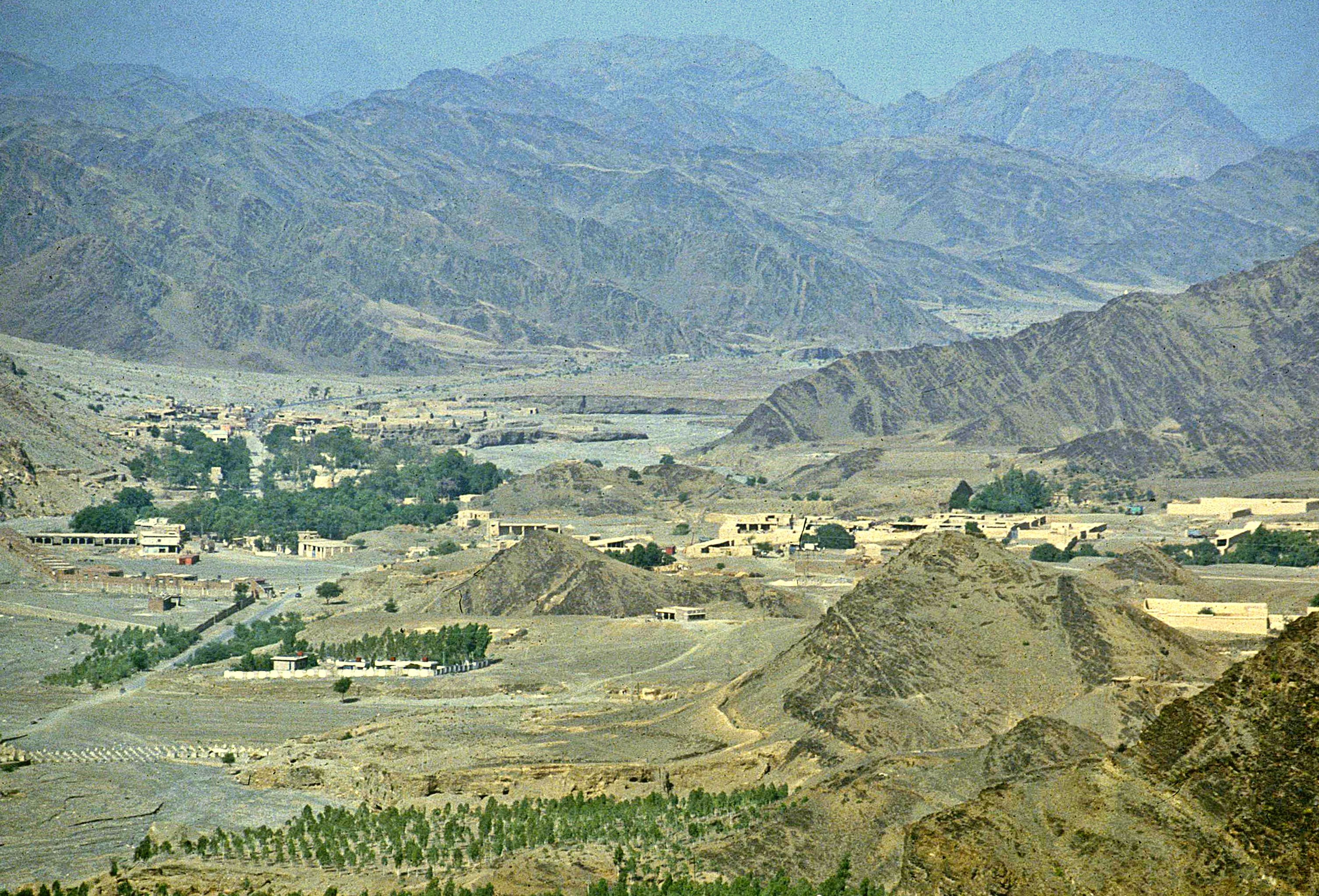
What happened
The Pakistan Army fired on the Afghan Taliban’s Shipola base camp and Topser post in the Upper Kurram sector of Khyber Pakhtunkhwa on Saturday after Taliban forces opened what security sources called unprovoked fire across the border, Geo News reported. The Express Tribune, carrying the same state-media line, said the Shipola base camp was destroyed in the retaliation and that several Afghan Taliban personnel had been killed along the Ghozgarhi border.
According to the accounts, the firing started in the Taida sector of Upper Kurram and at Ghozgarhi, and was intended, security sources said, to facilitate the crossing of “foreign terrorists” into Khyber Pakhtunkhwa. Geo News reported that the army responded by targeting the Shipola base camp with artillery and striking the Topser post; the Tribune said the same. Both said Taliban personnel had abandoned at least one border post after the Pakistani response.
The exchange was the first reported cross-border firing in the Kurram sector since Pakistan’s 1 October airstrikes in Afghanistan’s Kunar and Helmand provinces, which the Ministry of Information said had killed 22 militants (Dawn, Geo News, BBC, Al Jazeera reported). It is also distinct from the September strand of the conflict, which saw the shooting-down of Afghan drones at Torkham and Kohat on 23 September, strikes on 10 drone-launch and storage sites inside Afghanistan on 24 September, and a foiled Afghan Taliban incursion in Balochistan’s Gulistan sector overnight on 24–25 September.
Why it matters
The Kurram sector sits along the border’s most direct line from Kabul into the settled districts of Khyber Pakhtunkhwa and has been one of the most-used infiltration corridors cited by Pakistani officials since the Taliban returned to power in Kabul in August 2021. The Pakistan Institute for Conflict and Security Studies, an Islamabad-based independent monitoring group cited by Geo News, recorded 225 militant attacks across Pakistan in September 2026 — the country’s highest monthly count in 12 years and an increase of 13 per cent on August. Pakistan’s Information Ministry has linked the rise to what it calls the Taliban’s refusal to act against the Tehrik-e-Taliban Pakistan, Islamic State-Khorasan, al-Qaeda and other groups operating from Afghan territory.
The Kurram firing also comes against the backdrop of two parallel Pakistani military tracks. Operation Ghazab lil-Haq, launched in February 2026 after the October 2025 ceasefire and resumed following the 1 October airstrikes, has been the air-and-ground campaign against militant infrastructure inside Afghanistan; the September numbers and the 17 October exchange in Kurram are evidence that the ground and air tracks have not broken the Taliban’s ability to project across the border. At the same time, the Foreign Office has continued to push for a diplomatic track, including Deputy Prime Minister Ishaq Dar’s engagement with the OIC Contact Group on Afghanistan in late September and the Russia-mediated visit of the Russian Interior Minister to Pakistan in mid-October (KhabarWire, 23 September and 13 October). The Kurram firing is the first firing exchange of this round, and it took place within the same 48 hours as the publication of Pakistan’s criticism of the Taliban’s “broken promise on terrorism”.
The choice of targets is significant too. The Shipola base camp, named by both Geo News and the Express Tribune, is described as having been destroyed; the Topser post is described as having been struck with artillery. Two independent Pakistan outlets naming the same two sites within hours of each other strengthens the account, but the reporting in both cases rests on unnamed “security sources” carried through the state-news agency APP, and neither outlet published an ISPR statement. That makes the Kurram firing the first round of a likely renewed exchange in which attribution is settled but on-the-ground verification will lag.
What is still uncertain
Several details will probably only be settled in the days after the exchange. The Pakistani account describes several Afghan Taliban personnel killed along the Ghozgarhi border but does not give a figure; the Taliban’s account of the exchange and any casualty count from their side have not been published in the sources reviewed. The full extent of damage to the Shipola base camp — described by the Tribune as “reportedly destroyed” and by Geo News as having been destroyed in the retaliation — and to the Topser post was not independently verifiable in the reporting reviewed, and neither outlet identified the unit or formation that conducted the firing.
The diplomatic track is also unresolved. Pakistan has not officially named a new diplomatic channel in response to the Kurram exchange, and the Russian Interior Minister’s mid-October visit to Islamabad, in which Russia proposed a wider role for the Moscow format to ease tensions, is the most recent publicly documented initiative. The Taliban’s official account of the firing was not available in the reporting reviewed, and the question of whether the Topser post was being used by TTP, by the Taliban’s own forces, or by a mix — the ambiguity that has run through this storyline since the airstrikes earlier in 2026 — remains open. Pakistan’s framing in the September coverage, that Afghan soil “must not be used for terrorism” and that “self-defence” is available “as and when needed”, suggests that the Kurram firing will be presented as another such self-defence action; how Kabul responds will determine whether the diplomatic track holds.
Sources & reporting notes
This is a synthesis of published material, not eyewitness reporting. Sources were reviewed on 17 October 2026.
- Geo News — Several Taliban personnel killed during infiltration attempt in KP's Kurram: sources17 October 2026 · The named targets (Shipola base camp and Topser post), the Taida and Ghozgarhi sectors, and the framing of "foreign terrorist" crossings.
- The Express Tribune — Several Afghan Taliban posts destroyed as Pakistan responds to Kurram border firing: state media17 October 2026 · Independent confirmation of the same two named targets and of the "destroyed" Shipola base camp; attribution to "state media" via APP.
- The Express Tribune — embedded citations to the 1 October airstrikes, 23 September Torkham drone shoot-downs, and the September militant-attack data17 October 2026 · September militant-attack count, the September–October chronology, and the prior engagements that contextualise the Kurram firing.