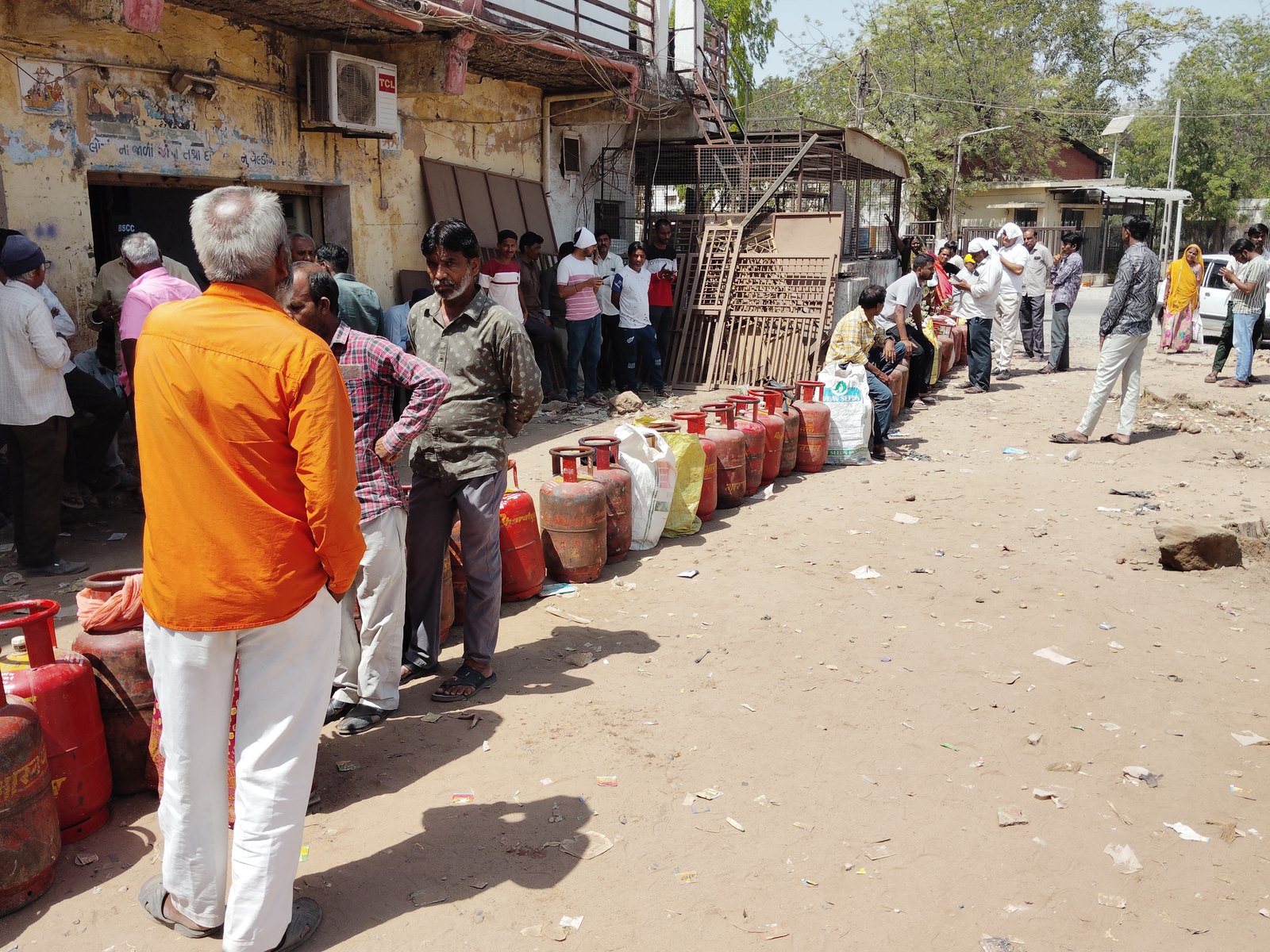
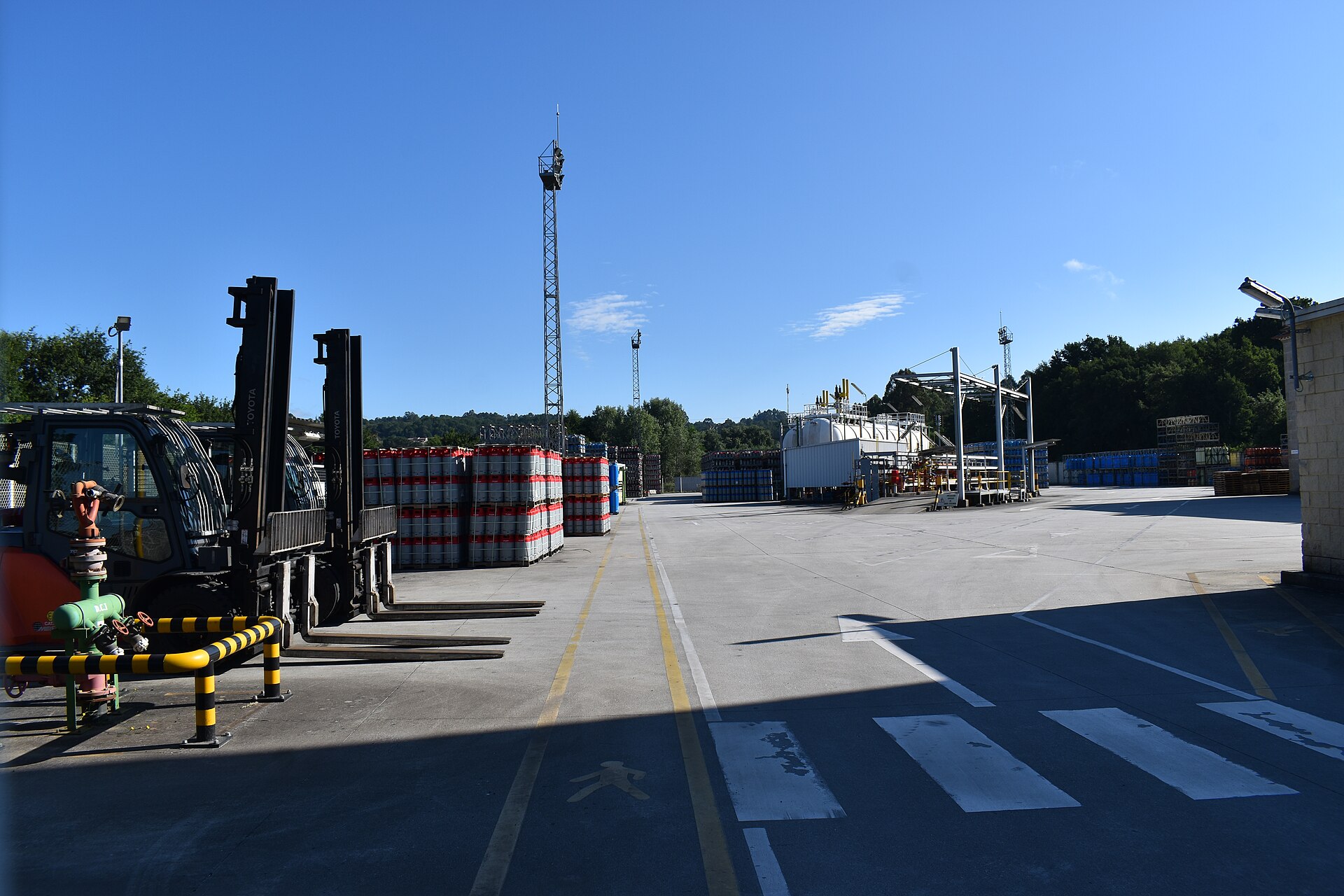
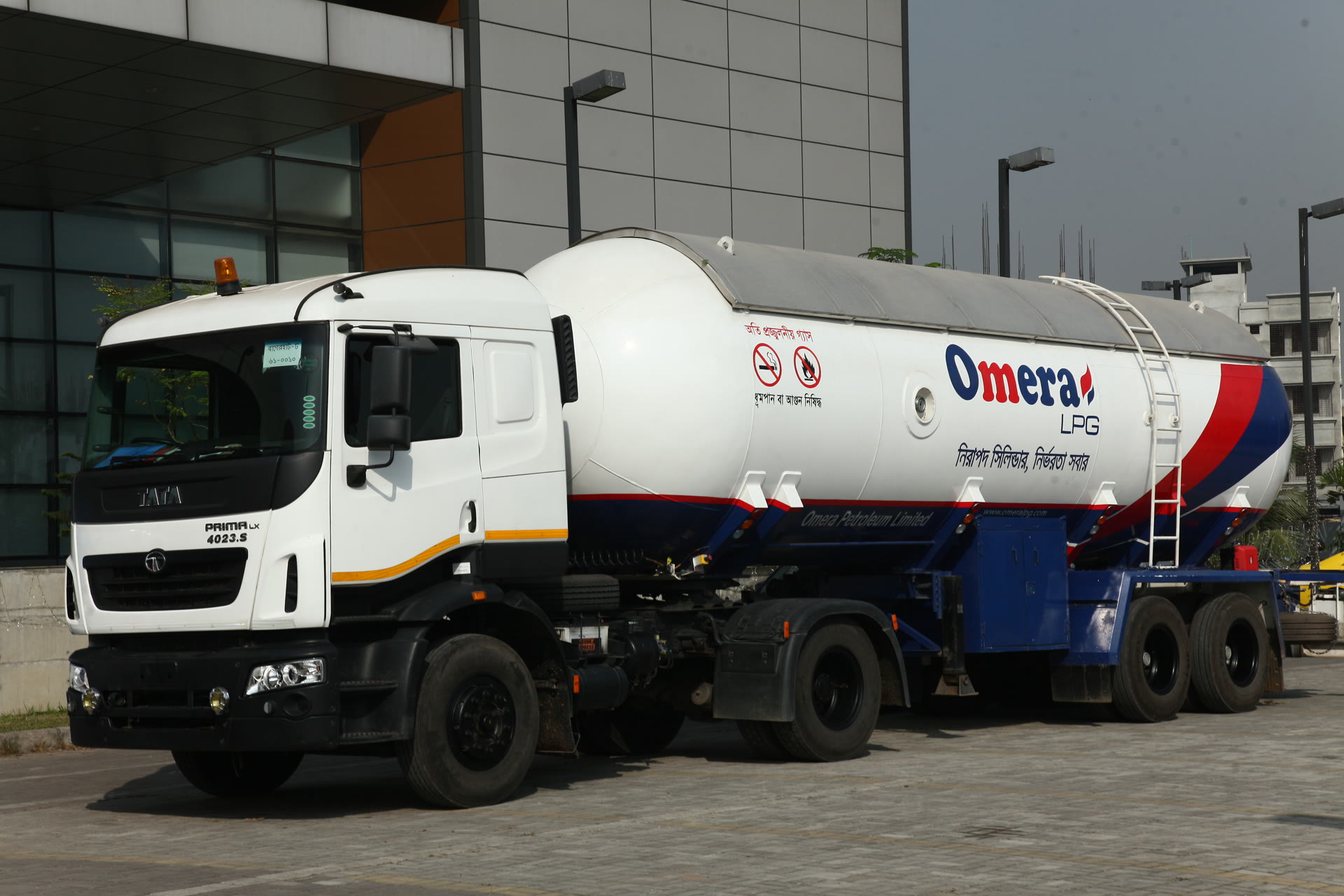
Reporting snapshot · 21 November 2026 (Asia/Karachi). The companies' confirmation reached the public through the marketers' association rather than a published order, and the petroleum ministry has not said what replaces the auctions, so the arrangement that sets cylinder prices this winter may change again. No new notified price, reserve price or auction date had been announced when this was written.
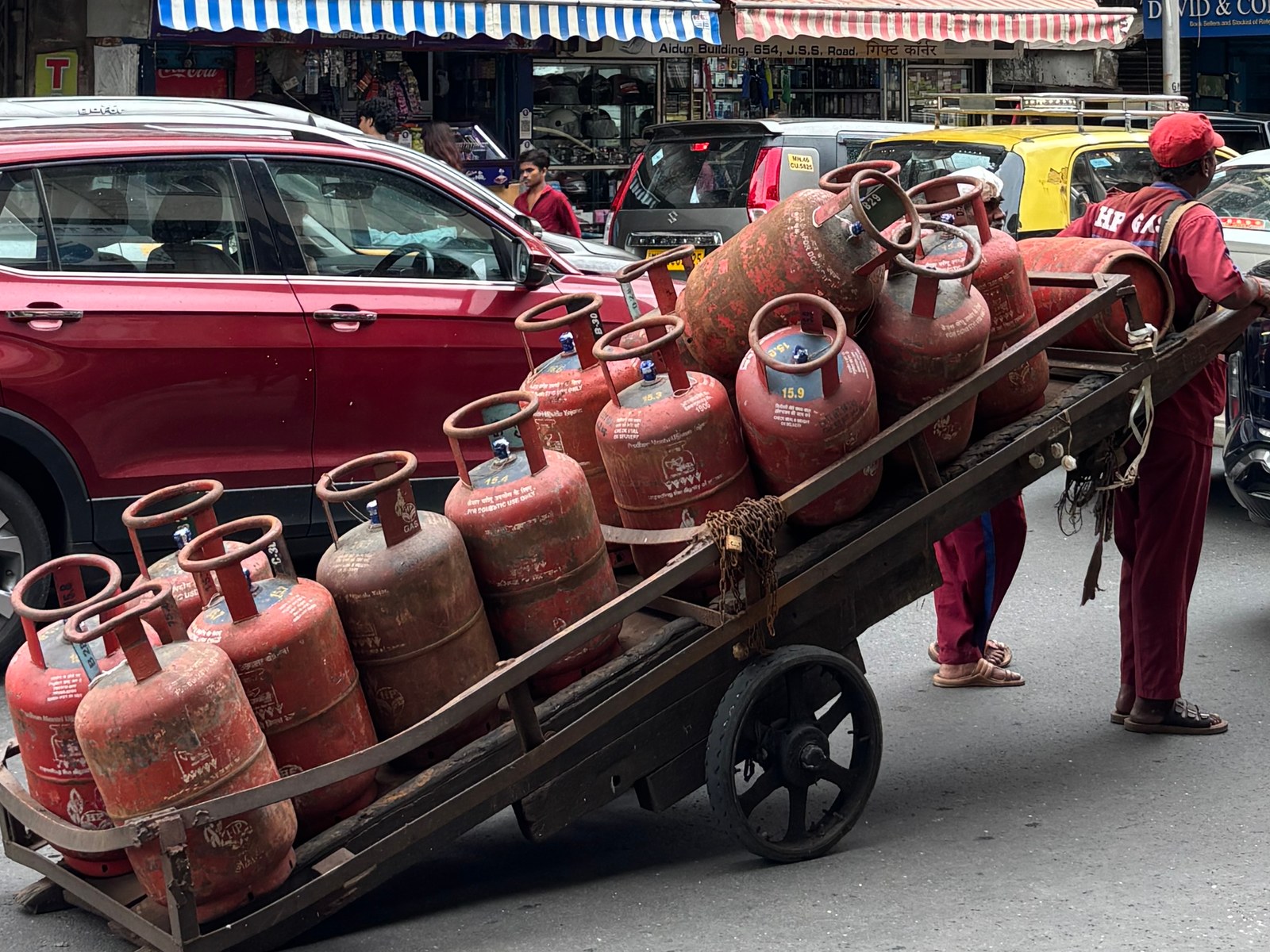
On 20 November, counsel for three of Pakistan’s state-owned oil companies told the Lahore High Court that they had abandoned the auctions of locally produced cooking gas they had advertised in July. Oil and Gas Development Company Limited (OGDCL), Pakistan Petroleum Limited (PPL) and Pak-Arab Refinery Limited (PARCO) were due to sell the fuel in competitive lots under the deregulated regime the federal cabinet approved on 4 November. The Pakistan LPG Marketers Association (PLPGMA), which had challenged the auction notices, then withdrew its petition and the court disposed of it. The Express Tribune reported the companies’ confirmation, and Profit by Pakistan Today reported the same announcement on 21 November.
The auctions were the delivery mechanism for a cabinet decision that is still in force, and the route by which the government intended to let an import-parity market price replace the rate that the Oil and Gas Regulatory Authority (OGRA) used to notify every month. With the auction notices withdrawn, the question those auctions were built to answer — who sets the price of a cylinder — is open again, and it is now being contested on constitutional grounds.
What the companies told the court
The auction notices and invitations to bid were advertised on 26 July, and the PLPGMA challenged them in Writ Petition No 45981 of 2026 on the ground that the process would let producers charge a premium over the OGRA-notified price, contrary to the legal and regulatory framework governing the sector. OGRA and the Federation of Pakistan, through the Secretary of the Ministry of Energy (Petroleum Division), were named as respondents. The Express Tribune reported that the Lahore High Court suspended the auction process on 7 August, and that when the matter was heard on 20 November, counsel for OGDCL, PPL and PARCO told the court the auctions had been scrapped. Because the relief the association had sought had been achieved, its counsel consented to withdraw the petition and the court disposed of it.
The sequence behind that petition runs back to 4 November, when the cabinet agreed to end the discretionary quota system and sell locally produced LPG in transparent lots of five to 10 tonnes among companies licensed by OGRA, while state firms including Pakistan State Oil, Sui Southern Gas Company and Pakistan LNG Limited were directed to arrange bulk supplies. KhabarWire reported that decision when it was announced. At the briefing that day, Petroleum Minister Ali Pervaiz Malik put domestic production at about 2,000 to 2,500 tonnes a day and said some sellers had been charging Rs700 to Rs800 a kilogramme, The Express Tribune reported. On 7 November the committee set up to run the auctions agreed its operating rules — 10 per cent of output reserved for state marketing companies serving remote areas, 90 per cent to open auction, and a 20-tonne daily ceiling on each buyer — which KhabarWire reported at the time. The file is tracked in KhabarWire’s Pakistan LPG Policy and Prices hub.
Who sets the price when the auctions stop
On paper, less has changed than the headlines suggest. OGRA’s notified-prices page still lists monthly indigenous LPG price notifications, most recently for November 2026, so the regulator has continued to publish a rate in parallel with the auction plan it was meant to displace. The distributors’ association says the 4 November guidelines discontinue those notifications; no amendment restoring them has been announced.
What has gone is the competitive channel, and it never opened. No auction had taken place by the time the notices were withdrawn: the committee had published no date, reserve price or draft rules, and the court’s 7 August suspension had held the process frozen in the meantime. The marketers’ case was that the auction route would have allowed producers to charge a premium over the OGRA-notified price; the court has not decided that argument, and has only recorded that the companies no longer intend to hold the auctions.
A second dispute is running alongside the withdrawn petition. The LPG Distributors Association of Pakistan has issued a pre-litigation representation against the cabinet’s LPG pricing guidelines, approved on 4 November and communicated by the Petroleum Division on 5 November, The Express Tribune reported. Its principal objection is that the government moved LPG price-setting from OGRA to state-owned entities, including Pakistan State Oil, without following the constitutional procedure under Articles 153 and 154 of the Constitution, and that the guidelines introduce auction-based pricing of indigenous LPG at import-parity-linked rates.
What the winter arithmetic looks like
The supply side is tight. Malik told the 4 November briefing that Saudi Aramco’s contract price had risen from $540 a tonne in March to $756 a tonne, and that the prevailing spot price, after associated costs, was about Rs450 to Rs500 a kilogramme, The Express Tribune reported. Domestic output covers only part of demand, with the balance imported overland from Iran. If the import-parity formula the guidelines set for auction pricing is also the reference the wider market follows, then dropping the auctions does not lower that number; it removes the channel the government built to test it. KhabarWire documented the divergence between notified and market rates in October, when cylinder prices climbed past Rs10,000 as the winter supply squeeze tightened.
The decisions still outstanding
Nothing stops the petroleum ministry from issuing fresh auction notices written to answer the court’s concerns, and nothing requires it to restore the old quota system; the 4 November decision remains on the books. The association said it would keep protecting the interests of marketers, distributors and consumers and would pursue legal remedies against any future measures it considers harmful to the sector. What is missing is a timetable, and because the distributors’ representation is pre-litigation, nothing in it suspends the guidelines in the meantime.
For households, the things to watch are narrow: whether OGRA issues a December price notification, whether the petroleum ministry publishes revised auction rules, and whether the distributors carry their constitutional objection to a court. Until one of those happens, households are buying under a cabinet decision whose delivery mechanism now rests with the companies that withdrew it, and whose pricing authority is being challenged in writing.