Reporting snapshot · 4 November 2026 (Asia/Karachi). The policy was announced at a briefing on 3 November, but no draft rules, reserve prices or start date have been published, so the auction timetable and the size of the two funds may change. The retail price ranges below come from figures given at the briefing and vary by city, seller and cylinder size.
What the government announced
The federal government plans to abolish the discretionary quota system for locally produced liquefied petroleum gas (LPG) and sell the fuel through competitive auctions, Petroleum Minister Ali Pervaiz Malik said at a joint press conference with Information Minister Attaullah Tarar on 3 November. The Express Tribune and Profit by Pakistan Today reported the announcement on 4 November.
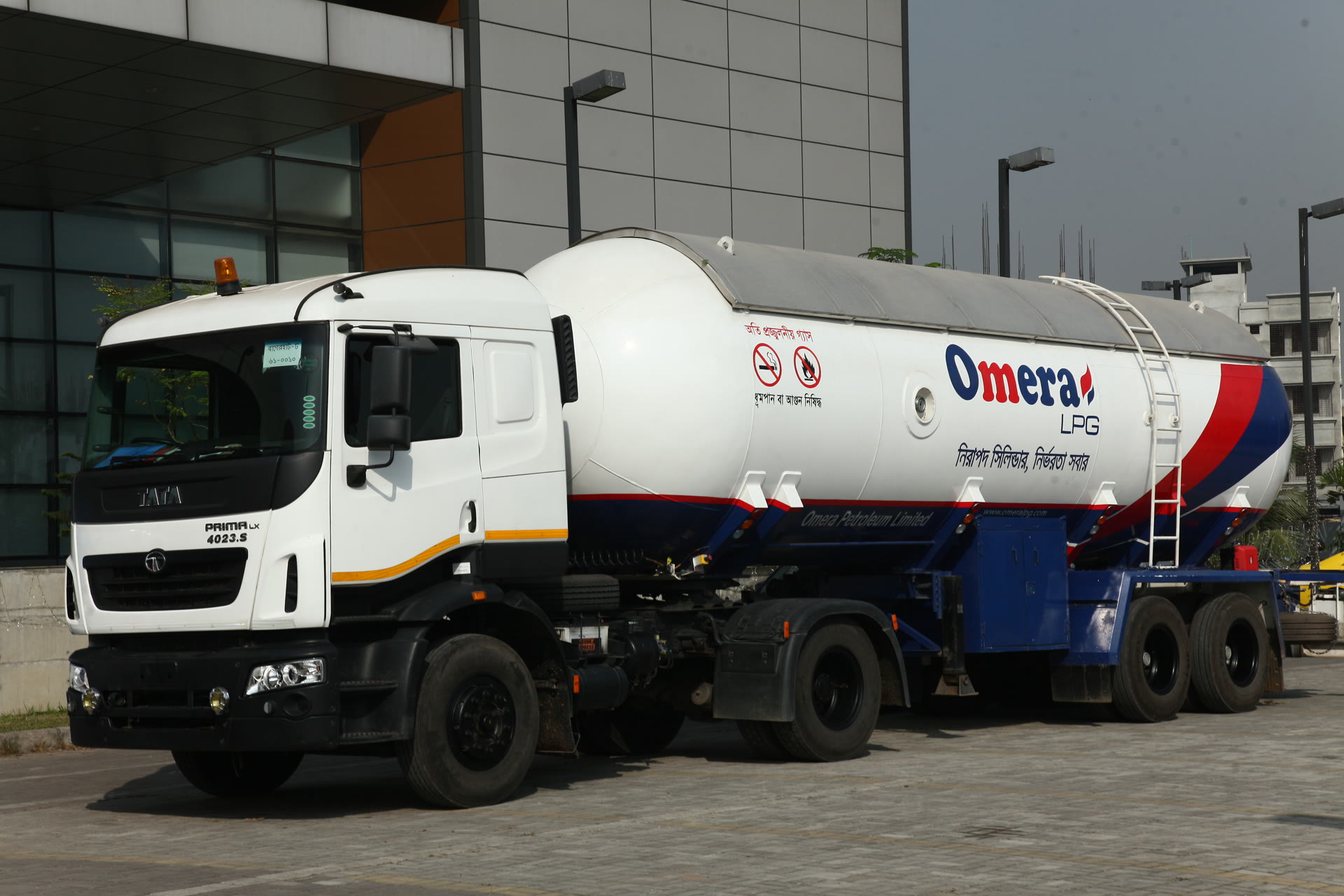
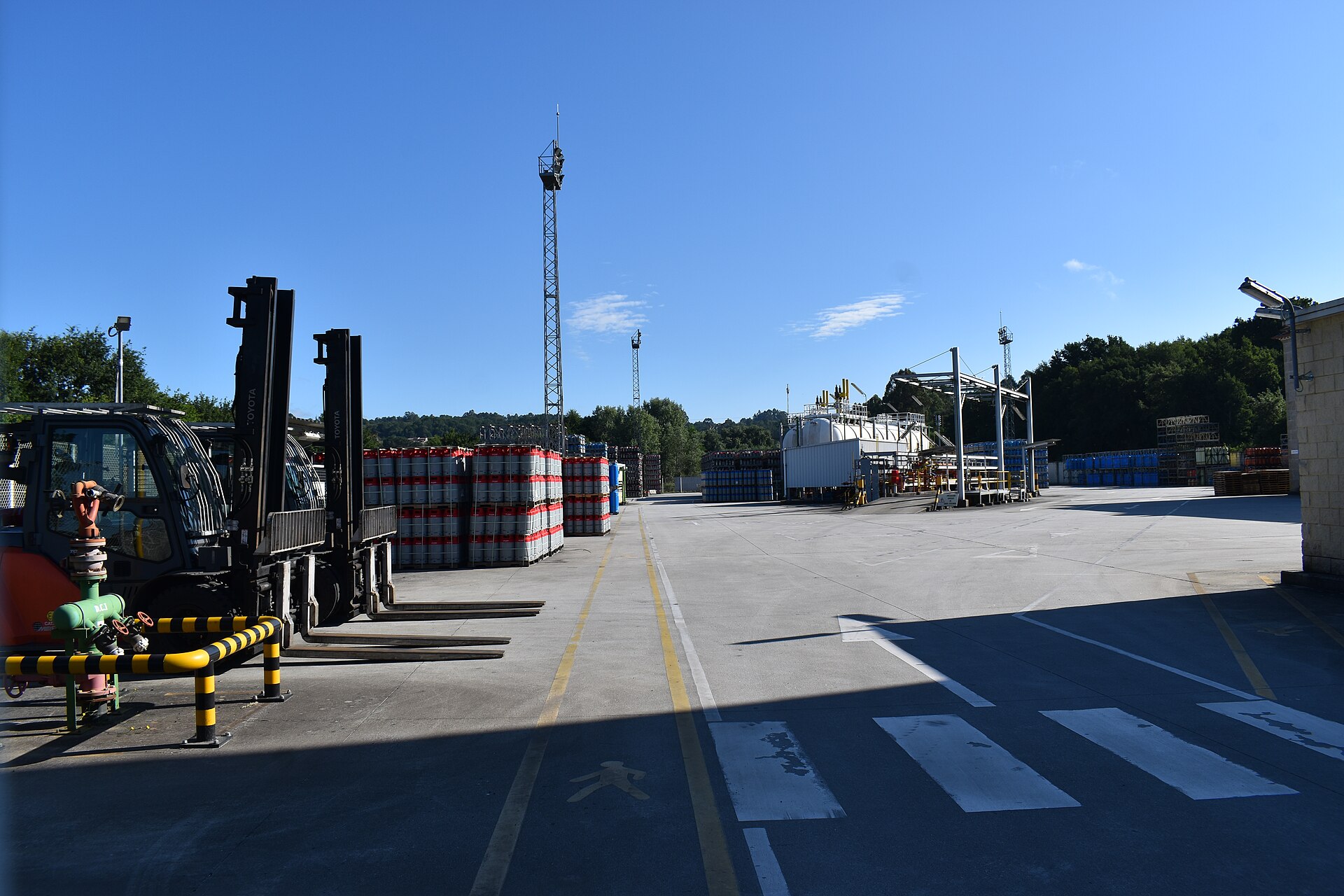
Under the plan, local LPG would be auctioned in lots of five and 10 tonnes to companies licensed by the Oil and Gas Regulatory Authority (OGRA), with results made public and the process supervised by the petroleum secretary and OGRA’s chairman. Pakistan State Oil, SSGC LPG and Pakistan LNG Limited have been told to arrange bulk imports through government-to-government and business-to-business agreements, while private companies will also be encouraged to import. Importers would publish monthly cost components — the Saudi Aramco contract price, premiums, freight and other charges — on their websites.
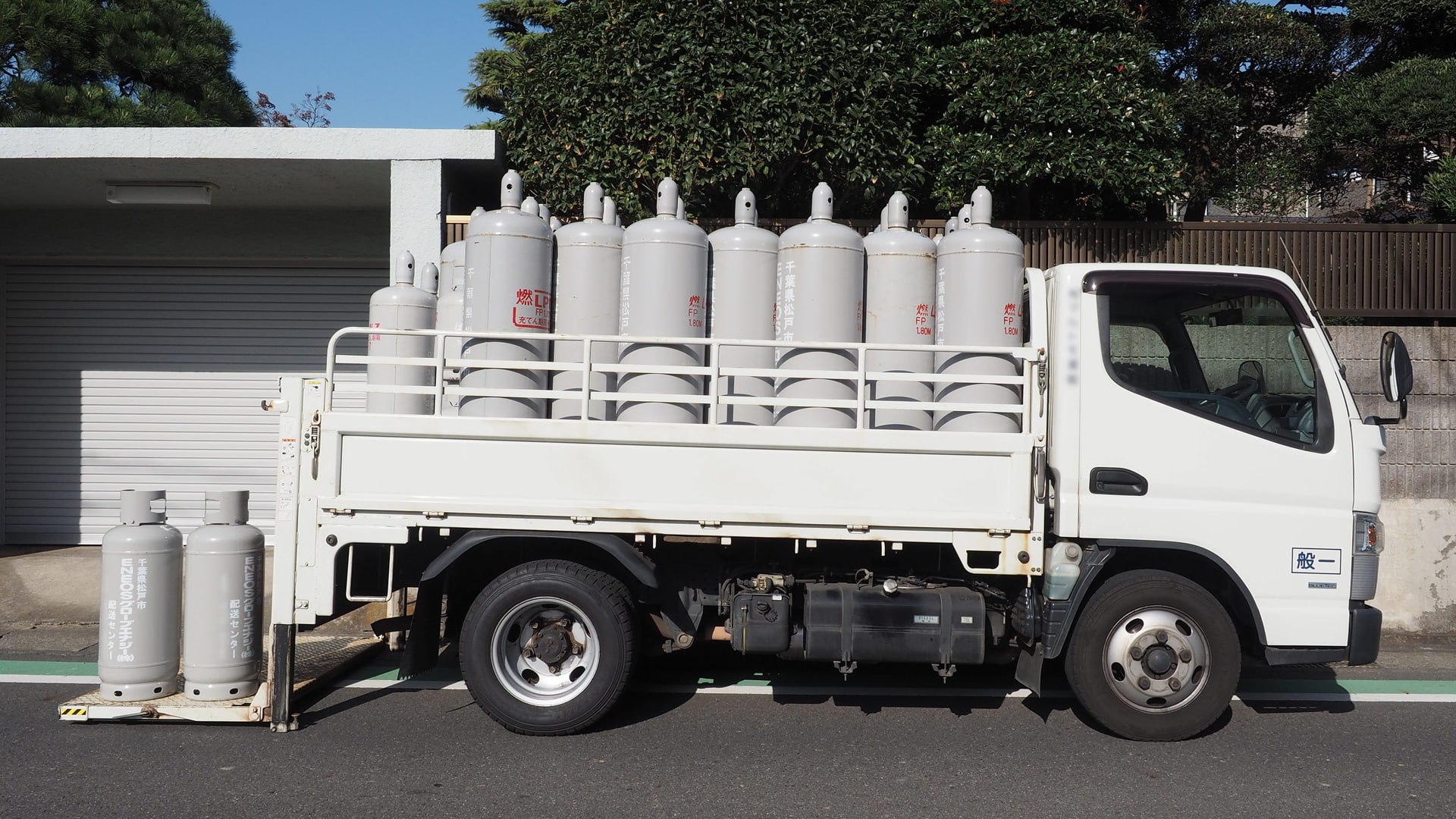
The government also said 10 per cent of local production would continue to be set aside for remote and hard-to-reach districts, handled by state-owned companies in consultation with provincial governments, which would identify eligible areas. Additional revenue from the auctions would be directed to a price stabilisation fund and a vulnerable consumers’ protection fund, with subsidies for eligible households arranged through the Benazir Income Support Programme.
Malik said the Competition Commission of Pakistan had been asked to act against cartelisation, while OGRA would tighten licensing and audit storage facilities. The National Explosives Department would oversee safety standards for cylinders and transport bowsers.
Why the quota is being replaced
The government says it is trying to close the gap between what LPG costs to bring into the country and what the regulated price allows sellers to recover. Domestic production is about 2,000 to 2,500 tonnes a day, The Express Tribune reported, while Pakistan consumes about 2.4 million tonnes a year and imports more than half of it, according to Profit.
The pricing formula inherited from the 2016 LPG policy did not adequately account for import costs, Malik said, which pushed supply into informal channels and left some sellers able to charge far more than the notified rate. Profit put prevailing retail prices at Rs600–700 a kilogramme; The Express Tribune’s account of the same briefing said supply disruptions had allowed some market players to charge Rs700–800. Both are far above the October notified rate of Rs279.34 a kilogramme, the gap documented in KhabarWire’s report on the cylinder-price squeeze.
The immediate pressure comes from the cost of imported gas. Saudi Aramco’s contract price has risen to $756 a tonne from $540 in March, and spot cargoes carry premiums of $300–400 a tonne above that benchmark, Malik said. He estimated the landed cost of spot LPG at Rs450–500 a kilogramme — below current retail prices but far above the regulated domestic rate.
Imports have also been disrupted at the western border, where crossings into Iran have repeatedly been suspended. That route has carried most of Pakistan’s imported LPG, and the disruption is central to the shortage the new import plan is meant to address.
How the auctions would work
The mechanics mark a change from the quota system, under which allocations were distributed administratively rather than sold to the highest bidder. Local producers would offer standard lots, with results published and monitored by the regulator. The 10 per cent set-aside for remote areas would be handled separately by state companies, with provinces identifying eligible districts.
For imports, the state companies would buy in bulk and disclose their costs, while private importers would be encouraged to compete for the same market. The disclosures are meant to let buyers compare import costs with retail prices. The two funds would absorb part of the difference between import parity and what low-income households can pay.
The plan does not say who would run the auctions, how reserve prices would be set, or when the first lots would be sold. It also does not publish the size of either fund, the eligibility rules for the subsidy, or the legal instrument behind the change. Those omissions matter because auction rules and subsidy eligibility determine whether the reform lowers prices or merely changes who captures the margin between producer and consumer.
What it means for households
LPG is the main cooking fuel for households without piped gas, and demand rises sharply in winter. Malik said the government would try to keep piped gas flowing at the three daily mealtimes in December and January, importing liquefied natural gas if necessary. He said piped-gas demand was expected to rise by 400–500 million cubic feet a day.
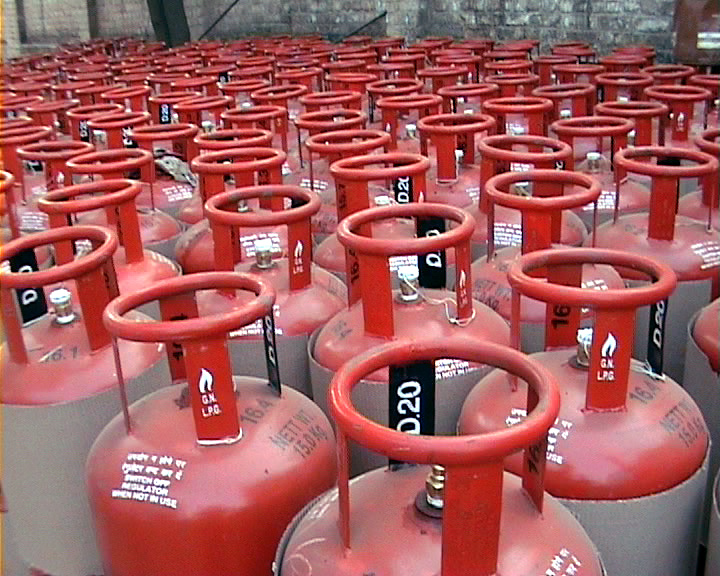
For cylinder buyers, the immediate question is whether bulk imports arrive early enough to undercut the Rs600–800 prices some are paying. The minister’s Rs450–500 estimate for landed spot gas suggests room for retail prices to fall, but it is not a forecast: transport, marketing margins and taxes are added after the landed cost, and the exchange rate can move the final figure. The estimate also sits well above the October notified rate, so the policy should be read as an attempt to narrow the gap with market prices, not to restore the old official price.
The funds could soften the impact for poorer households, but only if they are capitalised and the targeting works. The government has not said how much money they would hold, how the subsidy would be delivered alongside the Benazir Income Support Programme, or whether it would apply to the 11.8-kilogramme cylinders most households use.
What is still uncertain
The first unknown is timing. The minister said the arrangements should be fully operational before winter, but the auction rules have not been published and no first sale date has been given. Winter demand is already building, and the benefit of bulk imports depends on cargoes arriving before the coldest months.
The second is whether the plan replaces or sits alongside the import-parity pricing formula that was awaiting approval at the end of October. That formula would have tied the domestic price to Pakistan State Oil’s landed cost, and state companies had paused imports while they waited for it. This week’s briefing did not mention the formula, leaving open whether OGRA will keep setting a monthly price or whether auctions and importer-disclosed costs will determine it. OGRA’s November LPG notification is already published, and Profit reported that the regulator raised the price after the Aramco increase.
The third is whether prices actually fall. Auctions can reveal a market price rather than lower it, and a reform that makes supply more reliable but leaves the landed cost high would help households get cylinders without necessarily making them cheaper. Much depends on how quickly the state companies can contract cargoes, whether the Iranian border stays open, and whether private importers enter a market long shaped by administrative allocations.
KhabarWire follows the LPG file and the wider energy price cycle in its Pakistan Fuel & Energy hub.